Whether a Whippet’s Skin Injuries Are Covered
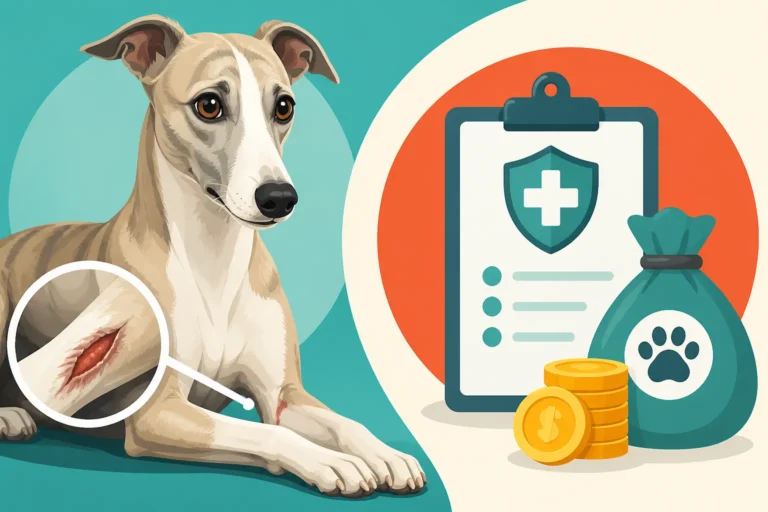
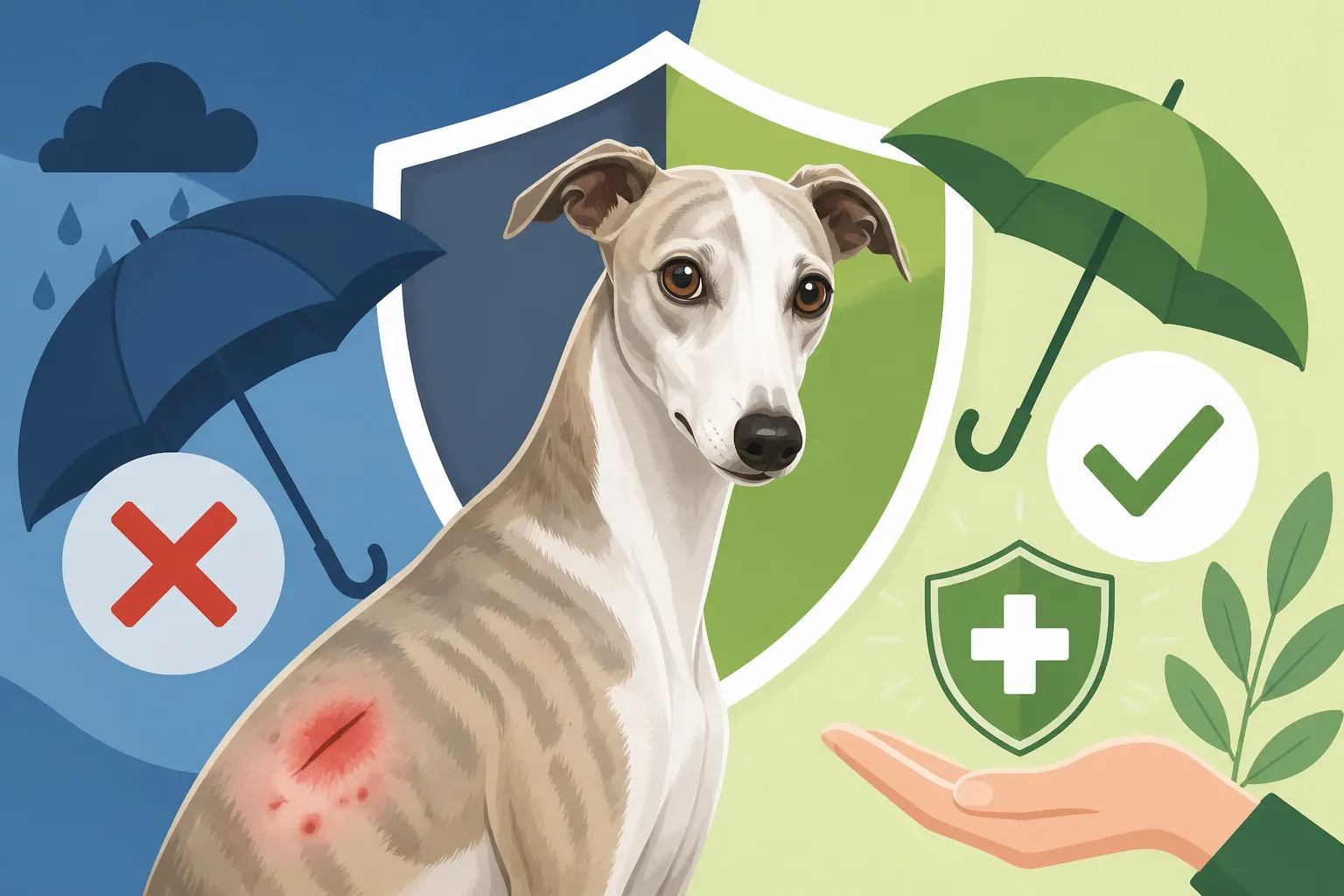
One of the most heart-stopping moments for any Whippet owner is finding a new cut, scrape, or worse, a deep laceration on their dog's impossibly thin skin. You scoop them up, your heart pounding, already picturing the vet bill, and the first question that often pops into your mind, right after "Are you okay, sweetheart?" is "Will pet insurance cover this?" It's a valid and incredibly common concern, and this comprehensive guide is here to help you understand exactly when and how pet insurance typically covers your Whippet's inevitable skin injuries, helping you navigate the fine print and make informed decisions.
The Reality of Whippet Skin Injuries
Let's be honest, if you own a Whippet, you've probably already dealt with a skin injury, or you will. These dogs are built for speed and grace, but their delicate skin isn't always up to the challenges of everyday life, especially when zoomies are involved. Understanding why they're so prone to these mishaps is the first step in being prepared.
Why Whippets Are Prone to Skin Tears and Lacerations
Whippets, like most sighthounds, possess remarkably thin skin. It’s a trait that contributes to their aerodynamic build and light weight, but it comes with a significant downside: a lack of protective padding. Unlike many other breeds with thick, often double coats and underlying fatty tissue, a Whippet’s skin is practically draped directly over their lean muscle and bone structure. This means there’s very little buffer against bumps, scrapes, and tears. Imagine a fine silk shirt compared to a heavy canvas jacket – one offers far more protection than the other. When they brush against something sharp or even slightly rough, like a rose bush, a splintered fence post, or even a rough playmate, that thin skin is incredibly vulnerable.
Compounding this issue is their minimal body fat. While fantastic for speed, it means there's no cushion. A forceful impact that might only bruise a thicker-skinned dog can easily result in a deep gash or flap tear on a Whippet. This isn't a fault of the breed; it's simply how they are built, a consequence of their athletic and ancient heritage. It's just something every Whippet owner has to be aware of, and often learns about the hard way during that first frantic trip to the emergency vet. This delicate nature is why topics like The Thin Skin That Sends a Whippet to the Vet for Stitches are so crucial for owners.
Common Scenarios for Whippet Skin Injuries
Whippets are active, curious, and often enthusiastic dogs. Their joyful bursts of speed, sudden changes in direction, and general zest for life put them in situations where skin injuries are almost inevitable. Think about a typical scenario: your Whippet is tearing across the yard, having the time of their life, and suddenly skids into something just a little too sharp – the corner of a shed, a low-hanging branch, or even a rock. That exhilarating sprint can instantly turn into a bleeding wound.
Another common culprit is play with other dogs. While most play is harmless, a rough tumble or a playful nip from a dog with thicker skin and stronger jaws can inadvertently cause a significant tear on a Whippet. They might run headlong into a fence they didn't quite see, or slip on wet grass and scrape themselves on concrete. Even seemingly innocuous household objects can pose a threat; a jagged edge on a piece of furniture or an exposed nail could result in a visit to the vet for Whether a Whippet's Cut Always Needs Stitches. Their desire to burrow under blankets and squeeze into tight spaces, while adorable, can sometimes lead to snagged skin. It's not about being clumsy; it's about being built in a way that makes everyday life just a little more hazardous for their skin.
Understanding Pet Insurance Coverage for Accidents
When those skin injuries happen, your first thought is your dog's well-being, but the second is often the financial hit. Pet insurance can be a real lifesaver here, designed to help ease the burden of unexpected vet bills.
What "Accident" Coverage Typically Includes
The good news for Whippet owners is that skin injuries, especially those sudden, unforeseen lacerations and tears, almost universally fall under the "accident" category of pet insurance policies. This is the core benefit that most pet insurance plans are built around, whether you opt for an accident-only plan or a more comprehensive accident and illness policy. An accident is generally defined as an unexpected and unintentional bodily injury caused by external means. A deep cut from running through brush, a skin tear from catching themselves on a crate, or a laceration sustained during rough play would all typically be considered accidents.
Most reputable pet insurance providers, including those often recommended by vets and found on platforms like Chewy, understand the unpredictable nature of pet ownership. They offer coverage for diagnostics (like checking the depth of the wound or for underlying issues), treatment (such as stitches, staples, or surgical repair), medication (like antibiotics or pain relief), and sometimes even follow-up visits related to the initial accident. This means that when your Whippet needs Emergency Stitches: the Whippet Bill Nobody Budgets For, your policy is likely to kick in and cover a significant portion of those costs, allowing you to focus on your dog's recovery rather than the looming bill.
Deductibles, Reimbursement, and Annual Limits
Understanding how pet insurance actually pays out is crucial. It's not like human health insurance in many ways. You typically pay your vet bill upfront, then submit a claim for reimbursement.
- Deductible: This is the amount you pay out of pocket before your insurance starts to reimburse you. It's usually an annual amount. For example, if you have a $250 deductible and your Whippet has a $700 skin injury, you'd pay the first $250, and then your insurance would cover a percentage of the remaining $450. Deductibles can range quite a bit, from very low to several hundred dollars, influencing your monthly premium.
- Reimbursement Percentage: After your deductible is met, the insurance company will reimburse a certain percentage of the eligible vet costs. Common percentages are 70%, 80%, or 90%. So, in our example above, if your reimbursement rate is 80%, you'd get 80% of $450 back, which is $360. You still pay the remaining 20% ($90) and your deductible ($250).
- Annual Limit: Most policies have an annual maximum amount they will pay out in a policy year. This could be anywhere from a few thousand dollars to unlimited. While a single skin injury might not hit this limit, if your Whippet is particularly accident-prone or develops other health issues, this limit becomes more relevant.
For a Whippet owner facing the costs of What Repairing a Whippet's Skin Tear Costs, understanding these three factors is key to knowing what your actual out-of-pocket expense will be. Companies like Healthy Paws are often praised for their high reimbursement rates and sometimes unlimited annual limits, which can be a huge comfort for breeds prone to frequent mishaps.
When Skin Injuries Might NOT Be Covered
While most accidental skin injuries are covered, there are always situations where a policy might not pay out. It's vital to read the fine print and understand these common exclusions.
Pre-Existing Conditions and Waiting Periods
One of the biggest reasons for a claim denial is a pre-existing condition. A pre-existing condition is any illness or injury your Whippet showed symptoms of, or was diagnosed with, before your insurance coverage began, or before the waiting period ended. For example, if your Whippet had a chronic skin issue that led to a tear before you bought the policy, that specific tear might be deemed pre-existing.
Pet insurance policies also have waiting periods. These are mandatory periods (usually a few days for accidents, and longer for illnesses) between the policy's effective date and when coverage for certain conditions begins. Typically, accident waiting periods are short, often 2-14 days. If your Whippet suffers a skin laceration during this waiting period, even if it's clearly an accident, it won't be covered. This is why it's always best to get pet insurance as early as possible, ideally when your Whippet is a puppy, so that maximum coverage is in place long before any issues arise. Thinking ahead about your Whippet's health, even regarding common things like Whether a Whippet's Skin Injuries Are Covered, is always a smart move.
Exclusions and Policy Fine Print
Beyond pre-existing conditions and waiting periods, pet insurance policies can have other specific exclusions. While most accidental skin injuries are covered, some policies might exclude certain types of injuries or situations. For instance:
- Intentional Injuries: If the injury was self-inflicted due to neglect or intentional harm, it would never be covered. This is rare but important to note.
- Cosmetic Procedures: If a vet suggests a purely cosmetic surgery after an injury (not necessary for the dog's health or recovery), that portion might be excluded.
- Specific Breeds or Activities: While less common for Whippets and skin tears, some policies might have exclusions for certain breeds deemed "high risk" or for injuries sustained during professional racing or breeding activities without an additional rider. Always double-check if you participate in activities like competitive lure coursing or racing.
- Lack of Proper Documentation: If you can't provide the vet records or receipts necessary to process the claim, it might be denied. We'll dive into this more later.
It's tempting to skim through policy documents, but for a Whippet owner, paying close attention to these details is crucial. A brief phone call with a prospective insurer's representative can often clarify any ambiguities, ensuring you know exactly what you're signing up for.
Choosing the Right Policy for Your Whippet
With so many options out there, choosing the right pet insurance can feel overwhelming. But for a Whippet, focusing on accident coverage is paramount.
Comparing Accident-Only vs. Accident & Illness Plans
When looking at pet insurance, you'll generally encounter two main types of plans:
- Accident-Only Plans: These plans are typically less expensive and, as the name suggests, only cover injuries and emergencies resulting from accidents. For a Whippet, whose delicate skin makes them prone to cuts and tears, an accident-only plan can be a cost-effective way to get essential coverage for those frequent, unexpected vet visits. If your primary concern is the sudden, hefty bill from a skin laceration or a broken bone (heaven forbid!), this type of plan can offer significant peace of mind. They usually cover emergency vet visits, diagnostics, surgery, and medication related to the accident.
- Accident & Illness Plans: These are comprehensive policies that cover both accidents and illnesses. This includes everything an accident-only plan covers, plus conditions like allergies, infections, cancer, arthritis, and hereditary conditions. While Whippets are generally a healthy breed with The Twelve to Fifteen Years a Whippet Lives, they can still develop illnesses as they age, such as Mitral Valve Disease Is What Ends Most Old Whippets. For full peace of mind and protection against both the sudden and the chronic, an accident & illness plan is the superior choice, albeit with a higher premium. Companies like Healthy Paws excel in comprehensive coverage, offering robust protection for a wide range of issues.
Consider your budget, your Whippet's age, and your tolerance for financial risk. If you're a first-time Whippet owner, or your dog is very young, a comprehensive plan offers the most security.
Questions to Ask Potential Providers
Before committing to a policy, it's a great idea to arm yourself with a list of questions to ask potential providers. Don't be shy – this is about protecting your beloved Whippet and your wallet.
- "What is your typical waiting period for accidents?" This is crucial to know when coverage actually begins.
- "How do you define a pre-existing condition?" Get a clear understanding, as definitions can vary slightly between companies. Will a minor scrape before coverage negate coverage for a major laceration later?
- "Are there any specific exclusions that might affect a Whippet's skin injuries, such as cuts from racing or specific types of accidents?" Usually, the answer is no, but it’s good to confirm.
- "What is the process for filing a claim, and what documentation do I need?" Understanding this upfront will make a stressful situation much smoother.
- "Do you offer direct-to-vet payment, or is it always a reimbursement model?" While reimbursement is standard, some providers might offer direct payment in certain circumstances.
- "What are your deductible options, reimbursement percentages, and annual limits?" Get clear figures and consider how they impact your potential out-of-pocket costs.
- "Does your policy cover specialized sighthound protocols for anesthesia if necessary for skin repair?" This might be a deeper question, but knowing that your Whippet might need Why a Whippet Needs a Sighthound Anesthesia Protocol for procedures means confirming this could be valuable.
Many companies, including those you might find partnered with pet supply sites like Chewy, will have customer service representatives happy to walk you through these details. Don't rush into a decision; take your time to compare and contrast.
Here's a quick comparison of accident-only vs. accident & illness plans:
| Feature | Accident-Only Plan | Accident & Illness Plan |
|---|---|---|
| Coverage Scope | Accidents (cuts, fractures, ingestion, etc.) | Accidents AND Illnesses (allergies, cancer, etc.) |
| Premium Cost | Generally lower | Generally higher |
| Skin Injury Coverage | Yes, typically covers vet care for accidental cuts, lacerations, and tears. | Yes, same as accident-only, plus illness-related skin issues. |
| Pre-existing Conditions | Excluded | Excluded |
| Waiting Periods | Short for accidents (days to 2 weeks) | Short for accidents, longer for illnesses (weeks to months) |
| Peace of Mind | Good for sudden, unexpected injuries | Comprehensive for both unexpected and chronic health issues |
Navigating the Claims Process
Once your Whippet has been seen by the vet for their skin injury, the next step is filing that claim. Being prepared makes this process much smoother and increases your chances of a swift reimbursement.
Documentation Needed for a Skin Injury Claim
The key to a successful claim is thorough documentation. Pet insurance companies rely on your vet's records to confirm the nature of the injury, the treatment provided, and the costs incurred. Here’s what you’ll typically need:
- Itemized Vet Bill: This is paramount. It should clearly list every service, medication, diagnostic test, and procedure performed for your Whippet's skin injury. It breaks down the cost of everything, from the stitches themselves to any antibiotics, pain medication, or even the cost of sedation for What Sedation Adds to a Whippet's Wound Repair. Ensure it's not just a grand total, but a line-by-line breakdown.
- Veterinary Medical Records: This includes the notes from your vet's examination, the diagnosis, and the treatment plan. This helps the insurer understand the medical necessity of the services. For a skin tear, it would detail the size, location, and severity of the wound, how it was cleaned, and what method was used for closure (sutures, glue, etc.).
- Proof of Payment: While some companies might offer direct pay options, most require you to pay the vet first. You'll need proof, such as a credit card receipt or bank statement, showing you paid the bill.
- Claim Form: Most insurers have an online portal or a downloadable form. Fill this out completely and accurately. Many companies, like Healthy Paws, make this process quite streamlined through their apps or websites.
It’s a good habit to keep all your Whippet's vet records organized, perhaps in a dedicated folder or digitally on your computer. This preparedness will save you a lot of hassle when an unexpected injury, like a deep skin tear, inevitably happens. Remember that even seemingly minor cuts can sometimes require significant veterinary attention, so it’s always better to over-document than under-document.
Understanding Reimbursement Timelines
After you submit your claim with all the necessary documentation, the waiting game begins. Reimbursement timelines can vary significantly between pet insurance providers, and sometimes even depend on the complexity of the claim or the volume of claims the company is processing.
Generally, you can expect a processing time of anywhere from a few days to a few weeks. Many modern pet insurance companies pride themselves on quick turnaround times, especially with digital submissions. Companies like Healthy Paws often highlight their efficient claims processing, with many customers reporting reimbursement within a week or two. However, it’s always wise to manage your expectations and budget for the possibility of a longer wait.
If you haven't heard anything within a couple of weeks, don't hesitate to follow up with your insurance provider. Keep a record of your claim number, the date you submitted it, and any communication you've had with them. This proactive approach ensures that if there are any hiccups or missing pieces of information, you can address them promptly. Knowing the drill ahead of time will reduce stress during what is already a stressful time, allowing you to focus on your Whippet's recovery from their latest skin mishap.
Disclaimer
This article is for general informational purposes only and does not constitute professional advice. Laws, prices and regulations vary by location and change over time. Consult a qualified professional for guidance on your specific situation.