What a Whippet DNA Panel Costs
Deciding to get a DNA panel for your beloved Whippet can feel like stepping into a labyrinth of options and confusing price tags. You want to do what's best for your furry family member, whether it's understanding their unique health predispositions or simply satisfying a curiosity about their lineage, but the uncertainty of costs can be a real barrier. This guide is here to untangle the complexities of Whippet DNA panel costs, helping you understand what you'll pay for, why, and what to expect from the entire process.
Why You Might Be Considering a DNA Panel for Your Whippet
There are so many good reasons why a loving Whippet owner might think about getting a DNA panel. It’s not just for breeders anymore; pet parents are increasingly looking to genetics to better understand and care for their dogs. The urge to know more, to prepare, and to provide the best life possible is a powerful motivator.
Understanding Your Whippet's Unique Health Needs
Whippets, like all purebreds, can have certain genetic predispositions that are helpful to know about. Imagine the peace of mind you'd have knowing if your Whippet carries a gene for a specific condition, or conversely, the ability to act quickly if you discover a predisposition. It's about proactive care, not just reactive treatment. For example, some Whippets might carry the gene for conditions like Phosphofructokinase Deficiency in a Whippet, which can affect their energy metabolism and exercise tolerance. Knowing this early can guide your choices in diet and activity levels, potentially preventing crises or simply managing their life more effectively.
Another major health concern for Whippet owners, especially those interested in their athletic ability, is the myostatin gene. While often discussed in terms of "bully Whippets," understanding your dog's myostatin status can inform you about their musculature and potential for conditions related to muscle cramping. This knowledge empowers you to work with your vet to tailor a preventative healthcare plan, rather than waiting for symptoms to appear. This kind of insight can be invaluable throughout your Whippet's life, from puppyhood to their senior years.
This isn't about dreading every potential ailment but about being an informed advocate for your dog's health. It means having conversations with your veterinarian about specific screening recommendations or dietary adjustments that could make a significant difference. Early detection or even just awareness allows for a more tailored approach to their well-being, focusing on prevention and early intervention.
Unraveling the Mystery of Ancestry and Breed Purity
Perhaps you adopted your Whippet, and while they look every inch the part, you're curious if there's any other breed lurking in their genetic makeup. Or maybe you have a purebred and want confirmation of their lineage. DNA ancestry tests can provide a fascinating glimpse into your dog's genetic background, sometimes revealing surprising connections or confirming what you already suspected. It’s like a canine family tree, delivered right to your inbox.
For those who are passionate about the Whippet breed standard, or who simply love the unique qualities of their sighthound, confirming purebred status can be satisfying. It deepens your connection to the breed's history and characteristics. While not strictly necessary for every pet owner, this information can add another layer of appreciation for your specific dog and their place within the broader Whippet community.
Beyond curiosity, sometimes this information can be practical. If you ever need to register your dog with a breed club or participate in certain events, proof of parentage or purebred status might be required. A DNA panel can offer that definitive confirmation, ensuring that all aspects of your dog's identity are clear and documented.
Contributing to Responsible Breeding Practices
For dedicated Whippet breeders, DNA testing isn't just an option; it's a fundamental part of responsible breeding. Knowing the genetic health of potential parents is crucial for making informed decisions and ensuring that future generations are as healthy and robust as possible. Breeders carefully select pairings to avoid passing on hereditary diseases and to strengthen desirable traits within the breed. The Health Tests Both Whippet Parents Should Have often include DNA panels.
These tests help breeders identify carriers of recessive genes that might not affect the parent but could manifest in their offspring if bred with another carrier. By testing, breeders can strategically plan litters to reduce the incidence of genetic conditions, contributing to the overall health and longevity of the Whippet breed. This commitment to genetic screening is a hallmark of an ethical breeder, demonstrating their dedication beyond just producing beautiful puppies.
Prospective puppy buyers should always ask about the health testing done on the parents, including DNA panels. Understanding that breeders invest in these tests helps ensure you're bringing home a puppy with the best possible start in life, reducing the likelihood of unexpected health issues down the line. It's a testament to the effort put into preserving the Whippet's health for generations to come, and a key reason why Whether Whippet Breeders Test for Myostatin is such an important question to ask.
What Influences the Cost of a Whippet DNA Panel
When you start looking into DNA panels, you’ll quickly realize there isn’t a single, flat price. A few key factors play a big role in shaping the final bill, and understanding these can help you choose the right test for your needs and budget. It’s like ordering a meal; you can get a basic appetizer or a full five-course feast, and the price changes accordingly.
The Type of Panel You Choose
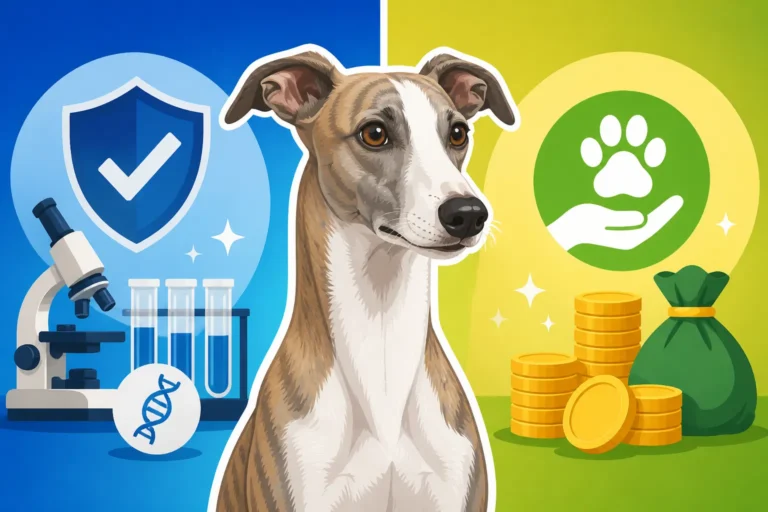
The most significant factor influencing the cost is the depth and breadth of the panel you select. You can find everything from basic breed identification tests to comprehensive health screenings that look for hundreds of genetic markers. A simple ancestry test, which just tells you what breeds are in your dog, will naturally be on the lower end of the cost spectrum. These are great if you're primarily curious about your Whippet's heritage or want to confirm their purebred status.
Moving up the scale, you'll find panels that combine ancestry with a limited number of common genetic health screenings. These often target a handful of well-known genetic diseases specific to certain breeds or common across many. Then there are the truly comprehensive panels, sometimes called "full genetic health screenings" or "wellness panels." These delve deep, testing for hundreds of potential conditions, from specific muscle disorders like those related to Bully Whippet Syndrome and the Myostatin Gene Behind It to various eye diseases, blood disorders, and more. These extensive tests represent a more significant investment, but they also provide the most complete picture of your Whippet's genetic health.
Choosing the right panel depends entirely on your goals. Are you just curious, or are you concerned about a specific health issue that runs in your dog's line? Do you want to screen for everything possible, or just the most critical conditions for Whippets? The more detailed the information you seek, and the broader the range of conditions tested, the higher the cost will typically be.
The Testing Company and Its Services
Just like any other service, different companies offer different DNA panels with varying price points and service levels. Some companies are well-known, have extensive databases, and provide very detailed reports, often with genetic counseling resources. Others might be more budget-friendly but offer less comprehensive results or fewer support options. It’s not just about the raw data; it’s also about how that data is presented and interpreted for you.
When researching providers, consider what they offer beyond just the test itself. Do they have a user-friendly online portal for submitting samples and viewing results? Is their customer service readily available if you have questions about the process or the results? Some companies might also offer add-on services, such as a veterinary consultation to discuss the findings, which could affect the overall cost but add significant value. While I can't name specific prices, you'll see a range of options, from well-established laboratories specializing in canine genetics to more generalized consumer-facing brands that also offer pet products. For instance, when it comes to ordering supplies or even some home collection kits, places like Chewy might be a convenient platform to explore options or acquire related items.
It's wise to read reviews and compare not just prices, but also the reputation of the lab, the accuracy claims, and the level of support they provide. A slightly more expensive test from a highly reputable lab might be a better investment in the long run if it gives you clearer, more reliable information and better support in understanding it.
The Collection Method and Vet Involvement
How the sample is collected can also influence the overall expense. The most common method for consumer DNA tests is a cheek swab kit that you administer at home. These kits are usually included in the purchase price of the test itself, and you simply follow the instructions to collect cells from your dog's mouth and mail it back. This is generally the most cost-effective method for sample collection.
However, for some more advanced tests, or if you need certified results for breeding or show purposes, a veterinarian might need to collect a blood sample. Blood samples tend to yield higher quality DNA and are sometimes preferred by labs for certain types of analysis. If your vet is involved, you'll incur additional fees for the office visit and the blood draw itself. This can add a noticeable amount to the total cost. Furthermore, if you need the test results to be official for a registry, your vet might need to verify your dog's identity and send the sample directly from their office, adding administrative charges.
Think about the time and effort you're willing to put in, and whether the added cost of a vet visit is justified by the type of test you're getting and the purpose of the results. For a purely informational, at-home test, a cheek swab is often perfectly adequate and keeps costs down. For critical breeding decisions, however, the added expense and reliability of a vet-drawn blood sample might be a wise investment.
Breaking Down the Typical Costs Involved
Let's get a clearer picture of where your money actually goes when you invest in a Whippet DNA panel. It’s not always just a single number; there are often a few components that make up the final cost, some obvious and some less so. Budgeting for these elements will help you avoid any surprises.
The Base Price of the DNA Kit
The core of your expense will be the DNA kit itself, which includes the testing and analysis. As we discussed, these prices can vary widely based on the comprehensiveness of the panel. For a basic breed identification test, you might find options that are quite accessible. These typically provide a percentage breakdown of your dog's breed makeup and perhaps a few very general health insights.
As you move into health-focused panels, especially those that screen for specific diseases relevant to sighthounds, the cost will naturally increase. These tests are designed to look for particular mutations or genetic markers associated with conditions like What Myostatin Does in a Whippet or various inherited diseases. These panels often involve more sophisticated laboratory processes and a deeper level of genetic analysis, justifying the higher price point. If you opt for one of the truly exhaustive panels that covers hundreds of genetic markers and potential health predispositions, you're looking at a more significant investment, reflecting the extensive research and technology involved in such broad screening. It's truly a spectrum, and the "right" price depends on the level of detail you're seeking.
It's important to remember that these prices are for the genetic analysis itself. They cover the lab work, the interpretation of the genetic code, and the generation of your results report. Some companies might have sales or promotional offers, so it's always worth keeping an eye out, but don't compromise on the quality of the lab for a slightly lower price if you're looking for critical health information.
Additional Veterinary Fees
While many DNA panels are designed for at-home collection, there are scenarios where your veterinarian's involvement becomes necessary, adding to your overall expense. If you're opting for a blood sample collection, perhaps for increased accuracy or because the specific test requires it, you'll pay for the vet visit itself and a fee for the blood draw. This is standard practice, as your vet's time and resources are valuable. The cost for this can vary significantly depending on your geographic location and the specific veterinary clinic.
Furthermore, if you are a breeder or need certified results for registration with a kennel club or other official body, your veterinarian might need to perform a physical examination to verify your Whippet's identity, collect the sample, and then submit it directly to the lab with their official stamp. This process ensures the chain of custody and authenticity of the results, but it also comes with additional administrative fees from the vet's office. This is crucial for maintaining the integrity of breeding programs and ensuring that The Health Tests Both Whippet Parents Should Have are properly documented.
It's always a good idea to call your vet's office ahead of time to inquire about their fees for DNA sample collection or verification if you anticipate needing their assistance. This way, you can factor these potential costs into your budget and avoid any surprises. This is part of understanding What a Sighthound Vet Costs Over a Whippet's Life – sometimes it's preventative measures like this that save you money down the road.
Shipping and Laboratory Processing
Often overlooked in the initial cost assessment are the expenses associated with shipping your sample to the laboratory and the processing time involved. While many kits include a pre-paid return envelope, some might require you to pay for postage, especially if you opt for expedited shipping. Depending on where the lab is located, international shipping could also be a factor, incurring higher costs and potentially longer transit times.
Once your sample reaches the lab, there's the processing time itself. Some companies offer expedited processing for an additional fee, promising results faster than the standard turnaround time. If you're on a tight schedule or eagerly awaiting results for breeding decisions or a pressing health concern, this might be an extra cost you consider. Standard processing times can range from a few weeks to a couple of months, so patience is often a virtue.
These logistical costs, though seemingly small individually, can add up. Always check the fine print of the DNA kit you're considering to understand exactly what's included in the base price regarding shipping and whether there are options for faster processing and their associated charges. Planning for these details will give you a more accurate picture of the total investment.
Making Sense of the Results and What Comes Next
Getting your Whippet's DNA results back is an exciting moment, but it's not always the end of the journey. The information contained in those reports can be quite dense, and understanding its implications for your dog's health and life often requires further steps and considerations.
Interpreting Complex Genetic Information
When your results arrive, you might be faced with a report full of scientific terms, genetic markers, and risk percentages. For many pet owners, this can feel overwhelming. What does "heterozygous for a variant" really mean for your Whippet? How does a specific SNP (single nucleotide polymorphism) relate to their actual health? Understanding these nuances is crucial, and it’s perfectly normal to need help.
Many reputable DNA testing companies provide resources to help you interpret the results, such as detailed explanations of each condition, scientific references, and even customer support lines where you can speak to a genetic counselor. However, for a truly personalized understanding of what the findings mean for your specific dog, especially concerning health predispositions, a consultation with your veterinarian is invaluable. They can help translate the genetic jargon into actionable insights, considering your dog’s age, lifestyle, clinical signs, and overall health. They might compare the results with The Bloodwork Numbers That Look Wrong on a Healthy Whippet, for example, to see if there are correlations.
Don't hesitate to book a follow-up appointment with your vet to go over the report. This consultation itself might incur a fee, but it's an essential step in making the DNA panel a truly useful tool for your Whippet's care. It ensures you're not just staring at data but understanding how it applies to their real-world well-being.
Acting on Health-Related Discoveries
The primary goal of many DNA health panels is to identify predispositions to certain conditions, allowing for proactive management. If your Whippet’s DNA panel reveals they are a carrier or at risk for a specific health issue, this isn't necessarily a cause for panic, but rather a call to action. It means you can now work with your vet to create a targeted wellness plan.
This might involve more frequent screenings for that particular condition, dietary modifications, specific supplements, or adjustments to their exercise routine. For instance, if a panel suggests a predisposition to certain joint issues, you might start them on joint supplements earlier or adjust their activity levels to prevent injury, keeping in mind that Whether a Whippet Is More Fragile Than a Terrier sometimes comes as a surprise to new owners. If the results point to a metabolic issue, your vet might recommend a specialized diet. Brands like Ollie, which offer customized meal plans, could be a practical solution for specific dietary needs identified through genetic testing, allowing you to fine-tune their nutrition.
Furthermore, knowing about a predisposition can significantly impact how you approach routine vet visits or even emergency situations. If your Whippet is found to be sensitive to certain medications, you can ensure your vet is aware of this, which is particularly important for procedures requiring anesthesia, as sighthounds often need a Why a Whippet Needs a Sighthound Anesthesia Protocol. Investing in pet insurance, such as through Healthy Paws, can also be a wise move, as it can help cover the costs of any increased monitoring, diagnostic tests, or treatments that might arise from these genetic predispositions. This proactive approach based on DNA insights can lead to a longer, healthier, and happier life for your Whippet, even if it means some ongoing costs for specialized care or monitoring.
Comparative Overview of DNA Panel Considerations
To help you visualize the different aspects that go into the cost and value of a Whippet DNA panel, here's a table summarizing common considerations.
| Feature / Panel Type | Breed Identification Only | Health & Breed Panel (Limited) | Comprehensive Health & Breed Panel |
|---|---|---|---|
| Primary Purpose | Ancestry, purebred confirmation | Ancestry, common health predispositions | Full genetic health map, ancestry |
| Number of Conditions | N/A (focus on breed markers) | ~20-50 breed-specific diseases | 150-300+ diseases, traits, genetic risks |
| Cost Range (Shape) | Most affordable | Mid-range investment | Significant investment |
| Sample Collection | Typically home cheek swab | Home cheek swab, sometimes vet blood | Home cheek swab or vet blood (recommended for breeders) |
| Veterinarian Role | Minimal (optional for discussion) | Consult for health insights | Crucial for interpretation & action plan |
| Result Detail | Breed percentages, basic traits | Breed, health risks with explanations | In-depth genetic report, counseling options |
| Usefulness | Curiosity, basic verification | Proactive care, breeder screening | Advanced preventative care, breeding strategies |
| Time to Results | Shorter | Moderate | Longer (due to depth of analysis) |
This table provides a general overview, but specific offerings will vary by company. Always look closely at what each individual panel includes to make the best decision for your Whippet and your budget.
Disclaimer
This article is for general informational purposes only and does not constitute professional advice. Laws, prices and regulations vary by location and change over time. Consult a qualified professional for guidance on your specific situation.