What Vet Wrap and Supplies Cost a Whippet Owner
As a Whippet owner, you quickly learn that their delicate, unpadded skin is practically a magnet for nicks, scrapes, and tears. It’s an unavoidable part of living with these wonderful, zooming dogs, and it often means reaching for the first aid kit. This guide is all about navigating the costs and necessities of keeping a well-stocked vet wrap and supply kit, ensuring you're ready for those inevitable minor mishaps without panic or breaking the bank.
The Essential Whippet First Aid Kit: What You Really Need
Before we dive into the nitty-gritty of costs, let's talk about what absolutely needs to be in your Whippet's first aid kit. You don't need to be a fully qualified vet, but having the right supplies on hand can make a world of difference in those moments when your sleek streak of lightning comes trotting back with a new battle scar. Trust me, it happens to the best of us, usually from an innocuous-looking twig or a clumsy brush with a fence.
Core Wound Care Supplies
These are the absolute non-negotiables for any Whippet owner. Their thin skin means even minor cuts can bleed surprisingly heavily, and quick action is key to managing the wound before it escalates or gets infected. Think of these as your frontline defense.
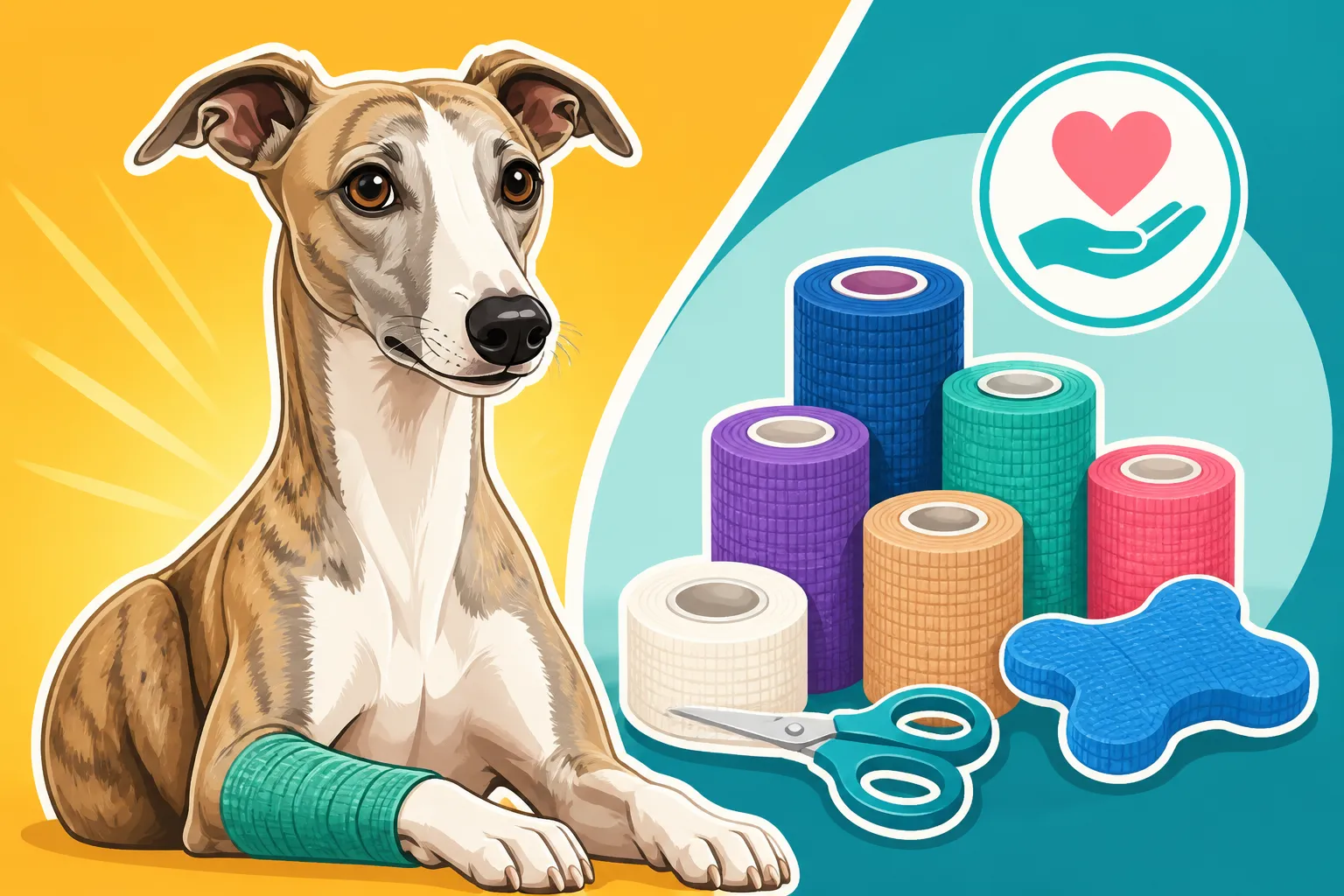
First up is, of course, vet wrap. This self-adhering bandage is a godsend for Whippets. It sticks to itself, not to their fine hair, which is a huge plus. It provides gentle compression to stop bleeding and holds other dressings in place. You’ll want a few rolls in different widths – maybe 2-inch for legs and 3- or 4-inch for broader areas like the chest or thigh. Pair this with non-stick gauze pads. These are crucial for covering the actual wound without sticking to it, which can be painful when removed and disrupt healing. I always keep a variety of sizes, from small squares for minor nicks to larger rectangular pads for more substantial scrapes. Medical tape, like paper tape or cloth tape, can be helpful for securing the edges of gauze or holding a non-stick pad in place before you apply the vet wrap. While vet wrap is self-adhering, tape provides an extra layer of security, especially if your Whippet is prone to wiggling or trying to investigate their bandage.
Another essential is an antiseptic wash or spray. Something like chlorhexidine solution (diluted, of course) or an iodine-based antiseptic can help clean the wound effectively, flushing out dirt and bacteria. Always check with your vet for the right dilution and product. Don't forget a blunt-nosed pair of scissors to cut bandages and tape safely, and sterile saline solution to gently rinse wounds. Sometimes, a clean stream of water from the tap is sufficient, but sterile saline is ideal for more sensitive areas or deeper wounds. Having clean examination gloves is also a wise idea to maintain hygiene and protect both you and your Whippet during wound care.
General Health and Safety Items
Beyond direct wound care, there are other items that should find a permanent home in your Whippet's first aid kit. A good thermometer (rectal is most accurate for dogs, unfortunately!) is vital for checking for fever, especially if your Whippet seems under the weather. Tweezers are indispensable for removing thorns, splinters, or ticks – common issues for an active Whippet. A small bottle of hydrogen peroxide is useful for inducing vomiting only under direct veterinary instruction if your dog has ingested something toxic. Never do this without a vet's guidance, as it can cause more harm than good in some situations.
Your vet might also recommend a pet-safe antibiotic ointment for minor cuts, though anything beyond a superficial scrape should really be seen by a professional. Pain relief is another area where veterinary guidance is paramount; never give human painkillers to your dog. Always have your vet's emergency number, the number for an after-hours emergency clinic, and even the poison control hotline readily available. A pen and small notepad can be helpful for jotting down instructions or observations for the vet. A blanket or towel, specifically for wrapping a shivering or injured Whippet, is also a thoughtful addition – their lack of body fat makes them prone to getting cold quickly, especially if they're in shock or pain. Warming a Whippet During Surgery is a good example of why warmth is so important for this breed.
Breaking Down the Costs: From Bandages to Antibiotics
The good news is that for basic first aid, the individual items themselves aren't usually budget-busters. The cost tends to add up more through frequent replenishment or emergency vet visits for more serious injuries.
The Lowdown on Common First Aid Supplies
Let's talk numbers, or at least the general shape of them since specific prices can fluctuate. Vet wrap is relatively inexpensive, often found for just a few dollars a roll, especially when bought in multipacks. A pack of six rolls might set you back less than the cost of a fancy coffee. Gauze pads and medical tape are similarly affordable, usually just a few dollars for a decent supply. Antiseptic solutions and sterile saline are also quite budget-friendly, often under ten dollars each. You can stock up on these basics without feeling a pinch in your wallet. Many owners find great deals on bulk vet wrap, gauze, and tape through online retailers like Chewy, which can significantly reduce the per-unit cost over time. Keeping a close eye on sales and buying larger quantities can save you a surprising amount.
A good pair of blunt-nosed scissors and tweezers are usually a one-time purchase, perhaps in the ten to twenty dollar range for quality that lasts. A digital rectal thermometer is usually around ten to fifteen dollars. These items are investments that will serve you for years.
The Real Cost Drivers: Vet Visits and Prescriptions
Where costs can really climb is when that innocent-looking skin tear or puncture wound requires a trip to the vet. A simple laceration might just need cleaning and a few stitches. However, even a minor stitch-up can involve a consultation fee, local anesthetic, the cost of the sutures, and possibly a recheck appointment. What a Whippet Laceration Repair Costs can give you a better idea of these expenses. If the wound is deeper, requires more extensive cleaning, or gets infected, the bill can quickly escalate. Antibiotics, prescribed by your vet, are another variable cost. They can range from moderately priced generic options to more expensive specialized medications, depending on the type of infection and the medication needed.
If your Whippet is particularly anxious or the injury is in a sensitive area, sedation might be necessary for the vet to properly clean and close the wound. What Sedation Adds to a Whippet's Wound Repair is a critical consideration here. Sighthounds, including Whippets, require a specific anesthesia protocol due to their unique physiology, which means careful monitoring and specific drug choices, potentially adding to the overall cost. This is why having pet insurance can be a game-changer. Providers like Healthy Paws often cover unexpected accident and illness costs, including emergency vet visits, sutures, and prescription medications, which can provide immense peace of mind.
Here's a quick look at typical ranges for common first aid supplies:
| Item | Typical Cost Range (per item/pack) | Notes |
|---|---|---|
| Vet Wrap (self-adhering) | $3 – $15 | Varies by width, length, and pack size; bulk is cheaper |
| Non-Stick Gauze Pads | $5 – $20 | Varies by size and quantity; essential for wound coverage |
| Medical Tape | $3 – $10 | Paper, cloth, or adhesive tape for securing dressings |
| Antiseptic Wash/Spray | $8 – $20 | Chlorhexidine or iodine-based; always check dilution |
| Sterile Saline Solution | $5 – $15 | For rinsing wounds; can often use tap water for superficial cuts |
| Blunt-Nosed Scissors | $10 – $25 | Durable, safe for cutting bandages around your dog |
| Tweezers | $5 – $15 | For splinters, thorns, ticks |
| Digital Thermometer | $10 – $20 | Rectal thermometer for accurate temperature checks |
| Examination Gloves | $5 – $15 | Box of disposable gloves for hygiene |
| Hydrogen Peroxide | $2 – $5 | Only for vet-instructed induced vomiting; check expiration |
| Total for Basic Kit | $51 – $140 | Initial setup cost; doesn't include vet visits or prescriptions |
Note: These are estimated cost ranges for individual items and can vary widely based on brand, retailer, location, and sales.
Smart Shopping: Where to Find Your Whippet's Supplies Without Breaking the Bank
Knowing what you need is one thing, but knowing where to get it for a reasonable price is another. You want quality without overpaying, especially since some of these items will be used in a pinch.
Online Retailers vs. Local Stores
Online retailers are often your best friend for stocking up on basic first aid supplies. Sites like Chewy, Amazon, and others dedicated to pet supplies frequently offer competitive pricing, especially for bulk purchases of vet wrap, gauze, and other disposables. You can often find multipacks that drastically reduce the cost per item compared to buying single units. Plus, the convenience of having it delivered right to your door means you can always have a backup supply without an extra trip out. However, always ensure you're buying from reputable sellers to avoid counterfeit or expired products, especially for medical items.
For more immediate needs, or if you prefer to see products in person, your local pet store, pharmacy, or even a large general merchandise store can be good options. Pharmacies often carry human-grade gauze, tape, and antiseptics that are perfectly safe and sometimes more affordable than their "pet" labeled counterparts (just double-check ingredients and discuss with your vet). Your veterinarian's office will, of course, have all these supplies, but they might be priced slightly higher for convenience, especially if you're buying a single roll of vet wrap in an emergency. It's always a good idea to build your core kit ahead of time so you're not scrambling when an injury occurs.
Utilizing Subscriptions and Deals
Many online pet supply retailers offer subscription services where you can save a percentage on recurring orders. While most first aid supplies aren't a weekly need, you could consider subscribing to items like antiseptic wipes or certain types of gauze if you find yourself using them frequently due to a particularly adventurous Whippet! Keep an eye out for seasonal sales and promotions. Black Friday, Cyber Monday, and even smaller holiday sales can be excellent times to stock up on non-perishable first aid items. Signing up for email newsletters from your favorite pet supply stores can alert you to these deals.
Remember, a healthy Whippet is generally less prone to severe, recurring issues that require constant first aid. While it's not a direct first aid supply, investing in high-quality nutrition, perhaps even considering options like Ollie for fresh, human-grade food, can support overall skin health and immune function, which in turn aids in faster healing should an injury occur. This might sound tangential, but a dog with a robust immune system and healthy skin is better equipped to handle minor trauma and recover quickly, potentially reducing the need for more intensive veterinary intervention and associated costs. What a Whippet Needs Every Day includes proper nutrition, and this holistic approach contributes to fewer incidents requiring emergency supplies.
When to DIY vs. When to Call the Vet: Understanding Your Limits
This is perhaps the most crucial aspect of managing your Whippet's first aid costs and well-being. Knowing when you can handle something at home and when it's absolutely necessary to seek professional veterinary care is paramount. Over-treating a minor issue can be costly and stressful, while under-treating a serious injury can have dire consequences.
Recognising What You Can Handle
Minor scrapes, superficial cuts that aren't bleeding profusely, or small punctures that don't appear deep can often be managed at home. This involves gentle cleaning with saline or diluted antiseptic, applying a non-stick gauze pad, and securing it with vet wrap. Keeping the wound clean and dry, and monitoring it daily for signs of infection (redness, swelling, pus, foul odor, increased pain), is key. Changing the dressing regularly (once or twice a day) is also important. If your Whippet is limping slightly but can bear weight, or has a minor soft tissue bruise, rest and observation might be appropriate.
You might also be able to handle things like removing a visible tick with tweezers or cleaning a paw pad after a walk. Learning how to properly Clean and Dress a Whippet's Cut can empower you to manage these smaller incidents. The goal is always to prevent infection and facilitate healing without causing further stress or harm. Knowing your Whippet's temperament is important too; some will tolerate home care much better than others.
Signs It's Time to Call the Professional
There are clear indicators that a situation has moved beyond home care. Any deep puncture wound, especially if it's from another animal, absolutely warrants immediate veterinary attention due to the high risk of infection. Wounds that are bleeding heavily and don't stop after 5-10 minutes of direct pressure, or those that are wide open and clearly require sutures to close, are also emergency situations. If your Whippet is in obvious pain, unwilling to put weight on a limb, or seems lethargic and unwell after an injury, don't hesitate.
Signs of infection, such as significant swelling, warmth to the touch, pus, or a spreading redness around the wound, mean it's time for professional help and likely antibiotics. Fever (over 102.5°F or 39.2°C) is another red flag. Remember that a Whippet's thin skin is easily compromised, and what might seem like a small tear could expose underlying tissue, making them more susceptible to serious complications. When a Whippet's Wound Needs a Vet is a topic every Whippet owner should understand fully. It's always better to err on the side of caution and get a professional opinion, even if it's just a quick phone call to your vet or an emergency clinic for advice. They can help you determine if an office visit is necessary or if you can continue monitoring at home.
Disclaimer
This article is for general informational purposes only and does not constitute professional advice. Laws, prices and regulations vary by location and change over time. Consult a qualified professional for guidance on your specific situation.