Whether a Whippet Outgrows Its Coats
It's a common dilemma for new Whippet owners: you see your graceful, gangly puppy, and you know they'll need a wardrobe to keep them warm, but the thought of investing in several expensive coats they'll quickly outgrow can be really disheartening. It feels like you're constantly chasing their growth spurts, trying to find something that fits just right without breaking the bank. This guide will dive deep into a Whippet's growth patterns and their unique body shape, helping you understand when and why they might outgrow their coats and how to navigate their wardrobe changes from puppyhood to adulthood.
Why a Whippet's Unique Physique Demands Special Coat Considerations
Let's face it, Whippets aren't built like your average dog. They're a breed sculpted for speed and agility, and that means they have a very specific body composition that impacts almost every aspect of their care, especially when it comes to keeping warm. Unlike many other breeds with dense undercoats or a good layer of fat, Whippets are famously lean, possessing minimal body fat and very thin skin. This isn't just an aesthetic; it's a fundamental biological characteristic that makes them highly susceptible to cold.
Think about it this way: their bodies are designed to dissipate heat efficiently during intense bursts of running. While fantastic for a sprint, it means they struggle to retain warmth when temperatures drop, or even when they're just lounging indoors in a drafty spot. Their short, fine coats offer little to no insulation against the elements. A brisk autumn walk, a chilly evening in the park, or even a sudden drop in indoor temperature can have your Whippet shivering uncontrollably. This isn't just about comfort; prolonged exposure to cold can stress their system. This is why the question of A Whippet Has No Insulation and No Padding is so crucial to their daily well-being.
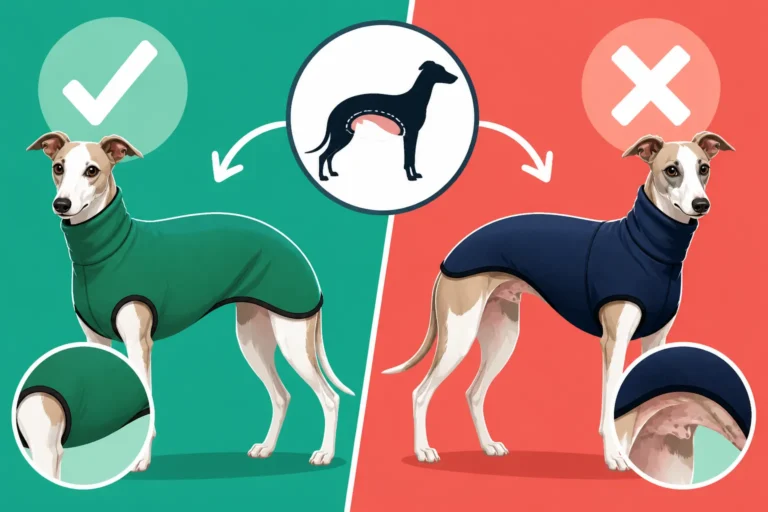
Moreover, their distinctive sighthound shape – deep chest, narrow waist, and arched back – makes finding off-the-rack coats a perennial challenge. A coat that fits snugly around their chest might gape around their slender belly, letting cold air in. One that's long enough to cover their hindquarters might be too loose in the neck or shoulders. This isn't just a matter of style; a poorly fitting coat can restrict movement, rub their delicate skin raw, or simply fail to provide the warmth they desperately need. It's a constant balancing act between function, fit, and cost, especially when they're growing so rapidly.
Understanding Whippet Growth Stages and Coat Sizing
Navigating the growth of a Whippet puppy is a journey filled with adorable awkwardness and surprisingly rapid changes. Much like a human teenager, they seem to sprout overnight, and that perfectly fitting coat you bought last month suddenly looks like a crop top. Understanding these distinct growth stages is key to smart coat shopping.
The Rapid Puppy Growth Spurt
From about eight weeks to six months, Whippet puppies are on a mission to grow. They gain height and length at an incredible pace, often looking leggy and a bit uncoordinated as their bodies try to keep up with their rapidly lengthening bones. During this period, their chest depth also increases significantly, though they retain a relatively slender, puppy-like frame. Investing in multiple expensive coats during this phase can feel like throwing money away.
Imagine buying a bespoke winter coat for a six-month-old, only for them to be swimming in it, or worse, busting out of it by nine months. This is exactly what happens with Whippets. Their bodies are changing so dynamically that what fits at three months will almost certainly be too small at six months, and definitely too snug by nine months. Many owners opt for more affordable, adjustable coats during this period, or even clever layering with old sweaters. Some even turn to places like Chewy for a wide range of more budget-friendly options that can be replaced without too much financial sting. The focus here isn't on longevity of the garment, but on keeping them warm through the fastest period of their development.
The Awkward Adolescent Phase
Between six months and typically eighteen months, your Whippet will transition into adolescence. While the explosive growth of early puppyhood slows down, they continue to fill out and mature. Their musculature develops, their chest deepens further, and their overall frame widens slightly. This is often the trickiest period for coats because they're not quite an adult size, but they're no longer growing at a predictable rate. A coat that fit them at eight months might still technically fit at twelve months, but it could start to feel tight across the chest or short in the body, especially if they're particularly active.
This stage is when you really start to see their unique sighthound proportions solidify. The deep chest and pronounced tuck-up become more defined, making generic dog coats even more challenging. You might find a coat that fits their length but is too baggy around their waist, or one that’s perfect around the chest but leaves their rear end exposed. This is often where owners consider their first "nicer" coat, hoping it will last them into adulthood. It's a gamble, as some Whippets have a final growth spurt around their first birthday, while others settle into their adult size earlier. When they reach The Age a Whippet Reaches Full Weight can vary slightly, so patience is key.
Settling into Adult Sizing
Most Whippets reach their full height and length by around 12 to 18 months, though they can continue to gain a little muscle and fill out their frame until they're closer to two years old. Once they've reached their mature size, usually around 18-24 months, you can confidently invest in higher-quality coats that should last for many years. At this point, you'll have a much clearer understanding of their specific measurements and how they carry their weight, which is invaluable for finding the perfect fit.
An adult Whippet's coat needs to offer maximum coverage and warmth without restricting their natural movement. This means ensuring it's long enough to cover their back to the base of the tail, deep enough to cover their chest and belly, and snug without being tight. This is also when some owners consider custom-made coats or brands specifically designed for sighthounds, which account for their unique dimensions. A well-fitting coat can truly make a difference to their comfort, especially if they are getting on in years and feeling the cold more acutely. Caring for an Old Whippet That Feels the Cold becomes even more important.
Factors Influencing Coat Fit Beyond Age
While age is a major factor in whether a Whippet outgrows its coats, it’s not the only consideration. Several other elements play a significant role, from individual genetics to the very design of the coat itself. Understanding these nuances can help you make more informed decisions when building your Whippet’s wardrobe.
Individual Growth and Genetic Variation
Just like people, no two Whippets grow exactly alike. While breed standards provide a general guideline for size and proportion, there's always individual variation within the breed. Some Whippets might be on the smaller end of the spectrum, maturing earlier and maintaining a more petite frame. Others might be larger, taking longer to fill out or ending up at the upper end of the height and weight range. This genetic lottery means that your friend's Whippet might have stopped growing at 10 months, while yours continues to add an inch or two until 18 months.
Consider the parents of your Whippet if you have that information. Are they particularly large or small for the breed? This can give you a clue about your puppy's potential adult size. The rate at which they grow can also influence coat longevity. A puppy that has a slow, steady growth curve might get more wear out of a coat than one that experiences dramatic, sudden spurts. This unpredictability is a primary reason why many owners delay investing in premium, custom coats until their Whippet is definitively an adult.
Breed Standard vs. Real-World Whippet Builds
The American Whippet Club and other kennel clubs have a breed standard that outlines the ideal Whippet physique, including height, weight, and conformation. While this standard is crucial for breeders and show dogs, real-world Whippets, even those from excellent lines, can have slight variations that affect coat fit. For instance, some Whippets might have a slightly longer back than average, while others might have a more pronounced arch or a particularly deep chest.
Generic dog coats are often designed for breeds with more "standard" proportions—think Labrador Retrievers or Beagles. These breeds typically have less extreme tuck-ups, broader chests in proportion to their length, and a more uniform body shape. A standard-sized coat often won't drape correctly on a Whippet, leading to gaps, tightness, or simply poor coverage. This is why sighthound-specific brands have emerged, recognizing the need for designs that accommodate that deep chest, slender waist, and arched back. Without such a design, even a coat that technically fits the length might fail to keep your Whippet truly warm where they need it most.
Coat Material and Construction
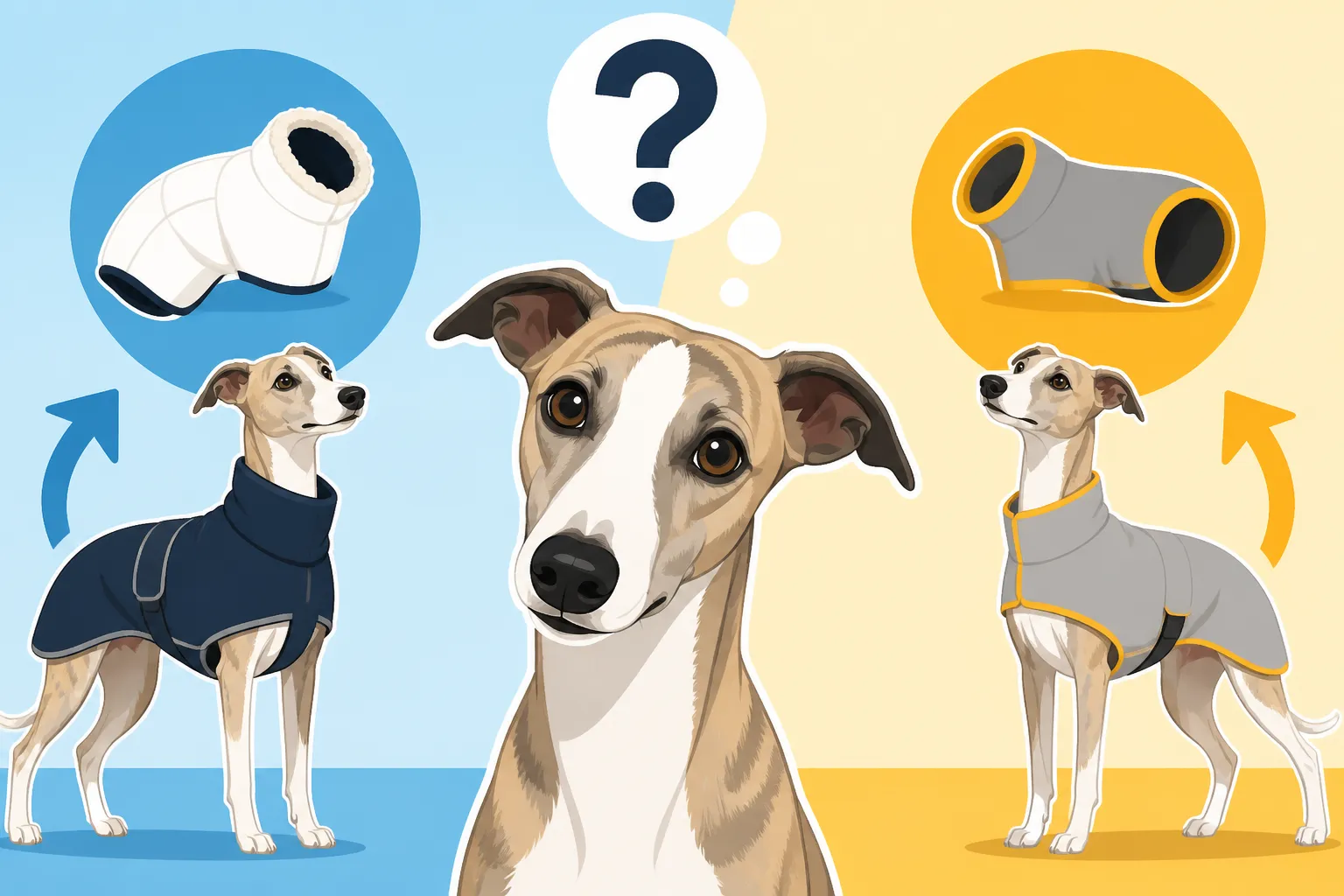
The material and construction of a coat also play a significant role in how well it adapts to a growing Whippet. Stretchy materials, like fleece or knit sweaters, offer a bit more forgiveness in terms of fit and can often accommodate slight changes in size as your puppy grows. A fleece pajama set, for instance, might stretch a bit as they fill out, giving you a few extra weeks or even months of wear.
In contrast, rigid materials like waxed cotton or stiff canvas coats offer less give. If these coats are not perfectly sized, they can quickly become uncomfortable or restrictive as your Whippet grows, even if it's only a small amount. Similarly, coats with minimal adjustability around the neck, chest, or belly will have a much shorter lifespan in a growing puppy's wardrobe. Look for features like adjustable buckles, elasticated sections, or multiple fastening points that allow you to customize the fit.
Consider also the durability. A well-made coat from a reputable brand will stand up to more wear and tear, and might even be designed with slightly more generous sizing to account for a bit of growth, or just for the natural variation in a sighthound's body. If you're buying online, perhaps from a larger retailer like Chewy, be sure to scrutinize the sizing charts and customer reviews, as other sighthound owners often share valuable insights on fit.
Smart Strategies for Outfitting Your Growing Whippet
Outfitting a growing Whippet doesn't have to be a constant financial drain. With a bit of strategic planning and a few clever approaches, you can keep your beloved companion warm and comfortable through every stage of their development without endlessly buying new garments.
Measuring Accurately and Regularly
This might sound obvious, but for a growing Whippet, regular and accurate measurement is your best friend. Don't rely on the "eye test" or assume they're still the same size as last month. Whippets are masters of subtle growth.
Here’s what you’ll want to measure:
- Back Length: From the base of the neck (where the collar sits) to the base of the tail.
- Chest Girth: The widest part of their rib cage, usually just behind their front legs.
- Neck Girth: Around the widest part of their neck.
Keep a log of these measurements every few weeks, especially during their first year. This will give you a clear picture of their growth trajectory and help you anticipate when they're about to outgrow a coat. When looking at sizing charts, pay particular attention to sighthound-specific brands or those that clearly state dimensions for deep-chested dogs. Don't be afraid to size up slightly if your puppy is in the middle of a growth spurt, opting for a coat that's a little roomy but still safe and functional. It's often better for a coat to be a touch large than too tight, which can cause discomfort or even rub against their The Thin Skin That Sends a Whippet to the Vet for Stitches.
Investing Wisely in Quality and Adjustability
While it's tempting to buy several cheap coats, a smarter approach involves investing in a few key pieces that offer both quality and adjustability. For puppyhood, you might stick to more affordable fleece options or even repurposed human baby clothes (carefully modified, of course) that offer warmth and are easily replaceable.
As your Whippet enters adolescence and starts to solidify their build, consider a more durable, adjustable coat that can see them through that in-between stage. Look for coats with:
- Velcro closures or adjustable buckles around the chest and belly.
- Elasticated necklines or leg straps for a snugger fit without restriction.
- Good quality materials that can withstand washing and wear.
Once your Whippet reaches full maturity, usually around 18-24 months, that’s when you can truly invest in a high-quality, sighthound-specific coat that will fit them perfectly for years. These might come from specialist boutiques or even independent crafters who understand the Whippet physique inside and out. These coats often have thoughtful design elements, like tailored chest panels and contoured back shapes, that make all the difference. While the upfront cost might be higher, the longevity and superior fit often make them more economical in the long run.
| Growth Stage | Typical Age Range | Growth Characteristics | Coat Sizing Considerations |
|---|---|---|---|
| Puppy | 2-6 Months | Rapid length & height | Opt for adjustable, affordable; prioritize warmth over perfect fit; expect to replace frequently. |
| Adolescent | 6-18 Months | Filling out, chest deepening | Look for quality with good adjustability; may last through end of growth or need one more size up. |
| Adult | 18+ Months | Full size & muscle tone | Invest in high-quality, sighthound-specific or custom coats for long-term wear; measure precisely. |
Considering Second-Hand and DIY Solutions
The Whippet community is incredibly supportive, and many owners understand the coat dilemma. Don't shy away from exploring second-hand options. Online sighthound groups or local rescue organizations are often great places to find gently used coats that a puppy has outgrown. You might score a fantastic quality coat for a fraction of the price, extending its lifespan and saving you money.
Another option, if you're a bit handy, is DIY. For colder indoor days, an old sweater or a fleece blanket can be easily modified into a simple, temporary coat. There are many patterns and tutorials online specifically for sighthound shapes. While these might not be suitable for extreme weather or rough outdoor play, they can certainly provide extra warmth around the house or for short potty breaks.
Finally, remember that good nutrition, like that offered by high-quality foods from brands like Ollie, supports healthy growth and coat condition. And just like their coats, unexpected vet visits can arise, so having pet insurance from providers like Healthy Paws can give you peace of mind for all aspects of your Whippet's health journey. By combining smart shopping, careful measuring, and a bit of community wisdom, you can keep your Whippet comfortably clad through every stage of their wonderfully swift growth. How Many Coats a Whippet Actually Needs often feels like an endless question, but with these strategies, it becomes much more manageable.
Disclaimer
This article is for general informational purposes only and does not constitute professional advice. Laws, prices and regulations vary by location and change over time. Consult a qualified professional for guidance on your specific situation.