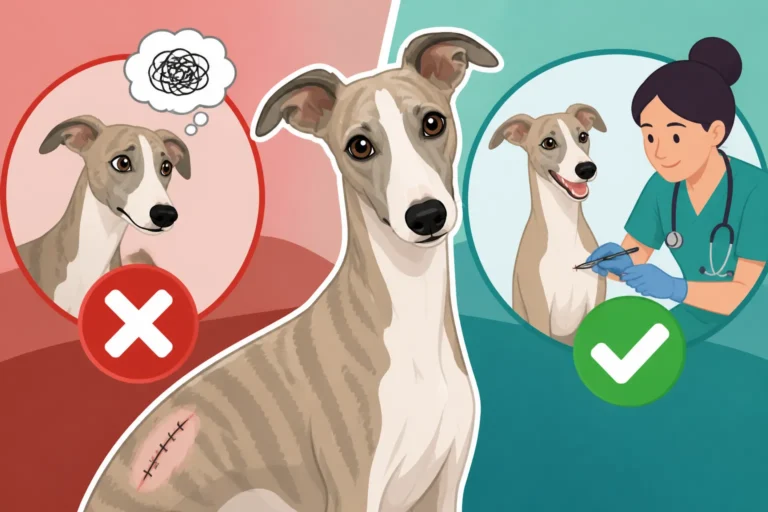
What Neutering a Whippet Costs
One of the most common questions new Whippet owners, or even those considering bringing a Whippet into their lives, grapple with is the cost of routine veterinary procedures. It's easy to feel overwhelmed by the unknowns, especially when it comes to something as significant as neutering. This guide will walk you through what to expect when budgeting for your Whippet's neuter surgery, from the specifics of the procedure itself to the often-overlooked factors that can influence the final bill, helping you feel more prepared and less stressed.
Understanding the Core Procedure: What Neutering Entails for a Whippet
When we talk about "neutering," it's a general term that covers both the surgical sterilization of male and female animals. For male Whippets, it's called castration, and for females, it's spaying. While both are routine procedures, they are still major surgeries that require careful planning and execution, especially for a sighthound like a Whippet. Understanding what each involves can help you appreciate the associated costs and care.
The Surgical Process for Male Whippets Castration
For a male Whippet, castration is a relatively straightforward procedure. The veterinarian makes a small incision, typically just in front of the scrotum, and removes both testicles. The spermatic cords are ligated (tied off) to prevent bleeding, and the incision is then closed with sutures, either internal or external. The entire process, from induction of anesthesia to recovery, usually takes less time than a spay surgery.
Recovery for male Whippets is often quicker and less complicated, though proper care is still paramount. You’ll need to monitor the incision site for swelling or discharge, and crucially, prevent your Whippet from licking or chewing at it. Most male Whippets are back to their usual selves within a week or two, though restricted activity is key during this initial healing period. Their sensitive sighthound skin means even a small amount of scratching or rubbing can cause irritation, so vigilance is important.
The Surgical Process for Female Whippets Spaying
Spaying a female Whippet, or ovariohysterectomy, is a more involved abdominal surgery. The veterinarian makes an incision, usually on the midline of the abdomen, through which the ovaries and uterus are removed. This procedure is more invasive than a male castration because it requires entering the abdominal cavity. Because of this, it typically takes longer and often requires a slightly longer recovery period.
The incision site on a spayed female Whippet will also need careful monitoring. As with males, preventing licking is critical to avoid infection or opening the wound. Whippets, with their lean build and often delicate skin, need extra care to ensure the incision heals cleanly. You might notice a slight dip in energy for a few days post-op, which is entirely normal. Keeping her calm and preventing jumping or strenuous activity for about two weeks is essential to allow the internal and external tissues to heal properly.
Why Sighthound Anesthesia Protocols Matter So Much
This is where Whippets truly stand out and why you can’t treat their anesthesia like just any other breed. Sighthounds, including Whippets, are notoriously sensitive to certain anesthetic drugs. They have very little body fat, which is crucial because many anesthetic agents are metabolized by fat. With less fat, these drugs stay in their system longer, leading to prolonged and potentially dangerous recovery times.
A skilled veterinarian familiar with sighthound anesthesia will use specific protocols designed to minimize risks. This often means using different drugs, lower doses, and meticulous monitoring throughout the procedure. For example, they might opt for Propofol, which is metabolized quickly regardless of fat stores, and avoid older drugs like thiobarbiturates that can linger in a Whippet’s system for far too long. Proper warming during surgery is also critical, as their lean bodies lose heat rapidly. You can imagine why a vet experienced in Why a Whippet Needs a Sighthound Anesthesia Protocol will likely factor this specialized care into their pricing. It’s not just about the drugs; it’s about the extra vigilance and knowledge required. For more on the risks involved, you might read about Why Anesthesia Is Riskier in a Whippet.
Factors That Influence the Cost of Neutering a Whippet
The price tag on neutering your Whippet isn't a fixed number you can just pluck from thin air. It's a spectrum, influenced by a variety of factors that range from where you live to the specific care your individual Whippet needs. Understanding these variables will give you a clearer picture of what to expect when you get quotes from veterinary clinics.
Geographical Location and Clinic Type
Just like real estate, veterinary costs can vary wildly depending on your geographical location. A clinic in a bustling metropolitan area, or one in an affluent suburb, often has higher overheads (rent, staff salaries, equipment maintenance) which are reflected in their service fees. Conversely, clinics in rural areas or those with lower cost-of-living might offer more budget-friendly rates.
Beyond location, the type of clinic plays a significant role. A state-of-the-art veterinary hospital with specialized equipment, 24/7 emergency services, and board-certified surgeons will naturally charge more than a smaller, privately owned general practice. Low-cost spay/neuter clinics, often subsidized by grants or non-profit organizations, represent another option. While these clinics perform high volumes of procedures at a lower price point, they may offer fewer personalized services or less extensive pre-surgical screening compared to a full-service clinic. You need to weigh the balance between cost and the level of care and personalized attention you want for your Whippet, especially considering their unique needs.
The Whippet's Age and Size
Generally speaking, younger, healthier Whippets tend to have lower neutering costs. The procedure is typically less complicated for a young dog who hasn't yet developed any underlying health issues. A mature adult Whippet, especially if they are older or have specific health concerns, might require more extensive pre-surgical testing or specialized care during and after the procedure, which adds to the overall cost. For example, an older female Whippet might have a larger uterus or more developed blood vessels, making the spay slightly more complex.
While Whippets are generally a medium-sized breed, individual size can also factor in, albeit less dramatically than with larger breeds. Very lean or small Whippets might require more precise anesthetic dosages and careful monitoring. Overweight Whippets, though less common for the breed, can also present additional surgical challenges. Your vet will assess your Whippet's individual condition to determine the best and safest approach, which can sometimes influence the final cost.
Pre-Surgical Bloodwork and Other Diagnostics
This is a non-negotiable step for any responsible pet owner, and it's a component that adds to the cost but is absolutely worth it for your Whippet's safety. Pre-surgical bloodwork screens for underlying health conditions that might not be apparent during a physical exam. For instance, it checks organ function (liver and kidneys), blood cell counts, and clotting abilities. These tests are vital for ensuring your Whippet can safely undergo anesthesia and surgery, and for identifying any hidden issues that could lead to complications.
Given a Whippet’s sensitivity to anesthesia, comprehensive bloodwork is even more crucial. Some clinics might offer different tiers of pre-surgical blood panels, ranging from basic screenings to more extensive diagnostics. Discuss these options with your vet to understand what they recommend for your Whippet specifically. In some cases, especially for older Whippets or those with suspected heart murmurs (which are common in athletic sighthounds), additional diagnostics like an ECG or chest X-rays might be recommended to further assess cardiac and respiratory health before anesthesia. This is directly related to making sure your Whippet's unique physiology is taken into account. Asking Whether a Whippet Needs Pre Anesthetic Bloodwork is a good first step in this conversation.
Additional Medications and Post-Operative Care
The cost of neutering doesn't stop once the surgery is over. Post-operative care, including medications and supplies, is a critical part of ensuring a smooth recovery. Your Whippet will likely go home with pain medication to keep them comfortable during the initial healing phase. This might be oral tablets or a liquid medication, and the type and duration of the prescription will affect the cost.
Antibiotics might also be prescribed, especially if there's any concern about infection, or as a preventative measure. Beyond medications, you'll need to consider an Elizabethan collar (the infamous "cone of shame") or a recovery suit to prevent your Whippet from licking or chewing at their incision. Many clinics provide a basic cone as part of the package, but you might opt for a softer, more comfortable inflatable collar or a surgical suit from a pet supply retailer like Chewy, which can be an additional expense. Remember, the delicate skin of a Whippet, as discussed in The Thin Skin That Sends a Whippet to the Vet for Stitches, means preventing irritation or reopening is paramount.
Breaking Down the Typical Cost Components
When you get a quote for neutering your Whippet, it’s rarely a single, all-inclusive figure. Instead, it’s a breakdown of several different services, each contributing to the total. Understanding what these components are will help you interpret your vet’s estimate and ask informed questions, ensuring you’re comfortable with the care plan for your beloved sighthound.
The Base Surgery Fee
This is often the largest single component of the neutering cost and covers the actual surgical procedure itself. For male Whippets, it includes the cost of the surgeon's time, the use of the sterile operating room, the surgical instruments, and the materials used to remove the testicles and close the incision. For female Whippets, the base fee accounts for the more extensive abdominal surgery involved in removing the ovaries and uterus.
The base fee can vary significantly between clinics, and it often reflects the experience level of the surgical team and the quality of the facilities. A clinic that specializes in sighthounds or has a high level of surgical expertise may charge more, but that expertise is often worth its weight in gold when it comes to a Whippet's unique physiological needs. Don't be shy about asking exactly what is included in this base fee when comparing quotes. Sometimes, part of the pre-surgical care or basic post-op meds might be bundled in, while other times they are entirely separate line items.
Anesthesia Monitoring and Pain Management
This is a critical area where you absolutely do not want to skimp, especially with a Whippet. The cost of anesthesia goes beyond just the drugs themselves. It includes the highly trained veterinary technician who monitors your Whippet's vital signs throughout the entire procedure: heart rate, respiratory rate, blood pressure, oxygen saturation, and body temperature. This continuous monitoring is paramount for ensuring your Whippet remains stable and safe under anesthesia, particularly given their breed-specific sensitivities.
Pain management begins before, during, and after surgery. Pre-emptive pain medication helps ensure your Whippet is comfortable from the moment they wake up, leading to a smoother, less stressful recovery. The cost will cover the anesthetic agents used, the oxygen they breathe, and the pain relief medications administered during and after the surgery. For sighthounds, vigilant temperature regulation, like Warming a Whippet During Surgery, and careful drug choices like Propofol as a Whippet's Safer Option are part of this enhanced monitoring, and those extra steps are reflected in the cost. It’s an investment in their comfort and safety. You can also expect to discuss How Slowly a Whippet Wakes From Sedation with your vet, as their unique metabolism plays a role in the recovery process.
Cones, E-Collars, and Wound Care Supplies
After surgery, keeping your Whippet from licking, chewing, or scratching their incision is crucial for proper healing and to prevent infection. This is where the cost of an Elizabethan collar (E-collar), often called a "cone of shame," or a recovery suit comes into play. Most clinics will include a basic plastic E-collar in their post-operative care package, but if your Whippet is particularly sensitive or prone to anxiety, you might consider alternatives.
Softer E-collars, inflatable collars, or surgical recovery suits (like those you might find on Chewy, which offers a wide selection of pet supplies) are often more comfortable for Whippets, who are generally sensitive and appreciate comfort. These alternatives can be an additional out-of-pocket expense, but many owners find them worthwhile for their dog's comfort and their own peace of mind. Beyond the cone, you might also be sent home with antiseptic wipes or other basic wound care supplies. While seemingly small costs, they are vital for preventing complications and ensuring a healthy recovery for your Whippet's thin skin.
Potential Complications and Unexpected Expenses
While neutering is a routine procedure, no surgery comes without potential risks, and it's important to be prepared for the unexpected. Complications, though rare, can arise and lead to additional expenses. These might include:
- Infection: Despite sterile techniques, infections can sometimes occur at the incision site, requiring antibiotics or further veterinary attention.
- Suture Reactions: Some dogs can react to the internal or external sutures, causing irritation or swelling.
- Bleeding/Hematoma: In some cases, a small amount of bleeding or a hematoma (a collection of blood) can occur, which may require monitoring or a follow-up visit.
- Anesthetic Complications: Although rare with proper sighthound protocols, adverse reactions to anesthesia can happen, necessitating emergency medical intervention.
- Cryptorchidism: If a male Whippet has an undescended testicle (cryptorchidism), the surgery becomes more complex, requiring an abdominal incision similar to a spay. This significantly increases the cost.
While pet insurance (which we'll discuss next) can help mitigate the financial impact of such complications, it's wise to have an emergency fund set aside. Even a simple follow-up visit for a quick check on the incision, while often included, might incur a small recheck fee at some clinics. Always ask your vet about potential complications and their associated costs so you are not caught off guard. Thinking about emergencies like Whether Insurance Covers a Whippet's Emergency Stitches can give you an idea of how insurance helps with the unexpected.
Navigating Payment Options and Saving on Whippet Neutering
The cost of neutering a Whippet can feel like a significant financial outlay, but there are various avenues to make it more manageable. From leveraging pet insurance to exploring community programs, understanding your options can help ensure your Whippet gets the care they need without breaking the bank.
Pet Insurance and Elective Procedures
This is a big one, but it's crucial to understand the nuances. Pet insurance plans typically categorize neutering as an "elective procedure." This means that standard accident and illness policies usually do not cover the routine cost of the surgery itself. However, many pet insurance providers, like Healthy Paws, offer "wellness plans" or "preventative care packages" as add-ons to their main policies. These supplemental plans are specifically designed to help cover the costs of routine care, including neutering, vaccinations, and annual exams.
If you're considering pet insurance, it’s vital to enroll your Whippet before they are neutered. Insurance policies have waiting periods, and pre-existing conditions (which would include an un-neutered status if you wait too long) are almost never covered. While a wellness plan might not cover 100% of the neutering cost, it can significantly reduce your out-of-pocket expense. Even if the elective surgery isn't covered, having an accident and illness policy is invaluable for potential complications that might arise, as discussed earlier. Looking into What Insuring a Whippet Costs Monthly might be a good idea to understand the full scope of pet insurance for your Whippet.
Financial Assistance Programs and Low-Cost Clinics
For many pet owners, the cost of neutering can be a genuine barrier. Thankfully, numerous organizations and clinics are dedicated to making this essential procedure more accessible. Low-cost spay/neuter clinics exist in many communities, often run by non-profits or animal welfare groups. These clinics typically have a streamlined process and focus solely on sterilization, allowing them to offer services at a significantly reduced price compared to full-service veterinary hospitals.
Beyond dedicated low-cost clinics, some local animal shelters or humane societies may offer subsidized neutering programs, sometimes in partnership with local vets. Veterinary schools or teaching hospitals can also be a source of more affordable care, as they often have lower fees while providing excellent, supervised care. Additionally, national organizations like the ASPCA or regional animal welfare groups often have financial assistance programs or lists of resources for low-income pet owners seeking help with veterinary expenses. Don't hesitate to reach out to these groups in your area; they are there to help pets get the care they need.
Payment Plans and Vet Relationships
It’s always worth having an open and honest conversation with your veterinarian about payment options. Many veterinary clinics understand that large expenses can be a strain and are willing to work with clients. Some clinics offer their own in-house payment plans, allowing you to spread the cost over several months. This often requires a deposit upfront and then scheduled payments.
Another common option is third-party financing services, such as CareCredit or Scratchpay. These are essentially credit cards specifically designed for healthcare expenses, offering low-interest or interest-free periods if the balance is paid off within a certain timeframe. Before committing, always read the terms and conditions carefully to understand the interest rates and repayment schedules. Building a good relationship with your vet is key; they are often your best resource for navigating the financial aspects of your Whippet's care and ensuring they receive optimal health and well-being.
Here's a table to summarize potential cost factors:
| Factor | Impact on Cost (Generally) | Considerations for Whippets |
|---|---|---|
| Geographical Location | Higher in urban/affluent areas, lower in rural. | No direct Whippet-specific impact. |
| Clinic Type | Full-service Vet > Low-cost Clinic. | Low-cost may lack sighthound anesthesia expertise; prioritize quality. |
| Whippet's Age | Younger is less costly; older may require more prep. | Younger generally safer; older may need more pre-op screening. |
| Whippet's Sex | Male (castration) generally less than Female (spaying). | Spay is abdominal surgery, more complex. |
| Pre-Surgical Bloodwork | Adds to cost, but highly recommended. | Crucial for sighthounds due to anesthesia sensitivity. |
| Anesthesia Monitoring | Adds to cost, absolutely essential. | Elevated importance for Whippets; requires specialized drugs/staff. |
| Pain Medication | Included or separate; typically not a major cost. | Helps prevent stress on a sensitive breed during recovery. |
| E-collar/Recovery Suit | Included or separate purchase. | Thin skin means preventing licking is critical; consider comfortable alternatives. |
| Undescended Testicle (Male) | Significantly increases cost (abdominal surgery). | Not breed-specific, but an important consideration for males. |
| Pet Insurance (Wellness Plan) | Can offset costs if purchased before procedure. | Important for covering complications, even if not basic neuter. |
The Long-Term Financial and Health Benefits of Neutering Your Whippet
While the upfront cost of neutering can seem daunting, it's truly an investment in your Whippet's long-term health, happiness, and your financial peace of mind. Many owners focus on the immediate expense, but the benefits that unfold over the lifespan of your dog often far outweigh that initial cost.
Preventing Costly Health Issues Down the Road
One of the most compelling reasons to neuter your Whippet, from both a health and financial perspective, is the prevention of serious and often expensive medical conditions.
For female Whippets, spaying eliminates the risk of pyometra, a life-threatening uterine infection that requires emergency surgery and can be incredibly costly to treat, often far exceeding the price of a routine spay. It also drastically reduces the risk of mammary (breast) cancer, especially if done before their first heat cycle. Mammary tumors, if they develop, often require expensive surgical removal and potentially chemotherapy. Spaying also prevents ovarian and uterine cancers entirely.
For male Whippets, castration eliminates the risk of testicular cancer. It also reduces the incidence of prostate problems, such as benign prostatic hyperplasia (enlargement), and perianal tumors, which can be painful and require surgical intervention later in life. These are not just health benefits; they are significant financial protections against future veterinary bills that can quickly escalate into the thousands. The proactive measure of neutering is a small price to pay compared to emergency surgery for a serious illness. You might also want to explore The Full Cost of Fourteen Years With a Whippet to understand how these preventative measures contribute to overall savings over their lifetime.
Behavioral Benefits and Avoiding Unwanted Litters
Beyond health, neutering can offer substantial behavioral advantages for your Whippet and your household, which in turn can save you money and stress.
Neutered male Whippets are often less prone to roaming in search of females in heat, which drastically reduces their risk of getting lost, hit by a car, or involved in fights with other dogs – all scenarios that lead to potentially massive emergency vet bills. It can also decrease marking behavior (urination to mark territory) and aggression towards other males, making them more pleasant companions and reducing the need for costly behavioral training or interventions. While neutering isn't a magic bullet for all behavioral issues, it removes the hormonal drive behind many of them.
For females, spaying eliminates heat cycles altogether. This means no more messy discharge, no frantic male dogs hanging around your yard, and no accidental pregnancies. Preventing unwanted litters is not only responsible, but it saves you the significant financial burden of caring for a pregnant Whippet and then feeding, vaccinating, and finding homes for puppies. The cost of raising even a single litter, with all the associated veterinary care, food, and supplies, far surpasses the cost of a spay. It's a choice that reflects responsible pet ownership and contributes to a more harmonious home environment.
Quality of Life for Your Whippet
Ultimately, neutering often leads to a better quality of life for your Whippet. Without the constant hormonal fluctuations and drives, both males and females can often be calmer, more focused, and less prone to the anxieties or frustrations associated with reproductive instincts. A dog not driven by the urge to mate is often a dog more content to be a cherished family member, focused on their human companions and their daily routines.
This isn't to say an un-neutered Whippet can't be a wonderful pet, but neutering removes a layer of physiological complexity that can contribute to stress for both the dog and the owner. A healthier dog, free from the risks of reproductive cancers and infections, is also a dog likely to enjoy more comfortable, active years with you. It allows your Whippet to thrive as a beloved companion, focusing on playtime, cuddles, and companionship rather than the often-stressful demands of reproduction. Ensuring your Whippet is healthy and comfortable throughout their life is truly priceless.
Disclaimer
This article is for general informational purposes only and does not constitute professional advice. Laws, prices and regulations vary by location and change over time. Consult a qualified professional for guidance on your specific situation.