What a Pet Whippet Costs
Bringing a Whippet into your life is an incredible joy, but many prospective owners feel a knot of anxiety about the financial commitment involved. It's completely understandable to wonder about the true cost beyond the initial adoption fee, especially with a breed known for its unique needs like thin skin and a love for soft places. This guide aims to pull back the curtain on the actual expenses of owning a pet Whippet, from the moment they join your family through their long, happy life, helping you budget wisely and enjoy every moment with your sighthound without financial surprises.
The Initial Investment: Bringing Your Whippet Home
The very first hurdle for any aspiring Whippet owner is the initial cost of acquiring your dog. This isn't just a simple price tag; it encompasses how you choose to get your Whippet, the care they might need right away, and essential supplies to welcome them into your home.
Puppy Purchase Prices
If your heart is set on a Whippet puppy, prepare for a range of prices that can feel a bit daunting. Reputable breeders invest heavily in health testing, proper nutrition for the dam and puppies, and early socialization, which naturally reflects in their prices. You'll find that a well-bred Whippet puppy, from parents with clear health checks for common issues like cardiac health and eye diseases, and from a breeder who offers ongoing support, will command a higher price. These breeders are not just selling puppies; they're offering a commitment to the breed's health and welfare.
When researching, you might notice that factors such as the puppy's lineage (show lines versus racing lines), the breeder's reputation, and even the region you live in can all influence the final figure. Expect to pay a deposit, often non-refundable, to secure your spot for a puppy from a reputable breeder, and then the remainder upon pick-up. Always ask about the health guarantees and what exactly is included in the puppy's initial veterinary care, such as their first vaccinations and deworming. It's a significant outlay, but for many, the peace of mind that comes from a healthy, well-socialized puppy from a responsible source is worth every penny. For a deeper dive, check out our article on What a Whippet Puppy Costs.
Adoption Fees from Rescues
Opting to adopt an adult Whippet or Whippet mix from a rescue organization is often a more budget-friendly route for the initial acquisition, and incredibly rewarding. Rescue fees typically cover a portion of the expenses the rescue incurred for the dog's care, including spaying or neutering, up-to-date vaccinations, microchipping, and any necessary veterinary treatments or dental work. These organizations often pour significant resources into ensuring their dogs are healthy and ready for their forever homes.
While the adoption fee itself is usually lower than a breeder's puppy price, it's vital to remember that rescue dogs might come with their own set of needs, sometimes behavioral or health-related, which could lead to additional costs down the line. However, many rescues provide a wealth of information about the dog's history and temperament, helping you make an informed decision. Furthermore, the satisfaction of giving a deserving Whippet a second chance is truly priceless. You can find more information about rescue organizations and their processes in What a Whippet Rescue Charges.
Ongoing Monthly and Annual Expenses
Once your Whippet is home, the regular bills start rolling in. These are the costs that form the bedrock of responsible pet ownership and require careful budgeting.
Food and Nutrition
Whippets are relatively small dogs with a lean, athletic build, which means they generally don't eat as much as larger breeds. However, their high metabolism and active nature mean they need good quality, nutritious food to maintain their ideal weight and energy levels. The cost here can vary dramatically based on the type of food you choose. Premium kibble, often with specialized formulas for active dogs or sensitive stomachs, will naturally be more expensive than generic brands.
Many Whippet owners opt for high-quality dry kibble, while others prefer fresh food delivery services or raw diets, which can be considerably more costly but offer specific benefits for some dogs. You might find yourself experimenting a bit to see what agrees best with your Whippet's sensitive digestive system. Services like Ollie, for instance, offer customized fresh food plans that can be incredibly appealing for discerning eaters. Don't forget treats! Training treats, dental chews, and occasional indulgence add up. Setting up a recurring delivery for your chosen food through a retailer like Chewy can sometimes save you a bit and ensures you never run out. Our guide What Feeding a Whippet Costs Each Month offers a detailed breakdown.
Routine Veterinary Care
Regular veterinary check-ups are non-negotiable for keeping your Whippet healthy. Annual wellness exams, booster vaccinations, parasite prevention (flea, tick, and heartworm medication), and routine bloodwork are all part of the standard care package. Whippets, as sighthounds, sometimes have unique physiological characteristics that vets need to be aware of, which can sometimes mean specialized care. For example, their bloodwork numbers can look different from other breeds.
As your Whippet ages, these routine visits might become more frequent, or they may require additional diagnostic tests. Dental care, in particular, is an area where Whippets often need extra attention. Their narrow jaws can predispose them to crowded teeth and faster tartar buildup, leading to the need for professional dental cleanings under anesthesia, which can be a significant expense. Discussing preventative care with your vet can help mitigate some of these costs by addressing issues before they become major problems. Our article What a Whippet's Dental Cleaning Costs dives deeper into this specific expense.
Pet Insurance Premiums
Pet insurance is one of those expenses that feels optional until you desperately need it. For a breed like the Whippet, known for its thin skin and potential for lacerations, or for breeds that can develop cardiac issues later in life, insurance can be a financial lifeline. Policies can vary widely in coverage, deductibles, reimbursement percentages, and monthly premiums.
Many owners find that insurance, while an ongoing monthly cost, offers immense peace of mind. Imagine an emergency vet visit for a deep laceration that needs immediate surgical attention – a very common Whippet occurrence. Without insurance, that bill could easily run into the hundreds or even low thousands. With a good policy, a significant portion of that could be covered. Companies like Healthy Paws are popular choices, offering comprehensive coverage for accidents and illnesses. It's crucial to compare plans carefully and understand what is and isn't covered, especially regarding breed-specific conditions or pre-existing conditions. For more on this, read What Insuring a Whippet Costs Monthly.
Essential Gear and Home Comforts
Whippets might be minimalist in some ways, but when it comes to comfort and safety, they have specific requirements that translate into essential purchases.
Beds, Blankets, and Soft Surfaces
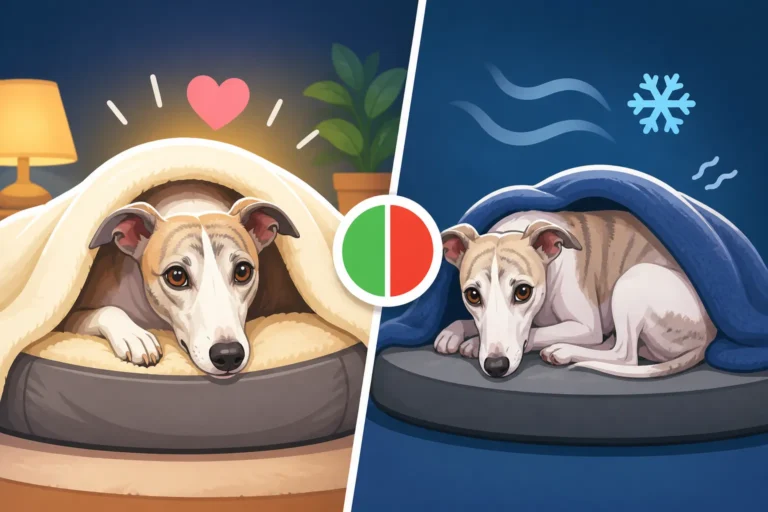
This is not a negotiable item for a Whippet owner; it’s a lifestyle! Whippets have very little body fat and thin skin, making them prone to pressure sores if they sleep on hard surfaces. This means you’ll need comfortable, well-padded beds in every room they frequent, and probably a few extra blankets for burrowing. Memory foam orthopedic beds are a popular choice to support their lean frames and protect their joints.
Don't be surprised if your Whippet views every soft blanket, pillow, or sofa cushion as fair game for nesting. Many Whippet owners find themselves constantly replacing or adding new beds and blankets to their collection. It's an investment in their comfort and health, preventing common issues like calluses on elbows and hips. If you're wondering how many you'll truly need, our article The Beds a Whippet Owner Keeps Buying might give you a laugh and some practical advice.
Whippet Apparel: Coats, Pajamas, and More
Due to their lack of a thick undercoat and minimal body fat, Whippets get cold very easily. This isn't just about fashion; it's about their well-being. A proper Whippet wardrobe is an absolute necessity in cooler climates, and even indoors for some sensitive individuals. This includes winter coats for walks, lighter fleeces or pajamas for lounging around the house in cooler temperatures, and perhaps even a waterproof raincoat for those drizzly days when they refuse to "potty" without protection.
Finding coats that fit a Whippet's unique physique – deep chest, narrow waist, tucked-up abdomen – can sometimes be a challenge, but many specialized brands cater to sighthounds. Expect to invest in a few different weight coats for various seasons and temperatures. While it might seem extravagant to have a dog with more clothes than some people, it's a critical part of keeping your Whippet comfortable and healthy, especially when outside. You can learn more about this in The Wardrobe a Whippet Needs Because It Has No Body Fat.
Collars, Leashes, and Crates
While perhaps not as exciting as a new coat, these are fundamental safety and training items. Whippets have slender, conical necks, which means a standard flat collar can easily slip off. A martingale collar, which tightens gently when pulled but loosens when slack, is highly recommended for walks to prevent escapes. Investing in a good quality, comfortable leash is also essential.
For many, a crate is an invaluable tool for house training, managing chewing, and providing a safe, quiet den for their Whippet. However, it needs to be made comfortable with soft bedding, again due to their lack of padding. A travel crate for car safety is also a wise purchase. While these items are generally one-time purchases or only need occasional replacement, quality matters for durability and your Whippet's safety and comfort.
Here's a quick overview of some common ongoing costs:
| Expense Category | Typical Frequency | Estimated Cost Range (Shape of Cost) | Notes |
|---|---|---|---|
| Food & Treats | Monthly | Moderate to Substantial | Varies greatly by brand, type (kibble, fresh, raw), and dog's size. |
| Routine Vet Care | Annually (or more) | Low to Moderate | Exams, vaccinations, deworming, heartworm/flea prevention. |
| Pet Insurance | Monthly | Low to Moderate | Varies by coverage, deductible, age, and location. |
| Grooming (Nail Trims) | Monthly | Very Low to Low | Can be DIY or professional. |
| Beds & Blankets | Annually/Bi-Annually | Low to Moderate | Replacements for wear and tear, or adding new comfort items. |
| Apparel (Coats, PJs) | As Needed | Moderate (initial), Low (replacements) | Essential for warmth, especially in colder climates. |
| Toys & Chews | Monthly/As Needed | Low | Keeps them entertained and mentally stimulated. |
| Training Classes | As Needed | Moderate (initial) | Puppy classes, obedience, or specialized training. |
| Licenses/Registration | Annually | Very Low | Required by most municipalities. |
Unexpected and Emergency Expenses
This is where the true test of a budget often lies. Even with the best preventative care, life with a Whippet can throw some curveballs.
Emergency Vet Visits and Laceration Repairs
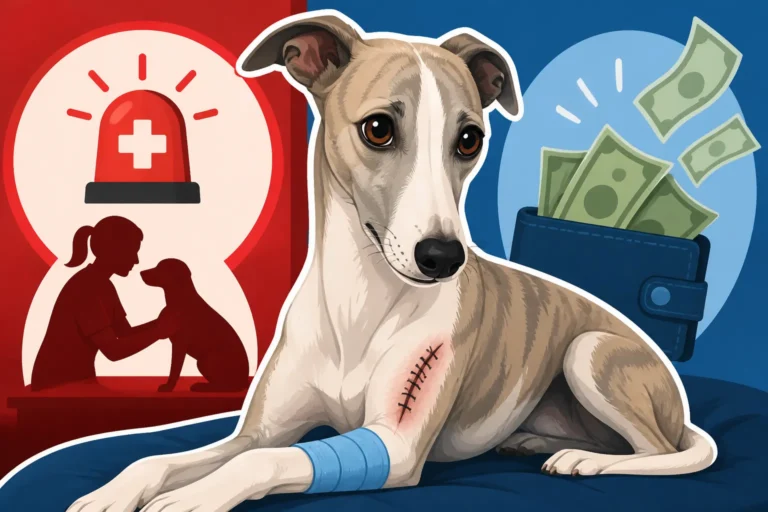
Whippets have incredibly thin, delicate skin that tears surprisingly easily. A seemingly innocuous brush against a rose bush, a playful tussle with another dog, or a misjudged jump can result in a deep laceration that requires immediate veterinary attention. We're talking stitches, pain medication, and sometimes even sedation. These emergency visits, especially if they happen after hours, can be incredibly expensive and often nobody budgets for them.
Having an emergency fund or robust pet insurance is paramount for Whippet owners. While you might try to be vigilant, these accidents often happen in a split second. Treating a Whippet's skin tear can range from a few hundred dollars for a minor wound to well over a thousand for a complex laceration requiring extensive closure and follow-up care. Knowing Emergency Stitches: the Whippet Bill Nobody Budgets For is a painful reality helps you prepare. It's also wise to have a basic first-aid kit on hand for minor scrapes, as detailed in Skin First Aid Every Whippet Owner Should Know.
Illnesses and Long-Term Conditions
While Whippets are generally a healthy breed, no dog is immune to illness. As they age, they can develop conditions such as mitral valve disease, which is what ends most old Whippets, or other age-related ailments like arthritis. Diagnosing these conditions can involve expensive tests like X-rays, ultrasounds, or echocardiograms, and managing them often requires ongoing medication and specialized diets.
Having to manage a chronic illness can significantly increase your monthly expenses. Regular medication for a heart condition or joint supplements for arthritis can quickly add up. This is another area where pet insurance can truly shine, helping to alleviate the financial burden of managing long-term health issues. It's important to discuss your Whippet's specific health risks with your vet, especially as they enter their senior years, which for a Whippet is typically around 10 years old. Caring for a Whippet past ten can involve more frequent vet visits and potentially higher medication costs.
Training, Enrichment, and Lifestyle Costs
Beyond the basics, there are costs associated with training, mental stimulation, and the activities that make life with your Whippet fulfilling for both of you.
Puppy Classes and Obedience Training
Even the smartest Whippet benefits immensely from formal training. Puppy classes are fantastic for socialization and learning basic manners, while obedience classes can help solidify good habits and strengthen your bond. Whippets can be sensitive souls, and positive reinforcement methods work best, building confidence without causing them to "shut down."
While you can certainly do a lot of training at home, professional classes provide structure, expert guidance, and a distraction-rich environment that helps proof your Whippet's skills. These courses typically involve an upfront fee for a multi-week session. For a deeper understanding of how Whippets learn, especially given their sensitivity, you might find How a Whippet Learns When It Bruises From Pressure insightful. Investing in training early can prevent costly behavioral issues down the line.
Toys, Chews, and Mental Stimulation
Whippets, despite their "couch potato" reputation, are intelligent dogs that need mental and physical enrichment. A good selection of toys, puzzle feeders, and appropriate chews helps keep them entertained and prevents boredom-induced destructive behaviors. While they might not be super chewers like some breeds, having a variety of toys helps keep them engaged.
The cost of toys and chews is usually a smaller, ongoing expense, but it's important not to skimp on quality. Durable toys last longer, and safe chews are essential for their dental health and to prevent injuries. Subscriptions boxes for dogs can also provide a regular supply of new and exciting items, keeping things fresh for your Whippet.
The Long-Term Financial Commitment
Looking at the big picture, owning a Whippet is a significant long-term financial commitment, often spanning 12 to 15 years.
Lifespan Costs and Savings
When you commit to a Whippet, you're looking at potentially a decade and a half of expenses. While the monthly costs might seem manageable, they accumulate into a substantial sum over their entire lifespan. Many savvy owners open a dedicated savings account for their Whippet's needs, contributing a small amount monthly. This can act as a buffer for unexpected emergencies or future age-related care, supplementing or even replacing pet insurance for some.
Planning for the eventual care of a senior Whippet is also important. As they age, their needs might change, including specialized diets, more frequent vet visits, potentially costly medications for conditions like Mitral Valve Disease in a Whippet, and additional comfort items like orthopedic beds or ramps. Thinking about the full financial picture for The Twelve to Fifteen Years a Whippet Lives helps you appreciate the true scope of your commitment.
Considering Future Companions
It's common for Whippet owners to eventually add a second Whippet to their family. They are, after all, pack animals who often thrive with canine companionship. While a second dog can bring immense joy, it also means doubling many of your expenses: food, vet bills, insurance premiums, and more beds!
While there might be some minor efficiencies (like buying bigger bags of food or using existing leashes), generally, a second Whippet represents a near-doubling of your pet-related budget. It's a wonderful decision for many families, but one that requires careful financial consideration to ensure both dogs receive the best possible care throughout their lives.
Disclaimer
This article is for general informational purposes only and does not constitute professional advice. Laws, prices and regulations vary by location and change over time. Consult a qualified professional for guidance on your specific situation.