What Fourteen Years With a Whippet Comes To
Bringing a beautiful, sleek Whippet into your life is an absolute joy, but let's be realistic: a dog isn't just a beloved family member, it's also a significant financial commitment. Many new owners, myself included, often underestimate the true cost beyond the initial puppy price, especially when thinking about the long haul. This comprehensive guide is here to shed light on what fourteen years with a Whippet can truly add up to, helping you budget wisely for every stage of your sighthound's wonderful life.
The Initial Investment: Bringing Your Whippet Home
That first leap into Whippet ownership often feels like a mix of pure excitement and a little bit of sticker shock. It's not just about the puppy itself; it's about setting them up for success and comfort in their new home. Understanding these upfront costs is crucial for a smooth start.
The Price Tag on a Whippet Puppy
The cost of a Whippet puppy isn't a fixed figure; it swings wildly depending on a myriad of factors. You might see prices ranging from a modest amount for a pet-quality puppy from a less established breeder, all the way up to a significant investment for a puppy from championship lines with extensive health testing and a stellar pedigree. Factors like the breeder's reputation, the puppy's lineage (whether for show, racing, or pets), and where you live can all play a role. It’s always tempting to go for the lowest price, but remember that a cheaper puppy might come from a breeder who skimps on vital health screenings, early socialization, or quality care, which could lead to far higher veterinary bills down the line. A responsible breeder will have invested in their dogs, which is naturally reflected in the price. It's worth researching What a Whippet Puppy Costs thoroughly to understand what goes into those numbers.
When you're looking at puppies, be prepared for breeders to ask for non-refundable deposits to hold your chosen pup. This is standard practice. Many reputable breeders also include a health guarantee with their puppies, which is a valuable safety net, though it typically covers specific genetic conditions for a limited time. Beyond the initial purchase price, there are often costs associated with transporting your puppy if the breeder isn't local, which could involve flight fees or significant fuel expenses for a long drive. These hidden travel costs can quickly add up, so factor them in when you're dreaming of bringing that little bundle of joy home.
Essential Startup Supplies and Gear
Once you've secured your puppy, the next wave of spending hits: preparing their living space. A Whippet, especially a young one, needs more than just food and water. Think about a comfy bed – and probably more than one! Whippets adore soft, plush bedding, and they'll likely need one for their crate, one for the living room, and perhaps another for the bedroom. You'll also need a crate, which serves as a safe den and is invaluable for house training. Food and water bowls, a collar and leash (a martingale collar is often recommended for their slender necks), and a selection of appropriate chew toys are all immediate necessities.
Beyond the basics, consider grooming tools like a soft brush and nail clippers, puppy pads if you're planning on using them for house training, and enzymatic cleaners for inevitable accidents. Don't forget safety gear, like a car harness or carrier for travel. While some items, like a crate, are a one-time purchase, others, such as beds and toys, will need replacing over the years. Stocking up on these essentials upfront can feel like a lot, but having everything ready makes the transition for your new Whippet much smoother and safer. Online retailers like Chewy can be a great resource for getting everything you need delivered right to your door, often at competitive prices.
Daily Life Essentials: Keeping Your Whippet Fed and Healthy
After the initial flurry of setting up, the ongoing rhythm of daily life with a Whippet brings its own set of regular expenses. These are the costs that form the bedrock of your annual budget for your beloved companion.
Fueling Your Sighthound: Food Costs
Whippets, despite their athletic build, are generally efficient eaters. They're not enormous dogs, so their food consumption isn't as high as, say, a Great Dane. However, the cost of their diet can vary dramatically based on your food choices. A good quality kibble will be the most economical option, but even within kibble, there's a wide range of prices reflecting ingredient quality. Some owners opt for fresh food diets, whether commercially prepared or homemade, which can elevate food expenses considerably. Brands like Ollie offer fresh, pre-portioned meals that can be a fantastic option for their health, but it's a premium choice. It's truly a personal decision based on your budget and your philosophy on canine nutrition.
Beyond their daily meals, don't forget treats! Training treats, dental chews, and special occasion goodies all add up. While Whippets are often described as being Why a Whippet Is Cheap to Feed and Expensive to Insure, the reality depends on the specific diet you choose and how many "extras" you spoil them with. Keeping an eye on their body condition is key, as a Whippet should always look lean, with a few ribs showing. Overfeeding, even with inexpensive kibble, can lead to health issues that are far more costly than premium food in the long run.
Routine Veterinary Care and Preventatives
Regular veterinary care is non-negotiable for a Whippet's health. Annual check-ups, vaccinations (often on a three-year rotation for core vaccines after the initial puppy series), and routine parasite prevention for heartworm, fleas, and ticks are all essential. These preventative measures are investments that help avoid much more serious and expensive health problems down the road. Depending on your region and your dog's lifestyle, some preventative treatments might be needed monthly, while others are seasonal.
As your Whippet ages, routine bloodwork might become a yearly recommendation to monitor organ function. These diagnostic tests, while an added expense, can catch issues early when they're most treatable. Dental care is another significant part of routine veterinary costs. Whippets, like many smaller breeds, can be prone to dental disease, and regular professional cleanings under anesthesia are often necessary. Each cleaning will incur a fee, and if extractions are needed, the cost climbs further. Staying on top of routine care is your best defense against unexpected health crises.
Grooming and Basic Hygiene
One of the great joys of Whippet ownership is their incredibly low-maintenance coat. They shed minimally, don't have an undercoat, and rarely develop that "doggy" smell. This means professional grooming appointments are generally unnecessary, saving you a considerable sum over their lifetime. A quick brush a couple of times a week with a soft bristle brush or a grooming mitt is usually all they need.
However, nail care is crucial. Whippets' nails grow quickly and, if not kept short, can become painful, affecting their gait and potentially leading to foot problems. You can learn to trim their nails yourself (and it's highly recommended!), but if you're uncomfortable or your dog is resistant, professional nail trims at the vet or a groomer are an option. Some Whippets might also require occasional ear cleaning, though their rose ears tend to be self-cleaning. Don't forget about regular tooth brushing at home to help prolong the time between professional dental cleanings. While these hygiene tasks are relatively inexpensive or free if done yourself, they require consistency and commitment.
The Whippet Wardrobe and Comfort: More Than Just Fashion
Anyone who shares their life with a Whippet quickly learns that their slender physique, minimal body fat, and fine coat mean they feel the cold deeply. This isn't just about fashion; it's about essential comfort and health.
Keeping Warm: Coats and Pajamas
A Whippet's lean build, with its characteristic lack of insulating fat and thin skin, means they absolutely need protection from the cold. This isn't just a suggestion; it's a necessity, especially if you live in a colder climate or even just have cool evenings indoors. You'll likely accumulate a collection of outerwear: a waterproof raincoat for dreary days, a warm fleece or lined coat for chilly autumn walks, and a heavy-duty winter coat for snowy adventures. Many owners also find their Whippets appreciate soft fleece pajamas for sleeping, especially during colder months or in air-conditioned homes. It's a running joke among Whippet owners how quickly their dog's wardrobe rivals their own! You might want to refer to The Wardrobe a Whippet Needs Because It Has No Body Fat for a deeper dive.
Beyond the practical necessity, finding coats that fit a Whippet's unique body shape – deep chest, narrow waist, tucked abdomen – can be a challenge. Many off-the-rack coats simply don't accommodate them well, leading to uncomfortable rubbing or inadequate coverage. This often means investing in higher-quality, specialty sighthound coats from brands known for their fit, which can be pricier than generic dog coats. While a single coat might seem like a small expense, building a functional, comfortable wardrobe for year-round weather and indoor coziness can certainly add up over the years.
Snuggle Central: Beds and Bedding
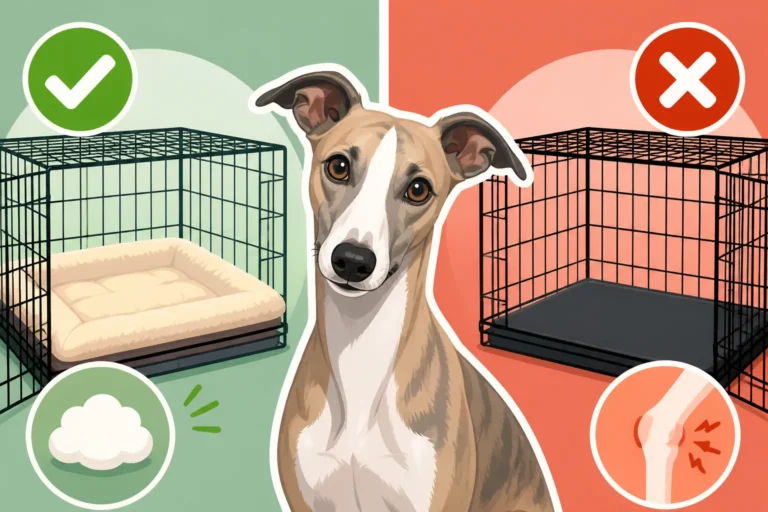
Whippets are master nappers and expert burrowers. They crave comfort, warmth, and softness, and a hard floor simply won't do for their bony frames. This means you'll be investing in high-quality beds, and probably multiple ones, strategically placed throughout your home. Think memory foam orthopedic beds for joint support, plush donut beds for burrowing, and sturdy crate pads. These aren't just luxuries; they're vital for preventing pressure sores on their prominent joints, like elbows and hips. If you've ever wondered The Beds a Whippet Owner Keeps Buying, you'll understand it's because they need comfort everywhere!
Beyond the initial purchase, beds are not a one-and-done expense. Over fourteen years, beds will wear out, get flattened, or occasionally be "redecorated" by an enthusiastic digger. You might find yourself replacing them every few years. Furthermore, many Whippets love to be covered, so a constant supply of blankets, throws, and towels for burrowing will also become part of your regular laundry cycle. Providing ample soft, warm sleeping spots is key to your Whippet's well-being and is a recurring, albeit delightful, cost of ownership.
Navigating Health Challenges: Anticipating the Unexpected
Even with the best preventative care, health issues can arise, and some expenses, particularly veterinary bills, can be unpredictable and substantial. Being prepared for these eventualities is a cornerstone of responsible Whippet ownership.
Pet Insurance: A Whippet Owner's Safety Net
Pet insurance can be a game-changer when it comes to managing the financial impact of unexpected illness or injury. Whippets, while generally a healthy breed with The Twelve to Fifteen Years a Whippet Lives, are not immune to accidents or developing conditions like Mitral Valve Disease Is What Ends Most Old Whippets. Policies typically cover accidents, illnesses, surgeries, medications, and sometimes even chronic conditions or emergency visits. The monthly premiums vary widely based on your Whippet's age, your location, the plan's deductible, reimbursement percentage, and annual limits.
While it adds a consistent monthly cost, pet insurance can offer immense peace of mind. Imagine facing an emergency situation, like a sudden injury or illness requiring extensive diagnostics and treatment, and knowing that a significant portion of the bill will be reimbursed. Without insurance, these situations can quickly lead to bills in the thousands, forcing difficult financial decisions. Many owners find that companies like Healthy Paws offer robust coverage, but it's essential to compare plans and understand exactly what is and isn't covered, including any waiting periods or pre-existing condition clauses.
Emergency Vet Visits: The Bills Nobody Budgets For
This is where the true financial challenge can hit hard and fast. Whippets are athletic dogs, and while their grace is undeniable, their zest for life can sometimes lead to scrapes and tumbles. Their thin skin is particularly vulnerable, and minor lacerations that might just need a bandage on another breed can easily become deep gashes requiring veterinary attention. You might be surprised at The Thin Skin That Sends a Whippet to the Vet for Stitches. These "Emergency Stitches: the Whippet Bill Nobody Budgets For" can range from a few hundred for a simple glued wound to significantly more if sedation, extensive cleaning, and multiple layers of sutures are needed, especially at an after-hours emergency clinic.
Beyond skin tears, Whippets can suffer from broken toes, muscle strains, or even more serious traumatic injuries. If your Whippet ever needs emergency surgery or hospitalization, the costs can escalate into the thousands very rapidly. These are the moments when pet insurance truly shines, but even with insurance, you'll still be responsible for your deductible and your co-pay. Having an emergency fund specifically for your Whippet's health, whether or not you have insurance, is a wise move to ensure you can always provide the best care when the unexpected happens. When discussing anesthesia, it's always wise to remember Why a Whippet Needs a Sighthound Anesthesia Protocol.
Senior Whippet Care: The Costs of Graceful Aging
As your Whippet gracefully enters their golden years (typically around eight to ten years old), their healthcare needs often shift and increase. Just like with people, older dogs tend to require more frequent vet visits. This might include twice-yearly check-ups to monitor for age-related conditions, more extensive blood panels, and specialized diagnostics for common senior ailments. Arthritis is a common concern, and managing it can involve regular pain medication, joint supplements, or even specialized therapies like laser treatments or acupuncture. This is a crucial time for Caring for an Old Whippet That Feels the Cold.
Many senior Whippets develop heart murmurs, and while some are benign, others may require cardiac workups, including echocardiograms, and potentially daily heart medications. Cancer, unfortunately, is also a concern for older dogs, and treatments like surgery, chemotherapy, or radiation can be incredibly expensive. Managing chronic conditions requires ongoing medication, specialized diets, and potentially more frequent veterinary consultations. While the love and companionship of a senior Whippet are immeasurable, the financial aspect of their specialized care can be substantial during their later years.
Enriching Lives: Training, Activities, and Travel
Whippets are more than just pretty faces; they're intelligent, sensitive, and incredibly athletic. Providing them with opportunities to learn, exercise, and explore the world alongside you is an essential part of their well-being, and these activities come with their own set of costs.
Unleashing Potential: Training and Socialization
Bringing a puppy home means embarking on a training journey. Puppy classes are highly recommended for early socialization and teaching foundational manners. These group classes typically involve a moderate fee for a multi-week course. Beyond puppyhood, you might opt for obedience classes, agility training, or even private sessions if you encounter specific behavioral challenges. While Whippets are intelligent and eager to please those they love, they can also be sensitive and require patient, positive reinforcement methods. Harsh training can cause them to shut down.
Even if you choose to do most of your training at home, you'll still invest in high-value treats and engaging toys to motivate your Whippet. Proper socialization, introducing your puppy to a variety of sights, sounds, people, and other friendly dogs, is crucial during their developmental window. While much of this can be done for free (walks in safe areas, visits to pet-friendly stores), structured puppy playdates or doggy daycare can incur costs but provide invaluable experiences, particularly for Sighthound Manners: A Whippet Meeting Other Dogs. Remember, a well-trained, well-socialized Whippet is a happier, safer, and more enjoyable companion, reducing potential stress and costly behavioral interventions down the line. It's also vital to understand Why a Whippet Cannot Be Let Off Leash in an Open Field without proper training and a secure environment.
Fun and Games: Activities and Sports
Whippets excel in various dog sports that tap into their natural sighthound instincts. Lure coursing and Fast CAT are incredibly popular, allowing them to do what they were bred for: chase. Entering these events involves registration fees per run or per event, and if you get serious, you might find yourself traveling to different locations, adding travel and accommodation costs. What Lure Coursing and Fast CAT Cost a Whippet Owner can give you a better idea of these specific expenses. Many Whippets also enjoy agility, which involves classes, equipment, and competition entry fees if you decide to compete.
Even if competitive sports aren't your thing, providing enrichment is key. This could mean durable chew toys, puzzle feeders, or regular trips to securely fenced dog parks (if your Whippet enjoys them and you can find safe ones for sighthounds). Mental stimulation is just as important as physical exercise for a Whippet. Remember, a bored Whippet is more likely to develop undesirable habits, which could lead to damage to your home or belongings.
Travel and Boarding
Do you love to travel? Your Whippet can often come along, but it will add to your expenses. If your Whippet is small enough and you choose to fly with them in the cabin, there's usually a carry-on pet fee. For longer trips where your dog can't join you, or if you simply need a weekend away, boarding costs can be substantial. Quality boarding kennels or pet sitters charge a nightly rate, which varies by location and the level of care provided. Many Whippets prefer the comfort of a trusted pet sitter coming to your home or staying with a friend or family member, but this often comes at a premium price.
Other travel-related costs might include specialized travel crates or harnesses for car safety, extra food if you're staying longer, and any necessary health certificates if traveling across state lines or internationally. While a Whippet is a wonderful travel companion, factoring in their needs is essential for any vacation budget.
The Grand Total: What Fourteen Years Truly Looks Like
When you add up all these individual expenses, it becomes clear that owning a Whippet for their full lifespan is a substantial financial undertaking. It's not just about covering the bills; it's about providing a lifetime of quality care, comfort, and joy.
Estimating a Lifetime of Whippet Love (and Expense)
Let's put some perspective on these costs over the entire lifespan of your Whippet. While specific numbers vary drastically by individual choices, geography, and unforeseen events, we can use general cost levels to illustrate the scale.
| Category | Cost Level (Per Year) | Notes |
|---|---|---|
| Food & Treats | Moderate to High | Depends heavily on diet type (kibble, fresh, raw) and treat frequency. |
| Routine Vet Care | Low to Moderate | Annual check-ups, vaccinations, parasite preventatives. |
| Emergency/Unexpected Vet | Highly Variable | Can range from nothing to several thousands for major incidents. |
| Pet Insurance Premiums | Moderate | Varies by age, plan, deductible, and coverage choices. |
| Supplies (Beds, Collars) | Low to Moderate | Initial cost, then periodic replacements for beds and gear. |
| Wardrobe (Coats, PJs) | Low to Moderate | Initial investment for cold weather, then replacing worn items. |
| Grooming (Nail Trims) | Very Low to Low | Often DIY; professional trims or occasional dental cleanings add up. |
| Training/Activities | Optional (Low to High) | Puppy classes, competitive sports, specialized training. |
| Miscellaneous (Toys, Chews) | Low | Chewers might cost more; personal preference. |
| Annual Total Estimate | Moderate to High | Excludes initial puppy purchase and large, one-time health crises. |
When you multiply these annual estimates by a potential lifespan of fourteen years, the total cost for a Whippet can easily reach into multiple tens of thousands. This includes everything from the initial puppy price, all the food they eat, every vet visit, every cozy bed, and every coat. It's a significant investment, comparable to owning a small car or putting a child through a few years of college. But unlike a car, your Whippet will offer unconditional love and companionship every single day.
The Intangible Value: Beyond the Dollars
While it's important to be financially prepared, it's equally important to remember that many of the joys of Whippet ownership are entirely free and priceless. The soft nudge of their head against your hand, the zoomies across the yard, the quiet comfort of them curled up beside you on the sofa, or the way they look at you with such devotion – these moments are what truly make a Whippet an irreplaceable part of the family. The bond you form, the laughter they bring, and the unconditional love they provide cannot be quantified in dollars and cents.
The costs discussed here are simply the practical side of ensuring your Whippet lives a healthy, happy, and comfortable life. They allow you to focus on enjoying their companionship without the constant worry of unexpected expenses. Understanding these financial realities upfront allows you to plan, budget, and truly appreciate every single one of those fourteen potential years with your exquisite sighthound.
Smart Strategies for Whippet Ownership Costs
Recognizing the financial commitment is one thing; actively managing those costs without compromising your Whippet's quality of life is another. Thankfully, there are many smart strategies owners can employ.
Budgeting and Financial Planning
The best way to manage the costs of Whippet ownership is to plan ahead. Creating a realistic budget that accounts for both predictable monthly expenses (food, insurance premiums, preventatives) and a dedicated savings fund for unexpected veterinary bills is essential. Even if you have pet insurance, a savings fund can cover deductibles, co-pays, or treatments not fully covered. Think of it like building an emergency fund, but specifically for your four-legged family member.
Automating savings by setting up a recurring transfer to a separate "Whippet fund" each month can make it less burdensome. Regularly reviewing your expenses also helps identify areas where you might be overspending or where you could save. For example, buying larger bags of quality kibble or ordering supplies from Chewy in bulk might offer discounts. Always compare prices for veterinary services and medications among reputable providers in your area, and don't hesitate to ask your vet about payment plans or alternative treatment options if a major expense arises.
Making Smart Choices for Supplies and Services
Not all expenses are created equal, and smart consumer choices can lead to significant savings over your Whippet's lifetime. For routine supplies like food and treats, look for loyalty programs or subscription services that offer discounts. For their specialized wardrobe, invest in high-quality, durable coats that will last several seasons rather than constantly replacing cheaper, ill-fitting options. While an initial custom-fit coat might seem pricey, its longevity and comfort for your Whippet often make it a better long-term value.
When it comes to veterinary care, prioritize preventative measures. Staying up-to-date on vaccinations and parasite control is far less expensive than treating the diseases they prevent. Learn basic grooming tasks, like nail trimming and tooth brushing, to minimize professional fees. For training, consider reputable group classes over individual sessions where possible, or explore free online resources for basic obedience. By being a proactive and informed consumer, you can significantly reduce the overall financial burden of Whippet ownership without cutting corners on their care.
Disclaimer
This article is for general informational purposes only and does not constitute professional advice. Laws, prices and regulations vary by location and change over time. Consult a qualified professional for guidance on your specific situation.