Whether a Whippet Gets Dental Disease Early
It’s a common worry among us Whippet owners, isn't it? You look at their delicate, narrow muzzles and wonder if those teeth are destined for trouble far earlier than other breeds. The concern about whether a Whippet gets dental disease early is completely valid, and it’s a topic that deserves a thorough exploration so you can give your beloved companion the best chance at a healthy smile for years to come. This guide will delve into the specific challenges Whippets face with their oral health, how to spot the subtle signs of trouble, and, most importantly, how to prevent serious issues before they even begin.
The Unique Oral Landscape of a Whippet's Mouth
Many Whippet owners, myself included, have stood in the vet's office, hearing about "early tartar buildup" or "gingivitis" in a dog that seems perfectly healthy otherwise. It truly feels unfair sometimes, doesn't it? While it's not a universal truth that every Whippet will develop severe dental disease at a ridiculously young age, they certainly have a few characteristics that can predispose them to it. Their distinctive sighthound anatomy plays a role, and understanding these nuances is the first step toward proactive care.
One of the primary factors is their jaw structure. Whippets have a long, lean, and often quite narrow jaw. While beautiful, this can sometimes lead to teeth that are more crowded than in breeds with broader muzzles. When teeth are packed closely together, there's less natural space for the tongue and saliva to clean surfaces, and food particles can easily get trapped. This creates a perfect breeding ground for bacteria, leading to plaque, which then hardens into tartar. We often wonder, "Does a Whippet's narrow jaw crowd its teeth?" and the answer, for many, is a resounding yes. This anatomical feature is a key reason why Whippets can seem to develop issues faster.
Beyond the jaw, there's a general observation among sighthound enthusiasts that these breeds, including Whippets, can be more prone to rapid tartar accumulation. It’s not fully understood why, but some theories point to differences in saliva composition or even genetic factors that influence oral microbiome. This means that while your Labrador-owning friend might only brush their dog's teeth sporadically, a Whippet often needs a much more diligent routine to keep those pearly whites pristine. It's not about being a "bad" pet parent; it's about acknowledging the unique needs of the breed.
Recognizing the Sneaky Signs of Dental Trouble in Your Whippet
The frustrating thing about dental disease in dogs, especially stoic breeds like Whippets, is that they are masters at hiding pain. By the time you notice obvious signs, the problem is often quite advanced. You might feel like you've been doing everything right, only to be hit with a hefty vet bill and the news that your dog has significant issues. This is why being vigilant and knowing what to look for, even the subtle cues, is absolutely critical. It’s about being a detective for your dog’s well-being.
The most common and often first noticeable sign of dental disease is halitosis, or bad breath. Now, let’s be real, dog breath is rarely minty fresh, but a distinctly foul, strong odor—something beyond typical "dog breath"—is a huge red flag. It indicates a buildup of bacteria and decaying food particles in the mouth, and it should prompt an immediate closer inspection. You might be surprised how often owners ask, "Does a Whippet's bad breath mean dental disease?" and the answer is almost always yes, it’s a strong indicator. Don't dismiss it as just part of being a dog.
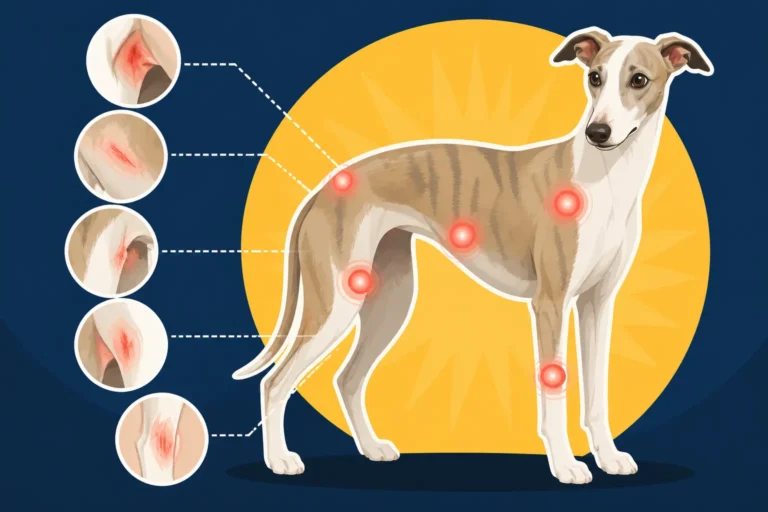
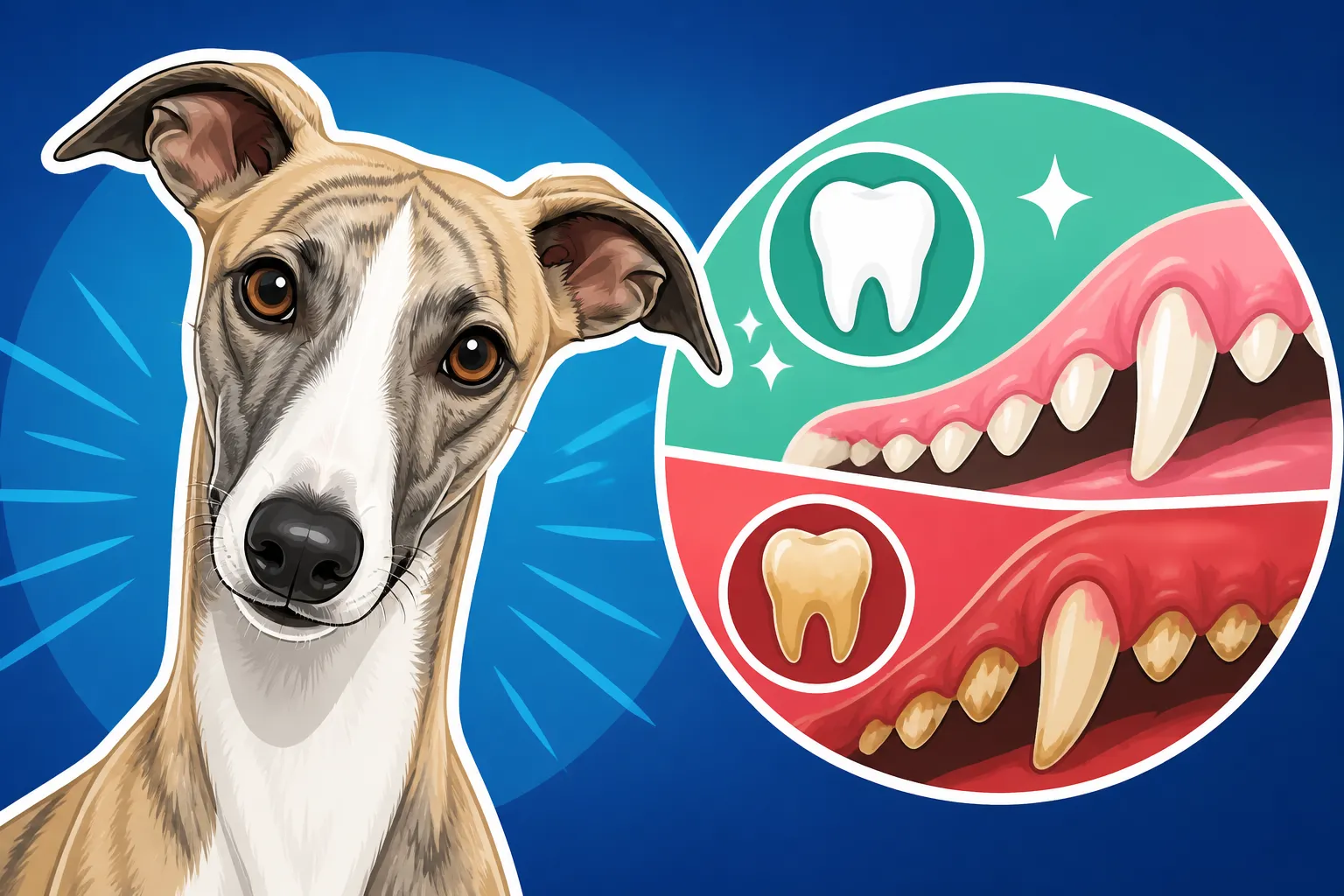
As the disease progresses, you might start to see visible signs on the teeth themselves. Look for yellow or brown accumulation (tartar) on the tooth surfaces, especially near the gum line. The gums might appear red, swollen, or even bleed when touched. This inflammation is gingivitis, the early stage of periodontal disease. Your Whippet might also show changes in eating habits. Perhaps they suddenly prefer softer foods, chew on one side of their mouth, or drop food. You might even notice them pawing at their mouth or rubbing their face, subtle attempts to alleviate discomfort. Remember, even if your Whippet is just a young adult, checking for The Age a Whippet Starts Losing Teeth and other common early signs is a smart move.
Proactive Dental Care: Your Whippet's Best Defense
Knowing that Whippets can be predisposed to dental issues might feel like a heavy burden, but it's also empowering. It means you can take proactive steps to prevent problems, rather than just reacting to them. The good news is that much of what you can do is simple, affordable, and incredibly effective. Think of it as investing in their long-term health and avoiding more invasive procedures down the line. It's about building healthy habits from the start.
Daily Brushing and Oral Hygiene
The gold standard for preventing dental disease in any dog, and especially in a Whippet, is daily toothbrushing. Yes, daily. I know, it sounds like a chore, and sometimes it can be a wrestling match, but it makes a monumental difference. Using a soft-bristled brush designed for dogs and a dog-specific toothpaste (never human toothpaste!) can mechanically remove plaque before it has a chance to harden into tartar. If you’re consistent from a young age, most Whippets will tolerate it. Start slowly, letting them lick the toothpaste, then gradually introduce the brush for short periods. This is key to preventing the need for frequent professional cleanings, answering the question, "Whether a Whippet's teeth need scaling often," by making the answer "less often" if you brush!
Beyond brushing, there are other tools that can support oral health. Dental chews can help, but it's important to choose the right ones. Look for VOHC (Veterinary Oral Health Council) approved products, which have been scientifically proven to reduce plaque and tartar. However, remember that dental chews are not a substitute for brushing; they're an adjunct. Many owners wonder Whether Dental Chews Are Enough for a Whippet, and while they help, they're typically not sufficient on their own. Water additives, oral rinses, and specialized dental diets can also contribute to a healthier mouth by reducing bacteria or mechanically cleaning teeth as your Whippet eats.
Professional Dental Cleanings and Vet Check-ups
Even with the most diligent home care, most Whippets will still benefit from professional dental cleanings under anesthesia at some point in their lives. These cleanings allow the vet to thoroughly scale away tartar above and below the gum line, polish the teeth, and conduct a comprehensive oral exam to identify any issues that aren't visible to the naked eye, such as gum pockets or cracked teeth. Given their unique physiology, it's particularly important to ensure that Whether a Whippet's Dental Needs Sighthound Anesthesia is properly addressed by your veterinarian, as sighthounds can have different anesthetic requirements.
Regular veterinary check-ups are your first line of defense. Your vet will examine your Whippet’s teeth and gums during their annual wellness exam and advise you on the best course of action. They can help you determine Whether a Whippet's Tartar Builds Faster Than Other Breeds in your individual dog and tailor a preventative plan. Don’t hesitate to bring up any concerns you have, even if they seem minor. Catching dental disease early is much easier, less invasive, and less expensive than treating advanced disease.
Understanding Dental Procedures and Costs for Your Whippet
When your veterinarian recommends a professional dental cleaning, it's natural to have questions, especially concerning the procedure itself and the financial implications. The thought of your lean, sensitive Whippet going under anesthesia can be daunting, but understanding the process and the associated costs can help you feel more prepared and confident in your decisions.
What a Professional Dental Cleaning Involves
A professional dental cleaning for a Whippet is a lot like what we experience at the dentist, but with the added necessity of general anesthesia. This is crucial because it allows the veterinary team to perform a thorough cleaning, including scaling below the gum line where most of the damaging bacteria reside, without causing pain or stress to your dog. It also ensures the safety of everyone involved. The procedure typically includes:
- Pre-Anesthetic Bloodwork: This is vital to ensure your Whippet is healthy enough for anesthesia and to identify any underlying issues.
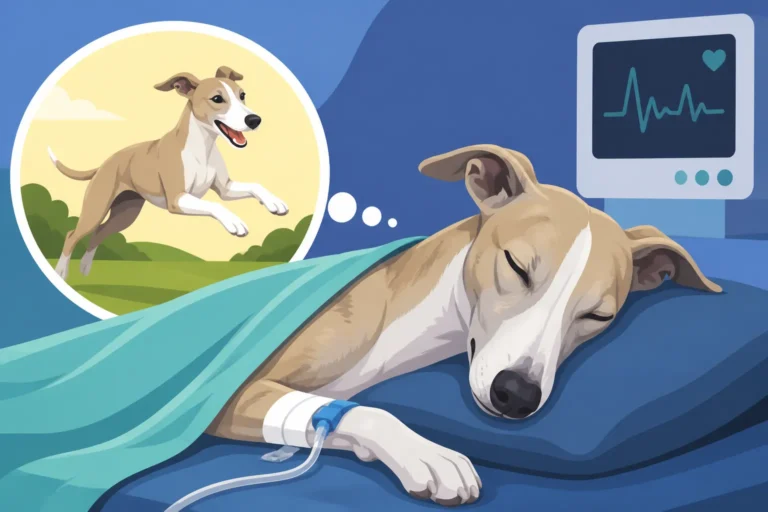
- Anesthesia and Monitoring: Your Whippet will be carefully monitored throughout the procedure, with their heart rate, breathing, oxygen levels, and temperature tracked.
- Full Oral Exam: Once under anesthesia, the vet can perform a detailed exam, probing for gum pockets, checking for loose teeth, and looking for any oral masses.
- Dental X-rays: These are incredibly important for sighthounds, as much of the dental disease can be hidden below the gum line. X-rays can reveal issues like bone loss, root abnormalities, or unerupted teeth.
- Scaling and Polishing: Ultrasonic scalers remove plaque and tartar from the tooth surfaces, both above and below the gum line. The teeth are then polished to smooth the surface, making it harder for new plaque to adhere.
- Extractions (if necessary): If severe disease, fractures, or other irreversible damage is found, extractions may be performed. The cost of What Extracting a Whippet's Tooth Costs can add significantly to the overall bill, highlighting the importance of preventative care.
It's a comprehensive process designed to ensure not just clean teeth, but a truly healthy mouth. For more specific information, you can always discuss What a Whippet's Dental Under Anesthesia Costs with your local vet.
Managing the Costs and Exploring Pet Insurance
Let's be frank: veterinary dental care isn't cheap. The combination of anesthesia, skilled veterinary time, specialized equipment, and potentially extractions can lead to bills ranging from several hundred to over a thousand dollars, depending on the severity of the disease and your location. This is where forward-thinking and pet insurance can really come into play.
Many Whippet owners find that pet insurance, especially a comprehensive plan that covers accidents, illnesses, and routine care or wellness add-ons, is a lifesaver. Companies like Healthy Paws, for instance, offer policies that can help offset the costs of unexpected treatments, including those related to advanced dental disease. While routine cleanings might fall under a wellness plan, major procedures like extractions due to periodontal disease are often covered by their accident and illness policies. It's always wise to research different providers and their coverage options, because an ounce of prevention (or a good insurance plan) is worth a pound of cure. Taking good care of their teeth is part of Caring for an Old Whippet That Feels the Cold too, as dental disease can impact their overall health as they age.
Understanding the investment in your Whippet's dental health is crucial. It’s not just about aesthetics; untreated dental disease can lead to far more serious systemic health problems, affecting the heart, kidneys, and liver. By staying on top of their oral hygiene, both at home and with your vet’s help, you're contributing significantly to their overall health and longevity.
| Dental Care Aspect | Description | Why It Matters for Whippets | Frequency / Recommendation |
|---|---|---|---|
| Daily Brushing | Mechanical removal of plaque with dog-specific brush and toothpaste. | Combats rapid tartar buildup and crowded teeth common in sighthounds. | Daily |
| VOHC Dental Chews | Treats specifically designed and proven to reduce plaque/tartar. | Supplements brushing, offers additional cleaning action. | As directed by product/vet (often daily or a few times a week) |
| Professional Cleaning | Full scaling, polishing, and oral exam under anesthesia by a vet. | Addresses sub-gingival plaque, allows for X-rays and extractions. | Annually or bi-annually, based on individual needs and vet advice |
| Annual Vet Check-ups | Oral examination by a veterinarian during routine wellness visits. | Early detection of developing issues; vet can advise on personalized care. | Yearly, starting as a puppy |
| Pet Insurance | Financial coverage for unexpected illnesses, accidents, and sometimes wellness. | Helps manage significant costs associated with advanced dental disease and extractions. | Enroll early in your Whippet's life |
Disclaimer
The information provided in this article is for general informational purposes only and is not a substitute for professional veterinary advice. Always consult with a qualified veterinarian for any health concerns or before making any decisions about your Whippet's medical care.