Whether a Bully Whippet Should Be Bred
The decision to breed a Whippet is never one to take lightly, and when you’re talking about a "Bully Whippet," the ethical considerations and potential challenges can feel even more complex and daunting. Many prospective owners are fascinated by their unique physique, but a responsible breeder has to look far beyond appearances and consider the long-term health and well-being of any puppies they bring into the world. This guide aims to unpack the science and ethics behind breeding a bully Whippet, helping you understand the implications of this specific genetic trait.
Understanding the Bully Whippet Phenotype
The term "Bully Whippet" conjures images of extraordinarily muscular dogs, quite different from the sleek, elegant standard Whippet we know and love. This distinct look isn't just a matter of diet or exercise; it's rooted deeply in their genetics.
The Myostatin Gene and Its Variants
At the heart of the Bully Whippet phenomenon is a specific gene called myostatin, often abbreviated as MSTN. This gene plays a crucial role in regulating muscle growth. In most animals, including dogs, myostatin acts as a brake, preventing muscles from growing excessively large. However, certain mutations in the myostatin gene can reduce or even eliminate this braking effect, leading to significantly increased muscle mass. For Whippets, there's a specific deletion mutation in the MSTN gene, sometimes called the "bully gene," that has been identified. Dogs can inherit one copy (heterozygous) or two copies (homozygous) of this mutated gene. The presence of two copies is what truly creates the Bully Whippet phenotype, while one copy can actually lead to increased athletic performance without the exaggerated musculature. You can learn more about how this gene works by reading our article on What Myostatin Does in a Whippet.
When a Whippet inherits two copies of this mutated myostatin gene, their body essentially loses the signal to stop building muscle. Imagine trying to build a house, but the builder never gets the memo to stop adding rooms. The result is an undeniable visual difference that sets them apart dramatically from typical Whippets. This isn't about feeding them a special diet or an intense training regimen; it's simply how their bodies are wired to develop. The genetic reality means that if you're looking at a Bully Whippet, you're looking at a dog whose muscles have been allowed to grow unchecked by their natural genetic regulator.
Visual Characteristics of a Bully Whippet
A Bully Whippet, also known as a "double-muscled" Whippet, looks remarkably different from a standard Whippet. Their musculature is intensely pronounced, often described as bulging or hypertrophied. You'll see exceptionally broad shoulders, a deep chest that seems to explode with muscle, and hindquarters that are unusually thick and powerful.
This extreme muscularity isn't just impressive; it changes the overall silhouette of the dog, making them appear much heavier and more compact than their standard counterparts. While a typical Whippet is defined by its lean lines, elegant arch, and fine bone, a Bully Whippet seems to defy these breed characteristics with its sheer bulk. Their neck can be thicker, their legs heavily muscled, and even their head can appear broader in proportion to their massive physique. It’s a look that definitely turns heads, for better or worse, as it deviates so starkly from the traditional Whippet aesthetic. If you're curious about what these dogs look like, our guide on What a Bully Whippet Looks Like at Birth provides further insight into their development.
Health Implications Beyond Appearance
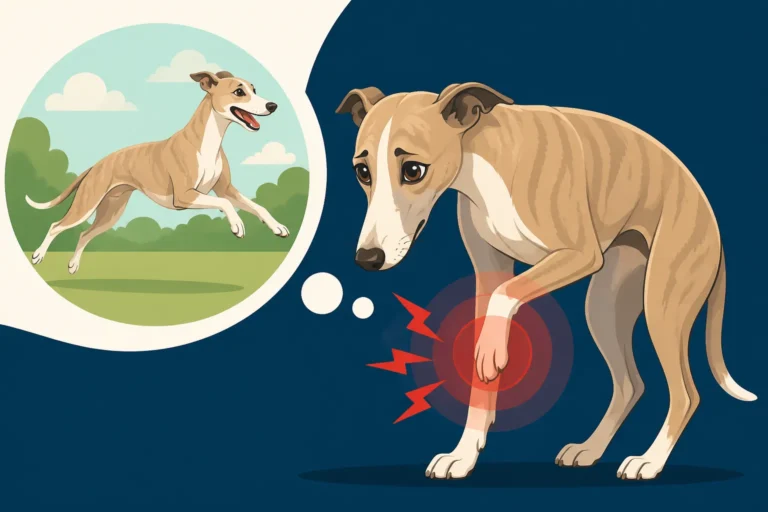
While the muscular physique of a Bully Whippet might seem like a mark of strength, it's important to understand that this extreme development isn't without potential health drawbacks. The very mechanism that creates such exaggerated muscles can lead to issues that impact their quality of life. For instance, some Bully Whippets experience muscle cramping and stiffness, which can be quite painful and limit their ability to move freely and comfortably. This cramping is a direct result of their unusual muscle composition, as the body struggles to manage the energy and waste products in such a dense muscle mass.
Beyond immediate discomfort, the sheer size of their muscles can put extra strain on their joints and skeletal structure over time. There are also reports of jaw problems in some Bully Whippets, where the powerful musculature around the head and neck can affect bite alignment or lead to dental issues. These aren't just minor inconveniences; they can significantly impact a dog's daily comfort and require ongoing veterinary care. Responsible breeders must consider these potential challenges when deciding whether to breed a bully Whippet, as the goal should always be to produce healthy, long-lived companions, not just a striking appearance. The guide The Jaw Problems a Bully Whippet Develops delves deeper into these specific issues.
The Ethics of Breeding for Specific Traits
Breeding dogs for specific traits, whether aesthetic or performance-based, has been a cornerstone of canine development for centuries. However, the modern understanding of genetics and animal welfare has introduced a critical ethical lens through which these practices are now viewed.
Prioritizing Health and Welfare
The paramount ethical consideration in any breeding program should always be the health and welfare of the dogs. This means making choices that reduce the likelihood of inherited diseases, structural weaknesses, or conditions that might compromise a dog's quality of life. For Bully Whippets, the question becomes: does breeding for extreme musculature, which is known to carry potential health risks like muscle cramping and joint strain, align with this primary ethical directive? Many argue that it does not. A truly responsible breeder will carefully screen potential parents for genetic predispositions to health issues, ensuring that they are not passing on traits that could cause suffering. This includes thorough health testing, such as cardiac exams and genetic panels, and critically evaluating the physical soundness and temperament of breeding stock.
It’s about looking past what’s "trendy" or "unique" and focusing on what makes a dog capable of living a full, comfortable, and happy life. If a particular trait, even one that is visually striking, consistently compromises a dog's health, then breeding specifically for that trait raises serious ethical flags. The goal should be to improve the breed, not to introduce or perpetuate problems. When planning to breed, consider the guidance in The Health Tests Both Whippet Parents Should Have to ensure you're making informed choices.
Genetic Diversity and Breed Health
Maintaining a healthy and robust gene pool is absolutely vital for the long-term health and resilience of any breed. When breeders focus too intently on a very specific, often rare, trait – like the double-muscling of a Bully Whippet – it can inadvertently lead to a reduction in genetic diversity. To achieve the bully phenotype, breeders would need to select dogs carrying two copies of the mutated myostatin gene, or at least two carriers, which limits the available breeding pool. This narrowing of the gene pool increases the risk of concentrating other undesirable recessive genes, making the breed more susceptible to other health problems down the line. It also reduces the breed’s ability to adapt to new challenges or resist diseases.
Think of it like repeatedly drawing from a very small deck of cards; eventually, you’ll keep getting the same combinations, and any undesirable cards become more prevalent. Responsible breeding seeks a balance: preserving desirable breed characteristics while also ensuring a wide enough genetic base to keep the breed strong and healthy for generations to come. Over-focusing on an extreme trait, especially one with potential health concerns, goes against the principle of fostering broad genetic health.
The Role of Responsible Breeding Programs
Responsible breeding programs for Whippets prioritize the overall health, temperament, and adherence to the breed standard, ensuring that puppies are sound both physically and mentally. This involves careful selection of breeding pairs based on extensive health clearances, genetic testing, and a deep understanding of their pedigrees. The aim is to produce dogs that embody the best qualities of the Whippet – their athleticism, gentle nature, and sighthound elegance – while actively working to minimize inherited health issues.
A good breeder isn't chasing fads or trying to create something "new" for novelty's sake. Instead, they’re guardians of the breed’s future, making decisions that will benefit individual dogs and the breed as a whole for years to come. This often means making difficult choices, like not breeding a dog with an otherwise excellent pedigree if it carries a problematic recessive gene, or avoiding extreme traits that could compromise health. For many reputable breeders, intentionally producing Bully Whippets, given the associated health risks and deviation from the established breed standard, would fall outside the scope of responsible practice.
Considerations for Breeding Bully Whippets
When contemplating breeding a Bully Whippet, or breeding dogs that could produce one, there are several critical factors that must be weighed carefully against the desire for a unique appearance. These considerations touch upon genetics, potential health issues, and market demand.
The Recessive Nature of the Bully Gene
The myostatin gene mutation responsible for the Bully Whippet phenotype is recessive. This means a Whippet must inherit two copies of the mutated gene (one from each parent) to display the characteristic double-muscled appearance. If a dog inherits only one copy of the mutated gene, they are considered a "carrier" and typically appear normal, or even slightly more athletic than average, without the extreme musculature. In fact, a single copy of the gene is thought to enhance speed, which is why some racing Whippet lines might unknowingly carry it, or breeders might select for it. Our article, Why One Copy of the Bully Gene Makes a Whippet Faster, explores this phenomenon in more detail.
The implication for breeding is significant: you could breed two apparently normal Whippets who are both carriers of the myostatin mutation, and there would be a 25% chance of their puppies inheriting two copies and becoming Bully Whippets. This makes informed genetic testing paramount. Without testing, a breeder might inadvertently produce Bully Whippets, even if they aren't specifically aiming for that trait. For those intentionally breeding for the bully phenotype, they would need to actively seek out and breed dogs known to carry two copies of the gene or carefully pair carriers with the understanding of the recessive inheritance pattern. This requires a precise and calculated approach, which some find ethically questionable given the potential health outcomes.
Potential for Passing on Health Issues
As discussed earlier, the extreme musculature of a Bully Whippet can come with a suite of potential health challenges. These aren't just isolated incidents but are often directly linked to the genetic expression of the double-muscled trait. When a Bully Whippet is bred, there's a very real risk of passing on these predispositions to their offspring. Puppies inheriting two copies of the myostatin mutation are not just getting the look; they're also inheriting the potential for issues like muscle cramping, stiffness, and increased susceptibility to muscle injuries.
Beyond the immediate muscle-related problems, the sheer bulk can place undue stress on a Whippet's typically fine-boned structure, potentially leading to orthopedic issues over time that would not be present in a standard Whippet. There have also been anecdotal reports of complications during birth due to the muscularity of the puppies, though more scientific research is needed to fully understand all potential risks. A responsible breeder must seriously consider whether propagating a trait that inherently carries these potential health burdens aligns with their commitment to producing healthy, happy dogs. Simply put, breeding a Bully Whippet means accepting the responsibility for perpetuating these challenges.
Demand vs. Responsible Practice
There's no denying that unique or unusual dogs can generate significant interest, and Bully Whippets, with their striking appearance, often attract attention. Some individuals might be drawn to their distinctive look and be willing to pay a premium for a puppy with such traits. This market demand, however, creates an ethical tension for breeders. Is it responsible to breed for a trait simply because there's a demand for it, especially when that trait is associated with potential health complications and deviates significantly from the established breed standard?
For many in the Whippet community and broader purebred dog fancy, responsible practice dictates that breeding decisions should be driven by the betterment of the breed, focusing on health, temperament, and conformity to a standard that has been developed over decades to ensure functionality and well-being. Breeding solely to capitalize on a niche demand, particularly for a trait that could compromise health, is often seen as prioritizing profit or novelty over ethical stewardship. Ensuring dogs receive proper care, even if they have unique needs, is essential, and considering pet insurance options like Healthy Paws can be a sensible approach for any dog owner, especially those with breeds or traits that may carry specific health considerations.
Alternative Perspectives on the Myostatin Gene
While the double-muscled Bully Whippet phenotype raises significant welfare concerns when intentionally bred, it's important to understand that the myostatin gene isn't always "bad." In fact, its variations tell a nuanced story about canine athleticism and genetic potential.
The Single Copy Advantage
Interestingly, possessing just one copy of the mutated myostatin gene (being heterozygous) does not result in the extreme "bully" phenotype, but it does confer a distinct athletic advantage. Whippets with one copy of the mutation tend to have slightly more lean muscle mass and exhibit greater speed and agility compared to their counterparts with two normal copies of the gene. This "single copy advantage" has made these dogs highly prized in racing circles. Many top-performing racing Whippets across various sighthound sports, such as NOTRA lure racing or Fast CAT, are found to carry a single copy of this gene. They get the benefits of increased muscle development without the associated health drawbacks of double-muscling.
This demonstrates that the myostatin gene isn't simply a switch for "bully" or "normal"; it's a spectrum. The responsible approach for enhancing athletic performance would focus on breeding dogs with one copy of the gene, if genetic testing confirms it, rather than risking the health of those with two copies. The performance boost from a single copy is substantial, allowing these dogs to excel in their intended roles as speed demons, embodying the very essence of a Whippet's athletic prowess. This is why many racing breeders test their dogs and may select for carriers, understanding the nuanced genetics involved.
Myostatin Testing and Informed Decisions
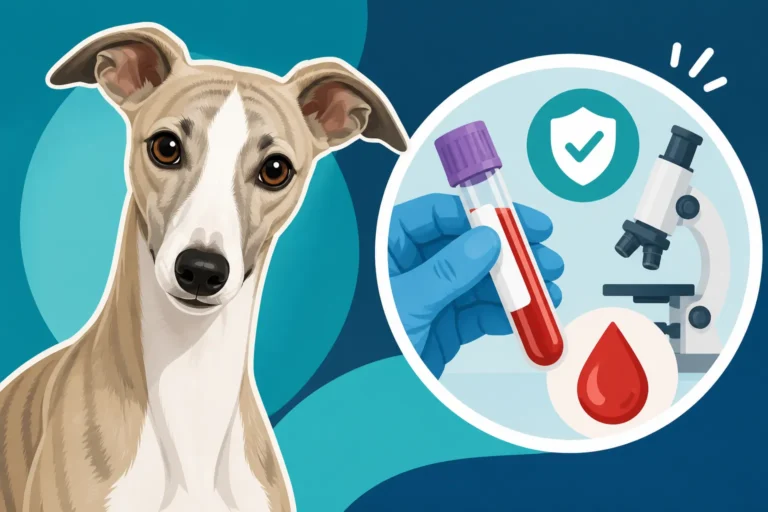
Thankfully, genetic testing for the myostatin mutation is readily available. A simple DNA test, often done via a cheek swab or blood sample, can tell a breeder whether a Whippet has two normal copies of the gene (N/N), one normal and one mutated copy (N/M, or a carrier), or two mutated copies (M/M, or affected with the bully phenotype). This information is invaluable for making truly informed breeding decisions. Our article on The DNA Test That Finds the Whippet Myostatin Mutation provides more details on this.
For ethical breeders, especially those aiming to preserve the health and integrity of the Whippet breed, routine myostatin testing should be a standard practice. It allows them to avoid inadvertently producing Bully Whippets and to ensure that any breeding choices are made with full knowledge of the genetic implications. Breeders can use this information to select pairings that maximize desirable traits while minimizing the risk of health issues. For example, knowing a dog is a carrier (N/M) means they can be bred to a clear dog (N/N) without the risk of producing a Bully Whippet (M/M), though some offspring would still be carriers. The ability to make these informed, data-driven decisions is a cornerstone of responsible dog breeding in the modern era, moving away from guesswork and towards a proactive approach to canine health.
Here's a quick reference table to illustrate the potential outcomes when breeding Whippets with different myostatin genotypes:
| Sire's Genotype | Dam's Genotype | Possible Offspring Genotypes | Phenotype Outcome | Ethical Considerations |
|---|---|---|---|---|
| N/N (Clear) | N/N (Clear) | 100% N/N | Standard Whippets | No risk of Bully Whippets |
| N/N (Clear) | N/M (Carrier) | 50% N/N, 50% N/M | Standard, some carriers | Low risk, good for maintaining diversity |
| N/M (Carrier) | N/M (Carrier) | 25% N/N, 50% N/M, 25% M/M | Standard, carriers, Bully | Risk of producing Bully Whippets (M/M) |
| N/N (Clear) | M/M (Bully) | 100% N/M | All carriers | Avoids M/M, but all offspring are carriers |
| N/M (Carrier) | M/M (Bully) | 50% N/M, 50% M/M | Carriers, Bully | High risk of producing Bully Whippets (M/M) |
| M/M (Bully) | M/M (Bully) | 100% M/M | All Bully | Guaranteed Bully Whippets, highest ethical concern |
(N/N = Two normal copies of myostatin gene; N/M = One normal, one mutated copy; M/M = Two mutated copies)
Ultimately, the question of whether a Bully Whippet should be bred comes down to a breeder's commitment to health, welfare, and the long-term integrity of the Whippet breed. While the unique musculature is captivating, the potential health challenges and the deviation from the breed standard suggest that intentionally breeding for the M/M genotype is not in the best interest of the dogs. Informed genetic testing and a deep understanding of the myostatin gene allow breeders to make choices that truly prioritize the well-being of these magnificent sighthounds.
Disclaimer
Please remember that the information provided here is for general educational purposes and should not be considered a substitute for professional veterinary advice. Always consult with a qualified veterinarian regarding any health concerns or breeding decisions for your Whippet.