Progressive Retinal Atrophy in a Whippet
It's truly heartbreaking to notice changes in your beloved Whippet's vision, especially when they're still full of youthful energy or transitioning into their golden years. The fear that they might be losing their precious eyesight, slowly but surely, can be incredibly daunting. This comprehensive guide is here to shed light on Progressive Retinal Atrophy (PRA) in Whippets, helping you understand this condition, recognize its signs, explore diagnostic options, and learn how to best support your Whippet through any vision challenges.
Understanding Progressive Retinal Atrophy in Whippets
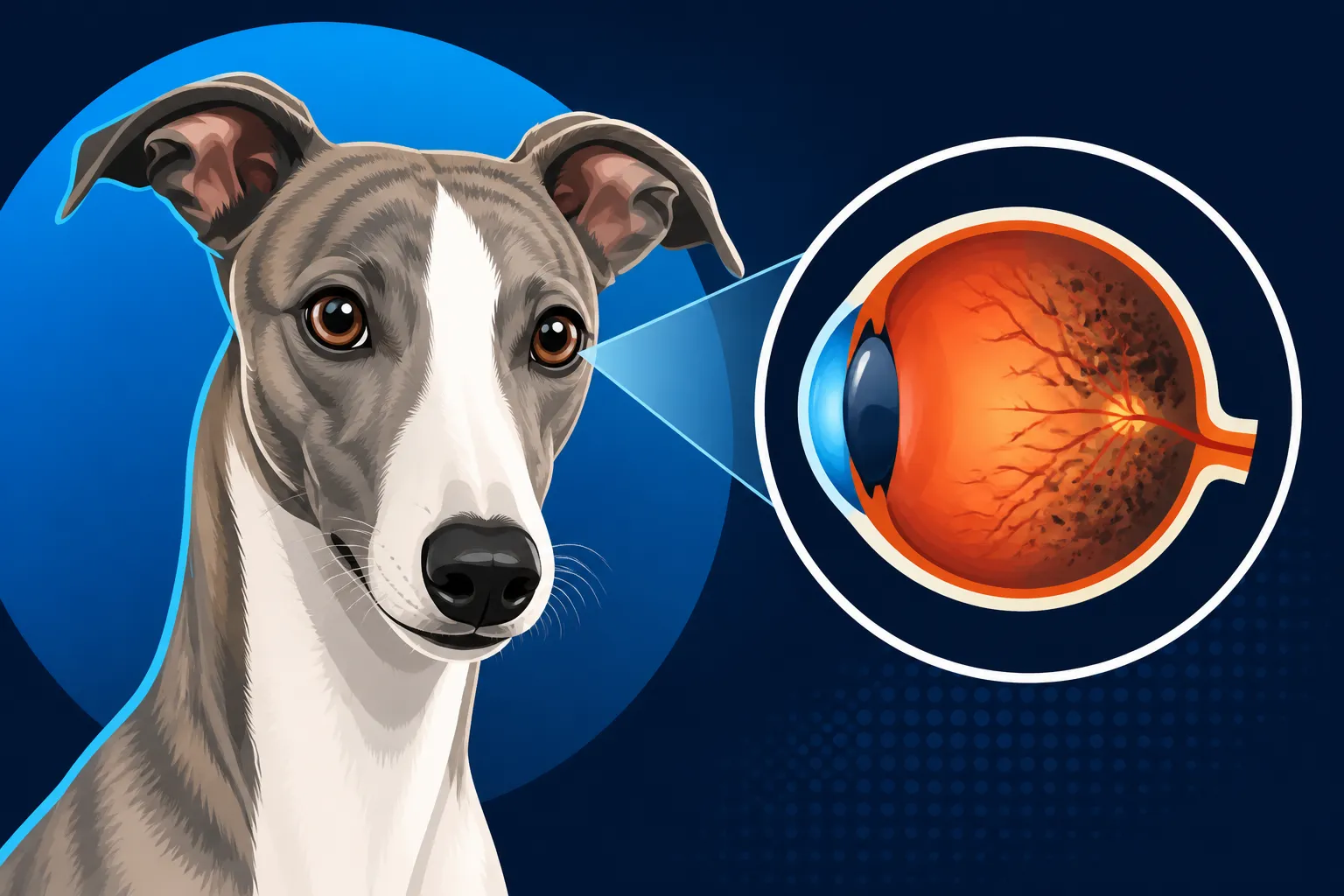
Progressive Retinal Atrophy, often shortened to PRA, is a general term for a group of inherited degenerative eye diseases that affect the photoreceptor cells in the retina. These are the cells responsible for detecting light and converting it into signals the brain can interpret as vision. When these cells begin to degenerate, vision slowly deteriorates, ultimately leading to blindness. It's not a sudden event, but a gradual process that can take months or even years.
What is PRA and How Does It Affect Vision?
At its core, PRA means the light-sensitive cells at the back of your Whippet's eye, specifically the rods and cones, are slowly dying off. Rods are crucial for vision in dim light and detecting motion, while cones are responsible for bright light vision and color perception. In most forms of PRA, the rods are affected first, which is why the earliest and most common symptom is night blindness. Imagine trying to navigate your house in the dark when you’re used to seeing perfectly – it’s disorienting and scary. Your Whippet experiences something similar, becoming hesitant or bumping into things in low-light conditions.
As the disease progresses, the cones also begin to degenerate, leading to a loss of daylight vision as well. This means your Whippet's world slowly shrinks from vibrant clarity to a shadowy blur, eventually becoming total darkness. It’s a cruel twist of fate for a breed that relies so heavily on sight for their incredible speed and hunting instincts. While it sounds terrifying, dogs are remarkably adaptable, and with your help, they can learn to navigate their world even without sight. It’s also important to remember that PRA is not painful; it’s simply a loss of function, not an agonizing condition.
The Specifics of PRA in Whippets
While PRA can affect many different dog breeds, the exact genetic mutation and progression can vary. For Whippets, specific research into a breed-specific PRA gene isn't as prevalent as in some other breeds like Irish Setters or Miniature Poodles, where specific DNA markers have been identified and widely tested for. However, this doesn't mean Whippets are immune to PRA. It's a broad category, and different forms of retinal degeneration can occur. Generally, PRA in Whippets, when it does occur, tends to be a late-onset form, meaning symptoms might not become apparent until your Whippet is several years old, often around middle age or later.
This late onset can be a double-edged sword. On one hand, your Whippet enjoys many years of full vision. On the other hand, it means a dog might have been bred before any signs appeared, potentially passing on the gene. This underscores why proactive genetic health testing and responsible breeding practices are so vital, even if a specific "Whippet PRA gene" isn't widely publicized or targeted by common DNA tests in the same way some other breed-specific conditions are. We often rely on general ophthalmic exams and, if necessary, more advanced diagnostic tools to identify the condition.
Recognizing the Signs and Symptoms
Noticing that your Whippet might be losing its vision can be subtle at first, especially since dogs are masters at compensating. They rely on their other senses—smell, hearing, and touch—far more than humans do, which allows them to adapt to vision loss in familiar surroundings. However, as a dedicated Whippet owner, you’ll likely pick up on the early indicators if you know what to look for.
Early Indicators: Night Blindness and Behavioral Changes
The hallmark first sign of most forms of PRA is night blindness, or nyctalopia. Your Whippet, who once confidently navigated the backyard at dusk or trotted down a dimly lit hallway, might start to hesitate. They might bump into furniture they usually avoid, seem more clumsy, or become reluctant to go outside when it's getting dark. You might notice them walking more slowly, perhaps sniffing the ground more intently, or sticking closer to you for guidance. It’s their way of telling you, "Hey, I can't quite see what's going on here."
Beyond physical clumsiness, you might observe behavioral shifts. A normally confident Whippet might become more anxious in new or poorly lit environments. They might startle more easily if approached from an unexpected direction, or become clingier. These aren't just quirks; they're genuine signs that their primary sense of navigation is failing them. This is often the point where many owners realize something isn't quite right and start looking into the possibility of something like Progressive Retinal Atrophy in a Whippet. Pay close attention to these subtle cues, as early recognition can help you prepare and support your dog sooner.
Progression to Day Blindness and Adaptation
As PRA progresses, your Whippet will begin to lose their daylight vision too. What started as difficulty in low light will eventually evolve into bumping into objects even in bright rooms, misjudging steps, or appearing disoriented in unfamiliar spaces during the day. Their pupils might appear permanently dilated, struggling to take in enough light, and their eyes might develop a reflective sheen (tapetal reflectivity) as the retina thins. This can be a particularly challenging time for owners, as the reality of their dog’s impending or complete blindness becomes undeniable.
However, it's crucial to understand that dogs, and especially Whippets, are incredibly resilient. They adapt by sharpening their other senses. Their hearing becomes more acute, picking up on the nuances of your voice and household sounds. Their sense of smell, already powerful, becomes their primary map, guiding them through familiar routes. They'll memorize the layout of your home, and as long as you keep furniture in place, they can navigate with surprising ease. They might need more guidance on walks, perhaps a longer leash to give them more warning of obstacles, but they can still enjoy their daily routines. It's a testament to their spirit and their deep bond with us that they find ways to thrive, reminding us that life doesn’t end with vision loss.
Diagnosis and Genetic Testing for PRA
When you suspect your Whippet might be experiencing vision problems, getting an accurate diagnosis is the first crucial step. It’s natural to feel worried, but knowing exactly what you're dealing with allows you to make informed decisions about their care and future.
How a Vet Diagnoses PRA
Your primary veterinarian will usually be your first point of contact. They'll start with a general physical exam, including a basic eye check. If they suspect a retinal issue, they'll likely refer you to a veterinary ophthalmologist, a specialist in animal eye health. This specialist has the advanced tools and expertise to perform a thorough examination. During the ophthalmic exam, they will often dilate your Whippet's pupils to get a clear view of the retina at the back of the eye. They'll be looking for specific changes associated with PRA, such as thinning of the retinal layers, increased reflectivity of the tapetum (a reflective layer behind the retina), and changes in the blood vessels of the retina.
In some cases, especially if the changes are subtle or to confirm the diagnosis definitively, an electroretinography (ERG) might be recommended. This is a specialized test that measures the electrical activity of the retinal cells in response to light, much like an EKG measures heart activity. An ERG can detect abnormal retinal function long before physical changes are visible, or even before your Whippet shows obvious signs of night blindness. This can be invaluable for an early diagnosis, allowing you to plan ahead. While the thought of a specialist visit or complex tests can be overwhelming, especially when considering costs, remember that services like Healthy Paws pet insurance can often help cushion the financial impact of such specialized diagnostic procedures.
The Role of DNA Testing in Whippets
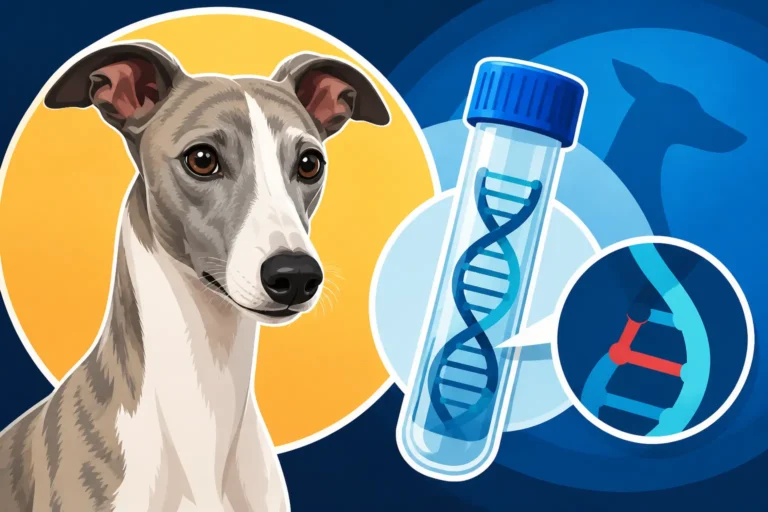
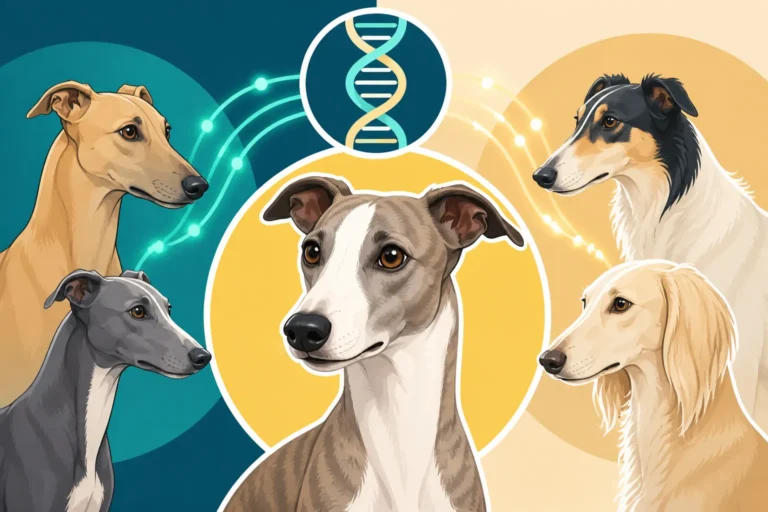
For many breeds, specific DNA tests are available to identify the genetic mutations responsible for PRA. This allows breeders to screen their breeding stock and prevent passing on the gene, and it helps owners understand if their dog is at risk or affected. For Whippets, while PRA can occur, a single, universally recognized or highly prevalent genetic marker for PRA specific to the Whippet breed isn't as widely established or routinely tested for as it is in some other breeds. This doesn't mean genetic factors aren't involved, but rather that the specific genetic basis might be more complex, less common, or yet to be fully identified for the breed.
However, general genetic screening panels offered by companies like Embark or Wisdom Panel sometimes include various PRA markers found across multiple breeds. While these might not pinpoint a Whippet-specific PRA, they can still provide valuable information if your dog tests positive for a broader PRA mutation. For breeders, regular eye examinations by a board-certified veterinary ophthalmologist, certified through programs like the Orthopedic Foundation for Animals (OFA) Eye Certification Registry (CAER), remain a crucial tool. These exams help identify clinically affected dogs and carriers, even without a specific DNA test. This ongoing vigilance and commitment to health screening are essential for maintaining the health of the Whippet gene pool, ensuring the longevity and well-being of future generations. It’s part of ensuring The Health Tests Both Whippet Parents Should Have are thoroughly completed before breeding.
Managing and Supporting a Whippet with PRA
Discovering your Whippet has PRA can feel devastating, but it's important to remember that a blind dog can still lead a full and happy life with the right support. Your role shifts from preventing the inevitable to becoming their trusted guide and advocate.
Creating a Safe and Predictable Environment
The cornerstone of supporting a Whippet with PRA is maintaining a stable and predictable home environment. Dogs thrive on routine and familiarity, and for a sight-impaired dog, this becomes even more critical. Avoid rearranging furniture as much as possible, as your Whippet will create a mental map of your home based on memory. If you must move something, do it gradually and guide them around the new layout several times. Consider placing non-slip rugs on slick floors to give them better traction and tactile cues. Baby gates can be invaluable to block off stairs or unsafe areas, preventing accidental falls.
For outdoor adventures, a securely fenced yard is paramount. Even then, supervise them closely. On walks, keep them on a leash, ideally a consistent length, so they can anticipate obstacles. Introduce new objects or changes in terrain with verbal cues or gentle nudges. Many owners use "scent trails" or different textures near doorways or key areas to help their dog orient themselves. Remember, their world is now based on sound, smell, and touch, so consistency in these areas provides immense comfort and safety. This careful attention to their surroundings is a key part of What a Whippet Needs Every Day to live a comfortable life.
Enriching the Life of a Blind Whippet
A blind Whippet still has the heart and spirit of a Whippet! Their need for mental stimulation, exercise, and affection doesn't diminish with vision loss. In fact, you'll find their other senses become incredibly acute, opening up new avenues for enrichment. Focus on toys that make noise, like squeaky balls or crinkly plushies, or those that dispense treats and engage their powerful sense of smell. Scent work games, where you hide treats or toys for them to find, are fantastic for mental exercise and building confidence.
Verbal cues become even more important. Teach "step up," "step down," "wait," "left," and "right" to guide them safely. Always speak to them before approaching, so you don't startle them. Physical touch, gentle petting, and consistent routines provide a sense of security. Regular, leashed walks in familiar, safe areas allow them to explore the world through their nose and ears. They might not be able to chase a lure or squirrel by sight, but they can still enjoy a vigorous game of tug, a romp in a secure, known area, or simply snuggling on the sofa with you. The goal is to ensure their quality of life remains high, allowing them to experience joy and connection, even if their world is now experienced differently. Many Whippets, even when navigating blindness, still cherish their zoomies and play, often adjusting their running style to familiar, open spaces, reminding us how resilient they truly are.
Prevention and Responsible Breeding
For a genetic condition like PRA, prevention truly begins with responsible breeding practices. While it can feel overwhelming to consider all the potential health issues when looking for a puppy, informed choices can make a world of difference in a Whippet's lifespan and overall well-being.
Why Genetic Screening is Crucial for Breeders
Responsible breeders are the first line of defense against inherited diseases. For conditions like PRA, even if a specific Whippet-specific DNA test isn't widely available, ethical breeders will still engage in comprehensive eye health screening. This typically involves regular eye examinations by board-certified veterinary ophthalmologists, often coordinated through organizations like the Orthopedic Foundation for Animals (OFA). The OFA's Eye Certification Registry (CAER) program evaluates dogs for a range of eye conditions, including retinal degeneration, cataracts, and other inherited ocular diseases. Even if a DNA test isn't available, a breeder can obtain a CAER certificate, indicating that the dog was examined and found to be free of observable inherited eye disease at the time of the exam.
By diligently screening all breeding stock, breeders aim to remove affected dogs and, ideally, carriers from the breeding pool. This commitment helps to reduce the incidence of genetic diseases, thereby improving the overall health of the breed. It's a long-term investment in the future of Whippets, ensuring that puppies are born with the best possible chance at a long, healthy life. This dedication goes hand-in-hand with ensuring a Whippet should have a yearly eye exam, especially if they are part of a breeding program.
What Prospective Owners Should Ask Breeders
When you're looking for a Whippet puppy, asking the right questions about health screenings is paramount. Don't be shy; a reputable breeder will welcome your inquiries and be transparent about their practices. Always ask to see proof of health clearances for both parents, specifically looking for recent OFA CAER eye certifications. These should ideally be less than a year old at the time of breeding, as some conditions can develop later in life. A responsible breeder will have these documents readily available and be able to explain what they mean.
Furthermore, inquire about the breeder's experience with eye health in their lines. Have any dogs in their pedigree developed PRA or other serious eye conditions? What steps have they taken to mitigate these risks? While no breeder can guarantee a puppy will never develop a health issue, a transparent and proactive approach to screening significantly reduces the risk. If a breeder is evasive, claims eye problems don't exist in Whippets, or doesn't have current health certificates, it's a major red flag. Choosing a breeder who prioritizes health testing is one of the most important decisions you'll make in bringing home a healthy Whippet, one who hopefully lives out The Twelve to Fifteen Years a Whippet Lives without major health complications.
Navigating Whippet Eye Conditions: A Comparative Overview
Understanding eye conditions in Whippets involves recognizing the differences in their presentation, progression, and management. While PRA is a significant concern, it's not the only potential eye issue your Whippet might face. Knowing the distinction can guide your conversations with your vet and help you provide the best care.
| Feature | Progressive Retinal Atrophy (PRA) | Cataracts in a Whippet | Glaucoma |
|---|---|---|---|
| Cause | Inherited degeneration of retinal photoreceptor cells. | Opacity in the lens of the eye, often inherited, injury, or secondary to other diseases (e.g., diabetes, PRA). | Increased pressure within the eye, often inherited or secondary to injury/disease. |
| Symptoms | Initial night blindness, progresses to day blindness; pupils may dilate, increased eye shine. | Cloudy or opaque appearance in the pupil; vision loss depends on cataract size/density. | Pain, redness, dilated pupil, cloudy cornea, bulging eye; rapid vision loss. |
| Progression | Gradual, irreversible loss of vision over months to years. | Can be slow or fast; often progressive, leading to blindness if severe. | Can be very rapid, leading to irreversible blindness quickly if untreated. |
| Pain Level | Not painful. | Not painful unless secondary inflammation occurs. | Very painful, an emergency situation. |
| Treatment | No cure; management focuses on support and adaptation. | Surgical removal of the lens (phacoemulsification) to restore vision if suitable. | Medications to reduce pressure; sometimes surgery; lifelong management. |
| Genetic Test | Specific tests available for some breeds, but not a widely known Whippet-specific test for PRA. | Genetic tests available for inherited forms in some breeds. | Genetic tests available for inherited forms in some breeds. |
| Impact on Whippets | Less common as a widely publicized breed-specific issue compared to other breeds, but possible. | Can occur, can be secondary to other conditions, or primary. | Less common in Whippets compared to some other breeds, but still a concern. |
This table highlights that while PRA is a degenerative condition with no cure, it's important not to confuse it with other painful or treatable eye conditions. If you notice any sudden changes in your Whippet's eyes or behavior, always seek veterinary attention promptly. For conditions like cataracts in a Whippet, surgical options might exist to restore vision, whereas for PRA, the focus shifts entirely to supportive care.
Conclusion: Living with a Whippet Affected by PRA
Living with a Whippet diagnosed with Progressive Retinal Atrophy can undoubtedly be an emotional journey, but it is far from the end of their happy life. Instead, it marks a shift in how you both navigate the world, fostering an even deeper bond of trust and reliance. Your Whippet will look to you more than ever for guidance, reassurance, and love.
Remember, a blind dog is not a broken dog. With your consistent support, a predictable environment, and a focus on enriching their other powerful senses, your Whippet can continue to thrive, enjoying playtime, cuddles, and their special connection with you for many years to come. While the initial diagnosis might feel daunting, the resilience and adaptability of these incredible dogs, coupled with your unwavering care, will ensure they continue to live a fulfilling life.
Disclaimer
The information provided in this article is for general informational purposes only and is not a substitute for professional veterinary advice. Always consult with a qualified veterinarian or veterinary ophthalmologist for any health concerns or before making any decisions related to your Whippet's health or treatment.