Why a Lean Whippet Loses Body Heat Under Anesthesia
It’s a terrifying thought for any Whippet owner: their sleek, elegant dog, so full of life and speed one moment, lying still and vulnerable on a vet's table. We worry about everything, from the procedure itself to how they'll react to the drugs. But one concern that often gets overlooked, yet is incredibly critical for our lean, athletic companions, is the risk of hypothermia under anesthesia. This guide will meticulously break down exactly why your naturally lean Whippet is so prone to losing body heat during a procedure and what this means for their safety and recovery.
The Unique Physiology of a Whippet's Leanness
Whippets are built for speed and agility, and their physical attributes, while making them incredible athletes, also present specific challenges in a clinical setting, especially when it comes to maintaining body temperature. Their streamlined bodies aren't just for show; they're a finely tuned machine, but one that lacks natural insulation.
Minimal Body Fat and Thin Skin
If you've ever cuddled a Whippet, you know they feel different from, say, a Labrador or a Golden Retriever. There's just not much padding there! Whippets are renowned for their minimal body fat, a characteristic that is absolutely essential for their athletic prowess. They have evolved to be lightweight and efficient, burning calories quickly and carrying very little insulation in the form of subcutaneous fat. This isn't just about appearance; it's a fundamental aspect of their breed. Unlike breeds with thick, insulating fat layers, a Whippet's sleek physique means there’s less of a natural barrier between their internal organs and the external environment.
Compounding this is their remarkably thin skin. We talk a lot about The Thin Skin That Sends a Whippet to the Vet for Stitches because it’s a constant concern for us owners, but this delicate dermal layer also plays a role in heat regulation. While some breeds have thick hides that help retain warmth, a Whippet's skin is fine and taut, offering scant protection against cold. This combination of low body fat and thin skin means they simply don't have the biological defenses against temperature drops that many other breeds possess, making them highly susceptible to environmental cooling.
High Surface Area to Volume Ratio
Take a look at your Whippet's silhouette. Long legs, a deep chest, a tucked-up abdomen, and a relatively long neck – it’s a picture of elegance and aerodynamic efficiency. However, this very conformation, which allows them to achieve incredible speeds, also contributes to rapid heat loss. The concept of surface area to volume ratio is key here. Animals with a high surface area relative to their body volume lose heat more quickly because there's more skin surface exposed to the cooler air around them.
Think of it like this: a small, thin piece of metal cools down faster than a large, compact block of metal, even if both start at the same temperature. Your Whippet, with its long limbs and lean torso, effectively has a larger "surface" from which heat can dissipate compared to a more compactly built dog of similar weight. This physiological reality means that without external intervention, their body temperature can plummet far more rapidly in a cool environment than it would for a stockier breed. It’s a design optimized for sprinting and dissipating heat during exertion, not for retaining it during periods of inactivity, especially when their internal systems are compromised by anesthesia. This is a big reason why Why a Whippet Has So Little Body Fat affects them so much.
Anesthesia's Impact on Body Temperature Regulation
Anesthesia isn't just about putting your dog to sleep; it's a profound physiological event that affects almost every system in the body, including the delicate mechanisms that keep their internal temperature stable.
Disruption of Thermoregulation
Under normal circumstances, your Whippet’s body is a master of thermoregulation. The hypothalamus, a tiny but mighty part of their brain, acts like a sophisticated thermostat, constantly monitoring and adjusting body temperature. If they get too hot, they pant; too cold, they shiver, and their blood vessels constrict to keep vital organs warm. It’s an intricate dance of physiological responses designed to maintain a stable core temperature.
However, general anesthesia throws a wrench into this finely tuned system. The anesthetic drugs, while necessary for pain relief and unconsciousness, directly interfere with the hypothalamus's ability to regulate temperature. They essentially turn down the thermostat, making the body believe it’s not as cold as it actually is. This means that your Whippet’s natural responses to a cooling environment – like shivering or constricting blood vessels – are significantly blunted or even completely suppressed. The body simply can't react to the cold challenge because its internal warning system is temporarily offline, leading to a much more rapid and unchecked drop in core body temperature.
Vasodilation and Heat Radiation
Another significant way anesthesia contributes to heat loss is through a process called vasodilation. Many anesthetic agents cause the blood vessels, particularly those close to the skin's surface, to widen or dilate. Normally, when a dog gets cold, these vessels constrict to shunt warm blood away from the skin and towards the core, conserving heat. But under anesthesia, this mechanism is reversed or impaired.
With dilated blood vessels, more warm blood flows closer to the skin, where it quickly loses heat to the cooler surrounding air. This is a massive problem for Whippets, who already have that high surface area to volume ratio and thin skin. The increased blood flow to the surface means an accelerated rate of heat radiation away from their body. It's like turning up the radiator and opening a window at the same time; the warmth is just escaping rapidly. This effect, combined with the lack of body fat and the inability to shiver, creates a perfect storm for precipitous temperature drops, making careful anesthetic protocols absolutely crucial for a Whippet's well-being.
Specific Reasons for Rapid Heat Loss in Whippets During Procedures
Beyond their inherent physiology and the effects of anesthesia, the very environment and procedures within a veterinary clinic can exacerbate heat loss in a Whippet, making attentive care even more vital.
Cold Operating Environments
Veterinary operating rooms, much like human ones, are typically kept cooler than ambient room temperature. This isn't for fun; it's usually done to maintain sterility, prevent bacterial growth, and keep the surgical team comfortable under layers of gowns and lights. However, what's comfortable for a surgeon can be dangerously cold for a small, lean patient like a Whippet. Imagine lying still, unclothed, on a cold steel table in a room that's maybe 68-70°F (20-21°C) for an hour or more. For a dog with ample fur and body fat, it's less of an issue, but for a Whippet, it's a recipe for significant heat loss.
The combination of cool ambient air, potentially cold surgical tables (unless specifically warmed), and the prolonged immobility under anesthesia means that every minute spent in that environment contributes to a downward spiral in body temperature. Even a slightly cool temperature can be problematic, as the Whippet's body, already compromised by anesthesia, simply cannot generate or retain enough heat to counteract the continuous environmental drain. This is why even seemingly small details in a surgical suite become critical considerations for sighthound patients.
Surgical Prep and Evaporative Cooling
Before any surgery, the area needing attention must be meticulously prepared, which often involves shaving a large patch of fur and then scrubbing the skin with antiseptic solutions. While absolutely necessary for preventing infection, these steps inadvertently contribute to heat loss in a Whippet. Shaving removes a dog's natural insulation, exposing the thin skin directly to the cool air. For a Whippet, who already has sparse fur and little undercoat, this removal of even a thin layer makes a noticeable difference.
Furthermore, many antiseptic solutions used for surgical prep contain alcohol, which evaporates quickly. As these liquids evaporate from the skin, they draw heat away from the body in a process known as evaporative cooling. This effect is compounded when large areas are scrubbed or if the solutions are cold to begin with. The skin becomes wet and then cools rapidly as the liquid disappears. It's a double-whammy: reduced insulation from shaving and accelerated heat loss from evaporative cooling, all happening when the dog is least able to fight off the cold. This is an important consideration when thinking about how to effectively warm a Whippet during surgery.
Intravenous Fluids and Open Body Cavities
During surgery, most patients receive intravenous (IV) fluids to maintain hydration and blood pressure. While life-saving, if these fluids are administered at room temperature, they can actually cool the patient from the inside out. Imagine drinking a large glass of ice water when you're already chilly; it sends a shiver through you. Now imagine that liquid going directly into your bloodstream, bypassing your digestive system's warming process. Unwarmed IV fluids can significantly contribute to a drop in core body temperature, especially during longer procedures or in smaller patients. This is why many sighthound-savvy vets will always ensure fluids are warmed.
Moreover, if the surgery involves an open body cavity, such as during abdominal or thoracic procedures, there’s an additional and substantial route for heat loss. When the internal organs are exposed to the cooler ambient air of the operating room, a tremendous amount of heat can radiate directly from these highly vascularized tissues. Think of the inside of a body cavity as a warm, moist environment. Exposing it to the air allows both radiative and evaporative heat loss to occur at an accelerated rate, making it a critical point of concern for keeping a Whippet warm and safe.
The Dangers of Hypothermia for a Whippet
Hypothermia during and after anesthesia is far more than just "feeling chilly." It can have serious, cascading effects on a Whippet's health, prolonging recovery and increasing the risk of potentially severe complications.
Delayed Recovery and Prolonged Anesthesia
One of the most noticeable and often distressing consequences of hypothermia for a Whippet is a significantly delayed recovery from anesthesia. Anesthetic drugs are metabolized and eliminated from the body by various systems, primarily the liver and kidneys. These metabolic processes are highly temperature-dependent; they function optimally within a narrow range of normal body temperature.
When a Whippet’s core temperature drops, their metabolism slows down dramatically. This means the body takes much longer to process and excrete the anesthetic agents. Instead of waking up within a reasonable timeframe, a hypothermic Whippet might remain groggy, unresponsive, or still fully sedated for many hours longer than anticipated. This prolonged recovery can be incredibly worrying for owners and requires extended monitoring by veterinary staff. The longer a dog is under the influence of anesthesia, the greater the potential for other complications, making maintaining normothermia a critical goal. This also ties into How Slowly a Whippet Wakes From Sedation generally, which is already a concern for the breed.
Increased Risk of Complications
The ripple effects of hypothermia extend far beyond just a slow wake-up. A low body temperature can compromise several vital bodily functions, increasing the risk of serious complications. For instance, hypothermia can negatively impact the cardiovascular system, leading to a decreased heart rate (bradycardia) and lower blood pressure, which can reduce blood flow to vital organs. The respiratory system can also suffer, potentially leading to slower breathing and decreased oxygenation of the blood.
Furthermore, hypothermia has been linked to impaired immune function, making a patient more susceptible to post-operative infections, particularly at the surgical site. Blood clotting mechanisms can also be affected, potentially increasing the risk of bleeding or, conversely, abnormal clot formation. For a breed like the Whippet, which already has some unique physiological considerations (such as their bloodwork numbers that often look abnormal in a healthy dog), adding hypothermia into the mix introduces an unnecessary layer of risk, complicating an already delicate balance. It's truly a cascade of negative effects that vets strive to prevent.
Pain and Discomfort Post-Surgery
Imagine waking up from surgery, feeling disoriented, nauseous, and on top of it all, shivering uncontrollably. This is often the reality for a hypothermic dog. Shivering is the body's natural attempt to generate heat, but it’s an energy-intensive process that can be incredibly uncomfortable and even painful after surgery. The muscle contractions involved in shivering put extra strain on the body, especially around an incision site, potentially exacerbating post-operative pain and making the recovery period much more distressing for the dog.
Beyond immediate discomfort, hypothermia can also impede wound healing. Adequate blood flow is essential for delivering oxygen and nutrients to the surgical site and for removing waste products, all of which are crucial for rapid and effective tissue repair. When the body is cold, blood vessels may constrict in an attempt to conserve heat, thereby reducing local circulation to the wound. This can delay healing, increase the risk of infection, and ultimately prolong the recovery period. Ensuring a Whippet is kept warm throughout the anesthetic process and into recovery is not just about comfort; it's about promoting optimal healing and minimizing post-operative distress.
Proactive Measures Vets Take to Keep Whippets Warm
Thankfully, veterinary professionals who are experienced with sighthounds understand the critical importance of preventing hypothermia in Whippets. They employ a range of proactive strategies, from sophisticated equipment to simple, yet effective, nursing care, to ensure these lean dogs stay warm and safe.
Active Warming Techniques
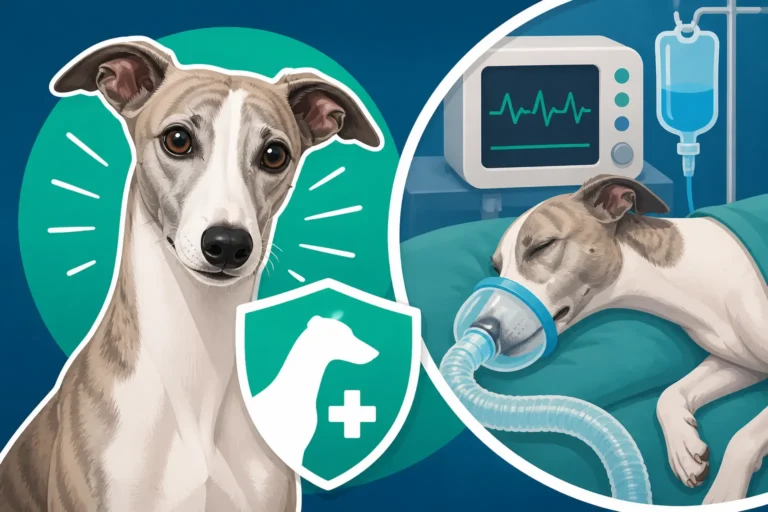
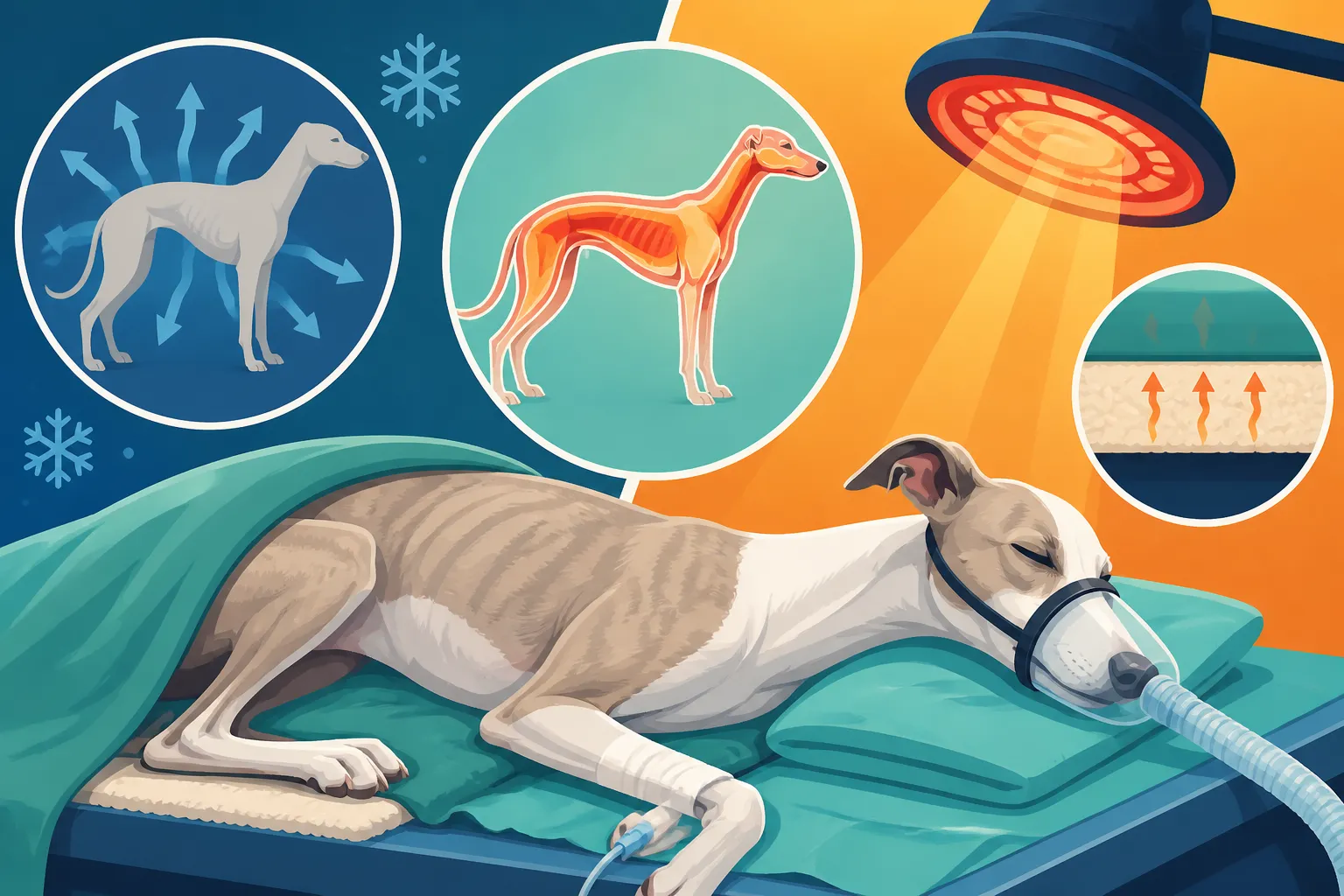
When it comes to keeping a Whippet's core temperature stable during anesthesia, active warming techniques are paramount. These methods involve directly adding heat to the patient's body to counteract heat loss and maintain normothermia. One of the most common and effective tools is a forced-air warming system, often seen as a "Bair Hugger." These devices consist of a flexible blanket with internal channels, connected to a unit that blows warm air through them. The blanket drapes over the patient, enveloping them in gentle, consistent warmth.
Another excellent option is the use of circulating warm water blankets. These blankets have internal channels through which warm water continuously circulates, providing direct conductive heat to the patient. These are often placed on the surgical table under the patient, warming them from below. Furthermore, astute veterinary teams will make sure to warm intravenous fluids to body temperature before administration, preventing the internal cooling effect we discussed earlier. Some also use warmed irrigation solutions if a body cavity is open, again, minimizing heat loss from exposed internal organs. These multi-pronged approaches are critical for Warming a Whippet During Surgery and ensuring their safety.
Passive Warming and Monitoring
While active warming is essential, passive warming techniques also play a crucial role in preventing heat loss. These involve using materials that help to insulate the patient and retain their own body heat. Simple but effective methods include wrapping the Whippet in soft, warm blankets or towels before, during, and after surgery. Even something as basic as bubble wrap or specialized reflective emergency blankets (sometimes called "space blankets") can be used as an insulating layer, trapping air and reflecting body heat back to the patient. Minimizing exposed skin and covering limbs can make a significant difference.
Beyond warming, diligent monitoring of core body temperature is non-negotiable for a Whippet under anesthesia. This means using a rectal or esophageal thermometer to get an accurate, continuous, or at least very frequent, reading of their internal temperature. Modern anesthetic monitoring equipment often includes temperature probes, allowing the veterinary team to see real-time data and react immediately if the temperature starts to drop. This constant vigilance, combined with a robust warming protocol, is what truly protects our Whippets when they are at their most vulnerable.
| Warming Method | Type | Description | Primary Mechanism | Benefit for Whippets |
|---|---|---|---|---|
| Forced-Air Warmers | Active | Blankets with warm air blown through channels, draped over the patient. | Convective heat transfer | Covers large surface area, gentle, consistent warmth. |
| Circulating Water Blankets | Active | Blankets with warm water circulating through internal channels, placed under patient. | Conductive heat transfer | Warms from below, good for maintaining core temperature. |
| Warmed IV Fluids | Active | Intravenous fluids heated to body temperature before administration. | Internal heat transfer | Prevents internal cooling from cold fluids. |
| Warm Blankets/Towels | Passive | Soft fabric layers wrapped around the patient. | Insulation, trapping air | Reduces heat radiation from skin, comforting. |
| Bubble Wrap/Space Blankets | Passive | Materials that trap air or reflect body heat. | Insulation, reflective | Added layer of defense against environmental cooling. |
| Temperature Monitoring | Monitoring | Rectal or esophageal probes provide continuous or frequent temperature readings. | Data acquisition | Allows immediate intervention if temperature drops. |
What Whippet Owners Can Do to Help
As a Whippet owner, you are your dog's most important advocate. Being informed and proactive can significantly contribute to a smoother, safer experience when your Whippet needs anesthesia.
Communicating with Your Vet
Before any scheduled procedure involving anesthesia, open and clear communication with your veterinary team is absolutely vital. Don't be shy about discussing your concerns regarding your Whippet's unique needs. Ask about their specific protocols for sighthound anesthesia. You might ask, "What specific steps do you take to prevent hypothermia in sighthounds during surgery?" or "Do you use forced-air warmers and warmed IV fluids for all your anesthetic patients, especially Whippets?"
Veterinarians are typically very receptive to informed owners who are advocating for their pet's well-being. This conversation allows you to ensure the clinic is well-versed in Why a Whippet Needs a Sighthound Anesthesia Protocol and has the necessary equipment and experience. It's also an opportunity to confirm they monitor core body temperature diligently. Don't assume; ask. Your questions show you care deeply, and a good vet will appreciate your engagement. This is also a good time to confirm costs, and if you have pet insurance like Healthy Paws, how to ensure seamless claims processing for any care.
Pre-Procedure Preparations
There are a few things you can do on the day of the procedure to help your Whippet maintain their warmth from the moment they leave your home. On a cold day, dress your Whippet in a comfortable, warm sweater or coat for the journey to the clinic. Every little bit of insulation helps. If your vet clinic has a warm waiting area, keep them bundled up until it's time for check-in.
When you're discussing the procedure, ask about pre-warming. Some clinics will gently warm patients even before anesthesia induction, especially very small or fragile ones. This might involve placing them on a warm water blanket or wrapping them in warm towels. It starts them off with a higher baseline temperature, giving them a better chance to avoid a significant drop. Also, talk about post-operative care. Will they be kept in a warmed recovery area? Will blankets be available? Knowing these details can put your mind at ease and allow you to continue their warming care immediately upon bringing them home. Ensuring you have adequate pet insurance, like a comprehensive plan from Healthy Paws, can also provide peace of mind for any unexpected needs during recovery, allowing you to focus on your Whippet's comfort and healing. Remember, preparing beforehand is key for these sensitive dogs.
Post-Anesthesia Care and Ongoing Monitoring
Once your Whippet is home, the warming efforts shouldn't stop. They might still be a little groggy and sensitive to cold. Provide a comfortable, warm, and draft-free space for them to rest. Make sure they have plenty of soft blankets, perhaps even a heated bed set on low (ensure it’s pet-safe and doesn't get too hot), to snuggle into. A cozy sweater can also help them feel secure and retain body heat. Even if Whether a Whippet Needs a Coat Indoors seems excessive normally, it can be a real comfort after anesthesia.
Keep an eye on their behavior. Are they still shivering? Are their ears or paws cold to the touch? While some shivering is normal as they fully wake up and their thermoregulation kicks back in, excessive or prolonged shivering might indicate they're still too cold. Don’t hesitate to contact your vet if you have any concerns about their temperature or recovery. Your vigilant care in the hours and days following anesthesia is just as important as the care they received at the clinic, ensuring they make a full and comfortable recovery. A reliable pet insurance plan from Healthy Paws can truly be a lifesaver here, covering those unexpected follow-up visits or additional medications needed during recovery, letting you prioritize your Whippet's health above all else.
Disclaimer
The information provided in this guide is intended for educational purposes only and should not be considered a substitute for professional veterinary advice, diagnosis, or treatment. Always seek the advice of your veterinarian or other qualified animal health provider with any questions you may have regarding a medical condition or treatment for your Whippet.