How Northumberland Miners Bred the First Whippets
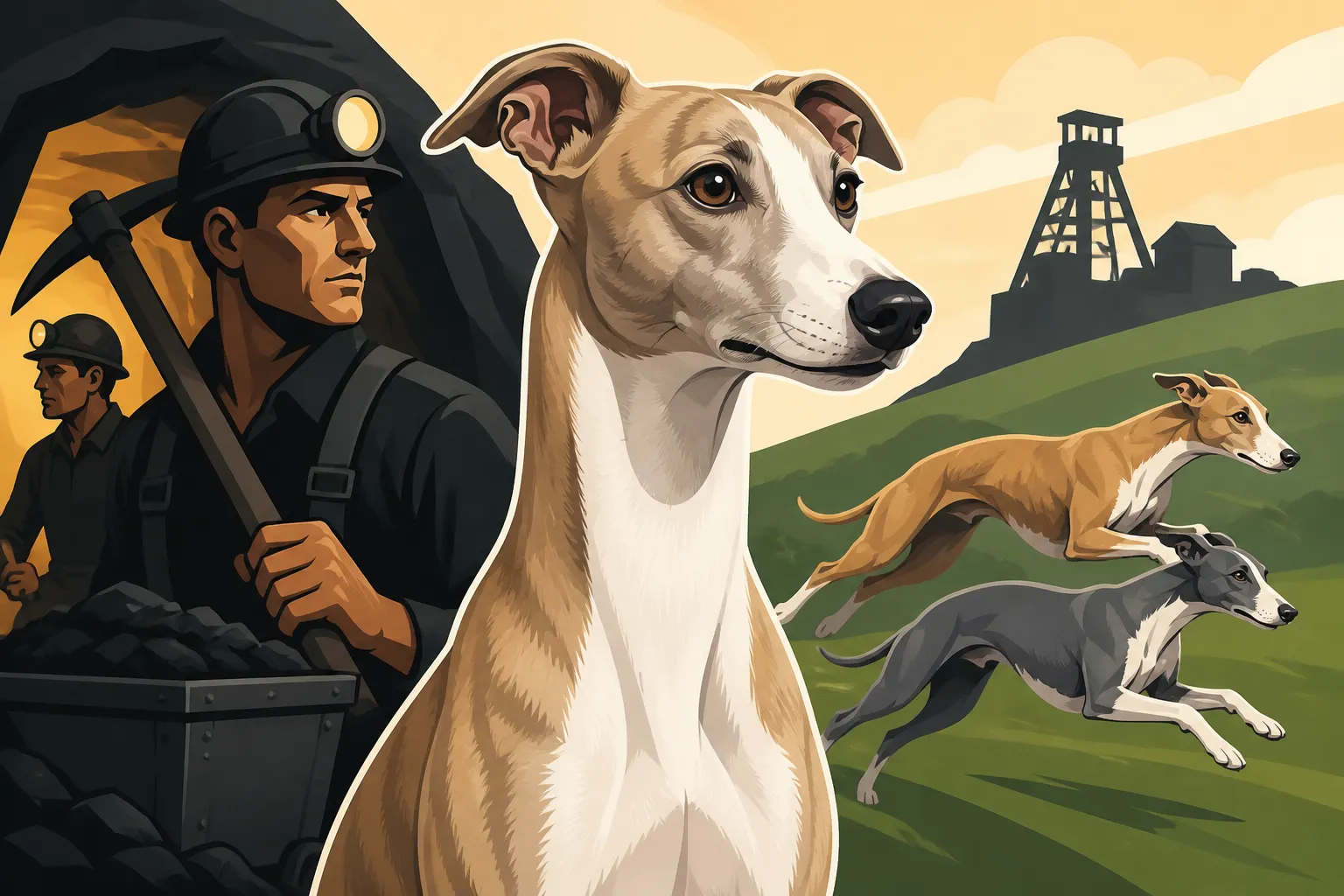
It’s easy to look at the sleek, elegant Whippet today and imagine a refined lineage, perhaps originating from grand estates. But the truth is far grittier and more fascinating. Many people don't realize the Whippet's humble, working-class origins, born from necessity and a love for speed in the challenging environment of the Northern English coalfields. This guide will take you back in time to explore how Northumberland miners, through ingenuity and a deep understanding of their canine companions, shaped the very first Whippets we know and cherish today.
The Birth of the "Poor Man's Racehorse"
Imagine the harsh realities of life in the coalfields of Northumberland and Yorkshire in the 19th century. Long, dangerous hours in the mines, meager wages, and a need for simple, affordable entertainment. This was the crucible in which the Whippet was forged, a dog designed not for aristocratic pursuits, but for the practical needs and recreational desires of the mining communities. They weren't just pets; they were integral to family life and a source of vital income and distraction. The term "Poor Man's Racehorse" truly encapsulated their role, offering the thrill of racing without the prohibitive cost of owning and maintaining a full-sized Greyhound. This was a dog bred with purpose, reflecting the resilient spirit of its owners.
Why Miners Needed a Specific Type of Dog
The miners lived in small homes, often in tight-knit communities where every resource was valued. They needed a dog that was fast and agile, certainly, but also compact enough to live comfortably within their crowded cottages. A massive Greyhound, while possessing incredible speed, was simply too large and expensive to keep for most families. The ideal dog needed to be a hunter, capable of bringing home small game like rabbits, which could supplement the family's often meager diet. Beyond that, they needed a loyal companion, a source of warmth and comfort in a demanding world. The conditions of their lives dictated the very traits they sought to cultivate in their dogs: efficiency, loyalty, and surprising athleticism in a smaller package. They understood that a dog that was easy to care for, yet performed admirably, was a treasure.
The Greyhound Influence: Speed on a Budget
The undeniable speed of the Greyhound was the gold standard for racing, but as mentioned, its size and upkeep were prohibitive for most miners. So, the astute breeders among the mining communities sought to capture that explosive speed in a more manageable form. They selectively bred smaller Greyhounds, focusing on those individuals who, despite their stature, still possessed that incredible drive and burst of acceleration. The goal wasn't just a miniature Greyhound, however. It was a dog that could replicate the Greyhound's performance over shorter distances, making it perfect for the local, informal races that would soon become a cornerstone of weekend entertainment. The keen eye of these miners allowed them to identify and propagate the desired traits, slowly but surely creating a distinct type that retained the elegance and velocity of its larger ancestor, but scaled down to fit their lives. This was genetic engineering born of observation and necessity, long before formal genetics were understood.
The Terrier Touch: Grit and Tenacity
While speed was paramount, the Whippet's ancestral mix wasn't purely sighthound. There's strong evidence, often cited through historical accounts and physical characteristics, that various terrier breeds were introduced into the developing Whippet lines. Breeds like the Manchester Terrier, known for their ratting prowess and boundless energy, likely contributed significantly. This infusion of terrier blood brought a crucial element: grit. Terriers are famously tenacious, robust, and fearless – traits that were highly valuable for hunting vermin and small game. They also added a certain hardiness and intelligence that complemented the sighthound's elegant speed. This blend created a dog that wasn't just fast, but also keen, spirited, and surprisingly tough. It meant the Whippet wasn't just a delicate racer; it was a practical, all-around working dog capable of holding its own in the demanding environment of a miner's life. The terrier influence helped ensure the Whippet was a hardy, resilient companion, not just a fragile speed machine.
The Working-Class Ethos: More Than Just a Racer
The Whippet's role extended far beyond the race track or the hunting field. These dogs were deeply embedded in the lives of their mining families. They were economic assets, certainly, but they were also beloved members of the household, providing emotional support and companionship in a world that offered little comfort. Their adaptability to various tasks and their gentle nature indoors made them truly indispensable. This duality — being a fierce competitor and a gentle house dog — is a hallmark of the breed's origins and a trait still highly valued by owners today. The Whippet’s ability to switch from intense activity to calm relaxation speaks volumes about its balanced temperament, forged in these humble beginnings.
From Pit to Parlor: A Family Member First
Despite their athletic prowess, Whippets were, first and foremost, family dogs. They lived indoors, often sharing beds with children and adults for warmth in unheated cottages. This close proximity to humans fostered an incredibly strong bond and contributed to their famously gentle and affectionate nature. They weren't relegated to outdoor kennels; they were part of the fabric of daily life. This history explains why today's Whippets are such affectionate "couch potatoes," craving human contact and comfort. Their short coats and lack of body fat meant they genuinely needed to be indoors, close to the hearth and their human companions, to stay warm. A miner's Whippet was often a quiet presence in the home, only springing to life when it was time for work or sport. The Wardrobe a Whippet Needs Because It Has No Body Fat explores how modern Whippets still require thoughtful considerations for warmth, echoing their ancestral needs.
Hunting for the Pot: Providing for the Table
Beyond racing, Whippets were highly valued for their ability to hunt. In times of poverty, a rabbit caught by a Whippet could mean the difference between a meager meal and going hungry. They were adept at chasing down small game in fields and hedgerows, utilizing their incredible speed and keen eyesight. This practical function further cemented their place in the miner's household economy. It wasn't just sport; it was sustenance. The phrase "Snap Dog," an older name for the Whippet, hints at their quickness in snapping up prey. This natural hunting instinct is still very much alive in modern Whippets, which is why Why a Whippet Cannot Be Let Off Leash in an Open Field is such crucial reading for owners. The ability to provide for the family through hunting made these dogs more than just pets; they were contributors to survival.
The Early Days of Whippet Racing
Whippet racing, often referred to as "rag racing" or "snap dog racing," was a hugely popular pastime in the mining communities. These weren't the organized, professional events we associate with modern dog racing. Instead, they were community spectacles, informal gatherings that offered excitement, camaraderie, and the chance for a miner to potentially double his week's wages. These races were integral to the social fabric of the time, building community spirit and providing a much-needed escape from the grind of daily life. The passion for these races runs deep in the breed’s history.
Rag Racing: A Sunday Tradition
Sunday was the day of rest, and for many miners, it was also race day. Whippets would be brought to an open field, often a straight track of 200 yards or so. The dog’s owner or a handler would stand at one end, holding the dog, while another person (often a family member) would stand at the finish line, waving a cloth or "rag" to entice the dog to run. The dogs, fueled by their prey drive and bond with their owners, would sprint with incredible speed towards the waving rag. This simple setup required minimal equipment but maximized the dogs' natural instincts. The excitement of these races was palpable, drawing crowds and creating a vibrant social scene. It was a raw, unfiltered expression of the Whippet's innate athleticism. If you've ever watched a Whippet chase a lure, you can almost see the echoes of these early rag races. How a Whippet Rag Race Was Run provides more detail on these fascinating events.
The Stakes Involved: Betting on a Whippet
Betting was a central part of rag racing. For miners earning low wages, a successful Whippet could bring in a substantial sum, sometimes equivalent to a week's pay or more. This made the races incredibly high-stakes affairs, adding to the tension and excitement. Handlers and owners meticulously conditioned their dogs, believing that every edge could mean the difference between winning and losing. Stories abound of miners making fortunes – and losing them – on the outcome of a single race. The integrity of the races was, of course, a constant concern, with discussions of handicapping by weight and other methods to try and level the playing field. This economic incentive drove the selective breeding process, ensuring that only the fastest and keenest dogs were propagated. It was a risky business, but one that offered the tantalizing promise of a better life, even if just for a day. Rag Racing and the Week's Wages Riding on a Whippet delves deeper into the economic impact of these races.
Here's a quick look at some key characteristics that defined the early Whippet, shaped by the miners' needs:
| Characteristic | Miner's Need/Goal | Resulting Trait for Whippet |
|---|---|---|
| Size | Compact for small homes, affordable to feed | Medium-sized, smaller than a Greyhound, but still very fast |
| Speed | Excitement for racing, efficient hunting | Unmatched acceleration and sprint speed for its size |
| Temperament | Family pet, good with children, quiet indoors | Affectionate, gentle, calm indoors, loyal |
| Hardiness | Resilient, capable of various tasks | Robust, tenacious, intelligent, adaptable |
| Prey Drive | Hunting for food, racing success | Strong drive to chase, keen eyesight |
| Coat | Minimal upkeep, good for indoor living | Short, smooth, easy to clean, low odor |
Evolution and Formal Recognition
As the 19th century drew to a close and the 20th began, the informal traditions of the mining communities slowly gave way to more organized dog sports and breed recognition. The Whippet, initially a product of practical necessity and local sport, began its journey toward becoming a recognized purebred dog. This transition was a testament to the undeniable qualities of the breed the miners had so skillfully crafted. It showed that what started as a functional dog for a specific community had universal appeal due to its athleticism and character.
Refining the Breed and Securing its Future
With the rise of dog shows and kennel clubs, there was a growing desire to standardize breeds. The Whippet, with its distinctive appearance and impressive abilities, naturally caught the eye of fanciers beyond the coalfields. Breeders began to focus on consistent type, health, and temperament, moving from purely functional breeding to a blend of function and form. This period saw the establishment of breed standards, which helped to preserve the core characteristics that the miners had so carefully cultivated. While some fear that formal recognition can dilute the working qualities of a breed, for the Whippet, it largely codified what was already a well-defined and beloved type of dog. It ensured the survival of the breed's unique qualities for generations to come. Today, responsible breeders continue to focus on health testing and preserving the breed's iconic traits, much like you'd see discussed for other breeds on informational platforms or even product descriptions on Chewy for breed-specific needs.
How its Purpose Shaped its Form
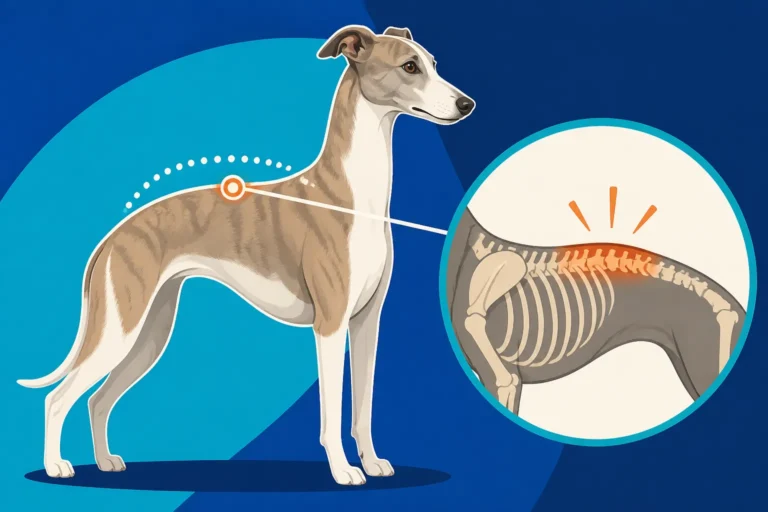
Every aspect of the Whippet's physique speaks to its origins. Its lean, muscular body, deep chest for powerful lungs, flexible spine for extreme reach and drive, and efficient, hare-like feet are all adaptations for speed. Its short, smooth coat, while leaving it vulnerable to cold, was practical for a dog living indoors and requiring minimal grooming after a day of hunting or racing. The rose ears, which fold back to reduce drag when running, and the keen, intelligent eyes, perfect for spotting movement, are all remnants of its sighthound heritage and its working purpose. Even the gentle, biddable nature that makes it such a wonderful house dog today was a crucial trait for a dog expected to be a quiet companion in a small miner's cottage. The miners, perhaps without formal scientific knowledge, understood the principles of form following function, creating a dog perfectly suited for its intended roles. This understanding of its physical makeup is why resources like Why a Whippet's Big Heart Is Not a Diagnosis are important for understanding its unique physiology.
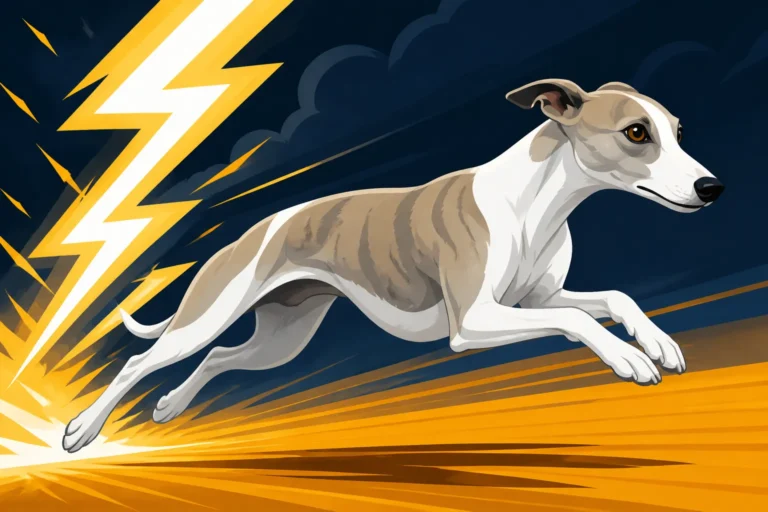
The legacy of the Northumberland miners is deeply etched into every Whippet today. From their lightning speed on the lure course to their gentle curl on the sofa, these dogs carry the spirit of their humble beginnings. They are a testament to the ingenuity and enduring bond between humans and their canine companions, a bond forged in the demanding landscapes of industrial England. When you see a Whippet, you're not just seeing a dog; you're seeing a living piece of history, a "Poor Man's Racehorse" that ran its way into the hearts of many. Even today, finding the right gear for these unique dogs, from warm coats to comfortable beds, is easy with modern retailers like Chewy, helping us continue the tradition of caring for these special dogs.
Disclaimer
This article is for general informational purposes only and does not constitute professional advice. Laws, prices and regulations vary by location and change over time. Consult a qualified professional for guidance on your specific situation.