Whether a Whippet Wound Should Be Left Open
Finding your beloved whippet with a nasty cut or tear can send any owner into an immediate panic. Their delicate skin, a hallmark of their elegant build, is sadly prone to easy injury, and that sudden gash on a leg or flank leaves you wondering, "What do I do now?" Often, the first instinct might be to just keep it clean and see if it heals on its own, but when it comes to whippet wounds, leaving them open is rarely the best, or safest, course of action. This guide will walk you through why an open wound on a whippet is a serious concern and when professional care is absolutely essential.
The Delicate Nature of Whippet Skin: A Unique Challenge
If you live with a whippet, you already know they aren't built like a shaggy terrier or a thick-skinned retriever. Their sleek, finely-boned physique and remarkably thin skin are part of what makes them so beautiful and fast, but it also presents a unique set of challenges when it comes to injuries. Many whippet owners have a story, or several, about a minor bump leading to a surprisingly significant skin tear.
Why Whippet Skin Is So Fragile
It's not just an anecdote; there's a biological reason why whippet skin is so prone to tearing. Unlike many breeds, whippets possess very little subcutaneous fat – that fatty layer just beneath the skin that provides cushioning and insulation. Think of it as nature's bubble wrap. Without it, their skin is almost directly over muscle and bone, offering minimal protection. Add to that the fact that their skin itself is quite thin, lacking the robust dermal layers found in other dogs, and you have a recipe for easy injury.
This anatomical reality means that even seemingly innocuous events can lead to a trip to the vet. A whippet brushing against a rose bush, bumping a table corner a little too hard, or even getting enthusiastic during play can result in a laceration that would barely break the skin on another breed. It's incredibly frustrating, and you might feel like you're constantly on high alert, trying to protect them from their own environment. It's not your imagination; their skin genuinely is that delicate. This vulnerability is why many whippet owners become adept at quick wound care and have their vet's number on speed dial.
Understanding Different Types of Wounds
When you find an injury, it helps to understand what you're looking at, even before you decide on the next steps. Not all wounds are created equal, and some demand immediate attention more than others.
- Scrapes (Abrasions): These are superficial wounds where the top layer of skin has been rubbed or scraped away, often from sliding on pavement or rough surfaces. They might look red and raw, but typically don't involve deep tissue. While they hurt, they generally heal well on their own with proper cleaning and protection.
- Punctures: These are caused by a sharp object penetrating the skin, like a thorn, a nail, or a bite from another animal. The entrance wound might look small and insignificant on the surface, but the damage underneath can be extensive, creating a deep pocket for bacteria to thrive. Punctures are notoriously tricky because you can't always see the full extent of the injury.
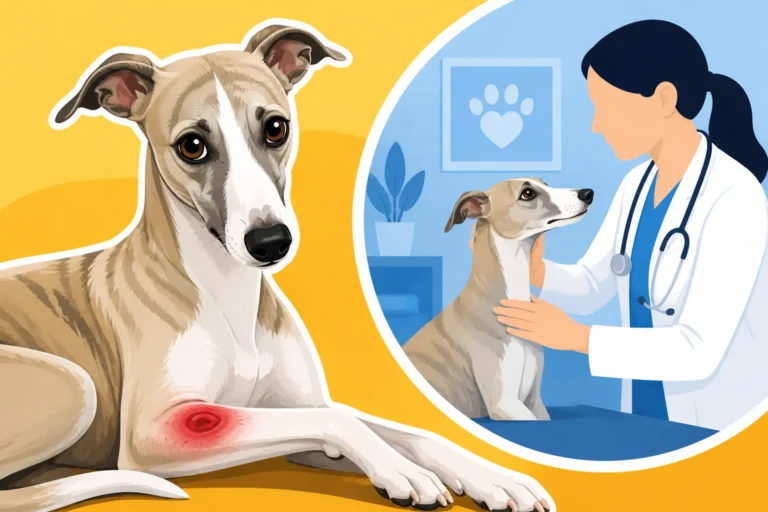
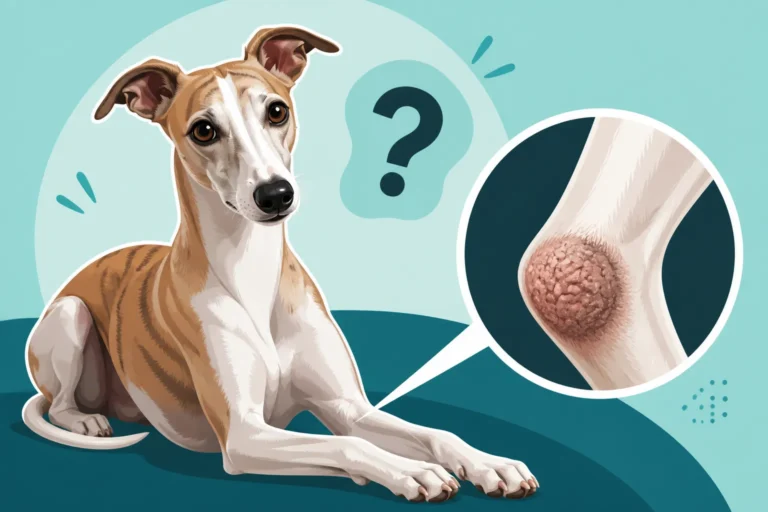
- Lacerations (Tears): These are irregular, jagged tears in the skin, often caused by sharp objects or blunt trauma that pulls the skin apart. For whippets, these are the most common and often the most concerning type of wound. They can range from superficial tears to deep gashes that expose underlying muscle or fat. It's these types of wounds that most often present the dilemma of whether to leave them open or seek closure. The Thin Skin That Sends a Whippet to the Vet for Stitches is a real concern for whippet owners, as lacerations are so frequent.
Understanding these differences helps you make an informed decision about first aid and when to rush to the vet. A tiny scrape is one thing, but a deep laceration or a puncture always warrants a professional opinion.
The Dangers of Leaving a Whippet Wound Open
While it might seem natural to let nature take its course, especially for what looks like a simple cut, leaving a whippet wound open carries significant risks. Their unique physiology means they are particularly susceptible to complications that can escalate quickly.
Infection Is the Primary Threat
An open wound is essentially an open door for bacteria. Our environment, our homes, and even our dog's own skin are teeming with microorganisms. Once the protective barrier of the skin is broken, these bacteria can enter the body, leading to infection. For a whippet, whose immune system is working hard to heal the initial injury, fighting off an infection adds another layer of stress.
You might notice signs like redness spreading from the wound edges, swelling, warmth to the touch, and pus or foul-smelling discharge. Your whippet might also become lethargic, lose their appetite, or develop a fever. If bacteria get into the bloodstream, it can lead to a systemic infection, which is a far more serious, life-threatening condition. Given how rapidly infections can take hold and worsen, especially in deeper wounds, allowing a wound to remain open without proper closure and veterinary assessment is a gamble with your whippet's health. What starts as a simple cut can quickly become a much more complex and expensive medical emergency.
Delayed Healing and Complications
Beyond infection, an open wound on a whippet can also significantly delay the healing process and lead to other complications. When a wound is properly closed, the edges are brought together (a process called primary closure), allowing the body to knit the tissues back together efficiently. This method promotes faster healing, less inflammation, and generally results in a smaller, neater scar.
When a wound is left open, it must heal by a process called secondary intention. This means the wound gradually fills in from the bottom up with granulation tissue, which is essentially new connective tissue and blood vessels. While the body can do this, it's a much slower, more energy-intensive process. Exposed tissue is vulnerable to drying out, which inhibits cell growth, and it's constantly at risk of further contamination or trauma. This prolonged healing time increases the chance of disfiguring scars, or even worse, conditions like "proud flesh" (excessive granulation tissue), which can be difficult to manage. For a breed known for its delicate skin and tendency to scar easily, encouraging faster, cleaner healing through closure is often preferable. How Slowly a Whippet's Skin Heals can be a frustrating aspect of ownership, making proper wound management even more crucial.
Pain and Discomfort
Perhaps most importantly, an open wound is painful. Imagine having a raw, exposed cut on your own body—it stings, it aches, and it's constantly irritated. Your whippet experiences the same discomfort. While they are often stoic, living with an open wound can cause significant distress.
Dogs instinctually lick their wounds, which, contrary to popular belief, often does more harm than good. A dog's mouth is full of bacteria, and excessive licking can introduce more pathogens, irritate the tissue, and even pull out stitches if the wound has been closed. An open wound provides a constant temptation for licking, making it incredibly difficult to keep clean and protected. Pain can also lead to changes in behavior, anxiety, and a reluctance to move, all of which detract from their quality of life during recovery. Ensuring prompt and appropriate care, which often includes pain management prescribed by a vet, is key to your whippet's comfort and well-being.
When Professional Closure Is Absolutely Necessary
While every wound warrants careful observation, there are specific situations where a vet visit and professional closure are not just recommended, but absolutely necessary. Hesitation in these instances can lead to much more severe health issues for your whippet.
Deep Lacerations and Punctures
Any wound that goes beyond the superficial layer of the skin—meaning it penetrates through to expose fat, muscle, or even bone—is an immediate red flag requiring veterinary attention. These are not minor scrapes that will simply scab over. Deep lacerations often gape open, making it impossible for the skin edges to meet and heal on their own. They require sutures (stitches) or surgical staples to bring the edges together, creating an optimal environment for healing. Whether a Whippet's Cut Always Needs Stitches is a question many owners ask, and for deep or gaping wounds, the answer is almost always yes.
Puncture wounds, as mentioned earlier, are particularly insidious. What looks like a tiny hole on the surface can be surprisingly deep, tracking bacteria and debris into underlying tissues. Since you can't see the extent of the damage, a vet needs to thoroughly examine, clean, and often close these wounds to prevent abscess formation or deep tissue infection. Sometimes, this requires exploring the wound under sedation to ensure all foreign material is removed and the wound bed is healthy.
Contaminated or Irregular Wounds
Wounds that are visibly dirty, containing grit, mud, grass, or other foreign materials, almost always need veterinary intervention. A vet can perform a procedure called debridement, which involves carefully cleaning and removing any contaminated or dead tissue. This is a crucial step in preventing infection and promoting healthy healing. Trying to do this thoroughly at home is incredibly difficult and often painful for your dog.
Similarly, wounds with very irregular or jagged edges can be challenging to heal properly. The skin may not lie flat, creating pockets where infection can brew, or the edges may not unite effectively, leading to a large, unsightly scar. A vet can carefully trim and reshape the wound edges, a process called surgical debridement or wound revision, to create clean, straight lines that can be sutured neatly, improving both healing time and cosmetic outcome.
Wounds on Joints or Areas of Movement
Wounds located over joints (like the elbow, knee, or hock) or in areas with high skin tension (such as the chest or abdomen) present a unique challenge. These areas are constantly moving, which puts significant stress on the healing tissue. An open wound in these locations is at a much higher risk of reopening, breaking down, or developing excessive scar tissue due to the continuous pulling and stretching of the skin.
For these types of wounds, careful closure is paramount, often combined with strategies to minimize movement during the initial healing phase, such as bandages or restricted activity. A vet will assess the best way to close the wound to withstand the natural movement of the body part and provide guidance on post-closure care, including keeping the area clean and preventing your whippet from interfering with the stitches. This is where a proper fitting Elizabethan collar or surgical recovery suit, often sourced from places like Chewy or Amazon, becomes absolutely indispensable to prevent licking and chewing. Whether a Whippet Should Wear a Cone After Stitches is not really a question but a necessity in most cases.
First Aid for Whippet Wounds Before the Vet
Discovering a wound on your whippet can be startling, but knowing what to do immediately can make a significant difference in their comfort and the healing process. These steps are crucial while you prepare to get them to the veterinarian.
Initial Assessment and Containment
The very first thing to do is remain calm. Your whippet will pick up on your anxiety, which can make them more stressed and less cooperative. Gently approach your dog and try to get a good look at the wound. If your whippet is in pain, even the most docile dog can snap, so consider a muzzle if you have one and think there's a risk. Their comfort and your safety are paramount.
Once you can safely assess the wound, your priority is to stop any active bleeding. Apply direct, firm pressure to the wound using a clean cloth or sterile gauze. If blood soaks through, add more layers without removing the first ones, as this can disrupt clot formation. Maintain pressure for several minutes. Most whippet skin tears will stop bleeding with consistent pressure. Once bleeding is controlled, or significantly reduced, you can move to the next step.
Cleaning and Protecting the Area
After controlling bleeding, gently clean the wound. The goal here is to remove any visible dirt or debris, not to sterilize it with harsh chemicals. Use warm water, or ideally, a saline solution. You can make saline by dissolving a teaspoon of salt in two cups of warm water. Gently flush the wound, letting the water run over it to wash away loose contaminants. Avoid using hydrogen peroxide, rubbing alcohol, or iodine, as these can damage delicate tissue and delay healing, especially on a whippet's thin skin. A mild, pet-safe antiseptic spray or wash, often available from online retailers like Chewy or Amazon, might be acceptable if recommended by your vet, but plain water or saline is always safe for initial cleaning.
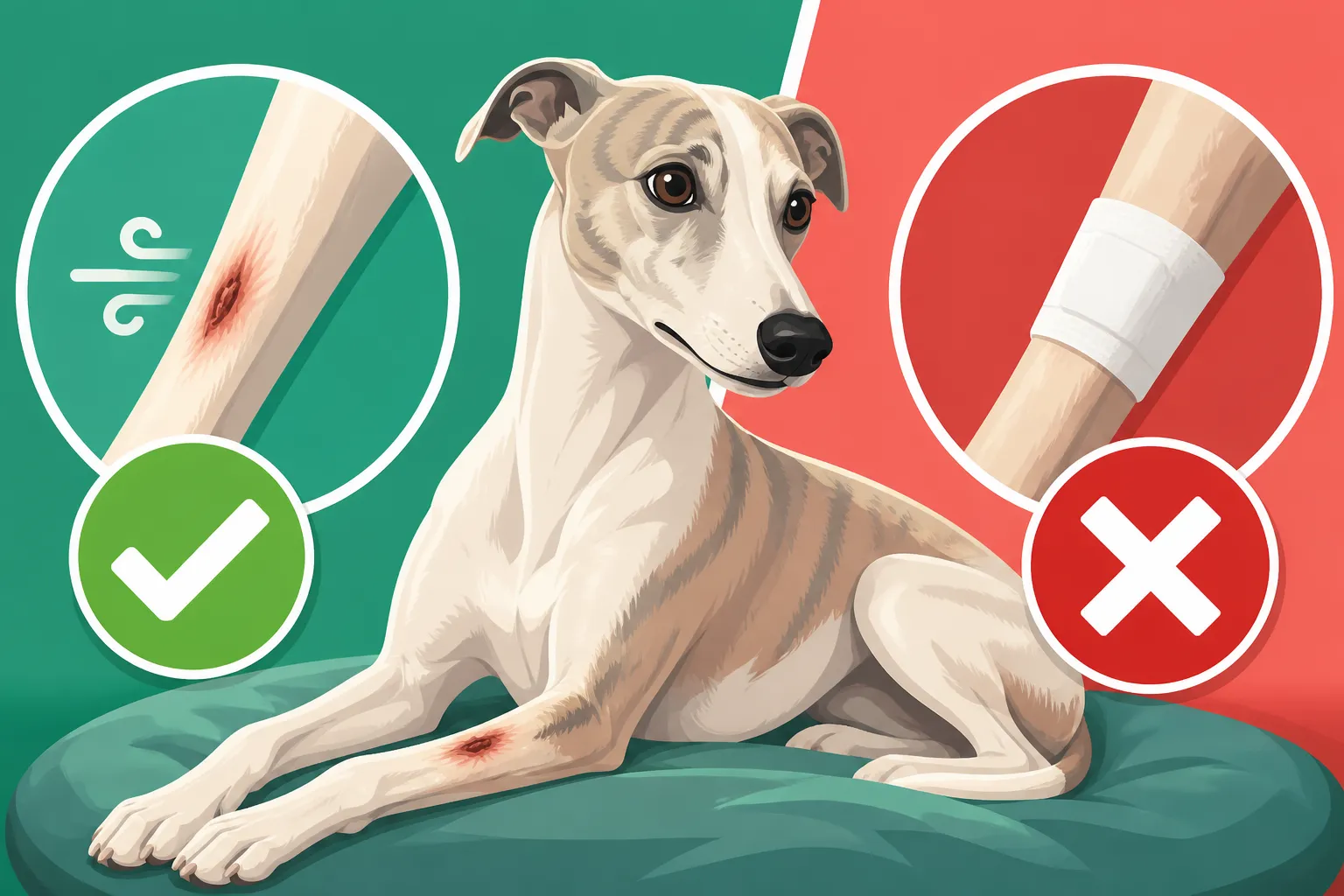
Once cleaned, protect the wound. Cover it loosely with a clean, non-stick dressing or a clean cloth. You don't want to tape it tightly, as this can cut off circulation or irritate the delicate skin. The aim is to create a barrier against further contamination during transport to the vet. This initial protection is important as Cleaning and Dressing a Whippet's Cut is a key part of preventing infection. Many whippet owners keep a basic first aid kit (What to Keep in a Whippet First Aid Kit) on hand specifically for these common injuries.
Transporting Your Whippet to the Vet
With the wound cleaned and protected, the next critical step is to get your whippet to the vet promptly. For deep cuts, punctures, or actively bleeding wounds, an emergency visit is often warranted. Call your vet or the nearest emergency animal clinic ahead of time to let them know you're coming and what the issue is. This allows them to prepare for your arrival. Whether a Whippet Should See an Emergency Clinic for a Cut is often a question of severity and timing, and it's always better to err on the side of caution.
During transport, keep your whippet as calm and still as possible. You might need to place them in a crate or have a passenger hold them securely. The less movement and excitement, the better for both their comfort and the stability of the wound. Follow all instructions given by your vet and prioritize getting professional help without delay. Remember, swift action can often prevent minor injuries from becoming major complications.
The Healing Process: Closed vs. Open (Secondary Intention)
Understanding how wounds heal, whether closed by a vet or left to mend on their own, can clarify why professional intervention is so often preferred for whippets. Each method has its place, but for most whippet skin tears, intentional closure is the gold standard.
Primary Closure (Sutures/Staples)
Primary closure is the preferred and most common method for managing clean, fresh wounds on whippets. This is where a veterinarian physically brings the edges of the wound together, typically using sutures (stitches) or surgical staples, and sometimes even medical adhesive. The goal is to perfectly align the skin layers and underlying tissues, effectively "sealing" the wound.
The benefits of primary closure for a whippet are numerous:
- Faster Healing: By bringing the edges together, the body has a much shorter gap to bridge with new tissue, significantly accelerating the healing process.
- Reduced Infection Risk: A closed wound creates a barrier against environmental contaminants, drastically lowering the chance of bacterial entry and subsequent infection.
- Less Scarring: When edges are neatly approximated, the wound tends to heal with a finer, less noticeable scar, which is often a concern for whippet owners due to their thin coats and visible skin.
- Reduced Pain: A closed wound is generally less painful and irritating than an open one, leading to a more comfortable recovery for your whippet.
After primary closure, your vet will provide specific instructions for post-operative care. This almost always includes keeping the wound clean and dry, preventing your whippet from licking or chewing at the stitches (hence the cone of shame!), and restricting activity to prevent the stitches from tearing out. Treating a Whippet's Skin Tear often involves this kind of careful, sutured closure. Regular checks of the wound, either by you or at follow-up vet appointments, are also vital to ensure proper healing.
Healing by Secondary Intention (When Wounds Are Left Open)
While primary closure is ideal, there are specific circumstances where a veterinarian might intentionally choose to leave a wound open, allowing it to heal by secondary intention. This is a deliberate medical decision made by a professional, not a default or DIY approach for your average whippet cut.
Reasons a vet might opt for secondary intention healing include:
- High Contamination: If a wound is extremely dirty or infected, a vet might choose to leave it open after thorough cleaning (debridement) to allow for drainage and continued cleansing, preventing bacteria from being trapped inside.
- Significant Tissue Loss: Wounds where a large amount of skin or tissue has been lost, making it impossible to bring the edges together without excessive tension, may be left open to heal gradually.
- Delay in Presentation: If a wound is several days old and already shows signs of infection or necrosis, primary closure might not be successful, and secondary intention healing could be a safer option.
In secondary intention healing, the wound gradually fills in with granulation tissue from the bottom up. Over time, the wound contracts, and new skin cells grow over the surface. This process is much slower and requires intensive management, often involving daily wound cleaning, dressing changes, and careful monitoring for infection. It typically results in a larger, more noticeable scar.
It's critical to understand that choosing to leave a whippet wound open should be a veterinary decision, not an owner's choice, unless it's a very superficial scrape. For the common deep skin tears whippets experience, professional closure offers the best chance for a fast, clean, and comfortable recovery. The costs associated with What a Whippet Laceration Repair Costs are often a worthwhile investment to avoid the prolonged pain and potential complications of an untreated, open wound.
Comparing Healing Methods for Whippet Wounds
To help visualize the differences and benefits, here's a comparison of primary closure and secondary intention healing for whippet wounds:
| Feature | Primary Closure (Sutured/Stapled) | Secondary Intention (Left Open) |
|---|---|---|
| Healing Time | Faster (days to a couple of weeks) | Slower (weeks to months) |
| Infection Risk | Lower (sealed barrier) | Higher (exposed to environment, requires diligent care) |
| Scarring | Minimal, finer scar | More pronounced, potentially disfiguring scar |
| Pain/Discomfort | Generally lower after initial procedure | Higher, prolonged discomfort due to exposed tissue |
| Veterinary Involvement | Initial assessment, closure, post-op instructions, stitch removal | Initial assessment, daily cleaning/dressing changes (often for weeks) |
| Typical Scenario | Clean, fresh lacerations or surgical incisions | Contaminated wounds, significant tissue loss, established infections |
| Cost Implications | Upfront cost for closure and meds | Potentially higher overall due to prolonged care, dressing supplies |
Ultimately, for most of the accidental skin tears that whippets are so prone to, primary closure is the vastly superior option. It reduces suffering, minimizes risks, and promotes the best possible outcome. Always consult your veterinarian when faced with any significant wound on your whippet.
Disclaimer
This article is for general informational purposes only and does not constitute professional advice. Laws, prices and regulations vary by location and change over time. Consult a qualified professional for guidance on your specific situation.