Which Shampoo Suits a Whippet’s Thin Skin
If you're a Whippet owner, you've probably noticed just how delicate their skin truly is. It's thin, sparsely covered, and seems to tear or get irritated at the slightest provocation, making finding the right shampoo a real head-scratcher. This guide is here to walk you through understanding your Whippet's unique dermatological needs and help you choose shampoos that will soothe and protect their precious skin, rather than cause more problems.
Understanding Your Whippet's Unique Skin and Coat
When you look at your Whippet, what do you see? A sleek, athletic form, yes, but also a dog with skin that appears almost translucent in places. It’s a beautiful trait, but it also comes with its own set of care challenges that many other breeds just don’t experience.
The Delicate Nature of Whippet Skin
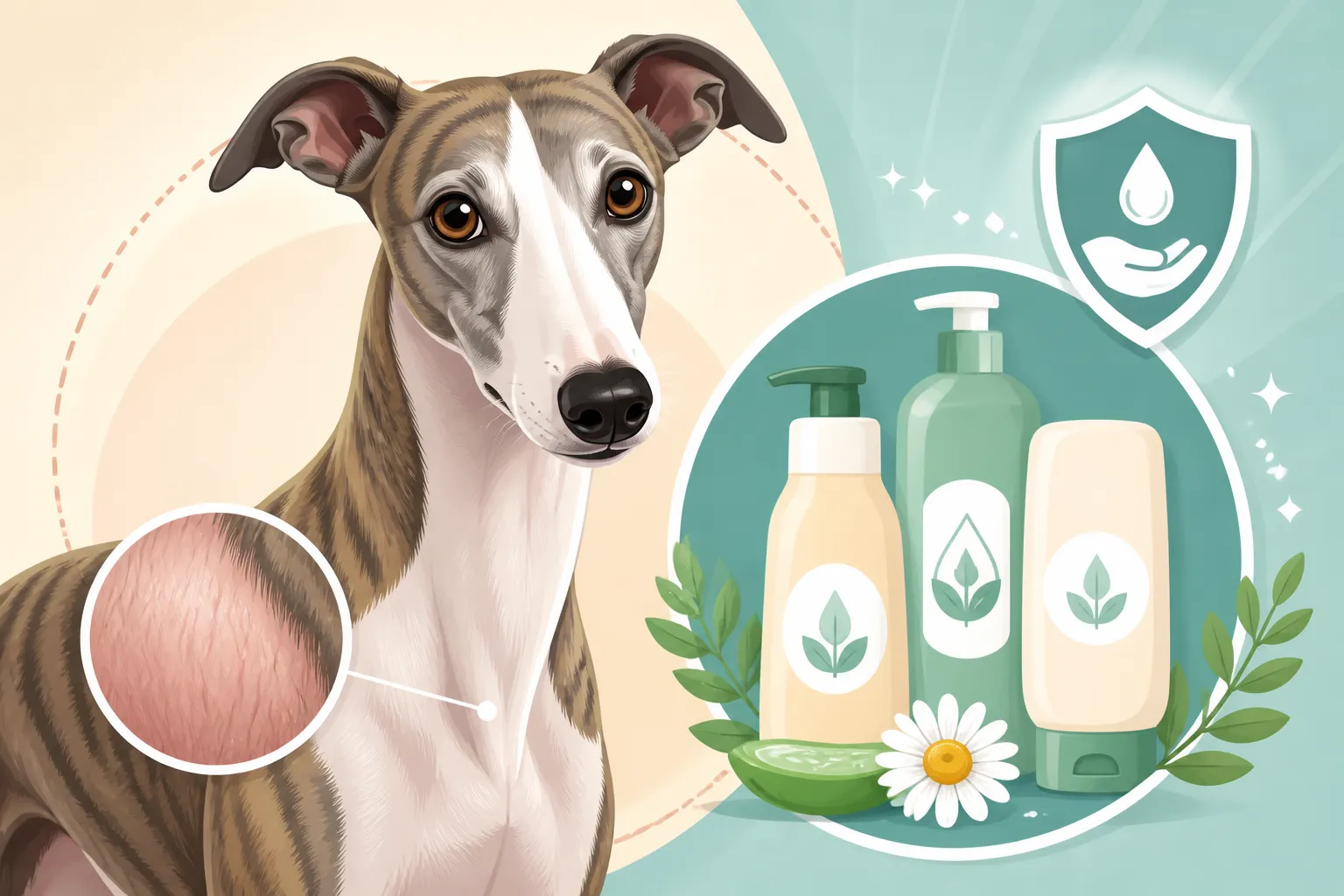
Unlike breeds with thick double coats or abundant body fat, Whippets possess very fine, short fur and remarkably thin skin that sits close to their musculature. This lack of natural insulation and padding means their skin is less protected from external elements and trauma. It’s a bit like having very fine tissue paper instead of sturdy cardboard protecting a delicate package. This delicate structure is part of their sighthound physiology, built for speed and agility, not for bushwhacking through thorny undergrowth. It’s why you might find yourself dealing with minor nicks and scrapes more often than you’d expect, even from everyday activities. Indeed, the common refrain among Whippet owners is how easily their dogs end up needing The Thin Skin That Sends a Whippet to the Vet for Stitches, which is a testament to this inherent fragility.
Because their skin is so fine and directly exposed, it's also more susceptible to environmental factors like dry air, harsh detergents, and allergens. You might notice areas of dryness, slight flakiness, or even a subtle redness if a product or environmental condition isn't agreeing with them. Many Whippet owners instinctively layer their dogs in coats and pajamas, not just for warmth because A Whippet Has No Insulation and No Padding, but also as a physical barrier to protect that vulnerable skin from bumps and scrapes. Their skin simply doesn't have the robust defenses that heavier-coated or thicker-skinned dogs do, demanding a more thoughtful approach to grooming and daily care.
Why Generic Dog Shampoos Aren't Always the Answer
Walking down the pet aisle, you're faced with an overwhelming array of dog shampoos, all promising a clean, shiny coat. For many breeds, a good quality, general-purpose dog shampoo might be perfectly adequate. But for a Whippet, those "one size fits all" solutions can often be the source of irritation rather than relief. The problem lies in the ingredients. Many commercial shampoos, especially those not specifically formulated for sensitive skin, contain harsh chemicals designed to cut through grease and dirt, create abundant lather, and leave a strong scent.
Ingredients like sulfates (e.g., Sodium Lauryl Sulfate, Sodium Laureth Sulfate), artificial dyes, and strong synthetic fragrances are common culprits. While they might make a product feel luxurious or smell fresh to us, on a Whippet's thin, sensitive skin, they can be incredibly disruptive. Sulfates, for instance, are powerful detergents that can strip the skin of its natural protective oils, leading to dryness, itching, and an impaired skin barrier. Artificial fragrances, while pleasant to human noses, are a frequent trigger for contact dermatitis and allergic reactions in dogs. If you've ever used a product on your Whippet and then noticed them scratching more, or their skin looking a little redder, a harsh ingredient in their shampoo could very well be the reason. It's a frustrating cycle, because you're trying to help them, but inadvertently making things worse.
Key Ingredients to Look For in a Whippet Shampoo
Choosing a shampoo for your Whippet is less about the brand name and more about diligently reading the ingredient list. You're looking for formulations that support their delicate skin, not challenge it. Think of it like choosing skincare for a newborn baby – gentle, nourishing, and free from anything potentially irritating.
Gentle Cleansers and Moisturizing Agents
The foundation of a good Whippet shampoo starts with its cleansing agents. Steer clear of sulfates and instead look for naturally derived, mild surfactants. Ingredients like cocamidopropyl betaine, decyl glucoside, or sodium coco-sulfate (a milder coconut-derived alternative to harsher sulfates) are often found in gentler formulas. These agents effectively clean without stripping essential moisture from the skin and coat. The goal is to remove dirt and grime without compromising the skin's natural lipid barrier.
Beyond gentle cleansing, moisturizing ingredients are paramount for Whippet skin. Look for shampoos that actively incorporate soothing and hydrating components. Colloidal oatmeal is a superstar here, renowned for its anti-inflammatory properties and its ability to relieve itching and rehydrate dry skin. Aloe vera, a natural emollient, offers similar soothing benefits. Glycerin and various natural oils like coconut oil or argan oil can help replenish moisture and leave the skin supple and the coat soft. Vitamin E is another excellent addition, providing antioxidant support and promoting skin health. For dogs prone to Dandruff on a Whippet, these moisturizing elements are particularly crucial to prevent the dryness that often contributes to flaky skin. Many of these specialized sensitive skin shampoos are readily available through online retailers like Chewy or Amazon, where you can easily filter for these specific ingredients.
Avoiding Irritants and Allergens
Just as important as knowing what to look for, is knowing what to avoid. The fewer potentially irritating ingredients in your Whippet's shampoo, the better. As mentioned, artificial fragrances are high on the list. While we might enjoy a dog that smells like "fresh meadows," your Whippet's sensitive nose and skin might not appreciate the synthetic chemicals used to create that scent. Opt for fragrance-free products, or those scented with natural essential oils known for their gentle properties, though even these should be used with caution and patch-tested first.
Artificial dyes, parabens (preservatives that some studies suggest may be linked to health concerns), and phthalates (often found in synthetic fragrances) are also ingredients best left out of your Whippet's grooming routine. These additives offer no benefit to your dog's skin or coat and only increase the risk of irritation or allergic reactions. It's about minimizing exposure to anything unnecessary. When selecting a new product, especially if your Whippet has a history of skin sensitivity, perform a small patch test on a less visible area, like a patch of skin on their belly or inner thigh, to ensure there's no adverse reaction before committing to a full bath. This vigilance can save your Whippet from uncomfortable itching and redness.
Top Shampoo Types and Recommendations for Whippets
With their unique skin, Whippets truly benefit from specific types of shampoos designed to be ultra-gentle and nourishing. Forget the harsh cleansers; we’re aiming for comfort and health.
Hypoallergenic and Sensitive Skin Shampoos
For many Whippet owners, the term "hypoallergenic" quickly becomes a favorite. These shampoos are specifically formulated to minimize the risk of allergic reactions. They typically avoid common allergens and irritants like strong fragrances, dyes, sulfates, and parab. They focus on pure, simple ingredients that clean effectively without provoking a response. If your Whippet tends to get itchy, develops redness, or has an unknown sensitivity, a hypoallergenic formula is often the safest starting point. It’s like a clean slate for their skin. These are fantastic for routine bathing, especially if your Whippet doesn't get excessively dirty or smelly, as they cleanse gently without stripping natural oils. You might find that even if your Whippet just tends to shiver and burrow, Why a Whippet Barely Smells means they don't need heavy-duty deodorizing shampoos anyway, making a gentle option ideal.
There are many excellent options available on the market that cater to sensitive skin, often found on reputable pet supply sites like Chewy. When browsing, look for claims like "for sensitive skin," "tearless formula," or "fragrance-free." Remember, even within these categories, ingredients can vary, so always double-check the label for those gentle cleansers and moisturizing agents we discussed earlier.
Oatmeal and Soothing Shampoos
Colloidal oatmeal shampoos are practically a Whippet owner's best friend. Oatmeal has long been recognized for its incredible ability to soothe irritated, itchy, and dry skin. It contains avenanthramides, natural compounds with anti-inflammatory and anti-itch properties. When bathing your Whippet, an oatmeal shampoo creates a protective barrier on the skin, helping to lock in moisture and reduce irritation.
These shampoos are particularly beneficial if your Whippet suffers from seasonal allergies, dry skin due to low humidity, or experiences mild itching from environmental factors. They're also great for regular maintenance, keeping the skin hydrated and comfortable. Many oatmeal shampoos are also infused with other calming ingredients like aloe vera or chamomile, which further enhance their soothing effects. Consider incorporating an oatmeal shampoo into your regular grooming routine, especially if you're bathing your Whippet as frequently as How Many Baths a Year a Whippet Needs might suggest. You can often find highly-rated oatmeal shampoos on platforms like Amazon with detailed ingredient lists, allowing you to choose one without harsh additives.
pH-Balanced Formulas
This might sound like a minor detail, but pH balance is critical for canine skin health, and especially for a Whippet's delicate epidermis. A dog's skin pH is naturally different from a human's; it's typically more alkaline, ranging from around 6.5 to 7.5, whereas human skin is more acidic (around 5.5). Using a human shampoo on a dog, even a mild one, can disrupt their skin's natural pH balance, leading to dryness, irritation, and creating an environment ripe for bacterial or fungal growth.
A pH-balanced dog shampoo is formulated to match the natural pH of canine skin. This helps maintain the integrity of the skin's protective acid mantle, which acts as a barrier against pathogens and prevents moisture loss. For a Whippet, whose skin is already a bit more vulnerable, maintaining this barrier is paramount. Always look for shampoos explicitly labeled as "pH-balanced for dogs." This ensures you're supporting their natural defenses and not inadvertently causing problems, which can be particularly important if your Whippet experiences skin sensitivities, such as those that might stem from Flea Treatment Reactions in a Whippet. While brands like Ollie are well-known for their focus on quality nutrition, the general philosophy of seeking out natural, appropriate, and balanced solutions extends to their grooming products as well.
Beyond the Bottle: Bathing Techniques and Post-Bath Care
Choosing the right shampoo is only half the battle. How you bathe your Whippet and what you do afterward are equally important for maintaining their delicate skin health. It's a holistic approach to keeping them comfortable and their skin happy.
Gentle Bathing Practices for Delicate Skin
When it comes to bathing your Whippet, think "gentle" from start to finish. First, ensure the water temperature is comfortably lukewarm – not hot, not cold, but just right for your dog. Too hot can further dry out their skin, and too cold can make them shiver excessively, which is already a common Whippet trait. Before applying shampoo directly, it's often a good idea to dilute it slightly with water. This makes it easier to distribute evenly and helps ensure thorough rinsing, preventing any concentrated spots that could irritate.
Apply the diluted shampoo gently, using your fingertips to massage it into their coat and skin, moving in the direction of hair growth. Avoid vigorous scrubbing or using harsh brushes, as this can irritate or even abrade their thin skin. Pay special attention to areas that get dirtier, like paws and the underside of their belly, but always with a soft touch. The most critical step is rinsing. Rinse, and then rinse again, and then rinse one more time. Any shampoo residue left on the skin can cause itching, dryness, and irritation, negating all your careful shampoo choices. Ensure the water runs clear from all parts of their body, paying close attention to armpits and groin areas where residue can easily hide. After all that rinsing, your Whippet will be ready for the next step, which often involves some sort of post-bath conditioning.
Post-Bath Moisture and Skin Protection
Once you’ve rinsed every last bubble away, it’s time to dry your Whippet. Gently blot and squeeze excess water from their coat with a soft, absorbent towel. Avoid rubbing vigorously, as this can again irritate their skin or tangle their fine fur. Whippets dry relatively quickly due to their short coats, but in colder weather, a warm towel or even a low-setting, cool-air blow dryer can help prevent them from getting chilled. Just be sure to keep the dryer moving and never use hot air, which can dry out their skin and cause discomfort.
For an extra layer of skin protection and hydration, consider using a dog-specific conditioner, especially if your Whippet has dry skin or you live in a dry climate. Whether a Whippet Needs Conditioner is a common question, and for many with sensitive skin, the answer is a resounding yes. Look for lightweight, moisturizing conditioners with similar gentle ingredients as your shampoo. You can also find leave-in conditioning sprays that can be misted onto their coat after drying, providing continuous hydration without needing another rinse. Finally, remember that your Whippet’s skin is sensitive to the sun too. If they're going to be outside for an extended period after a bath, especially if they have pinker skin, ensure they have shade or consider a dog-safe sunscreen on exposed areas like ear tips or the bridge of their nose.
When to Consult Your Vet About Skin Issues
While careful grooming and selecting the right shampoo can resolve many minor skin irritations for your Whippet, it's vital to recognize when a problem goes beyond what a good bath can fix. Their delicate skin often signals deeper issues more quickly than other breeds might.
Recognizing Signs of Trouble
Your Whippet's skin is a good indicator of their overall health. If you notice persistent itching, beyond just a casual scratch, it's a red flag. Look for signs like constant licking or chewing at specific areas, which can lead to hot spots or secondary infections. Redness, inflammation, or a rash are clear indicators of irritation. Hair loss, thinning coat, or bald patches that aren't typical for their breed or age should also prompt concern. Sometimes, the issue isn't visible at first glance; you might notice a change in their skin's texture, becoming scaly, greasy, or unusually dry, or a strange odor even shortly after bathing. These aren't just cosmetic problems; they could signify an underlying health issue. While we want to avoid unnecessary worry, it's always best to be observant. For instance, sometimes a simple cut might seem like a skin tear and something a Whippet Owner Should Keep a First Aid Kit for, but if it's accompanied by other widespread skin issues, it points to a systemic problem.
The Importance of Professional Diagnosis
If you observe any of these persistent or worsening signs, a trip to your veterinarian is in order. A specialized shampoo might offer temporary relief, but it cannot cure an underlying medical condition. Skin problems can stem from a wide array of causes, including environmental allergies, food sensitivities, parasitic infestations (even with preventative treatment), bacterial or fungal infections, hormonal imbalances, or autoimmune diseases.
Your vet can perform diagnostic tests, such as skin scrapings, cytology, blood work, or allergy testing, to accurately identify the root cause of your Whippet's discomfort. Based on their diagnosis, they can then recommend the most appropriate course of action, which might include specific medicated shampoos, oral medications, dietary changes, or other targeted treatments. Trying to self-diagnose and treat complex skin conditions can delay proper care and prolong your Whippet's discomfort. Think of your vet as your partner in keeping your Whippet healthy and happy, especially when it comes to their exceptionally delicate skin.
Whippet Shampoo Comparison Table
Here's a quick look at different shampoo types and their ideal uses for a Whippet's thin, delicate skin:
| Shampoo Type | Key Ingredients | Best For | Benefits | Avoid If… |
|---|---|---|---|---|
| Hypoallergenic/Sensitive | Mild, naturally derived cleansers, aloe vera | Routine bathing for all Whippets, especially those with unknown sensitivities or prone to irritation. | Minimizes risk of allergic reactions, cleanses without stripping natural oils, often tearless. | You need specific medicated treatment for a diagnosed condition. |
| Oatmeal/Soothing | Colloidal oatmeal, aloe vera, chamomile, vitamin E | Itchy, dry, flaky, or irritated skin; seasonal allergies; post-outdoor activity to calm skin. | Provides anti-itch and anti-inflammatory relief, rehydrates skin, helps repair skin barrier. | Your Whippet has an open wound or severe skin infection (consult vet first). |
| pH-Balanced | Formulated to match canine skin pH | All Whippets, as a foundational choice for maintaining skin health. | Supports skin's natural protective barrier, prevents dryness and irritation from pH imbalance, reduces risk of bacterial/fungal growth. | It contains harsh additives despite being pH-balanced. |
| Moisturizing | Glycerin, coconut oil, argan oil, shea butter | Dry climates, Whippets with chronically dry skin, after frequent baths. | Replenishes moisture, conditions coat, leaves skin supple, prevents dullness and flakiness. | Your Whippet tends to have greasy skin or needs deep cleaning. |
| Medicated | Chlorhexidine, miconazole, benzoyl peroxide (Vet-prescribed) | Specific bacterial, fungal, or dermatological conditions diagnosed by a vet (e.g., pyoderma, ringworm). | Targets and treats specific skin infections or conditions, prescribed based on diagnosis. | Used without veterinary guidance; can be too harsh for healthy skin. |
Disclaimer
This article is for general informational purposes only and does not constitute professional advice. Laws, prices and regulations vary by location and change over time. Consult a qualified professional for guidance on your specific situation.