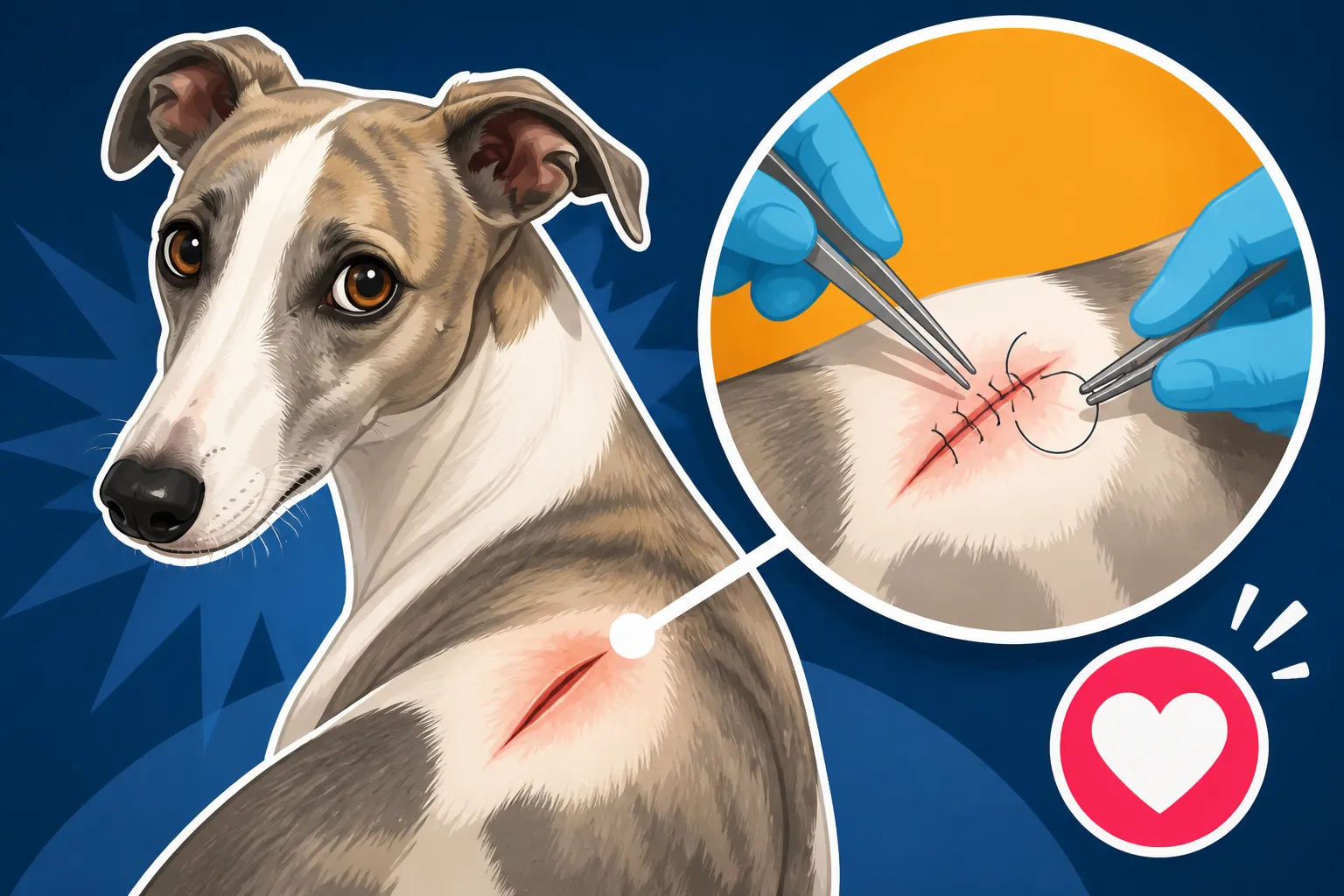
The Thin Skin That Sends a Whippet to the Vet for Stitches
It's a moment every whippet owner knows too well: you turn your back for a second, or perhaps you're out on a walk, and suddenly, there's a yelp, a frantic look, and then the sickening sight of blood on your beautiful dog's leg or flank. Whippet skin, as many of us have learned the hard way, is incredibly thin and surprisingly fragile, making them prone to cuts, scrapes, and deep lacerations that often require an emergency trip to the vet for stitches. This guide is here to walk you through why these incidents happen, what to do when they do, and how you can try to prevent them, offering a realistic look at living with a breed whose skin is both a marvel of speed and a source of constant worry.
Understanding Your Whippet's Delicate Skin
Anyone who lives with a whippet quickly learns that their sleek, athletic build comes with a trade-off: incredibly delicate skin. It’s not just an aesthetic; it’s a biological reality that impacts their daily life and your peace of mind as an owner.
Why Whippets Have Such Thin Skin
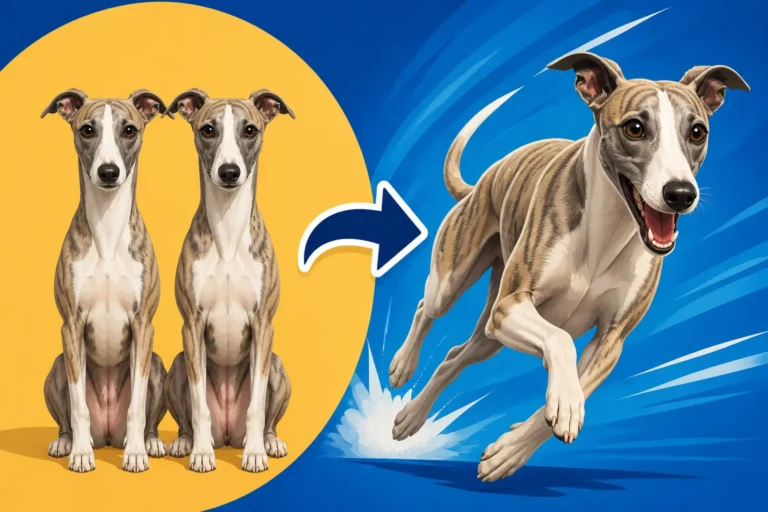
It’s truly something you have to experience to understand fully. Your whippet isn't built like a Labrador with a thick coat and a layer of subcutaneous fat acting as a natural buffer. Instead, they are finely tuned athletes, and their physical structure reflects that. They possess very little body fat, which is fantastic for speed and agility, but it leaves their skin with minimal padding. Think of it like a finely stretched silk cloth over a taut frame – beautiful, but easily snagged or torn. Their fur is also incredibly short and fine, offering little in the way of protection against external elements or minor bumps and scrapes. There's a common saying among sighthound owners: "A Whippet Has No Insulation and No Padding," and this isn't just about keeping them warm; it's profoundly true for their skin's vulnerability.
This physiological characteristic is deeply rooted in their history as sight hounds, bred for chasing and coursing. Every aspect of their body, from their long legs to their deep chest and sleek coat, is designed for maximum speed and minimal drag. In their ancestral environment, chasing prey across open fields, they likely didn't encounter the same kind of everyday hazards that modern whippets do in homes, yards, or dog parks. A quick brush against a sharp corner of furniture, a playful tumble with another dog, or a simple misstep while running can result in a laceration that would barely graze a thicker-skinned breed. It’s not about them being clumsy; it’s about their skin being inherently unsuited to absorbing impact or resisting abrasion.
Common Areas Where Skin Tears Occur
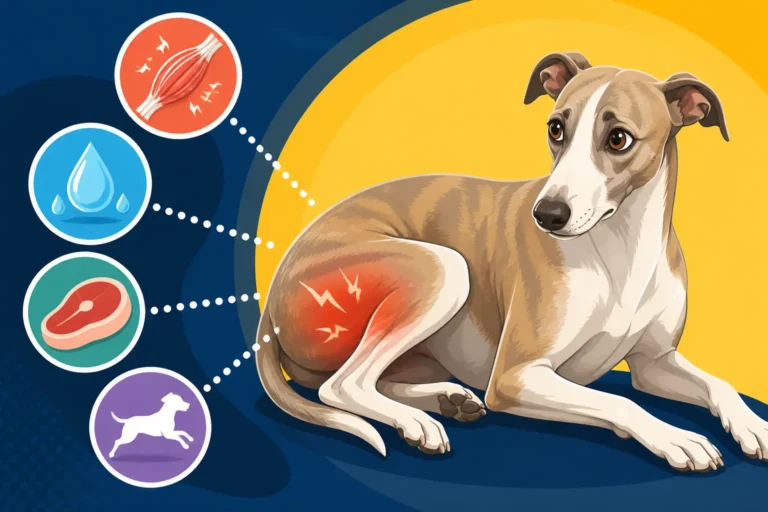
Once you start experiencing these skin tears, you’ll notice a pattern. Certain areas of a whippet’s body are just magnets for injury. The most common culprits are typically the legs, especially the front legs, the flanks, and occasionally the chest. These are areas with prominent bones close to the surface and minimal muscle or fat coverage, making them particularly exposed.
Consider their front legs: they are long, slender, and often the first part of their body to make contact with an obstacle. Whether they're zooming around the backyard, playing tug-of-war, or simply navigating tight spaces indoors, a misstep can easily lead to their leg brushing against a sharp edge or getting caught. The skin on their flanks is also notoriously thin, often stretching tautly when they run or turn sharply. A playful nip from another dog, or even catching themselves on something in the environment, can cause a nasty tear. It’s not uncommon for owners to discover a wound on a flank after an energetic play session, without ever having seen the incident occur.
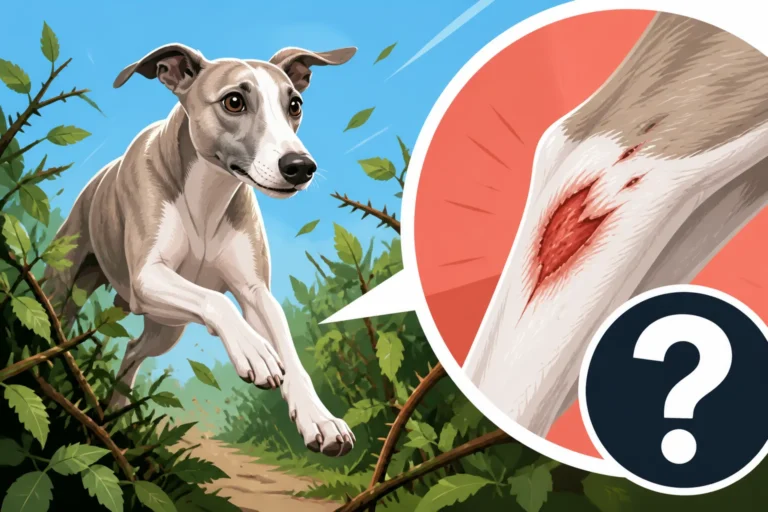
Even seemingly innocuous items can become hazards. A low-hanging branch, the rough edge of a bush in the park, or even the corner of a coffee table can be enough to cause a substantial injury. For those who crate train, you might even find your whippet catching themselves on parts of the crate. It's truly eye-opening to realize how many everyday objects pose a risk. This vulnerability means that simply letting your whippet have "zoomies" in the yard or engage in rough-and-tumble play with other dogs requires a constant vigilance that other dog owners might not understand. It often feels like you're wrapping them in cotton wool, but that's just the reality of living with such a delicate creature.
Immediate First Aid for a Whippet Skin Tear
Finding a laceration on your whippet can be alarming, but knowing what steps to take immediately can make a significant difference in the outcome and your whippet's comfort. Panicking won't help either of you.
Assessing the Wound at Home
The first thing to do, as hard as it might be, is to take a deep breath and assess the situation calmly. A small, superficial scrape is very different from a deep, gaping wound. Look closely at the wound: How long is it? How deep does it appear? Is it bleeding profusely, or is it more of a slow ooze? Are the edges of the skin together, or is there a noticeable gap?
A minor wound might just be a shallow scrape or a small cut where the skin edges are still pretty close together. These can often be managed with careful cleaning and perhaps a protective bandage. However, if you see fat, muscle, or even bone exposed, or if there's a large flap of skin hanging loose, you're definitely looking at something that needs professional attention. Large or deep tears, especially those that appear "degloving" where skin is torn away from the underlying tissue, are particularly serious. Even if the bleeding isn't initially heavy, the risk of infection and the need for proper closure means a vet visit is essential. Remember, with whippets, what looks like a minor cut on another breed can quickly become a deep tear requiring significant intervention.
Initial Cleaning and Pressure
Once you've made that initial assessment, your immediate goal is to control any bleeding and keep the wound as clean as possible until you can get to the vet. For any wound, no matter how small, gently flush it with clean, lukewarm water or a sterile saline solution. You can buy saline solution at any pharmacy – it's often used for contact lenses. Avoid harsh disinfectants like hydrogen peroxide or rubbing alcohol, as these can actually damage tissue and delay healing. The goal is to remove any visible dirt, debris, or hair from around the wound edges.
After cleaning, apply gentle but firm pressure directly to the wound using a clean cloth, gauze, or even a paper towel. Hold the pressure for several minutes without peeking to see if the bleeding has stopped. If blood soaks through, add another layer of material on top and continue to apply pressure. Don’t remove the soaked layers, as this can disrupt the clot that's trying to form. Keeping your whippet calm and still during this process is crucial. Having a partner to help hold them still or offer gentle reassurance can be invaluable. If you have a well-stocked "What a Whippet First Aid Kit" at home, you’ll likely have sterile gauze pads and vet wrap which can be very helpful for this step. If after 10-15 minutes of continuous pressure, the bleeding hasn't significantly slowed or stopped, that's another clear indicator that immediate veterinary attention is needed.
When a Vet Visit is Non-Negotiable
While some very minor scrapes can be handled at home, it's almost always safer to err on the side of caution with whippet skin tears. You should absolutely head to the vet if:
- The wound is deep or wide: If you can see underlying tissue (fat, muscle, or bone), or if the edges of the skin are significantly separated, it requires veterinary attention.
- Bleeding is heavy or persistent: If you can't stop the bleeding with firm pressure after 10-15 minutes, or if the wound is gushing blood, it's an emergency.
- The wound is on a joint or over a vital area: Wounds near joints can affect mobility and are prone to infection spreading to the joint capsule. Wounds on the face, neck, or abdomen also warrant immediate care.
- There’s a large flap of skin: These "degloving" injuries need to be assessed quickly to determine if the skin can be reattached or if skin grafting is necessary.
- The wound is dirty or contains foreign material: While you can clean some debris, embedded objects or very dirty wounds carry a high infection risk and need professional cleaning.
- You're simply unsure: When in doubt, call your vet. They can often provide advice over the phone or tell you if an immediate visit is necessary. It's far better to make a trip for a minor issue than to delay treatment for a serious one.
Many owners wonder, "Whether a Whippet's Cut Always Needs Stitches?" The honest answer is often yes, especially for anything beyond a shallow scrape. Their thin skin struggles to close on its own, and proper veterinary closure drastically reduces the risk of infection, promotes faster healing, and minimizes scarring. Delaying treatment can turn a relatively straightforward repair into a much more complicated and costly problem down the line.
The Vet Visit: Diagnosis and Treatment Options
Once you've made the decision that your whippet needs professional attention for a skin tear, the vet visit itself can be a whirlwind of decisions and procedures. Understanding what to expect can help ease some of that stress.
The Examination and Assessment Process
Upon arrival at the vet, the first thing they’ll do is take a good look at your whippet and the wound. This isn't just a cursory glance; they'll be carefully assessing the size, depth, and location of the tear. They'll also check for any signs of contamination or foreign bodies within the wound. It's likely they'll want to carefully shave the fur around the area. This isn't just for aesthetics; it allows them to properly visualize the full extent of the damage, clean the area thoroughly, and ensure no hair gets trapped inside the wound during closure, which could lead to infection.
Depending on the nature and location of the wound, your vet might recommend local anesthetic to numb the area, even if your whippet is generally well-behaved. This allows for a more thorough examination and cleaning without causing undue pain or distress. They'll be looking to see if the tear has impacted deeper structures, such as muscles, tendons, or even joints. The overall health of your whippet will also be considered, as any underlying conditions could affect their ability to heal. They might also discuss pain management options, as these injuries can be quite uncomfortable, and keeping your whippet comfortable is crucial for their recovery.
Stitches, Staples, and Tissue Glue
When it comes to closing a whippet's delicate skin, vets have a few options in their toolkit, and the choice often depends on the wound's specifics.
- Stitches (Sutures): This is the most common method for deeper or larger lacerations. The vet will use surgical thread to meticulously bring the edges of the skin together. For whippets, where the skin is so thin, vets often use very fine sutures and sometimes employ techniques to minimize tension on the fragile skin, or even use multiple layers of sutures (subdermal and then external) to provide a stronger closure. They might choose absorbable sutures that dissolve over time for internal layers, and non-absorbable ones for the external layer that will need to be removed in 10-14 days. This is the gold standard for "Treating a Whippet's Skin Tear" that is significant in size or depth.
- Surgical Staples: Staples can sometimes be used for wounds with clean, straight edges, especially on flatter areas. They are quicker to apply than stitches and can offer good closure. However, they can sometimes be more uncomfortable for the dog, and removal requires a special tool. Given the whippet's thin skin, staples are often used with caution to ensure they don't cause additional trauma.
- Tissue Glue (Cyanoacrylate Adhesives): For small, superficial cuts with edges that can be easily approximated, veterinary-grade tissue glue can be a fantastic option. It’s quick, often doesn't require sedation, and falls off naturally as the skin heals, meaning no return trip for removal. However, it's crucial that the wound is clean, dry, and not under any tension for the glue to be effective and prevent infection. It’s not suitable for deep or wide wounds, as it primarily works on the very superficial layers of the skin. This can be a great solution when "Whether a Whippet's Cut Always Needs Stitches" is debated, sometimes glue is enough.
The vet will explain the pros and cons of each method for your specific whippet's wound. For instance, a small, clean tear on the flank might be a good candidate for glue, while a deeper laceration on the leg would almost certainly require sutures.
Sedation and Anesthesia for Whippet Wounds
Here’s where things can get a bit more complicated for whippet owners, and where it's vital to have a vet familiar with sighthound physiology. Many skin tears, even seemingly simple ones, require some form of sedation or even general anesthesia for proper cleaning and closure. Imagine trying to stitch a wriggling, stressed whippet without it – it's nearly impossible to do a good, sterile job.
However, whippets, like other sighthounds, have unique metabolic characteristics that make anesthesia riskier for them. They tend to have lower body fat, which affects how they metabolize certain anesthetic drugs. This means they can be more sensitive to sedatives and anesthetics, take longer to wake up, and are more prone to hypothermia during and after procedures. This is why "Why Anesthesia Is Riskier in a Whippet" is such a crucial topic for sighthound owners to understand. A good vet will be acutely aware of these sensitivities and will adjust their protocols accordingly, often opting for specific drugs and monitoring techniques.
They will likely use a "Sighthound Anesthesia Protocol" which often involves specific drugs like propofol and careful monitoring of body temperature, heart rate, and oxygen levels. For example, Propofol is often considered a "Propofol as a Whippet's Safer Option" because it is quickly metabolized and allows for a smoother, faster recovery compared to some older anesthetic agents. Your vet should discuss these specific concerns with you, explain the plan for minimizing risks, and ensure your whippet is kept warm during and after the procedure. Don't be afraid to ask questions about the specific drugs they plan to use and their experience with sighthound anesthesia – it could genuinely save your whippet's life.
Post-Stitch Care and Healing at Home
Bringing your whippet home after a skin tear repair is just the beginning of the healing journey. The next couple of weeks are critical for preventing complications and ensuring the wound closes properly. This phase often requires a lot of patience and vigilance from you, the owner.
Preventing Licking and Chewing
This is, hands down, one of the biggest challenges for any dog owner, but especially with a whippet who might be extra sensitive to discomfort. Dogs have an instinct to lick their wounds, and while a little licking might seem harmless, excessive licking and chewing can reopen stitches, introduce bacteria, and lead to serious infections. The dreaded "cone of shame" (Elizabethan collar) is often the first line of defense, and for good reason—it’s usually the most effective at preventing access to the wound. However, many whippets absolutely detest them, becoming withdrawn, bumping into everything, and generally miserable.
There are alternatives to consider. Inflatable collars are softer, less cumbersome, and allow them to eat and drink more easily, though some flexible whippets can still reach certain areas. Body suits or recovery shirts, like those made by brands such as Suitical, can cover the wound completely and are often much more comfortable for the dog. They still restrict licking but allow for more natural movement. You might have to try a few options to find what works best for your whippet and the wound's location. The key is to be proactive. Don't wait until you catch them licking to put something on. "Stopping a Whippet Chewing Its Stitches" is paramount for successful healing, so invest in a good solution from day one.
Wound Care and Monitoring for Infection
Your vet will give you specific instructions for wound care, and it’s crucial to follow them meticulously. This typically involves daily checks of the wound site. Look for any signs of infection: redness, swelling, warmth to the touch, or any discharge (especially thick, yellowish, or green pus). A little clear or slightly pinkish fluid is sometimes normal in the first day or two, but anything more should be a red flag. Pay attention to the smell too; a foul odor is another sign of infection.
You might be instructed to gently clean the wound with a mild antiseptic solution or saline, or simply to keep it dry. If a bandage was applied, your vet will tell you how often to change it and how to reapply it correctly. Keeping the wound dry is vital. If your whippet needs to go outside in wet weather, ensure the wound is covered and protected. Even during bath time, you’ll need to make sure the stitches don’t get wet. Always wash your hands thoroughly before and after handling the wound to prevent introducing bacteria. If you notice any concerning changes, don't hesitate to call your vet. Early intervention for infection can prevent much more serious problems.
Activity Restriction for Optimal Healing
This is perhaps the most challenging part for whippet owners, as these dogs are naturally active and love to run. However, stitches, staples, and glue all need time to bond and for the skin to fully heal. Any excessive activity, jumping, running, or rough play can put tension on the wound, leading to the stitches pulling out, the glue failing, or the wound reopening. This is especially true given "How Slowly a Whippet's Skin Heals" compared to many other breeds. Their thin skin means it takes longer for the tissue to gain strength.
Your vet will likely recommend strict rest for at least 10-14 days, which means short, controlled leash walks only – no off-leash running, no dog parks, no zoomies in the yard, and definitely no jumping on and off furniture. If you have stairs, try to limit your whippet's access or carry them if they're small enough. Keeping an energetic whippet quiet can feel like a full-time job. Stock up on puzzle toys, long-lasting chews, and gentle brain games to keep them mentally stimulated without physical exertion. It’s frustrating for both you and your whippet, but it's absolutely essential to prevent a setback that could lead to another vet visit and even more recovery time.
The Cost of Whippet Skin Tears and Insurance Considerations
Dealing with a whippet skin tear isn't just emotionally taxing; it can also deliver a significant blow to your wallet. It's an expense many new owners don't fully anticipate, but it's a very real part of whippet ownership.
Understanding the Vet Bill for Laceration Repair
The cost of repairing a whippet's skin tear can vary widely depending on the severity of the wound, the method of closure, whether sedation or general anesthesia is required, and your geographical location. However, it's safe to say that even a seemingly "minor" incident can quickly add up.
Let's break down some common charges you might see:
- Emergency Exam Fee: If you're going to an emergency vet, this fee alone can be several hundred dollars before any treatment even begins.
- Wound Cleaning and Prep: This includes shaving the area, flushing the wound, and administering local anesthetic.
- Sedation/Anesthesia: As discussed, whippets often need this. The cost will depend on the duration and type of drugs used, plus monitoring. This can be a substantial portion of the bill.
- Laceration Repair (Stitches/Staples): This is the actual cost for the vet's time and materials to close the wound. The more complex the tear, the higher this cost will be.
- Medications: This typically includes pain relief (anti-inflammatories) and often antibiotics to prevent infection.
- Follow-up Visits: Removal of stitches (if non-absorbable) usually requires a follow-up appointment, which is another exam fee.
- E-collar or Recovery Suit: An added expense to prevent licking.
When you start adding these up, it's easy for "What a Whippet Laceration Repair Costs" to quickly climb into the hundreds, and often well over a thousand dollars, especially for a deep wound requiring general anesthesia and after-hours care. This is why many experienced whippet owners stress that "Emergency Stitches: the Whippet Bill Nobody Budgets For" is almost a rite of passage. It's a sudden, unexpected expense that can really throw off your budget.
Pet Insurance and Whippet Injuries
Given the propensity for whippets to experience these kinds of injuries, pet insurance becomes less of a luxury and more of a practical necessity for many owners. A good pet insurance policy can provide immense peace of mind, knowing that you won't have to make tough financial decisions in an emergency.
When looking for a policy, focus on comprehensive plans that cover accidents and illnesses. Pay close attention to:
- Deductibles: The amount you pay out-of-pocket before insurance kicks in.
- Reimbursement Rates: The percentage of the vet bill the insurance company will cover after your deductible. Common rates are 70%, 80%, or 90%.
- Annual Limits: The maximum amount the policy will pay out in a year.
- Waiting Periods: Most policies have a waiting period for accidents (usually a few days) and illnesses (usually 14 days) before coverage begins. Don't wait until an incident happens to sign up!
Many whippet owners have found companies like Healthy Paws to be a great option for their comprehensive coverage, particularly for accident-prone breeds. They've often helped cover the cost of multiple stitch-ups, which, without insurance, would have been financially devastating for many families. Having a robust policy ensures that when your whippet inevitably tears their skin, your primary concern can be their health and recovery, not the looming vet bill. Knowing "Whether Insurance Covers a Whippet's Emergency Stitches" upfront can save you a lot of stress during an already difficult time.
Preventing Future Skin Tears
While you can never completely eliminate the risk of a whippet skin tear – they are, after all, active dogs with delicate skin – you can certainly take proactive steps to minimize the chances of a future emergency. Prevention is always better than cure.
Environmental Management
One of the most effective ways to protect your whippet is to make their environment as safe as possible. This involves looking at your home and yard through a whippet's eyes, identifying potential hazards, and mitigating them.
Indoors, think about sharp edges. The corners of coffee tables, side tables, or even metal furniture legs can easily catch thin skin during a sudden burst of energy or a playful tumble. Consider adding child-proofing corner protectors to sharp furniture or rearranging furniture to create more open pathways. Pay particular attention to doorways and tight spaces where a whippet might brush past quickly. If your whippet is crated, inspect the crate carefully for any sharp wires or protrusions that could cause injury; "Whether a Whippet Tears Its Skin on a Crate Door" is a surprisingly common occurrence. A soft, well-padded crate liner can help here too.
Outdoors, the same principles apply. If your yard isn't fully secure, prioritize fencing that is smooth and free of sharp spots. Remove any thorny bushes, jagged rocks, or old pieces of garden equipment that could pose a risk. Be mindful of overgrown areas with sticks or debris. While a whippet loves to run, even a simple sprint can lead to disaster if they collide with something unseen. Regularly inspect their favorite play areas for new hazards. It might seem excessive, but a few minutes of prevention can save you hours at the emergency vet and hundreds of dollars.
Protective Gear and Supervised Play
Sometimes, the best offense is a good defense – quite literally, with protective gear. For walks in areas with rough terrain, dense underbrush, or during cooler weather, a well-fitting coat can act as a protective barrier. It’s not just about warmth, especially given that "Whether a Whippet Needs a Coat Below Fifty Degrees" is often a discussion for comfort; it's also about preventing scrapes.
Look for coats made of durable, smooth materials that cover the chest, flanks, and legs as much as possible without restricting movement. "Whether a Whippet Should Wear a Coat in Cover" is a resounding yes from many experienced owners who regularly walk their dogs in wooded or bushy areas. Brands like Hurtta or Ruffwear offer robust options that can stand up to more wear and tear than a simple fleece.
During play, especially with other dogs, constant supervision is key. Whippets often play with incredible speed and exuberance, and sometimes their playmates, particularly larger or more boisterous breeds, aren't aware of a whippet's delicate skin. A playful bite or a rough collision can easily lead to a tear. If you're at a dog park, be ready to intervene if play gets too rough or if you notice your whippet being targeted. Consider setting up playdates with known, gentle dogs in a safe, open space free of hazards. It’s about managing the environment and the interactions to reduce risk.
Nail Care and General Skin Health
Even something as simple as nail care can play a role in preventing skin tears. Overly long nails can accidentally scratch your whippet's own skin, particularly when they stretch, scratch an itch, or simply move quickly. Regularly trimming your whippet's nails, or having a groomer do it, is an important preventative measure. Learning "How Often a Whippet's Nails Need Cutting" and finding a routine that works can prevent these self-inflicted wounds.
Beyond external measures, general skin health is also important. A well-nourished whippet with healthy skin is slightly more resilient than one with dry, brittle skin. Ensure your whippet is on a high-quality diet that provides essential fatty acids, which contribute to skin elasticity and health. While supplements aren't a magic bullet, a good diet forms the foundation. Keep them hydrated, and if your whippet tends towards dry skin, discuss it with your vet, as there might be dietary adjustments or topical solutions that could help improve their skin's overall condition and reduce its fragility.
Long-Term Outlook and Scarring
After the immediate crisis of a skin tear and the subsequent healing period, many whippet owners wonder about the long-term implications for their dog's health and appearance. The good news is that most whippets recover fully from skin tears, but it's important to have realistic expectations about healing and potential scarring.
How Whippet Skin Heals and Scars
Whippet skin, despite its fragility, is generally quite good at healing, provided the wound is kept clean, infection-free, and tension-free. The body's natural healing process involves forming granulation tissue to fill the wound, followed by the contraction of the wound edges and the formation of scar tissue.
For whippets, "How Slowly a Whippet's Skin Heals" can sometimes be frustratingly apparent, especially for larger wounds. Their thinner skin and minimal underlying fat mean that the blood supply might not be as robust as in breeds with thicker skin, potentially slowing the healing cascade. Once healed, a scar will almost certainly remain. Given their short, fine coats and light pigmentation, scars on a whippet are often quite visible. The new skin that forms tends to be hairless, and sometimes slightly discolored (either lighter or darker than the surrounding skin) or slightly raised.
"How Badly a Whippet Scars" depends on several factors: the size and depth of the original wound, whether infection occurred, and how well the wound was closed and cared for. A clean, surgically repaired wound that heals without complication will generally result in a neater, less prominent scar than a large, irregular wound that healed by secondary intention (without stitches) or became infected. While the scar might be a permanent reminder of the incident, it usually doesn't cause any ongoing discomfort or functional issues for the dog once fully healed. It simply becomes part of their unique story.
Recognising Chronic Issues
While most skin tears heal well, it's important to be vigilant for chronic or recurring issues. Sometimes, a whippet might develop repeated tears in the same area. This could indicate that the area is particularly vulnerable to their activity level, or that there's a persistent environmental hazard you haven't identified. Repeated trauma to the same spot can also lead to more significant scar tissue build-up, which can sometimes be less flexible than normal skin, potentially making it more prone to re-tearing in the future.
In rarer cases, persistent non-healing wounds, or wounds that seem to break open without obvious trauma, could be a sign of an underlying skin condition or even an immune-mediated issue. If your whippet experiences frequent or unusually slow-healing skin tears, or if a wound simply won't close despite proper care, it's crucial to consult your veterinarian. They might recommend further diagnostics, such as skin biopsies or specialized blood tests, to rule out any deeper issues that could be affecting their skin's integrity. Don't dismiss recurrent problems; they're your whippet's way of telling you something deeper might be going on.
Disclaimer
This article is intended for informational purposes only and does not constitute medical advice. Always consult with a qualified veterinarian for any health concerns or before making any decisions about your pet's health or treatment.