Why a Whippet’s Pink Skin Burns
It's easy to look at a Whippet's delicate, often pink skin and just think how beautiful and unique it is. But beneath that finely-haired surface lies a vulnerability many owners don't fully appreciate until it's too late: sunburn. This guide is here to shed light on why your Whippet's thin, light skin is so susceptible to the sun's harsh rays and, more importantly, how to keep them safe and comfortable all year round, avoiding the painful burns and potential long-term health issues that can arise.
The Unique Anatomy That Makes Your Whippet So Susceptible to Sunburn
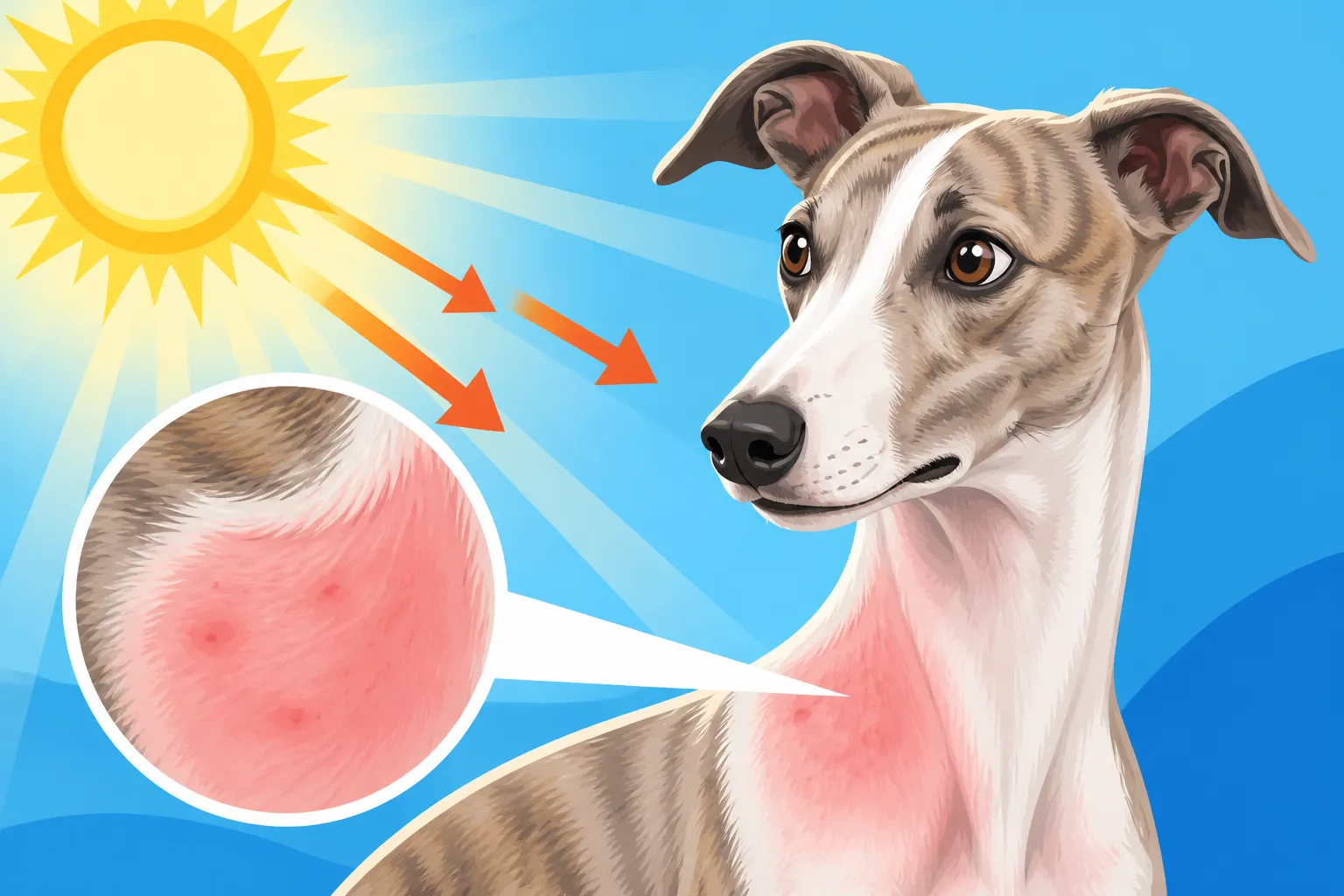
When you look at a Whippet, one of the first things you notice is their sleek, short coat and the way their skin often shows through, especially on their undersides, inner legs, and sometimes even their ears and noses. This isn't just an aesthetic feature; it's a key indicator of their vulnerability to the sun. Unlike many other breeds with dense undercoats or thick pigmentation, Whippets simply don't have the natural defenses against UV radiation.
Why Fair Skin and Sparse Coats Are a Problem
Think about human skin – the lighter the skin, the easier it burns. The same principle applies to our Whippets. Many Whippets, particularly those with lighter coat colors like fawn, cream, white, or blue, also have very light or pink skin underneath. This lack of melanin, the pigment that gives skin its color and provides a degree of natural sun protection, leaves their skin highly exposed. It's like having skin that's always ready for a beach vacation but without any sunscreen applied.
Adding to this, their coats are notoriously short and fine. There's no thick, insulating layer to block the sun's rays. In fact, on areas like the belly, inner thighs, and sometimes even their backs, the fur can be so sparse that the skin is almost directly exposed. Even if your Whippet has a darker coat, patches of pink skin on their belly, inner legs, or ears can still be incredibly vulnerable. It's a double whammy: little to no natural pigment for protection, combined with a coat that offers minimal physical barrier. This is a big part of A Whippet Has No Insulation and No Padding.
Vulnerable Areas You Might Overlook
It’s not just the obvious pink belly that's at risk. Many owners might not realize just how many areas on a Whippet are prone to sunburn. Their delicate ear tips, which often have very sparse hair and little pigment, can burn incredibly quickly. The bridge of their nose, especially if it’s a lighter color or lacks deep pigmentation, is another prime target. Have you ever seen a Whippet with a chapped or peeling nose? Sometimes, that's more than just dry skin; it can be the aftermath of sun exposure.
Consider also the thinness of a Whippet's skin in general. The Thin Skin That Sends a Whippet to the Vet for Stitches highlights just how delicate their dermal layer is. This inherent fragility means that even a moderate sunburn can cause more significant damage and discomfort than it might in a breed with tougher skin. When they lay out in a sunbeam, whether indoors or out, these areas are often directly exposed, inviting trouble.
The Hidden Dangers of Sun Exposure for Whippets
Sunburn isn't just about a red, painful patch for your Whippet; it can lead to a whole host of more serious issues, some of which are long-term and can be quite frightening. As a loving Whippet parent, understanding these risks is crucial for protecting your companion. It's not just about comfort in the moment, but about their overall health and longevity.
Immediate Pain and Discomfort
Just like with humans, a Whippet's sunburn is intensely painful. Imagine the feeling of having every touch, every movement, irritate your skin. Your Whippet might whimper, constantly lick or chew at the affected areas, or even become lethargic and withdrawn due to the discomfort. Severe sunburns can lead to blistering, peeling skin, and even secondary skin infections if the protective barrier is compromised and bacteria get in. This can escalate quickly, turning a simple sunbath into an emergency vet visit.
A dog with a sunburn might be reluctant to be petted, making it hard to show them affection, which is heartbreaking for both of you. They might lose their appetite, become restless at night, or seek out unusual places to lie down, desperately trying to find relief from the burning sensation. It's not just an inconvenience; it's a genuine injury that significantly impacts their quality of life, even if only for a few days.
Long-Term Health Risks Including Cancer
Beyond the immediate pain, chronic or severe sun exposure carries significant long-term health risks for Whippets. The most concerning of these is an increased risk of various skin cancers, including squamous cell carcinoma and melanoma. Just as in humans, repeated UV damage can cause mutations in skin cells, leading to cancerous growths. These cancers can be aggressive and difficult to treat, often requiring extensive surgery, radiation, or chemotherapy.
Areas frequently exposed to the sun, such as the ears, nose, and unpigmented skin on the belly, are particularly vulnerable to developing these malignancies. Imagine your beloved Whippet having to undergo invasive procedures because of preventable sun damage. It’s a sobering thought that underscores the importance of proactive protection. Regular check-ups are vital, and any suspicious lumps or non-healing sores on sun-exposed areas should be brought to your vet's attention immediately. This concern is especially relevant for dogs whose coats might thin over time, as discussed in Why a Whippet's Coat Thins on the Chest.
Your Action Plan: Protecting Your Whippet's Delicate Skin
The good news is that protecting your Whippet from sunburn isn't complicated, though it does require vigilance and a little creativity. Incorporating sun safety into your daily routine is the best way to ensure your Whippet can enjoy the outdoors without suffering the consequences of harsh UV rays.
Seek Out Shade and Limit Peak Sun Exposure
This is the simplest and most effective strategy: keep your Whippet out of direct sunlight during the sun's most intense hours, typically between 10 AM and 4 PM. If they're outdoors, ensure they always have access to ample, comfortable shade. A large umbrella, a shaded patio, or a lush tree can make all the difference. When you're out for walks, try to stick to shady routes or plan your outings for early morning or late afternoon.
Even indoors, be mindful of sunny spots. Many Whippets adore basking in sunbeams that stream through windows. While glass blocks some UV rays, it doesn't block all of them, and prolonged exposure can still contribute to skin damage over time. Consider pulling curtains or blinds during peak sun hours in rooms where your Whippet likes to nap. If you have a kennel or dog run, ensure at least half of it is always shaded, giving your Whippet a choice to retreat from the sun.
Sun-Protective Clothing and Accessories
Sometimes, shade isn't enough, or your Whippet just loves to be out and about. This is where sun-protective clothing comes in. Lightweight, breathable UV-protective shirts or rash guards designed for dogs can provide an excellent physical barrier against the sun's rays. These are particularly useful for dogs with very sparse hair on their backs or bellies. Many brands now offer apparel with UPF (Ultraviolet Protection Factor) ratings, just like human clothing.
For those sensitive ear tips, you might consider a snood or a lightweight hat. While not every Whippet will tolerate headwear, finding one that fits comfortably can be a game-changer for protecting those delicate areas. Online stores like Chewy and Amazon offer a fantastic range of options, from full-body suits to specialized ear coverings. It might seem a bit extra, but for a Whippet with very fair skin, it's a vital part of their wardrobe, alongside items like The Wardrobe a Whippet Needs Because It Has No Body Fat. Think of it as fashion with a purpose!
Apply Dog-Safe Sunscreen
Yes, dog sunscreen is a thing, and it can be a lifesaver for those areas that just can't be covered by clothing, like the nose, ear tips, and sometimes the muzzle. It's crucial to use a sunscreen specifically formulated for dogs, as human sunscreens often contain ingredients like zinc oxide or para-aminobenzoic acid (PABA), which are toxic if ingested by dogs. Since Whippets are prone to licking, choosing a dog-specific, non-toxic formula is paramount.
Apply sunscreen generously to exposed areas before going outside, and reapply frequently, especially if your Whippet is swimming or getting wet. Pay close attention to the bridge of the nose, ear edges, and any pink, hairless patches on the belly or inner thighs. You can usually find these specialized sunscreens at your local pet store, or readily available through retailers like Chewy or Amazon. Always do a small patch test first to ensure your Whippet doesn't have an adverse reaction to the product.
What to Do When Your Whippet Gets a Sunburn
Despite our best efforts, sometimes a sunburn happens. It's distressing to see your Whippet in pain, but knowing how to react can make a significant difference in their comfort and recovery. While mild cases can often be managed at home, it's vital to recognize when professional veterinary help is needed.
Soothing Mild Sunburn at Home
For mild sunburns – think redness without blistering or severe pain – there are steps you can take to provide comfort. First, get your Whippet out of the sun immediately and keep them in a cool, shaded area. A cool compress (a cloth dampened with cool water, not ice cold) gently applied to the affected areas can help reduce inflammation and pain. Aloe vera gel (ensure it's 100% pure aloe vera, as some formulations contain toxic additives) can also be soothing; however, be cautious about your dog licking it off.
Monitor the area closely for any signs of worsening, such as increased redness, swelling, blistering, or open sores. You'll also want to prevent your Whippet from licking or chewing the burned skin, as this can introduce bacteria and lead to infection. A soft Elizabethan collar or even a lightweight body suit might be necessary temporarily. Keep their environment calm and cool, offering fresh water to help prevent dehydration.
When to Call the Vet for Sunburn
There are definite signs that indicate your Whippet's sunburn is more serious and warrants a call to the veterinarian. If you see blistering, open sores, severe swelling, or if your Whippet is showing signs of extreme pain, lethargy, loss of appetite, or fever, don't hesitate. These symptoms can point to a more severe burn or even heatstroke, which is a medical emergency.
Your vet can assess the severity of the burn, prescribe pain relief, anti-inflammatory medications, or antibiotics if an infection is present. They might also recommend specialized ointments or wound care. Remember, your vet knows Why a Whippet Needs a Sighthound Anesthesia Protocol if sedation is needed for extensive wound cleaning or treatment. Never try to pop blisters or apply human medications without explicit veterinary guidance, as many can be toxic or harmful to dogs. Prompt veterinary attention can prevent complications and ensure your Whippet recovers as quickly and comfortably as possible.
Here’s a quick overview of sun protection methods:
| Protection Method | Key Benefits | Best For | Considerations |
|---|---|---|---|
| Shade | Most natural, no cost, effective | All Whippets, all outdoor activities | Must be consistently available, not always possible |
| UV Protective Clothing | Physical barrier, covers large areas | Active Whippets, prolonged outdoor exposure | May not cover all vulnerable spots (e.g., nose), cost involved |
| Dog-Safe Sunscreen | Targets specific, hard-to-cover areas | Noses, ear tips, sparse fur patches | Must be dog-specific, frequent reapplication, ingestion risk |
| Timing Outdoor Activity | Avoids peak UV hours, reduces overall exposure | All Whippets | Requires schedule adjustment |
Ultimately, protecting your Whippet's delicate pink skin is an act of love and responsible ownership. By understanding their unique vulnerabilities and implementing simple preventative measures, you can ensure your beloved companion enjoys a happy, healthy, and burn-free life.
Disclaimer
This article is for general informational purposes only and does not constitute professional advice. Laws, prices and regulations vary by location and change over time. Consult a qualified professional for guidance on your specific situation.