When a Whippet Drops to Two Meals a Day
It’s a common moment for many new Whippet owners: you’ve got this adorable, lanky puppy who seems to be growing by the minute, and you’re diligently feeding them three, maybe even four small meals a day, just like the breeder or vet advised. But then, as the weeks turn into months, a question starts to nag at you: when do you actually drop down to two meals a day? This transition can feel a bit daunting, riddled with worries about underfeeding, upsetting a sensitive tummy, or just getting the timing completely wrong. Rest assured, this guide will walk you through the developmental cues and practical steps to confidently shift your growing Whippet to an adult feeding schedule that supports their unique needs.
Understanding Your Whippet Puppy's Growth & Nutritional Needs
Whippet puppies are bundles of energy and rapid growth. Those long legs seem to stretch overnight, and their lean bodies are constantly burning calories. Because of this intense developmental period, their nutritional needs are quite different from an adult dog's. It's not just about what they eat, but also how often.
The Intense Growth Phase: Why Frequent Meals are Non-Negotiable
From the moment you bring your little Whippet home, typically around eight to twelve weeks, they are in a critical growth phase. Their tiny stomachs can't hold large quantities of food, and their fast metabolisms mean they burn through calories quickly. This is why feeding smaller, more frequent meals (three to four times a day) is absolutely essential. It helps maintain stable blood sugar levels, preventing the dreaded "puppy hypoglycemia," which can be a serious concern for small, fast-growing breeds. Think of it like a human baby needing frequent small feeds; their systems just aren't designed to handle large gaps between meals yet.
During these early months, every meal contributes to the development of strong bones, lean muscle, and robust organ systems. Whippets, even as puppies, are naturally lean, and ensuring they get a consistent supply of nutrients is vital for their characteristic athletic build. Ignoring this phase or rushing to fewer meals too soon can hinder their development and potentially lead to health issues down the line. It's a phase that requires patience and a good routine, but it lays the groundwork for a healthy adult. If you're looking for specifics on how to manage this, you might find The Meal Schedule a Whippet Puppy Needs a very helpful read.
Reading the Signs: When Your Whippet Puppy is Maturing
So, how do you know when your Whippet is ready to start easing off those multiple meals? The key is to observe your individual dog, as every puppy develops at their own pace. Generally, most Whippets are ready to consider a reduction in meal frequency somewhere between 4 to 6 months of age, and often fully transition to two meals by 6 to 12 months. This isn't a hard and fast rule, but a general guideline.
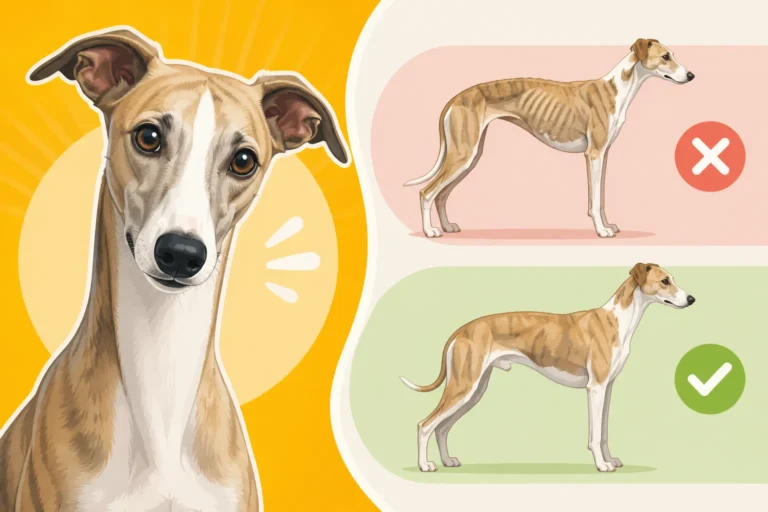
Look for a few key indicators. Is your puppy finishing every meal with enthusiasm, or are they starting to leave some kibble behind, especially the mid-day meal? Are they showing signs of increased satiety, meaning they seem less frantic around meal times and more settled afterwards? Their growth rate will also naturally slow down as they approach adolescence. While they're still growing, that explosive growth spurt of early puppyhood begins to taper off. They might look a bit more filled out, and you'll notice their body condition is easier to maintain without constant feeding. You can feel their ribs easily, but they won't look alarmingly bony. Keeping an eye on The Age a Whippet Reaches Full Weight can give you a better idea of their overall growth timeline. It's about subtle shifts, not sudden changes.
The Art of the Transition: Guiding Your Whippet to Two Meals
Transitioning your Whippet from multiple daily meals to a twice-a-day schedule isn't something to rush. Just like any dietary change, it needs to be done gradually and thoughtfully to avoid upsetting their digestive system or causing unnecessary stress. Your Whippet thrives on routine, and changing their feeding schedule is a significant shift.
The Gradual Approach: Why Slow and Steady Wins the Race
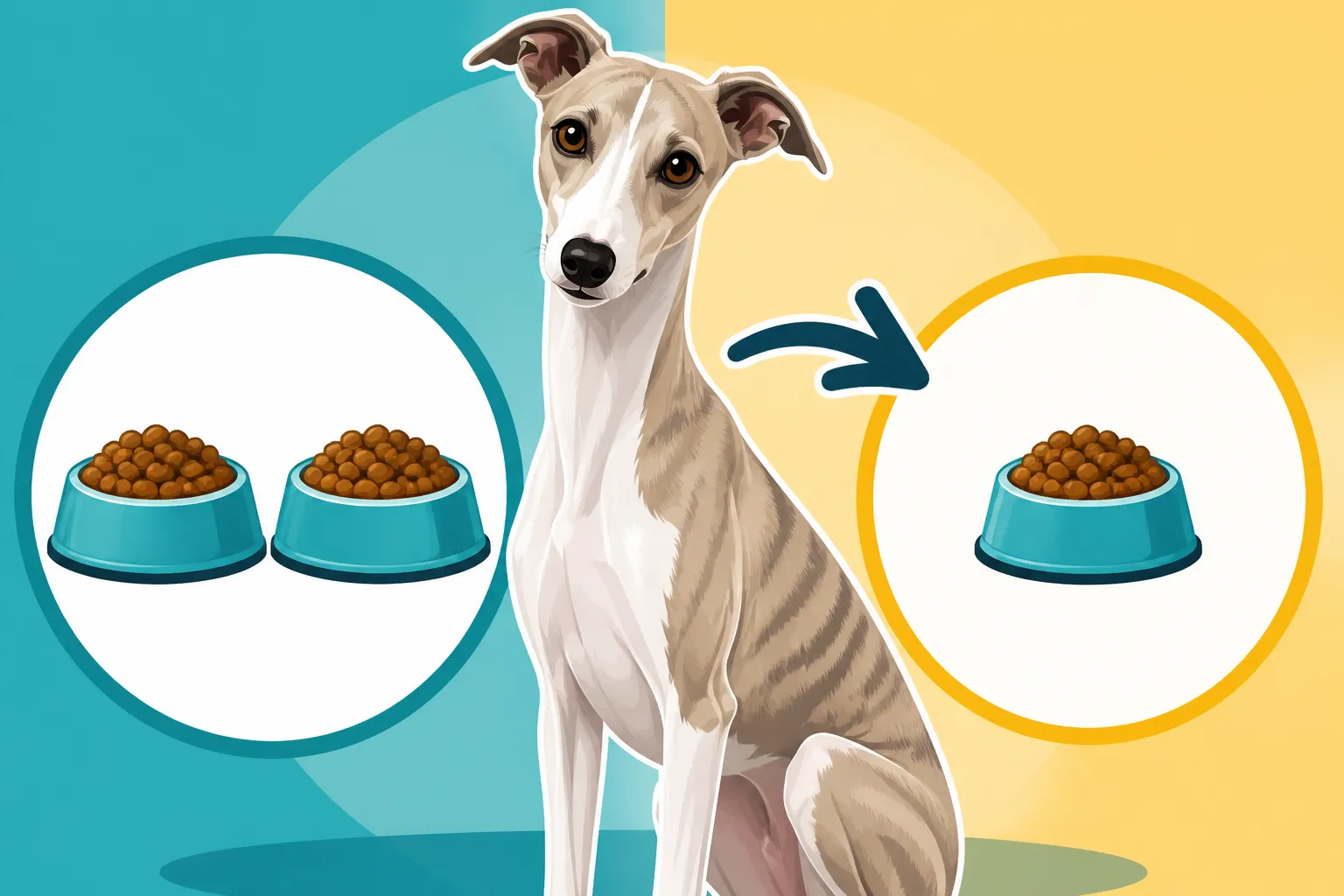
The best way to transition is slowly, over a period of a week or two. Let's say your Whippet is currently on three meals a day. You'll want to combine two of those meals into one, or simply phase out the least enthusiastically eaten meal. Often, the mid-day meal is the first to go. For example, if you're feeding breakfast, lunch, and dinner, you might start by slightly reducing the lunch portion and distributing those calories between breakfast and dinner. After a few days, you can eliminate lunch altogether, making breakfast and dinner slightly larger to compensate for the lost calories. The goal isn't to feed less food overall, but to consolidate the same amount of daily calories into fewer, larger meals.
Pay close attention to your Whippet's hunger levels and energy. Are they acting excessively hungry between meals, or are they settling into the new rhythm? Consistency is key during this period. Try to feed at roughly the same times each day. If you notice any digestive upset, like loose stools, you might be moving too fast, or the new meal sizes are too much for their system to handle at once. Slow down, perhaps reverting to three meals for a couple more days before trying again with even smaller increments. You'll find a wide variety of suitable puppy and adult foods on platforms like Chewy, which can help ensure you're adjusting calorie counts appropriately as you transition.
Here's a simple example of a transition plan:
| Age/Phase | Meals Per Day | Typical Schedule | Notes |
|---|---|---|---|
| Puppy (8-16 weeks) | 3-4 | 7 AM, 12 PM, 5 PM, 9 PM (optional) | Small, frequent meals. Essential for stable blood sugar and rapid growth. |
| Pre-transition | 3 | 7 AM, 1 PM, 7 PM | Common for older puppies. Monitor for uneaten mid-day meals as a sign of readiness. |
| Transition (Week 1) | 3 (reduced) | 7 AM (larger), 1 PM (smaller), 7 PM (larger) | Gradually reduce the mid-day meal, adding those calories to morning and evening meals. |
| Transition (Week 2) | 2 | 7 AM, 7 PM | Eliminate the mid-day meal entirely. Ensure morning and evening meals provide adequate daily calories. |
| Adult (6-12 months+) | 2 | 7 AM, 7 PM | Established routine for most adult Whippets. Consistency is vital for digestion and behavior. |
This table is a general guide, and your Whippet's specific needs may vary.
Monitoring and Adjusting: What to Watch For During the Change
Once you start the transition, your Whippet will communicate how they're feeling, you just have to know what to look for. One of the primary things to observe is their appetite. Are they still eager for their new, larger meals, or are they becoming sluggish eaters? If they seem too hungry, pacing, whining, or trying to steal food more than usual between meals, it might be a sign that the meal size isn't quite right yet, or that they weren't truly ready for the reduction. On the other hand, if they're leaving food consistently, you might be giving them too much per meal, or they're just not quite as ravenous as they were as a tiny pup.
Digestive health is another crucial indicator. Keep an eye on their stool. Any sudden changes in consistency, like diarrhea or constipation, can signal that their system is struggling with the new schedule or meal volume. This is often a sign to slow down the transition. Energy levels are also important. A healthy Whippet should still have bursts of playful energy, followed by their characteristic couch potato naps. A noticeable dip in energy or an increase in lethargy could be a sign of inadequate nutrition or an underlying issue. Remember that How Many Meals a Day a Whippet Needs can be flexible initially, but two meals are the ultimate goal for stability. If you've got a Whippet with a particularly Whether a Whippet Has a Sensitive Stomach, this monitoring phase becomes even more critical. If you're concerned about any persistent changes, always reach out to your veterinarian.
Thriving on a Two-Meal Schedule: A Look at Adult Whippet Feeding
Once your Whippet has successfully transitioned to two meals a day, you've established a routine that will likely serve them well for most of their adult life. This feeding schedule isn't just convenient for you; it offers significant benefits for your Whippet's overall health and well-being.
The Benefits of an Adult Feeding Routine
A consistent two-meal-a-day schedule brings stability to your Whippet's digestive system. Having predictable meal times helps regulate their metabolism and keeps their blood sugar levels more even throughout the day, which is good for overall health and energy management. It also aids in portion control, making it easier to manage your Whippet's weight and prevent overfeeding, a common issue as dogs age and their activity levels naturally decrease. Two meals also align well with a Whippet's lifestyle: they're renowned for being energetic sprinters who then transform into champion nappers. A good, satisfying meal twice a day fuels their short bursts of activity without them needing constant grazing.
Furthermore, a routine feeding schedule can help with house training by making bowel movements more predictable, and it can reduce anxiety around food by establishing clear expectations. Your Whippet learns when to expect food, which can minimize begging or scavenging behaviors. This predictability contributes to a more settled and content dog. You might find that Feeding a Whippet That Sprints and Then Sleeps is naturally accommodated by this schedule, providing them with the necessary fuel for their bursts of speed and adequate recovery time.
Troubleshooting Common Feeding Challenges
Even on a stable two-meal schedule, you might encounter some common Whippet feeding quirks. These elegant dogs can sometimes be surprisingly particular about their food. If you find yourself with a picky eater (Why a Whippet Is a Picky Eater), don't despair. Sometimes it's as simple as rotating protein sources, trying different kibble textures, or even exploring fresh food options like those offered by Ollie. They often respond well to novelty, so a little variety can go a long way. However, avoid falling into the trap of constantly changing their food, which can lead to a truly spoiled palate and a finicky eater.
Weight management is another area where troubleshooting might be needed. Whippets are naturally lean, and many owners worry they look too thin. It's important to understand How Easily a Whippet Gains Weight – or, more accurately, how difficult it can be for them to gain weight if they're particularly active or have a fast metabolism. Conversely, if your Whippet is slowing down or has been neutered, they might start to put on a bit of weight. Regular monitoring of their body condition is key. If you're struggling with Getting Weight On a Whippet That Will Not Eat or managing an unexpected weight gain, small adjustments to calorie density or exercise levels are usually the first step. Supplements, available from trusted retailers like Amazon, can sometimes help with appetite or nutrient absorption, but always discuss these with your vet first.
When to Seek Veterinary Guidance
While most Whippets transition smoothly to a two-meal-a-day schedule and thrive on it, there are times when it’s essential to involve your veterinarian. If your Whippet experiences persistent digestive upset, such as ongoing diarrhea, vomiting, or a sudden loss of appetite that lasts more than a day or two, it's time for a professional check-up. These symptoms can indicate underlying health issues that go beyond a simple feeding schedule adjustment.
Similarly, if your Whippet is consistently losing weight despite eating adequately, or if they're gaining weight rapidly even with portion control, a vet visit is warranted. Unexplained weight changes can be a sign of metabolic conditions, hormonal imbalances, or other medical concerns. You'll want to hear What a Vet Says About a Whippet's Weight firsthand, as they can provide precise guidance based on your dog's individual health profile. Never hesitate to contact your vet if you have concerns about your Whippet's eating habits, energy levels, or overall well-being during or after the transition to an adult feeding regimen. They are your best resource for ensuring your lean, lanky friend remains happy and healthy.
Disclaimer
This article is for general informational purposes only and does not constitute professional advice. Laws, prices and regulations vary by location and change over time. Consult a qualified professional for guidance on your specific situation.