What to Keep in a Whippet First Aid Kit
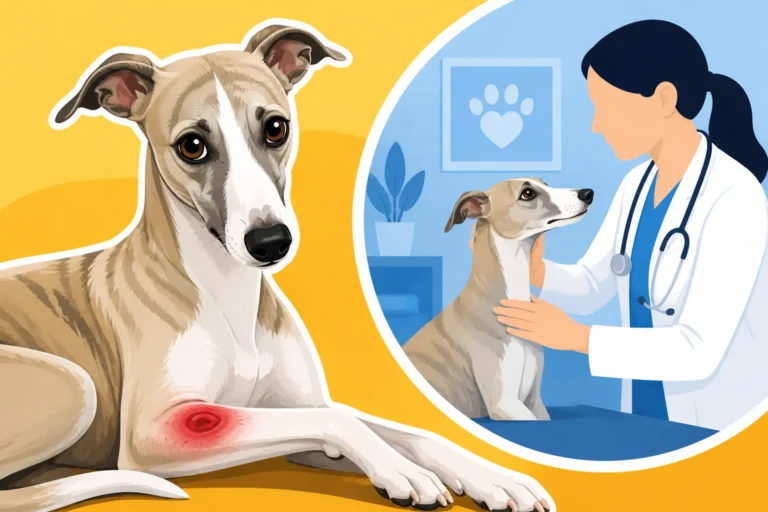
Your Whippet, with their lean physique and love for a good zoomie, might seem delicate, but they're also surprisingly tough. Still, their thin skin means little cuts and scrapes are almost a rite of passage for an active sighthound. When these minor mishaps inevitably happen, scrambling for supplies can turn a small issue into a bigger headache. This guide is here to help you assemble a thorough first aid kit tailored specifically for your Whippet, so you're always prepared for those unexpected moments.
The Must-Have Basics for Every Whippet Owner
Even the most vigilant Whippet owner will find themselves dealing with a minor injury at some point. Their beautiful, fine coats and delicate skin, while sleek and aerodynamic, offer little protection against the snags and scrapes that can occur during playful sprints or explorations. Having the right basic supplies on hand can prevent a small cut from becoming infected or a minor strain from worsening, offering you invaluable peace of mind.
Wound Cleaning and Antiseptic Solutions
Keeping any wound clean is the paramount first step to preventing infection, which can be particularly insidious on a Whippet’s thinly padded body. You want solutions that are both effective at combating bacteria and gentle enough not to further irritate sensitive skin.
A go-to choice for gentle wound cleansing is a sterile saline solution. This is perfect for flushing out dirt, grit, or debris from a superficial wound without stinging or causing discomfort. After flushing, a dilute antiseptic like povidone-iodine (mixed with water until it resembles weak tea) or a chlorhexidine solution can be applied. These are broad-spectrum antiseptics that are generally safe for canine use when properly diluted, and they’re highly effective at killing bacteria and other microbes that could lead to infection. Always ensure any solution you use is specifically indicated for pets or approved by your veterinarian. You can easily find these at most pharmacies or through online pet supply retailers.
It’s crucial to avoid common household antiseptics like hydrogen peroxide and rubbing alcohol for open wounds. While they might bubble and appear to work, hydrogen peroxide can actually damage healthy tissue and hinder the healing process, especially on delicate Whippet skin. Rubbing alcohol, beyond the severe sting it causes, can also dry out and irritate the skin. Stick to the gentler, vet-recommended options to promote optimal healing for your sensitive sighthound.
Essential Bandaging Supplies
Once a wound is meticulously cleaned, protecting it is the next vital step. Whippets are active creatures, and an unprotected wound can quickly reopen or become re-contaminated. Proper bandaging creates a barrier and helps keep the area pristine.
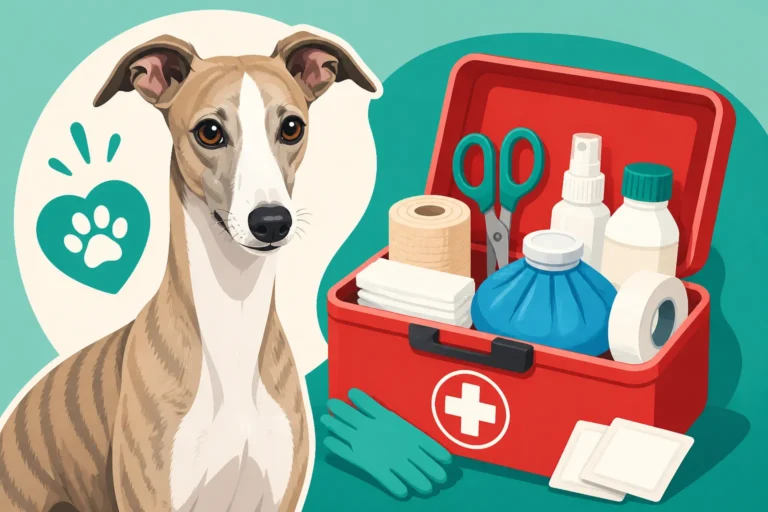
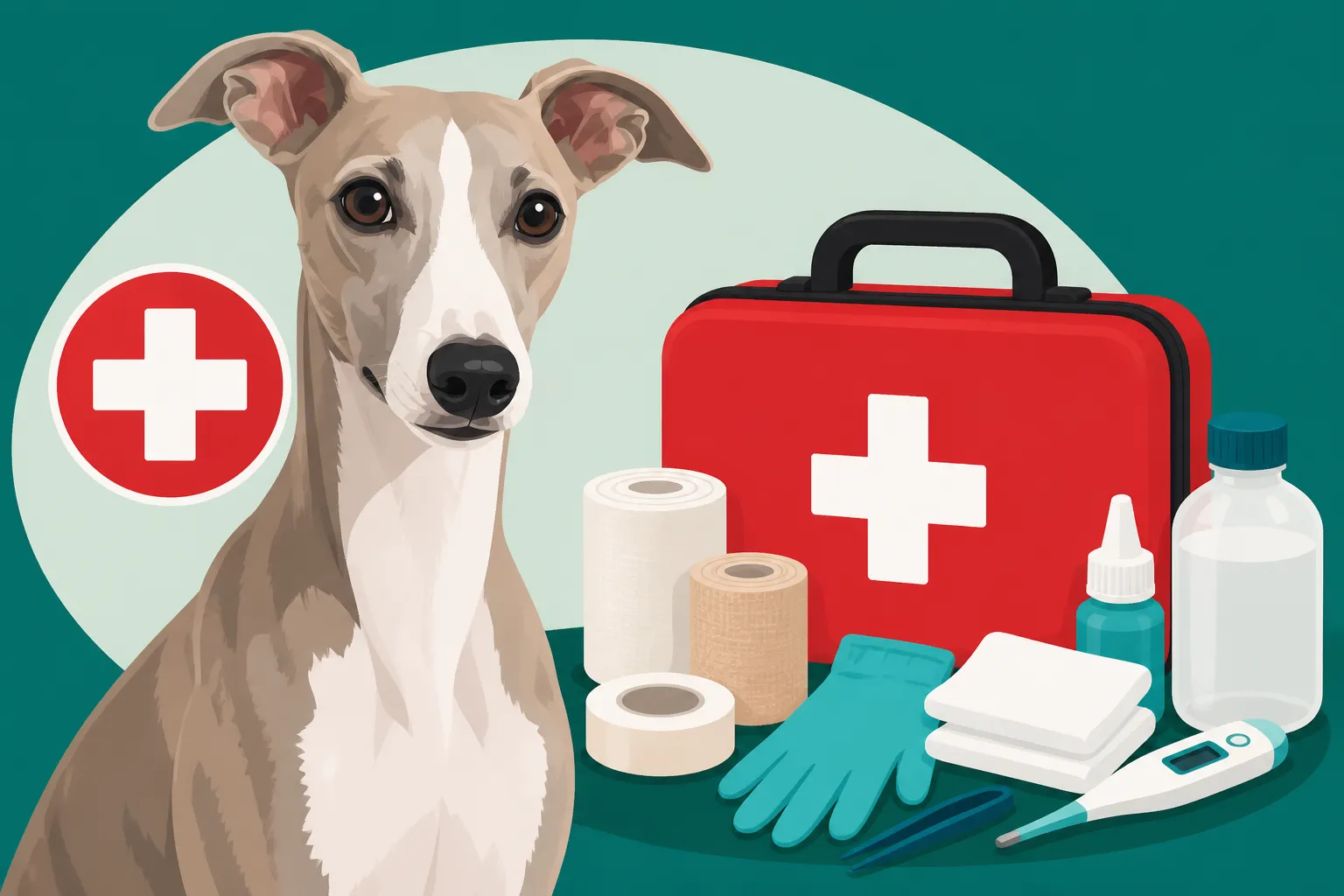
Start with sterile, non-stick gauze pads. These are absolutely non-negotiable, as they prevent the dressing from adhering to the wound as it heals, which would make removal painful and potentially damage new tissue. After placing the non-stick pad, you'll want to add a layer of rolled gauze or cotton padding. This provides an additional absorbent layer and offers some cushioning, which is important for protecting thinly muscled areas. For securing these layers, self-adhesive bandage wrap, commonly known as Vet Wrap, is a lifesaver. This material sticks only to itself, meaning it won't pull on your Whippet's sparse fur, making application and removal much less stressful for both of you. You might find it convenient to stock up on these supplies in various sizes from larger online pet stores like Chewy.
When applying any bandage, remember the golden rule: snug, but not tight. You should always be able to comfortably slip two fingers under the bandage without it feeling restrictive. A bandage that’s too tight can cut off circulation, causing swelling, pain, and even tissue damage. This is especially important for Whippets with their slender legs. Change bandages regularly, typically daily, to monitor the wound and keep it clean and dry. For more in-depth guidance on specific skin injuries, check out Treating a Whippet's Skin Tear.
Tools for Quick Response and Minor Injuries
Beyond the solutions and wraps, there's a collection of essential tools that will make administering first aid more precise and less stressful. These aren't just for dramatic emergencies but for handling the everyday small snags and health checks that are part of responsible Whippet ownership.
Essential Equipment for Wound Management
Having the right instruments at your fingertips can transform a potentially messy or difficult first aid situation into a more controlled and effective one. Precision tools allow you to address issues safely and prevent further discomfort for your sensitive Whippet.
Blunt-nosed scissors are an absolute must. They are invaluable for cutting gauze, tape, or even carefully trimming fur away from a wound without the risk of accidentally poking or injuring your dog's delicate skin. Imagine trying to maneuver sharp-pointed scissors near a wriggly Whippet's leg – it’s a scenario best avoided! Similarly, a good pair of fine-tipped tweezers will prove indispensable for removing small splinters, thorns, or stubborn ticks that might embed themselves after an outdoor adventure. Being able to extract these irritants quickly and cleanly minimizes the risk of infection and discomfort.
Another critical piece of equipment is a digital rectal thermometer. Knowing your Whippet's baseline temperature (which typically ranges between 101 and 102.5 degrees Fahrenheit or 38.3 to 39.2 degrees Celsius) allows you to quickly detect if they are running a fever, a key indicator of infection or other underlying health issues. While a temperature reading might not be your Whippet's favorite experience, it provides vital information for both you and your vet. You can often find comprehensive starter kits that include many of these basic tools at retailers like Amazon.
Managing Minor Discomfort and External Irritations
Whippets, despite their robust athleticism, can still suffer from minor aches, pains, or irritations that require immediate, gentle attention. Having remedies for these common issues can prevent them from escalating and ensure your companion remains comfortable.
A cold pack or even a bag of frozen vegetables (like peas) wrapped in a thin cloth can work wonders for minor bumps, bruises, or muscle strains. The application of cold helps to reduce swelling and inflammation, providing immediate, non-medicinal relief. Always ensure there's a barrier between the cold pack and your Whippet's skin to prevent ice burn. For localized skin irritations, such as insect bites or minor rashes, a small amount of an appropriate topical hydrocortisone cream (always check with your vet for guidance on safe application and dosage) can soothe itchiness and reduce redness. This can be especially helpful on their sparsely furred bellies or inner thighs.
Protective paw balm or wax is another smart addition, especially if your Whippet frequently walks on rough terrain, hot pavement, or icy surfaces. Their paw pads, while designed for speed, can still become dry, cracked, or irritated. Regular application of a protective balm helps maintain their health, preventing small abrasions that could lead to bigger problems. While not strictly an emergency item, paw care contributes significantly to their overall comfort and readiness for adventure. The Thin Skin That Sends a Whippet to the Vet for Stitches further underscores the importance of protecting your Whippet’s delicate exterior.
Medications and Comfort Items
While your veterinarian should always be your first point of contact for anything beyond a truly minor issue, having a small, vet-approved selection of medications and comfort items can provide critical relief in less severe situations or act as a bridge until you can reach professional care. Remember, always consult your vet before administering any medication to your Whippet, even those considered "over-the-counter," as sighthounds can have unique sensitivities.
Safe Pain Relief and Digestive Aids
The urge to ease your dog's discomfort is natural, but it's vital to resist using human medications for pain. Many common human pain relievers are profoundly toxic to dogs, and Whippets, with their unique metabolism, can be particularly susceptible to adverse reactions.
Under no circumstances should you give your Whippet ibuprofen, acetaminophen, or aspirin unless specifically instructed by your veterinarian for a particular condition and dosage. Instead, ask your vet about a canine-specific pain reliever, such as a non-steroidal anti-inflammatory drug (NSAID), that you can keep on hand with precise dosage instructions for occasional, veterinarian-approved use. For mild digestive upsets, plain canned pumpkin (ensure it’s not pie filling, which contains sugar and spices) can often help firm up loose stools, and a high-quality canine probiotic can assist in restoring gut health. Bland food like boiled chicken breast and plain white rice are also excellent for settling an upset stomach and are easy to keep in mind. You can find many of these supportive care items through a trusted pet supply retailer like Chewy.
In cases of a mild allergic reaction, your vet might recommend an appropriate dosage of an antihistamine like diphenhydramine (often known by the brand name Benadryl). Allergic reactions in Whippets can manifest as hives, facial swelling, or intense itching. Having a vet-approved option available can provide quick relief and prevent the reaction from escalating. Always double-check that the product contains only the antihistamine and no other active ingredients like decongestants or pain relievers. Ivermectin Sensitivity in a Whippet is a good reminder of how sensitive sighthounds can be to certain medications.
Comfort and Rest for Recovery
Beyond purely medical treatments, providing a sense of comfort and a peaceful environment is absolutely essential for a Whippet who is recovering from an injury, illness, or stressful event. Their inherently sensitive nature means that emotional distress can hinder physical healing.
A familiar, soft blanket or their favorite plush bed can offer immense psychological comfort. Whippets are notorious burrowers and seekers of warmth, so having extra blankets in your kit can serve multiple purposes: providing warmth if they are in shock or simply creating a snug, safe haven for them to rest and recuperate. Consider how much a distressed Whippet seeks out soft, warm security – that instinct is crucial to cater to during recovery. Investing in high-quality, orthopedic bedding can also be hugely beneficial, offering gentle support for an injured or arthritic body part. Why a Whippet Cannot Sleep on a Hard Floor really highlights their need for soft places.
To further aid in calming an anxious or stressed Whippet, especially after a traumatic incident, consider incorporating canine-specific pheromone sprays or diffusers into your recovery plan. While not direct first aid, these products release synthetic pheromones that mimic those naturally produced by mother dogs, creating a reassuring atmosphere. This can help reduce anxiety, promote rest, and ultimately support a faster and less stressful healing process. Sometimes, the most powerful medicine for our sensitive companions is simply an abundance of quiet comfort and unwavering security.
Preparing for the Unexpected: Emergency Contacts and Records
Even with the most meticulously stocked first aid kit, there will be times when an injury or illness demands immediate professional veterinary attention. In these high-stress situations, being organized with critical contact information and your Whippet's medical history can be the difference between a swift resolution and a panicked delay.
Critical Contact Information
When an emergency strikes, your adrenaline will likely be pumping, and your ability to think clearly might be compromised. Having a clearly labeled, easy-to-find list of all vital contact numbers is not just helpful; it’s absolutely essential.
At the very top of your list should be your regular veterinarian’s phone number, address, and office hours. Equally, if not more, important is the contact information for the nearest 24-hour emergency veterinary clinic. Accidents rarely adhere to business hours, and knowing precisely where to go and who to call can drastically cut down on precious response time and reduce your own anxiety. If you ever travel with your Whippet, make it a habit to research and add emergency vet contacts for your destination to your kit. This proactive step can be a literal lifesaver when you're outside your familiar home territory.
Consider also including contact details for a trusted friend, family member, or pet sitter who could assist in an emergency, perhaps by driving or helping to manage your dog while you focus on communication. If you have pet insurance, include the policy number and customer service line as well. This network of support ensures that your Whippet receives the best possible care, no matter the circumstances. The costs of emergency care can be steep, as highlighted in Emergency Stitches: the Whippet Bill Nobody Budgets For.
Important Medical Records and Information
Beyond just phone numbers, having a concise yet comprehensive record of your Whippet's medical history readily available can provide invaluable context to veterinarians, especially if you find yourself at an unfamiliar emergency clinic. This can directly influence the speed and appropriateness of treatment.
Assemble a small, waterproof folder within your first aid kit containing copies of crucial documents: your Whippet's current vaccination records, a detailed list of any ongoing medications (including dosages and frequency), known allergies (food, environmental, or medication-related), and a summary of any significant past medical history (e.g., previous surgeries, chronic conditions, or specific sighthound sensitivities). This information empowers emergency vets to make informed decisions quickly, without having to spend critical time trying to gather details. Also, ensure your Whippet’s microchip number and your current contact information are prominently displayed, which is vital for identification if you are separated.
A well-organized summary table of this vital information can be incredibly efficient in a crisis:
| Information Category | Details to Include |
|---|---|
| Emergency Contacts | Primary Vet Name, Phone, Address; 24-Hour Emergency Clinic Name, Phone, Address |
| Owner Information | Your Name, Primary Phone, Secondary Phone, Emergency Contact Person & Number |
| Whippet Details | Full Name, Breed, Age, Current Weight, Microchip Number, Spay/Neuter Status, Photo |
| Medical History Summary | List of Current Medications (Name, Dose, Frequency), Known Allergies, Major Conditions, Last Vet Visit Date |
| Vaccination Record | Dates of Rabies, Distemper, Parvo, etc. |
| Pet Insurance | Provider Name, Policy Number, Customer Service Phone |
This structured approach means that even in the chaos of an emergency, all pertinent data is readily accessible, facilitating faster and more accurate care for your beloved Whippet. Understanding breed-specific needs, such as a Why a Whippet Needs a Sighthound Anesthesia Protocol, further emphasizes the importance of complete medical disclosure.
Assembling and Maintaining Your Whippet's First Aid Kit
A first aid kit isn't a "set it and forget it" item. It's a dynamic resource that requires thoughtful assembly, strategic placement, and diligent, ongoing maintenance. Ensuring it's always fully stocked and up-to-date means you're truly prepared for any minor medical curveball life throws your Whippet's way.
Where to Store Your Kit for Easy Access
The most comprehensive first aid kit is completely useless if you can’t locate it swiftly in a moment of panic. The location of your kit is just as important as its contents, demanding a balance between accessibility and security.
Your primary Whippet first aid kit should reside in a clearly marked, easily accessible location within your home. Common, practical spots include a dedicated shelf in a pantry, a cupboard in the laundry room, or a specific drawer in the kitchen. The critical factor is that every adult member of the household knows its exact location and can retrieve it without delay or searching. Avoid storing it in cluttered areas or where it might be difficult to open under pressure. If you have small children, ensure the kit is kept out of their reach while remaining quickly accessible to adults.
For those adventurous Whippet owners who frequently travel, visit dog parks, or participate in activities like lure coursing, assembling a smaller, portable "travel kit" is an excellent idea. This compact version, perhaps in a small tote or zippered pouch, can easily fit in your car, a backpack, or a travel bag. Stock it with scaled-down versions of the most crucial items: a few bandages, antiseptic wipes, and the essential emergency contact information. This ensures you’re prepared whether you’re cozy at home or exploring the great outdoors with your speedy companion.
Regular Checks and Replenishment
First aid supplies are perishable and diminish with use. Medications expire, sterile wrappers can be compromised, and even bandages can degrade over time. A proactive approach to kit maintenance is crucial to ensure it’s always ready for action.
Make it a habit to schedule a thorough review of your first aid kit at least twice a year, perhaps when you change your clocks for daylight saving time. Go through every single item: meticulously check expiration dates on all medications, antiseptic solutions, and ointments, discarding anything past its prime. Inspect bandages and gauze to ensure they are still sealed, sterile, and free from dampness or damage. Replace any items that have been used, appear degraded, or are nearing their expiration date. It's astonishing how quickly a few minor incidents can deplete your stock, so maintain a running list of items to replenish promptly. Online retailers like Amazon and Chewy are incredibly convenient for quickly reordering specific items or even refreshing an entire pre-assembled kit.
Beyond the physical supplies, remember to update your emergency contact list whenever phone numbers or addresses change. Similarly, refresh any printed medical records with the most current information, especially after annual veterinary check-ups or if your Whippet’s health status changes. Think of this routine maintenance like checking the batteries in your smoke detector – it’s a small, proactive effort that can make an enormous difference during a real emergency. This ensures your Whippet's first aid kit remains a reliable, effective resource, ready to provide immediate care for those inevitable bumps and scrapes that come with loving an active Whippet. Caring for an Old Whippet That Feels the Cold reminds us that as they age, attention to their well-being becomes even more vital.
Disclaimer
This article is for general informational purposes only and does not constitute professional advice. Laws, prices and regulations vary by location and change over time. Consult a qualified professional for guidance on your specific situation.