How Often a Whippet Should Be Bathed
One of the most common questions new Whippet owners ask, or even those who've loved sighthounds for years but are new to the Whippet specifically, is how often their sleek, short-coated companion really needs a bath. It’s easy to assume that a dog with such minimal fur requires constant cleaning, especially after a romp in the park, but the truth might surprise you. This guide will walk you through the unique aspects of a Whippet's skin and coat, helping you establish a bathing routine that keeps your elegant friend healthy and happy without overdoing it.
Understanding the Whippet's Unique Coat and Skin
Whippets truly are a marvel of canine design, built for speed and efficiency. This design extends right down to their coat and skin, which have very particular characteristics that influence how we care for them, including their bathing needs. It’s not just about aesthetics; it’s about their overall health and comfort.
The Barely-There Coat and Its Purpose
When you run your hand over a Whippet, you immediately notice that fine, velvety coat. It’s incredibly short, smooth, and lies close to their body, with virtually no undercoat. This isn't just a style choice; it's an adaptation. This sleek single coat reduces drag when they're running, which is crucial for a breed designed to hit impressive speeds. It also contributes to their remarkable sensitivity to temperature; they don't have that insulating layer other breeds boast.
Because their coat is so sparse, it doesn't trap dirt, debris, or allergens in the same way a thick, dense double coat might. Mud often dries and falls off with a good shake, and dust tends to sit on top rather than burrowing deep. This naturally minimizes the need for frequent, full baths simply to remove grime. Instead, a quick brush or a rub-down with a damp cloth often does the trick, saving both you and your Whippet the stress of an unnecessary bath. This minimalist coat is also part of Why a Whippet Has So Little Body Fat, making them feel lean and athletic to the touch.
Thin Skin: More Than Just Fragile
Beneath that silken coat lies skin that is surprisingly delicate. Whippet skin is thin, taut, and not heavily padded with fat or thick fur. While this contributes to their aerodynamic profile, it also means their skin is more vulnerable to scratches, tears, and irritation. Anyone who's owned a Whippet for a while knows the dread of finding a new scrape or nick after a playful tussle or a run through tall grass. This thin skin is actually one of the primary reasons The Thin Skin That Sends a Whippet to the Vet for Stitches is a real concern for owners.
Because of this sensitivity, using harsh shampoos, excessive scrubbing, or bathing too frequently can strip their skin of its natural oils, leading to dryness, itchiness, and even rashes. Their skin barrier is not as robust as a breed with a coarser coat or more subcutaneous fat. Therefore, choosing the right products and being mindful of bathing frequency is paramount to protecting their skin's integrity and preventing discomfort. You’ll want to approach their skincare with the same gentle consideration you’d give to a baby’s delicate skin.
Why Whippets Don't Have a "Doggy Odor"
One of the most delightful traits of many sighthounds, including Whippets, is their distinct lack of a strong "doggy" smell. This isn't just anecdotal; there's a physiological reason behind it. Breeds with dense undercoats and oilier skin tend to produce more of the natural oils and dander that contribute to that characteristic canine scent. Whippets, with their single, short coat and relatively dry skin, simply don't have the same biological mechanisms for developing that strong odor.
This means that for many Whippet owners, bathing isn't driven by a need to eliminate strong smells, unlike with some other breeds who might quickly develop a pungent aroma. You'll find that your Whippet generally smells quite clean, even after a few weeks without a full wash. This inherent cleanliness means that baths can be reserved for actual dirt and grime, rather than being a regular necessity for odor control. It's a huge bonus, and it contributes to Why a Whippet Barely Smells in comparison to many other breeds.
Factors Influencing Bathing Frequency
While there's a general guideline for bathing Whippets, the truth is, every dog is an individual, and their needs can change based on their daily life and physical condition. It's not a one-size-fits-all rule, and understanding these factors will help you tailor the perfect bathing schedule for your particular Whippet.
Lifestyle: Couch Potato vs. Adventure Seeker
The biggest determinant of how often your Whippet needs a bath is their lifestyle. Let's be honest, many Whippets live up to their "40 mph couch potato" moniker. If your Whippet spends most of their time indoors, enjoys leisurely strolls on sidewalks or manicured parks, and avoids mud puddles like the plague, their bathing needs will be minimal. A wipe-down with a damp cloth or a quick brush once a week might be all they require to stay fresh and clean. They just don't accumulate enough dirt to warrant frequent full baths.
On the flip side, if your Whippet is an avid adventurer – a champion lure courser, a hiking buddy, or simply a dog who loves to roll in questionable substances at the dog park – you'll find yourself needing to bathe them more often. Running through fields, especially after rain, can lead to muddy paws, bellies, and even faces. Rolling in something unspeakable (because, let's face it, they sometimes do) definitely calls for an immediate bath, regardless of when their last one was. It’s about responding to the actual level of dirt and grime they accumulate, rather than sticking rigidly to a calendar.
Skin Sensitivities and Allergies
Just like people, some Whippets can have more sensitive skin or be prone to allergies, which significantly impacts bathing frequency and product choice. If your Whippet suffers from environmental allergies, they might benefit from more frequent baths with a veterinarian-recommended hypoallergenic shampoo to rinse off pollen, dust mites, and other irritants that can settle on their coat and skin. These therapeutic baths aren't about getting rid of dirt, but about alleviating itchiness and preventing secondary skin infections.
Conversely, if your Whippet has skin that reacts easily to products or is prone to dryness, you'll want to err on the side of less frequent bathing. Over-bathing can exacerbate dryness and irritation, leading to a vicious cycle of scratching and inflammation. In these cases, your vet might suggest specific medicated shampoos for occasional use, or simply recommend gentle spot cleaning and a very mild, moisturizing shampoo only when absolutely necessary. Always consult your vet if you notice persistent skin issues; they can help you determine the best bathing protocol and product for your sensitive Whippet.
Seasonal Considerations
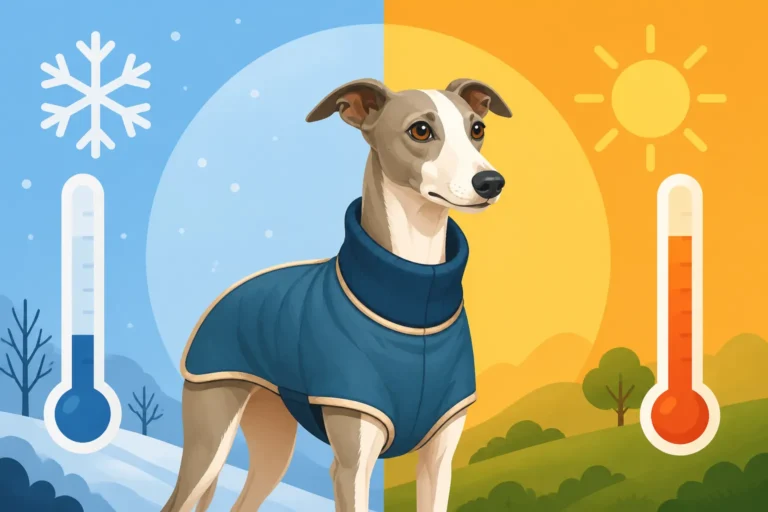
The time of year also plays a role in your Whippet's bathing routine. In the warmer months, especially if your Whippet enjoys outdoor activities, they might get dirtier more frequently. Mud, dust, and pollen are more prevalent, leading to a higher likelihood of needing a bath. However, during hot weather, their thin coat means they can also sunburn, so prolonged outdoor exposure or sunbathing, especially after a bath, needs careful management. Why a Whippet's Pink Skin Burns is a real consideration during summer.
Winter presents its own challenges. While they might not get as muddy if snow is the primary precipitation, they'll still track in slush, road salt, or other winter grime. However, the cold means you need to be extra diligent about drying them thoroughly after a bath to prevent chilling. Many Whippets absolutely despise being cold, and a wet Whippet in winter is a shivering Whippet. You might choose to do fewer full baths during the coldest months and rely more on quick rinse-offs of their paws and belly, or using pet-safe wipes for spot cleaning, to minimize their exposure to cold while wet. Whether a Whippet Needs a Coat Below Fifty Degrees definitely ties into keeping them warm after a bath in cooler weather.
The "Right" Bathing Schedule for a Whippet
Given their unique characteristics, what's the actual "sweet spot" for bathing a Whippet? It's less about a strict calendar date and more about a combination of factors, but we can certainly lay out some general guidelines.
The General Recommendation
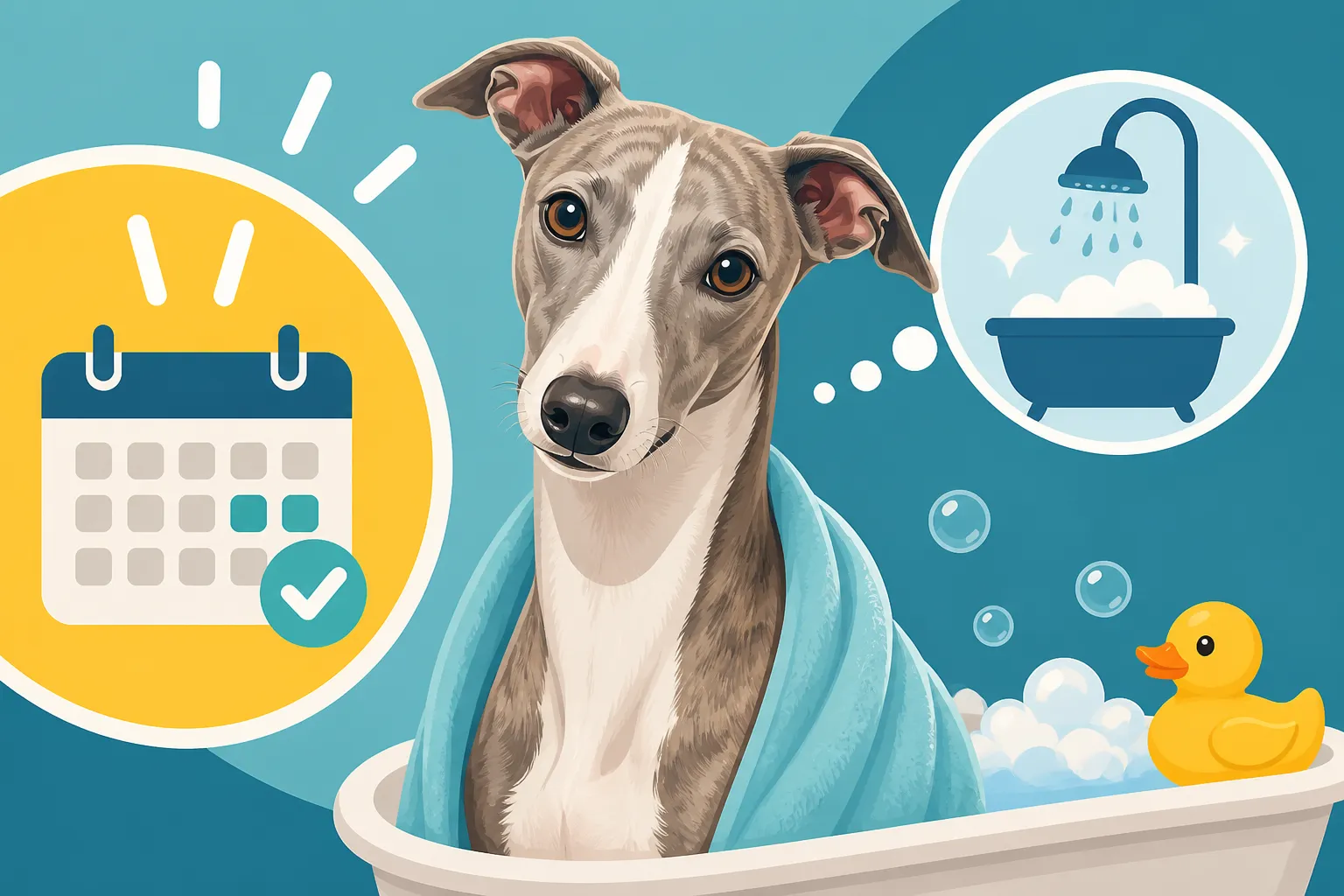
For the average, healthy Whippet living a moderately active indoor/outdoor life, a bath every 4 to 8 weeks is usually more than sufficient. Many owners find that once every 6-8 weeks works perfectly, sometimes even longer if their dog rarely gets genuinely dirty. This frequency allows their skin to maintain its natural oils, which are crucial for a healthy barrier, without accumulating excessive grime. It's often enough to keep them clean, smelling fresh, and looking their best without drying out their delicate skin.
Think of it less as a mandatory chore every few weeks and more as a maintenance task when needed. If your Whippet isn't visibly dirty, doesn't smell, and isn't experiencing any skin issues, there's absolutely no need to rush them into the tub. In fact, over-bathing can do more harm than good, as it strips those protective oils. A good routine focuses on gentle care and observation, rather than rigid scheduling.
When More Frequent Baths are Necessary
There are definitely times when breaking from the general recommendation is not only acceptable but necessary.
- Accidents and Odors: If your Whippet rolls in something foul (and let’s be honest, they sometimes do, with that sighthound tendency to explore interesting smells!), an immediate bath is a must. No one wants that smell lingering!
- Heavy Soiling: After a particularly muddy hike, a romp in a dusty field, or a day at the beach, a full bath will be needed to remove all the grit and sand that can irritate their skin.
- Allergies or Skin Conditions: As mentioned earlier, if your vet recommends therapeutic baths for allergies, skin infections, or excessive shedding (though How Much a Whippet Sheds is generally minimal), you might be bathing them more often, often with specific medicated shampoos. These are treatments, not just cleaning routines.
- Show Dogs: Whippets participating in dog shows often require more frequent bathing and grooming to ensure their coat is pristine and shining for the judges. This is a specific scenario driven by competition standards.
In these situations, prioritize your Whippet's immediate needs for cleanliness or treatment, but always opt for the gentlest products and techniques available to protect their skin.
When Less Frequent Baths are Better
Conversely, there are situations where less frequent bathing is the wiser choice.
- Dry or Irritated Skin: If your Whippet is experiencing dry, flaky, or itchy skin, especially outside of a diagnosed allergic reaction, cutting back on baths can help their skin recover and replenish its natural moisture barrier. A vet might recommend a moisturizing leave-in conditioner or a special diet instead of more bathing.
- Cold Weather: While not impossible, bathing in very cold weather can be a challenge. Ensuring your Whippet is completely dry and warm afterwards takes time and effort. If the dirt is minimal, spot cleaning might be preferred to avoid the risk of chilling them.
- Puppies: Very young puppies generally don't need frequent baths unless they've had an accident. Their skin is even more delicate, and they can chill easily. Focus on gentle spot cleaning and letting them get used to grooming rather than full submersion baths.
- Senior Whippets: Older Whippets, particularly those with arthritis or other mobility issues, might find the bathing process stressful or uncomfortable. For Caring for an Old Whippet That Feels the Cold or has stiff joints, minimizing full baths and focusing on gentle sponge baths or wipes can be more compassionate.
Always observe your Whippet's skin and coat condition, and adjust your routine accordingly. Their comfort and health should be the top priority.
Best Practices for Bathing Your Whippet
When it's time for a bath, having the right approach and products can make all the difference, turning a potentially stressful event into a tolerable, or even enjoyable, one for your Whippet. Remember, gentle is always the key word with these sensitive souls.
Choosing the Right Products
This is perhaps the most crucial step. Due to their thin skin, Whippets need shampoos that are specifically formulated for sensitive skin, or at least very mild. Avoid harsh detergents, strong perfumes, or artificial colors, which can all be irritating. Look for:
- Oatmeal-based shampoos: These are excellent for soothing sensitive or dry skin.
- Hypoallergenic formulas: Free from common irritants.
- Moisturizing shampoos: To help replenish natural oils.
- Vet-recommended options: Especially if your Whippet has allergies or skin conditions.
You'll also want a good conditioner. Whippet coats can benefit from a light conditioner to keep them soft and prevent static, especially in dry climates. Again, look for gentle, moisturizing formulas. Some brands like Earthbath or Burt's Bees are often popular choices for sensitive dogs. For convenience, you might find a good selection of these products through online retailers like Chewy or Amazon. Remember, Which Shampoo Suits a Whippet's Thin Skin is a question worth discussing with your vet to ensure you're making the best choice.
The Bathing Process: Gentle is Key
A Whippet bath doesn't need to be an ordeal. Here’s a gentle step-by-step approach:
- Preparation is everything: Gather all your supplies before you start: shampoo, conditioner, towels, and maybe some treats. Place a non-slip mat in the tub or shower to make your Whippet feel more secure. Adjust the water temperature to lukewarm – not too hot, not too cold.
- Wet thoroughly, gently: Use a handheld shower sprayer if possible, or a cup, to thoroughly wet their coat, moving from neck to tail. Be careful around their face and ears, avoiding getting water in their eyes or ear canals.
- Lather and massage: Apply a small amount of shampoo and gently massage it into their coat and skin. There's no need for vigorous scrubbing; their short coat cleans easily. Focus on areas that get dirtiest, like their paws, belly, and tail. Allow the shampoo to sit for a minute or two if it's a therapeutic formula, but otherwise, a quick massage is fine.
- Rinse, rinse, rinse: This is critical! Any shampoo residue left on their skin can cause irritation. Rinse thoroughly until the water runs clear and you can no longer feel any slipperiness on their coat. Start from their neck and work your way down.
- Condition (if using): Apply conditioner, let it sit for a minute or two, and then rinse it out completely, just like the shampoo.
- Squeeze excess water: Gently squeeze as much water as you can from their coat before they get out.
Making the experience positive with calm reassurance and treats can help even nervous Whippets tolerate bath time better.
Post-Bath Care: Drying and Warming
The drying process is just as important as the bath itself, especially for a Whippet who feels the cold so acutely.
- Towel dry thoroughly: Use several soft, absorbent towels to blot and rub your Whippet dry. Get as much moisture out as you can this way. Many Whippets will enjoy a vigorous rub-down as a bonding experience.
- Air dry or low-heat blow dry: In a warm room, your Whippet can air dry naturally, though they might appreciate a cozy blanket or a fleece sweater to wear while doing so. If it's cooler, or if you want to speed up the process, you can use a hairdryer on a cool or low-heat setting at a safe distance. Always keep the dryer moving and never use high heat, which can burn their delicate skin.
- Keep them warm: This is non-negotiable for a Whippet. After a bath, even in a warm room, their thin coat means they can get chilled easily. Have a soft, dry bed ready for them to snuggle into. A warm blanket, a soft towel, or even a fleece pajama set can help them regulate their temperature until they are completely dry and warm. You might even consider having a dedicated "bath time" sweater for them. If it's chilly, Whether a Whippet Needs a Coat Indoors is definitely a consideration after bath time. Ensuring they don't get cold immediately after is crucial for their comfort and health.
Alternatives to Full Baths
Sometimes, a full bath isn't necessary, or it's simply not the right time. Thankfully, there are several excellent alternatives that can keep your Whippet clean and fresh between washes.
Spot Cleaning and Wipes
For minor mishaps or localized dirt, spot cleaning is a lifesaver. Did your Whippet get muddy paws after a sudden downpour? A quick wipe with a damp cloth or a pet-safe grooming wipe is all you need. Muddy belly? Same solution. These are readily available from pet supply stores or online through platforms like Amazon or Chewy. They're also fantastic for cleaning around their mouth after a messy meal or wiping away dust from their ears.
Pet-safe wipes are gentle, often hypoallergenic, and designed not to strip natural oils. Keep a pack by the door for muddy paws, or in your car for post-park clean-ups. This approach reduces the frequency of full baths, which is better for your Whippet's skin, and makes daily maintenance much quicker and less stressful for both of you. It's a key part of any good Skin First Aid Every Whippet Owner Should Know kit, allowing you to tackle small issues before they become bigger problems.
Regular Brushing for Coat Health
While Whippets don't shed excessively compared to many breeds, regular brushing is still beneficial for their coat health and cleanliness. A soft rubber curry brush or a grooming mitt works wonders.
- Removes loose hair: Even with a short coat, Whippets do shed, and brushing helps to remove those loose hairs before they end up on your furniture.
- Stimulates skin and distributes oils: Brushing acts as a gentle massage, stimulating blood flow to the skin and helping to distribute natural skin oils, which keeps their coat healthy and shiny.
- Removes dirt and dander: The brush can effectively lift off dust, dander, and dried dirt from the surface of their coat.
Brushing can often postpone the need for a full bath, making their coat look and feel cleaner. Aim for a quick brush-down once or twice a week, or more often if they've been particularly active outdoors. This simple routine is why How Often a Whippet Needs Brushing is an important part of their regular care, even for a low-maintenance coat.
Dealing with Mud and Dirt
Mud is often the primary driver for bathing in active Whippets. But before you reach for the shampoo, consider these strategies:
- Let it dry: For light mud, sometimes the easiest thing to do is let it dry. Once dry, much of it will simply flake off or can be brushed away with minimal effort. This avoids unnecessarily wetting the dog and can often save you a full bath.
- Rinse off only the dirty parts: If your Whippet's legs and belly are muddy, but the rest of them is clean, take them into the shower or use a hose (with lukewarm water!) to rinse off just the affected areas. There’s no need to shampoo their entire body if only a portion is dirty.
- Protective gear: In very muddy or cold conditions, a full-body dog coat or even specialized leg wraps can protect your Whippet from getting excessively dirty in the first place. This saves you the trouble of cleaning them later and also helps to keep them warm. Whether a Whippet Needs a Raincoat or other protective outerwear is a common query that directly relates to managing dirt accumulation.
Common Mistakes Whippet Owners Make with Bathing
Even with the best intentions, it's easy to fall into habits that aren't ideal for a Whippet's delicate system. Being aware of these common pitfalls can help you maintain their skin and coat health effectively.
Over-Bathing and Skin Irritation
This is by far the most common mistake. While we might think more baths equal a cleaner dog, for a Whippet, it often leads to problems. Frequent bathing, especially with products not specifically designed for sensitive skin, can strip the natural oils from their skin and coat. These oils form a crucial protective barrier, keeping moisture in and irritants out. When this barrier is compromised, their thin skin becomes dry, flaky, and itchy.
Imagine washing your hands with harsh soap twenty times a day; they'd quickly become chapped and sore. It's the same principle for a Whippet. Chronic dryness can lead to scratching, which can then cause skin abrasions, redness, and even secondary bacterial or yeast infections. It’s a frustrating cycle, and often, the solution is simply to reduce bathing frequency and use gentler products. Prioritizing skin health over perceived cleanliness is vital.
Using Harsh Shampoos
Another frequent error is using shampoos that are too harsh for a Whippet's sensitive skin. This often happens when owners use human shampoos, which have a different pH balance than canine skin, or general dog shampoos designed for breeds with much thicker, oilier coats. Products containing strong fragrances, dyes, or harsh detergents like sulfates can be highly irritating.
These ingredients can trigger allergic reactions, cause excessive dryness, and lead to skin inflammation. A Whippet's skin is simply not equipped to handle such harsh chemicals. Always opt for shampoos labeled "hypoallergenic," "for sensitive skin," or "oatmeal-based," and check the ingredient list for potential irritants. If you're unsure, ask your veterinarian for a recommendation. Investing in a good quality, gentle shampoo is a small cost compared to vet bills for chronic skin issues.
Not Drying Thoroughly Enough
This mistake isn't about cleanliness, but about health and comfort. Because Whippets have so little insulating body fat and a very short coat, they get cold very easily. If they are not dried thoroughly after a bath, especially in cooler weather, they can quickly become chilled. This isn't just uncomfortable; a prolonged chill can stress their system and, in some cases, contribute to them feeling generally unwell.
Furthermore, leaving skin and coat damp can create a warm, moist environment that can encourage bacterial or yeast growth, leading to skin infections, particularly in areas like paw pads or skin folds if they have any. While Whippets don't typically have many folds, their delicate skin can still be susceptible. Always ensure your Whippet is completely dry, right down to the skin, before allowing them to go outside in cool temperatures or settling down for a nap. This might mean extra time with the towels or a gentle blow dryer, but it’s time well spent for their well-being.
Whippet Bathing and Grooming Routine Summary
To make things a little easier to digest, here’s a quick overview of key considerations for your Whippet's bathing and grooming routine. Remember, these are guidelines, and your individual Whippet’s needs may vary!
| Aspect | General Recommendation | Considerations for Adjustment |
|---|---|---|
| Bathing Frequency | Every 4-8 weeks | More for active/muddy dogs, allergies, show dogs. Less for dry skin, cold weather, seniors. |
| Shampoo Choice | Mild, hypoallergenic, oatmeal, moisturizing | Avoid harsh detergents, strong perfumes. Consult vet for medicated options. |
| Conditioner Use | Recommended for softness and static control | Use gentle, rinse thoroughly. |
| Drying Method | Towel dry thoroughly, then air dry or low-heat blow dry | Crucial for warmth; avoid chilling. Consider a coat. |
| Brushing | 1-2 times a week with a soft rubber brush | More for shedding, dirt removal, skin stimulation. |
| Spot Cleaning | As needed for muddy paws, dirty patches | Use pet-safe wipes, damp cloth. |
| Ear Cleaning | Rarely needed, check for wax/dirt weekly | Use vet-approved cleaner if needed, gently. |
| Nail Trimming | Every 2-4 weeks | As needed to prevent clicking on floors. Teach tolerance early. |
| Dental Care | Daily brushing is ideal | Whippets prone to tartar. Professional cleanings as recommended by vet. |
Disclaimer
This article is for general informational purposes only and does not constitute professional advice. Laws, prices and regulations vary by location and change over time. Consult a qualified professional for guidance on your specific situation.