Whether a Whippet Should Have a Cardiac Exam
Whippet cardiac exams clarify whether heart murmurs and enlarged organs indicate normal athletic physiology or actual disease.

Whippet cardiac exams clarify whether heart murmurs and enlarged organs indicate normal athletic physiology or actual disease.

Whippet heart size on standard X-rays often represents a normal athletic adaptation rather than cardiomyopathy or disease.
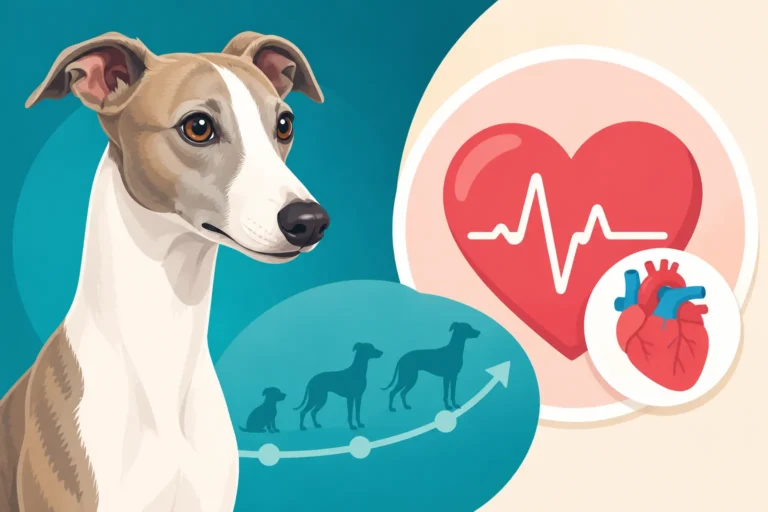
Whippet heart murmurs usually appear as dogs transition from middle age into senior years, signaling turbulent blood flow.
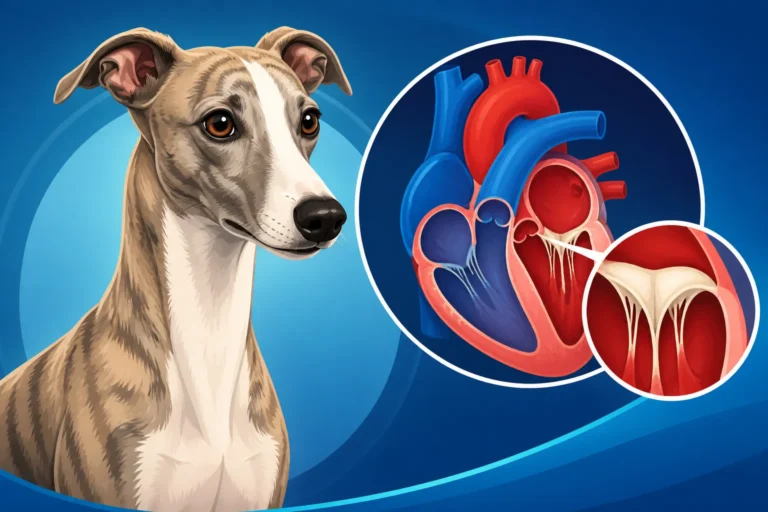
Mitral valve disease in Whippets causes backward blood flow, leading to heart chamber enlargement and decreased pumping efficiency in senior dogs.

Whippet bloodwork often falls outside standard veterinary reference ranges because sighthounds possess unique physiologies and body compositions.
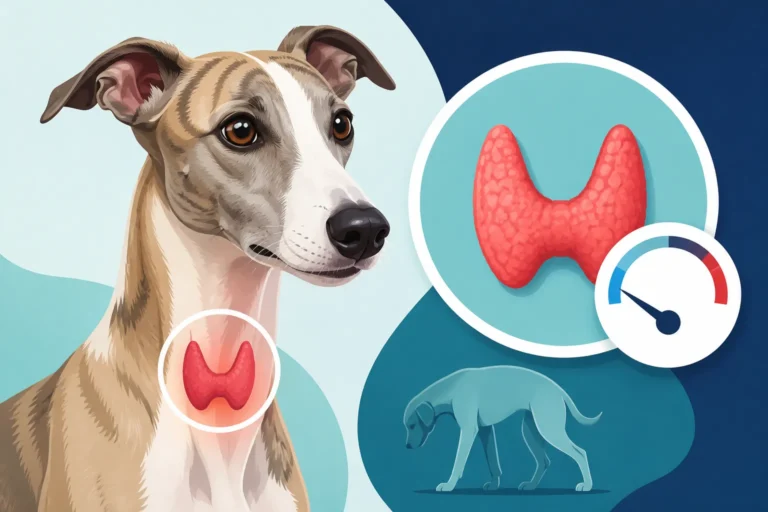
Healthy Whippets frequently show low thyroid hormone readings on standard blood panels without having true canine hypothyroidism.

Whippet red blood cell counts run high naturally, explaining why these sighthound bloodwork results are normal and healthy.

Whippet MDR1 mutation risk involves genetic susceptibility to drugs like ivermectin, causing toxins to build up inside the brain.
Whippet medication safety details the specific drugs and anesthesia protocols that require extreme caution due to low body fat.
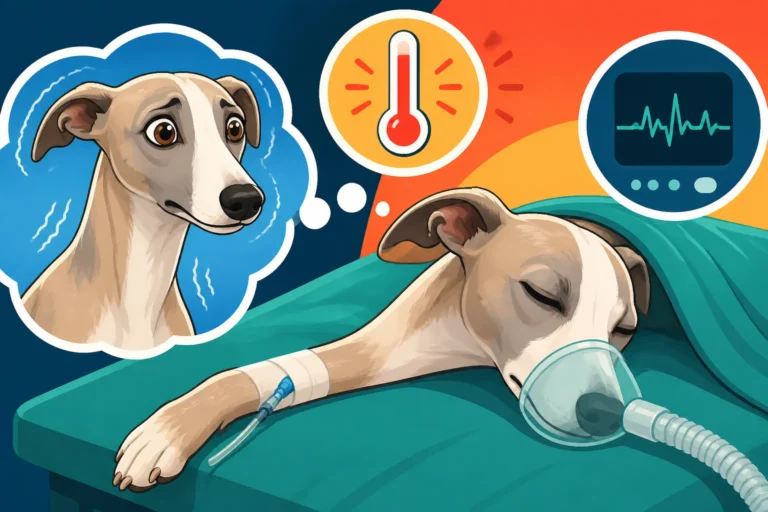
Nervous Whippets undergoing anesthesia face unique temperature regulation risks, lower body fat, and distinct metabolic responses during surgical procedures.