Whether a Rescue Whippet Trusts Again
Rebuilding trust with a traumatized rescue Whippet requires patience, gentle touch, and predictable routines to overcome past neglect.
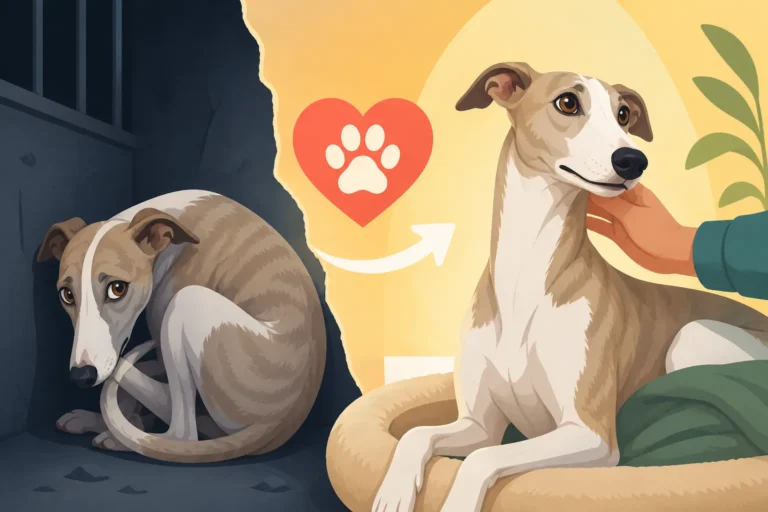
Rebuilding trust with a traumatized rescue Whippet requires patience, gentle touch, and predictable routines to overcome past neglect.

A rehomed adult Whippet experiences stress, but a calm, predictable environment helps this sensitive breed adjust safely.

Whippet puppy sprinting safety explains how to protect developing joints and prevent early arthritis from excessive running.

Whippet growth plates close at 12 to 18 months, which determines the safe age for starting high-speed lure coursing activities.

Whippet puppy furniture jumping creates risks of bone fractures, joint stress, and acute injuries to developing growth plates.

Whippet burrowing behavior stems from minimal body fat, short coats, and historical needs for warmth, shelter, and security.
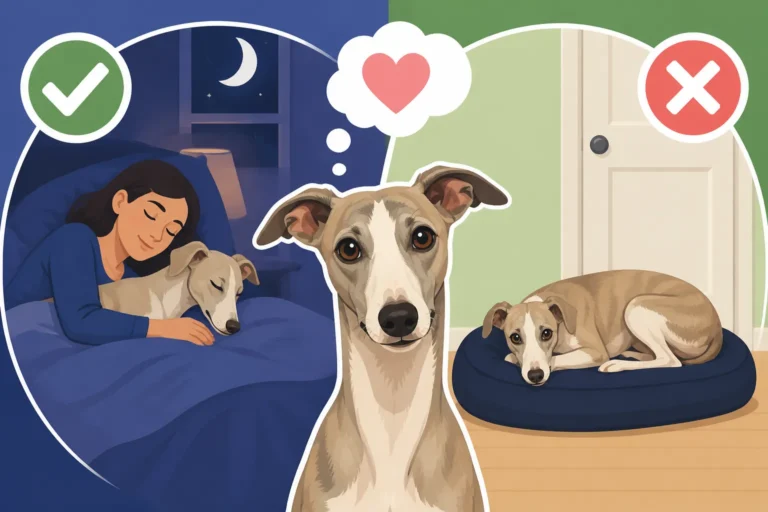
Whippet bedroom sleeping arrangements balance a physical need for warmth, pack proximity, and up to eighteen daily hours of rest.

Whippet temperament, gentle indoor affection, and strong sighthound prey drive explain whether this breed suits a first time owner.
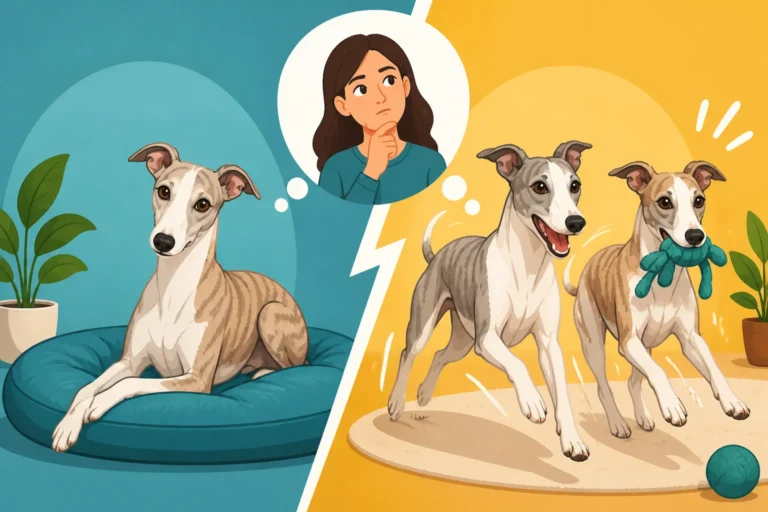
Two Whippets in a multi-dog household help reduce loneliness while doubling daily training, feeding, and veterinary care work.

Whippet companionship needs depend on individual personality, anxiety signs, and daily schedules, explaining when a second dog helps.