Whether a Whippet Puppy Bites Hard
Bringing a new Whippet puppy home is a joy, filled with dreams of cuddles and playful antics. But many new owners quickly find themselves wondering if their adorable little land shark bites harder than expected, leaving behind tiny needle-sharp punctures on hands and ankles. This guide will delve into why Whippet puppies bite, how to differentiate normal puppy mouthing from genuine aggression, and most importantly, how to teach your sensitive Sighthound the gentle mouth manners they need to become a wonderful family companion.
The Universal Truth: All Puppies Bite, and Whippets Are No Exception
Let's be real: every single puppy bites. It's not a Whippet-specific quirk or a sign that your elegant little sighthound-to-be is secretly a terror. Puppy biting is a completely normal, instinctual, and crucial part of their development. If you've ever spent time around a litter of puppies, you'll see them constantly mouthing, nipping, and play-biting each other. This isn't aggression; it's how they learn about their world, explore objects, and most importantly, how they learn bite inhibition from their littermates and mother.
Think of it like a human baby putting everything in their mouth. For puppies, their mouths are their hands. They use them to investigate textures, communicate, and engage in play. When a puppy plays too roughly with a littermate, that littermate will yelp and stop playing. This teaches the offender that "ouch, that hurt, and now the fun stops." This critical feedback loop is often missing when a puppy comes into a human home, leaving us, the owners, with the important job of continuing that education. Your Whippet puppy isn't trying to be mean; they're just doing what comes naturally, and it's our job to guide them.
Why Puppy Teeth Feel Like Tiny Needles
It's not just your imagination; those puppy teeth are sharp. Whippet puppies, like all young canines, are equipped with incredibly fine, pointed deciduous (baby) teeth. These teeth are perfectly designed for tearing and shredding their first solid foods, and unfortunately for us, for making a distinct impression on human skin. They feel like little needles, and even a gentle exploratory nip can smart considerably. This sharpness, combined with a puppy's natural exuberance, can make even innocent play biting feel quite intense.
You might find yourself wincing and pulling your hand away, only for your Whippet puppy to lunge back, thinking it's part of the game. It's a common struggle, and it's easy to get frustrated. But remember, they don't yet understand the difference between puppy skin and human skin. They're still learning. This phase, while sometimes painful, is temporary. Those needle teeth will eventually fall out, replaced by broader, stronger adult teeth that, while capable of a strong bite, tend to be less "stabby" during play.
The Role of Play and Exploration in Puppy Biting
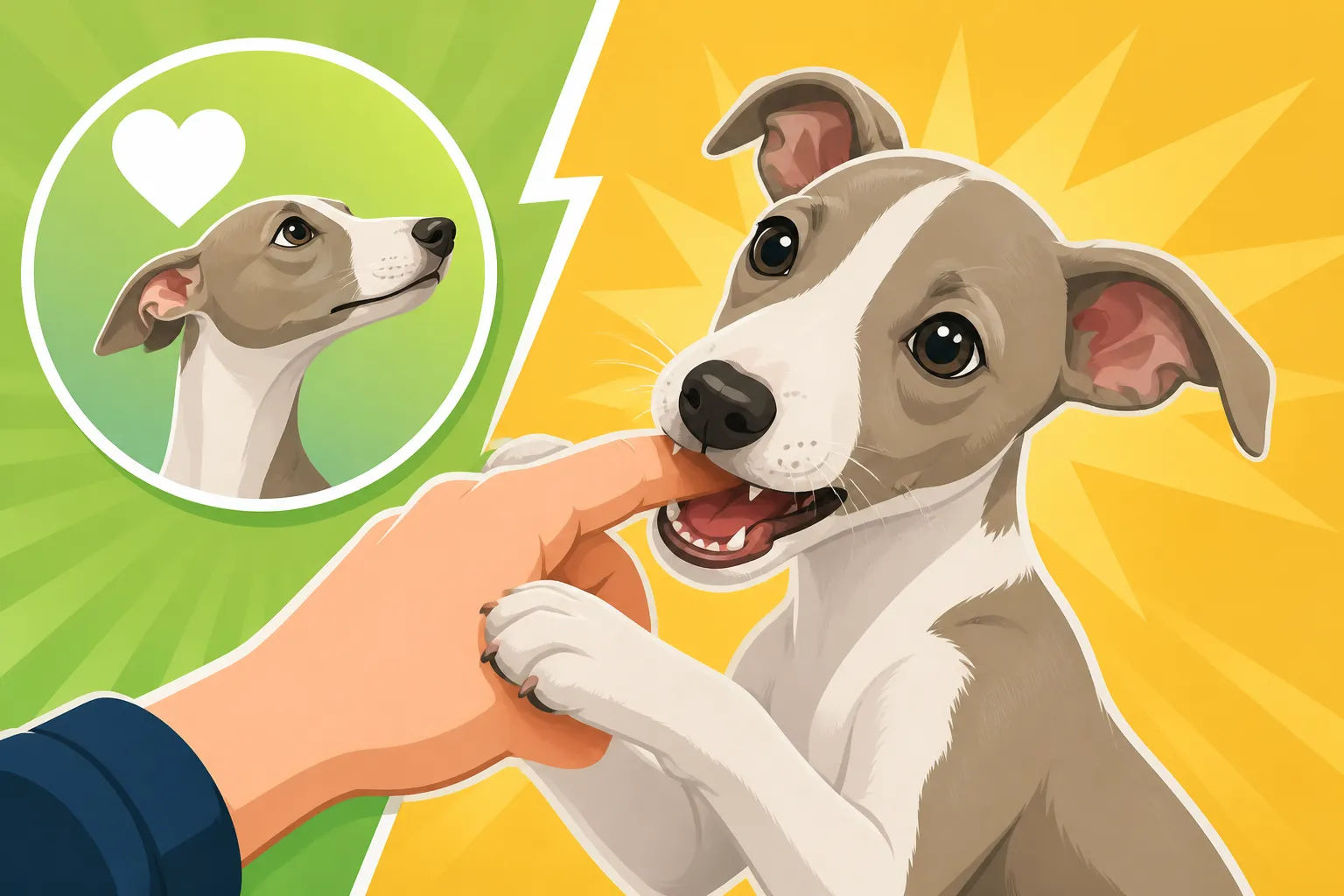
For a Whippet puppy, biting is also deeply intertwined with play. Whether it's tug-of-war with a toy, chasing your feet, or wrestling with a sibling, mouthing is a core component. They learn their strength and the limits of others through these interactions. When your Whippet puppy nips at your hands or clothes, they're often inviting you to play. It's their way of saying, "Let's interact!"
This exploratory biting is also how they learn about their environment. They'll mouth new objects, chew on furniture legs, and explore anything within reach with their teeth. This is why having appropriate chew toys is so vital. If you don't provide acceptable outlets for this natural behavior, your Whippet puppy will find their own, and often that means your favorite shoes, the corner of the rug, or your arm. Providing a variety of textures and safe chews can redirect this natural urge, making the transition to good manners much smoother. You can find a great selection of durable chew toys on Amazon that cater to even the most enthusiastic chewers.
Whippet Sensitivities: Why Their Biting Might Feel More Intense
While all puppies bite, the experience with a Whippet puppy might feel particularly acute due to a few breed-specific characteristics. Whippets are known for their delicate, thin skin, their lean build, and their general sensitivity to harsh corrections. These factors can influence how we perceive their puppy biting and how we should approach training.
Thin Skin and the "Ouch" Factor
Whippets are sighthounds, bred for speed and agility, not for thick, protective coats or robust frames. This means their skin is often quite thin and easily bruised or cut, even by accident. This characteristic isn't just about their own physical vulnerability; it also makes your skin feel more vulnerable to their sharp puppy teeth. A nip that might be a mild annoyance from a fluffier, more stout puppy can feel like a genuine jab from a Whippet pup.
Because of this inherent delicacy, you might instinctively react more strongly to their nips, perhaps yelping louder or pulling away more sharply. This amplified reaction, while natural, can sometimes inadvertently fuel the puppy's excitement, making them think you're engaging in a fun, high-energy game. It’s a bit of a Catch-22: their physical traits make their bites feel harder, which makes us react more, which can sometimes make them bite more. Understanding this dynamic is key to breaking the cycle effectively and calmly.
Their Lean Build and Enthusiastic Play Style
Whippets are sleek, athletic dogs, even as puppies. They are often full of boundless energy, especially during playtime. This enthusiasm, combined with their lean, muscular bodies, means they can be surprisingly forceful in their play. They might not have the chunky body mass of a Bulldog puppy, but they can launch themselves with impressive speed and conviction, leading to more impactful nips during excited moments.
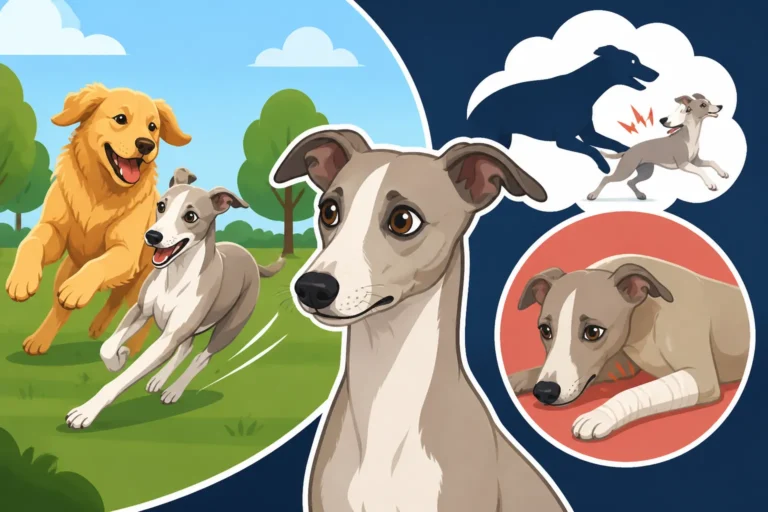
Their play style often involves quick bursts of movement, chasing, and pouncing. When they direct this playful energy towards you, aiming for your hands or feet, it can be quite startling. It’s important to remember that this isn't aggression; it's simply their natural, high-octane way of engaging. Learning to channel this energy into appropriate games, like fetch with a soft toy or supervised runs in a secure area, is crucial. Whether a Whippet Gets Hurt Playing With Bigger Dogs is a good read on managing their physical play with others.
The Whippet's Sensitivity to Corrections
Whippets are renowned for their gentle, sensitive nature. They respond best to positive reinforcement and can shut down or become anxious if subjected to harsh physical corrections or overly loud verbal reprimands. This sensitivity is a major factor when dealing with puppy biting. While it might be tempting to respond to a hard bite with an equally harsh "NO!" or a tap on the nose, this approach can backfire dramatically with a Whippet.
Instead of learning to stop biting, your Whippet puppy might learn to fear your hands, become hand-shy, or even develop defensive biting as a response to perceived threats. This is why consistent, calm, and positive methods are paramount. You want your Whippet to learn what to do instead of biting, not just to fear biting you. Why Harsh Handling Ruins a Whippet explains more about their temperament and training needs. Effective training often relies on gentle redirection and rewarding the desired behavior, which builds trust and a strong bond.
Nipping Versus Aggression: Knowing the Difference
It's vital for any Whippet owner to understand the distinction between normal puppy nipping and genuine aggressive biting. While the feeling of sharp puppy teeth can be alarming, most instances are typical puppy behavior, not aggression. Misinterpreting this can lead to inappropriate training methods that damage your relationship with your dog.
Normal Puppy Nipping: Playful, Exploratory, and Accidental
Normal puppy nipping, also known as mouthing, is almost always accompanied by relaxed body language. You'll typically see:
- Loose, Wiggly Body: The puppy's body is soft and fluid, not stiff or tense.
- Play Bows: They might perform a play bow (front end down, rear end up) to invite interaction.
- Wagging Tail: A loose, wagging tail, often in a broad arc.
- Soft Eyes: Their eyes will look soft and engaged, not hard or staring.
- Open Mouth, Playful Expressions: Their mouth might be open in a "laughing" or panting expression.
- Lack of Growling or Snarling: While play growls can happen, they're usually soft and part of an overall playful context.
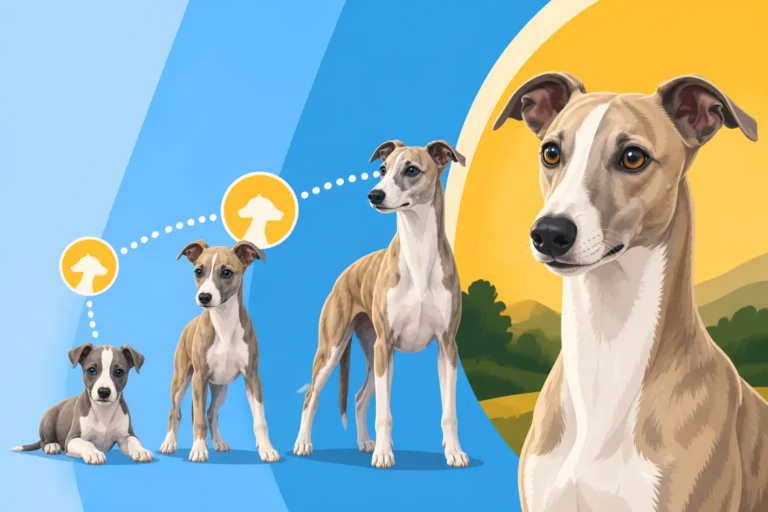
These nips might increase in intensity when the puppy is over-tired, over-excited, or hasn't had enough appropriate mental and physical stimulation. They are often attempts to engage you in play, to explore boundaries, or simply a sign of an untrained mouth. The goal with these behaviors is to teach bite inhibition – how to control the pressure of their bite – and redirect them to appropriate chew items. This developmental stage typically passes as puppies mature, especially with consistent training. The Age a Whippet Puppy Stops Mouthing often aligns with the teething period.
Concerning Aggressive Biting: Stiff, Intentional, and Warning Signs
Aggressive biting, on the other hand, is a much more serious issue and requires immediate professional intervention. It stems from fear, anxiety, resource guarding, or pain, not play. Watch for these warning signs:
- Stiff Body Language: The puppy's body becomes rigid, frozen, or tense.
- Hard Stare: Direct, unblinking eye contact that feels threatening.
- Lip Lick/Yawn (out of context): These can be subtle stress signals, especially if not preceded by eating or waking up.
- Growling or Snarling: Deep, guttural growls or snarling with exposed teeth.
- Raised Hackles: Hair standing up on the back of their neck or spine.
- Guarding Behavior: Biting when approached while eating, guarding a toy, or in their bed.
- Snapping without contact: A warning snap that doesn't make contact but is intended to scare you away.
If your Whippet puppy exhibits any of these aggressive behaviors, especially repeatedly or without provocation, it's crucial to seek help from a certified professional dog trainer or veterinary behaviorist. These behaviors are not something to "train out" on your own without expert guidance, as mishandling can escalate the problem. For most Whippet owners, though, what they experience is normal puppy nipping, not true aggression.
Here's a quick comparison table to help you distinguish:
| Characteristic | Normal Puppy Nipping | Concerning Aggressive Biting |
|---|---|---|
| Motivation | Play, exploration, teething, seeking attention | Fear, anxiety, pain, resource guarding, territoriality |
| Body Language | Loose, wiggly, play bows, relaxed tail | Stiff, frozen, tense, hackles raised |
| Facial Expression | Soft eyes, open mouth, playful look | Hard stare, furrowed brow, bared teeth, lip curls |
| Vocalizations | Soft play growls, yips, excited barks | Hard growls, snarls, defensive barks |
| Context | During play, when over-excited, seeking interaction | When approached, guarding resources, feeling threatened |
| Intensity | Varies with excitement, but generally not trying to harm | Intent to cause harm or make a threat clear |
Teaching Bite Inhibition to Your Whippet Puppy
The good news is that teaching bite inhibition and redirecting nipping is entirely possible with consistent, positive training. Your Whippet puppy can learn to be gentle. It just takes patience and understanding of how they learn.
The "Ouch!" and Ignore Method
This is probably the most classic and effective method for teaching bite inhibition, mimicking how littermates teach each other.
- Exaggerated "Ouch!": The moment your Whippet puppy's teeth touch your skin with more than feather-light pressure, let out a sharp, high-pitched "Ouch!" or "Yipe!" Make it sound genuinely painful, even if it wasn't. Whippets are sensitive, and this sound alone can often startle them.
- Withdraw Attention Immediately: The critical next step is to instantly remove your attention. If you're sitting, stand up and turn your back. If you're playing on the floor, get up and walk away. Cross your arms and avoid eye contact. The game stops. Interaction ceases.
- Brief Time-Out: If the puppy follows you or continues to nip at your clothing, calmly leave the room for 10-20 seconds. This isn't a punishment; it's a consequence: "If you bite me, the fun human disappears."
- Resume Play Calmly: After the brief time-out, return and resume play. If the puppy nips hard again, repeat the process. The goal is to teach them that biting too hard means the fun ends. You're teaching them a 'soft mouth.'
- Reward Gentle Mouths: Actively reward your puppy for gentle play. When they mouth you softly, or play without putting teeth on you at all, offer praise, a treat, or continue playing enthusiastically. This positive reinforcement shows them what to do instead of what not to do. What a Whippet Will Work For often involves praise and tasty treats.
Consistency is key here. Every family member needs to use the same method. If one person allows harder bites, it confuses the puppy.
Redirecting to Appropriate Chew Toys
Puppies need to chew, especially when they're teething. It soothes their gums and fulfills a natural instinct. Provide a variety of safe, engaging chew toys and redirect your Whippet puppy to them whenever they try to mouth your hands or furniture.
- Offer a Swap: When your puppy nips you, immediately offer an appropriate chew toy. As soon as their mouth touches the toy, praise them enthusiastically.
- Variety is Key: Offer different textures – rubber, rope, softer plush toys, puzzle toys. Some puppies prefer certain types of chews. Finding what your Whippet loves will make redirection easier. Puzzle toys, in particular, can be great for mental stimulation.
- Keep Toys Accessible: Have toys readily available in every room where your puppy spends time. This makes it easy to grab one for redirection the moment a nip occurs.
- Frozen Treats: For teething puppies, frozen Kongs filled with peanut butter (xylitol-free!), yogurt, or mashed banana can provide soothing relief and a desirable chewing outlet. This helps distract them from your fingers!
Many online retailers like Amazon offer subscription boxes or a huge selection of individual chew toys, so you can experiment with different types to see what your Whippet prefers.
Managing Excitement and Providing Adequate Exercise
Often, puppy biting escalates when a Whippet puppy is over-tired, over-stimulated, or hasn't had enough appropriate exercise. Whippets are known as "40 mph couch potatoes," meaning they need bursts of intense exercise followed by plenty of rest.
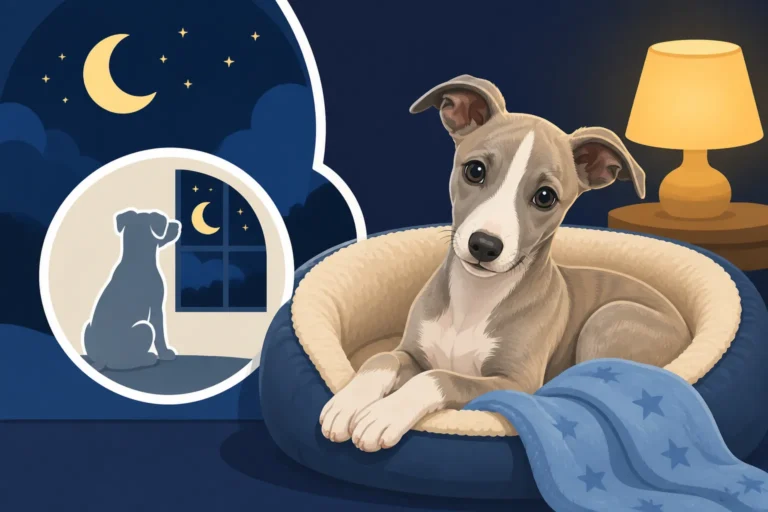
- Scheduled Naps: Puppies need a lot of sleep! An over-tired puppy is often a bitey puppy. If your Whippet puppy is getting mouthy and crazy, it might be a sign they need a nap. Gently guide them to their crate or a quiet resting spot. Whether a Whippet Puppy Should Be Crated can be a valuable tool for management.
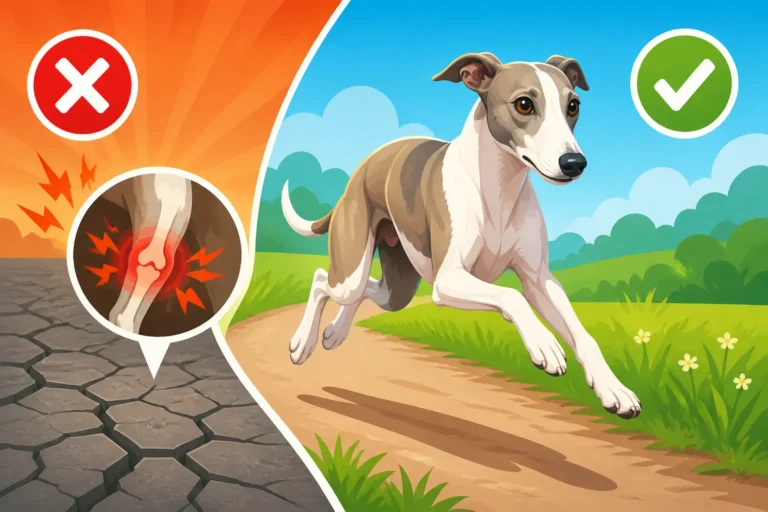
- Appropriate Exercise: Ensure your Whippet puppy gets enough physical and mental exercise for their age. Short, supervised play sessions and walks are better than long, exhausting ones for young puppies. Remember, too much high-impact exercise can be detrimental to their developing joints. Raising a Whippet Puppy Without Wrecking Its Joints is an important resource.
- Mental Stimulation: Don't forget mental exercise! Puzzle feeders, training sessions, and scent games can tire a puppy out just as much as physical activity. A mentally stimulated puppy is often a calmer puppy.
- Calm Greetings: Teach your puppy calm greetings. Instead of letting them jump and nip in excitement when you walk in the door, ask them to sit for a treat. This helps them associate greetings with polite behavior rather than mouthy exuberance.
Utilizing Training Classes and Resources
You don't have to navigate puppyhood alone. Puppy kindergarten classes are fantastic for socialization and learning basic manners. A good class will emphasize positive reinforcement and provide structured opportunities for your puppy to interact with other puppies and people, helping them learn appropriate play.
Online puppy training resources like BAXTER & Bella can be incredibly helpful, offering step-by-step guidance on common puppy challenges, including bite inhibition, house training, and basic obedience. They often provide video tutorials and a supportive community, which can be invaluable for new puppy owners. How Quickly a Whippet Learns means they are often eager students in such environments.
Remember, consistency, patience, and positive reinforcement are your best tools. Your Whippet puppy will eventually outgrow the "land shark" phase, developing into the gentle, loving companion they are meant to be.
Disclaimer
This article is for general informational purposes only and does not constitute professional advice. Laws, prices and regulations vary by location and change over time. Consult a qualified professional for guidance on your specific situation.