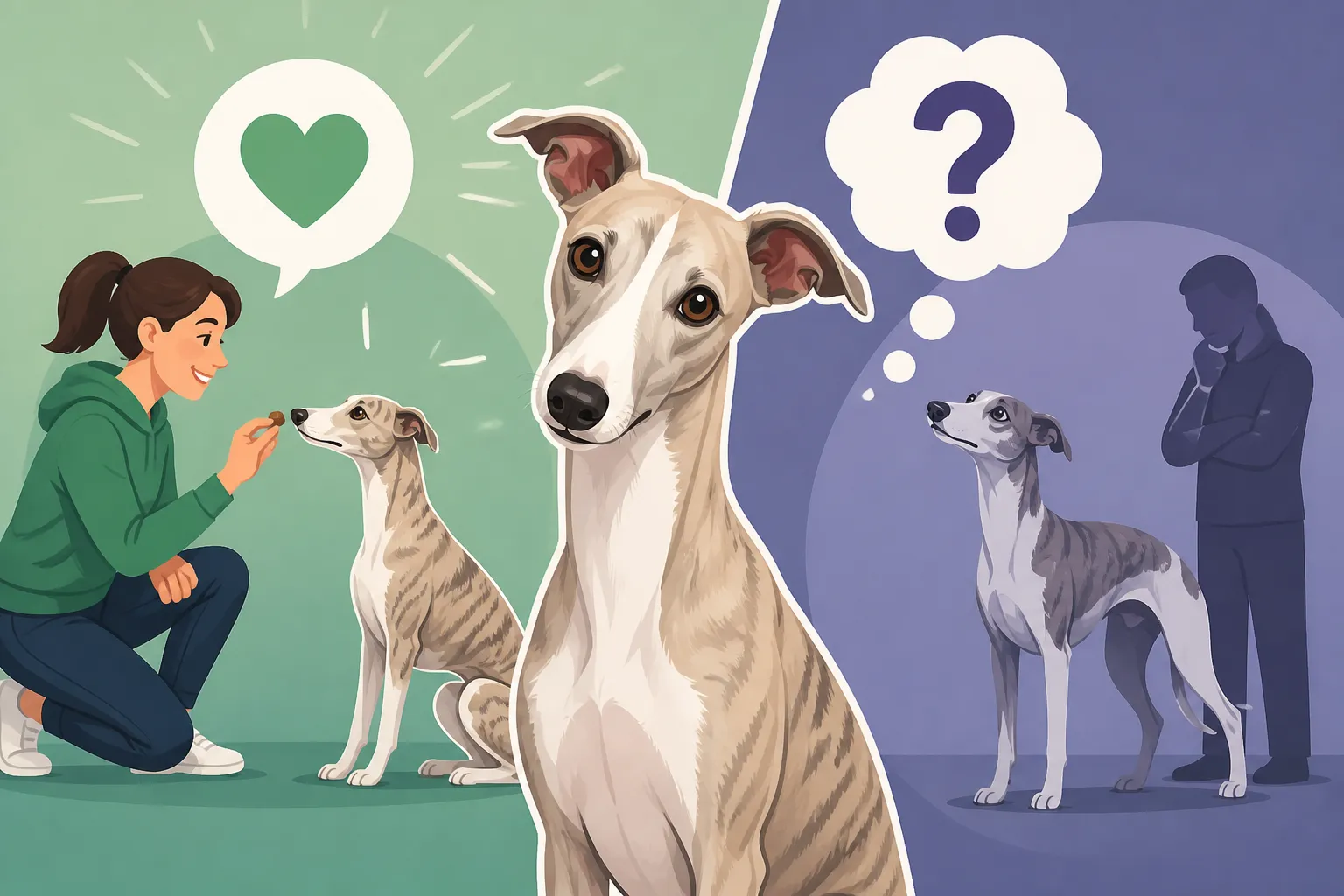
Whether Positive Training Alone Works on a Whippet
It's a common frustration among whippet owners: you love your elegant, sensitive companion, but sometimes training feels like walking a tightrope. You've heard all the buzz about positive reinforcement, but you're probably wondering if "positive only" methods truly cut it for a breed known for its independent spirit, lightning speed, and sometimes, a mind of its own. This guide is here to unravel that very question, exploring how positive training approaches not only work wonders for whippets but are often the most effective way to build a lasting, trusting relationship with them.
Understanding the Whippet Temperament and Learning Style
Before we dive into the nitty-gritty of training methods, it’s crucial to understand the unique characteristics that make a whippet tick. These aren't your average retrievers or shepherds; they're sighthounds, bred for speed, chasing, and independent thought. Ignoring their inherent nature when choosing a training approach is like trying to fit a square peg in a round hole – frustrating for everyone involved.
The Whippet's Sensitive Nature
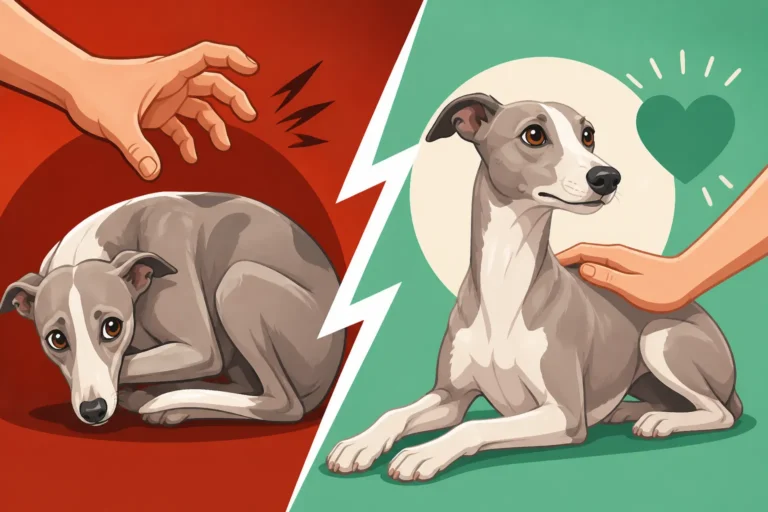
One of the most defining traits of a whippet is their profound sensitivity. These dogs are incredibly attuned to their environment and the emotions of their humans. A harsh word, a sudden loud noise, or an unexpected physical correction can deeply upset a whippet, causing them to shut down, become fearful, or even develop anxiety. It's not about being "soft" or "weak"; it's simply how their delicate nervous system is wired. Many whippet owners quickly learn that direct confrontation or heavy-handed tactics lead to a dog that either hides, avoids eye contact, or becomes incredibly resistant to learning. This isn't stubbornness; it's often a response to fear or discomfort. You might notice similar responses if you've ever wondered How a Whippet Reacts to a Raised Voice – it's rarely good.
Imagine trying to teach a whippet to come when called by shouting or jerking on their leash. Instead of associating "come" with something positive, they'll likely associate it with your anger or pain, making them less likely to return to you in the future. Their thin skin and lean build also mean that physical corrections, even seemingly minor ones, can be genuinely painful or frightening for them. As an owner, you want your dog to feel safe and confident with you, not apprehensive. This innate sensitivity is precisely why positive reinforcement isn't just an option for whippets, but often the only humane and effective path forward.
What Motivates a Whippet
While whippets might not be as overtly "biddable" as some other breeds, they are absolutely trainable – you just need to speak their language. Their primary motivators are often food, toys (especially chase toys!), comfort, and affection. They're not generally driven by a desperate need to please in the way a working breed might be; rather, they're driven by what's in it for them. This is where high-value rewards come into play. A dry, boring biscuit might not cut it, but a tiny piece of cooked chicken, cheese, or a squeaky toy can transform a "stubborn" whippet into an eager participant. Understanding What a Whippet Will Work For is key.
For many whippets, the ultimate reward isn't just a treat; it's the opportunity to run, chase, or snuggle. Incorporating these natural desires into training can be incredibly powerful. For example, a successful recall might be rewarded not just with a treat, but with the immediate release to chase a lure toy in a safe, fenced area. Likewise, a calm settle might be rewarded with a quiet cuddle on the sofa. The trick is to identify what your whippet values most and use that to your advantage, making training a fun and rewarding game for them.
Short Attention Spans and Boredom
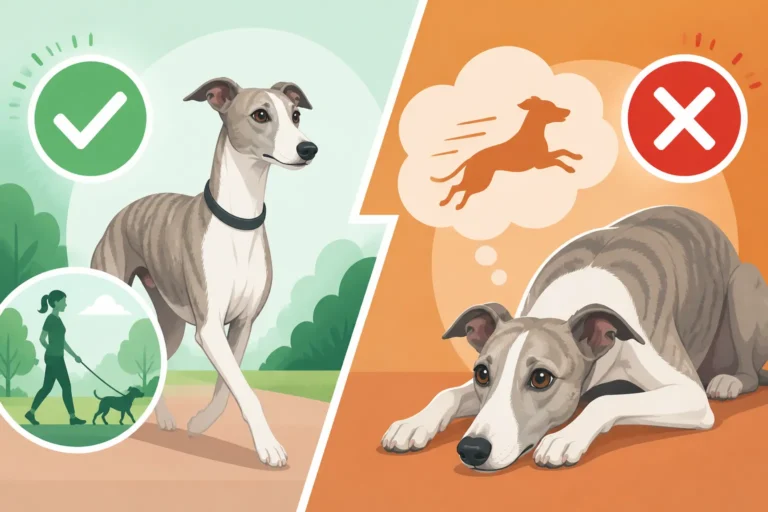
Whippets, like many sighthounds, can have surprisingly short attention spans for repetitive tasks. They’re sprinters, not marathon runners, in many aspects of their life, including mental effort. Long, drawn-out training sessions will quickly lead to boredom, disengagement, and a whippet who decides to find something more interesting to do (like staring at a distant squirrel). This can be misinterpreted as stubbornness, but it’s often just their natural inclination to conserve energy for explosive bursts of activity. If you've ever noticed your whippet seem to "zone out" during training, it's likely a sign they're over it.
To counteract this, positive reinforcement training thrives on short, frequent sessions. Think 3-5 minutes, a few times a day, rather than one 30-minute marathon. Keep it fun, varied, and end on a high note before they get bored. This approach keeps their minds engaged and prevents them from associating training with tediousness. It's about quality over quantity, making every interaction a positive learning experience. This is why it's worth considering Whether Short Sessions Suit a Whippet. Breaking down complex behaviors into tiny, achievable steps also helps keep their focus sharp and builds their confidence as they rack up successful attempts.
The Principles of Positive Reinforcement Training for Whippets
Positive reinforcement is about adding something desirable to the environment to increase the likelihood of a behavior happening again. For whippets, this isn't just a philosophy; it's a necessity. It builds trust, fosters willingness, and respects their sensitive nature.
Building Trust and a Strong Bond
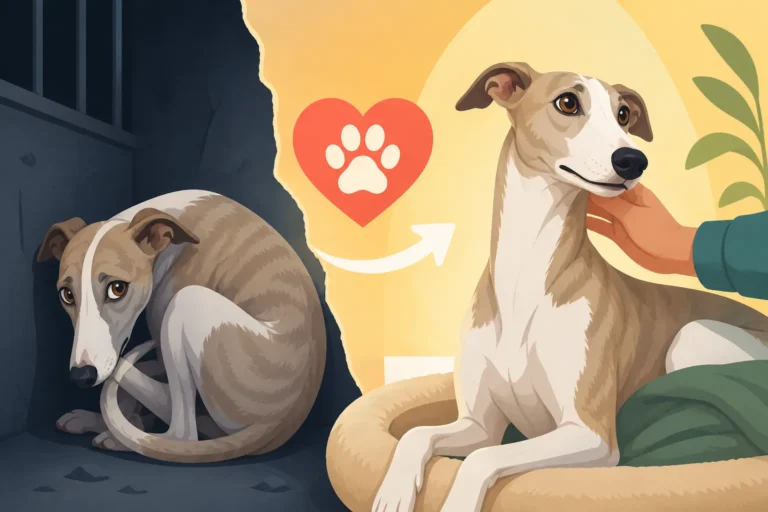
At its heart, positive reinforcement training is about building a profound bond of trust between you and your whippet. When your dog learns that good things happen when they engage with you, they become eager partners in the learning process. They see you as a source of all things wonderful – treats, praise, games, and comfort – rather than a source of correction or fear. This is especially vital for a breed that can be reserved or shy with strangers. A whippet thrives on security and confidence, and knowing that their human is always fair and rewarding strengthens that feeling.
This trust is a two-way street. When your whippet trusts you implicitly, they are more likely to respond even in distracting environments. They learn that coming to you, for example, is always a good decision, no matter how tempting that distant rabbit looks. This deep connection is something that harsh, corrective methods simply cannot achieve with a whippet; those methods often lead to a dog that performs out of fear of punishment, not genuine willingness or joy. The relationship becomes one of compliance, not partnership.
The "Lure, Mark, Reward" Method
The core of positive reinforcement often involves the "lure, mark, reward" method. It sounds simple, and in practice, it really is!
- Lure: You use a high-value treat or toy to guide your whippet into the desired position or behavior. For example, holding a treat near their nose and moving it over their head to encourage a "sit."
- Mark: The moment your whippet performs the desired behavior, you "mark" it with a clear, consistent signal. This could be a verbal marker like "Yes!" or the click of a clicker. The "mark" tells your dog exactly what they did right. You can find excellent clickers and other training tools readily available on Amazon.
- Reward: Immediately after the mark, you deliver the high-value treat, toy, or praise. This reinforces the behavior.
This sequence helps your whippet understand the cause and effect of their actions. They quickly learn that "sit" (or whatever cue you're teaching) leads to a click, which leads to a tasty reward. The consistency of this method is key. For owners looking for structured guidance, many reputable online puppy training programs, like those offered by BAXTER & Bella, are built entirely on these positive reinforcement principles, providing step-by-step instructions that work beautifully with a whippet's learning style. They break down complex behaviors into manageable steps, making the process less overwhelming for both you and your dog.
Avoiding Aversives and Punishment
When training a whippet, avoiding aversives and punishment isn't just a preference; it's a critical component of successful training. Aversive methods include anything that causes physical or psychological discomfort, such as leash corrections, shock collars, prong collars, spray bottles, or even harsh verbal reprimands. For a sensitive whippet, these methods can have devastating consequences.
Instead of teaching the desired behavior, punishment primarily teaches a whippet to avoid you or the situation where punishment occurred. A whippet who is frequently corrected might become hand-shy, develop fear-based aggression, or become generally anxious and withdrawn. They might learn to perform a behavior only when they know you are watching, leading to compliance issues when you're not actively supervising. What's more, punishment doesn't teach them what to do instead, only what not to do. This can lead to confusion and frustration, and sometimes, a whippet who literally "shuts down" during training, unwilling to offer any behavior for fear of being wrong. This phenomenon is well-documented, and you can learn more about Why a Whippet Shuts Down When Corrected. Focusing on rewarding good choices creates a confident, eager learner who loves to engage with you.
Common Training Challenges and Positive Solutions
Every dog breed comes with its unique set of challenges, and whippets are no exception. The good news is that positive reinforcement offers effective, humane solutions for many common whippet behaviors.
Recall Challenges and High Prey Drive
Ah, the whippet recall! This is perhaps the biggest challenge for many owners. With their incredible speed and innate sighthound prey drive, a whippet can be off like a shot the moment a squirrel, rabbit, or even a blowing leaf catches their eye. Their chase instinct is powerful, often overriding any previously learned commands. This is why understanding Why a Whippet's Chase Instinct Overrides Its Recall is so important. Traditional methods that rely on punishment after the fact are utterly useless here; by the time you're angry, your whippet is already miles away in their own mind.
Positive reinforcement tackles this by building an incredibly strong, positive association with coming back to you. Start recall training in a low-distraction environment with high-value rewards. Make coming back to you the most exciting, rewarding thing in their world. Use a long line (available on Amazon) in safely enclosed spaces to practice recalls with increasing distractions, always rewarding heavily when they return. You can also channel that prey drive into appropriate activities like lure coursing, which satisfies their natural instincts in a controlled environment. Learn more about How Lure Coursing Channels a Whippet's Drive. The goal is to make you more interesting than any squirrel, using treats, toys, and enthusiastic praise every single time they return.
House Training and Crate Training
House training a whippet can sometimes take a little longer than expected, especially for those sensitive souls who dislike going out in inclement weather. Some whippets genuinely refuse to toilet in the rain, which can lead to indoor accidents if not managed carefully. Understanding The Whippet That Will Not Toilet in the Rain is a common challenge. Positive reinforcement is ideal here because it focuses on rewarding the desired behavior – going to the bathroom outside. Consistent potty breaks, lavish praise and treats for outdoor success, and immediately cleaning up accidents indoors without punishment are crucial. Punishment for indoor accidents can make a whippet fearful of toileting in front of you, leading to them hiding their accidents.
Crate training, too, benefits immensely from a positive approach. A crate, when introduced positively, becomes a safe, comfortable den for your whippet, not a punishment chamber. Fill it with soft bedding, a puzzle toy from Amazon, and introduce it gradually with treats and praise. Never use the crate for punishment. For a whippet, who craves comfort and security, a positively associated crate can be a wonderful tool for house training, safe napping, and providing a secure space when you're away. It also answers the question Whether a Whippet Can Be Crate Trained with a resounding "yes," as long as it's done gently and positively.
Socialization and Shyness
Whippets can sometimes be naturally reserved or shy with strangers and new situations. While not all whippets are timid, many benefit from careful, positive socialization from a young age. This means exposing your whippet puppy to a variety of sights, sounds, people, and friendly dogs in a way that creates positive associations, without overwhelming them. Puppy classes, especially those focused on positive interactions, are excellent for this. Learn more about Socializing a Whippet Puppy.
When encountering new people or dogs, reward calm, curious, or friendly behavior. If your whippet shows signs of fear or discomfort, don't force interactions. Instead, create distance and use treats to create a positive association with the sight of the scary thing from afar. For example, if your whippet is nervous of a new person, simply having that person toss a treat their way without trying to interact can build a positive connection. The goal is to build confidence and positive experiences, rather than pushing them into situations that reinforce fear.
When to Seek Professional Guidance (Still Positive!)
While positive reinforcement is highly effective, there might be times when you feel you need an extra helping hand. This doesn't mean positive training has failed; it simply means you need a knowledgeable guide to help you apply the principles more effectively or address specific, complex behaviors.
Recognizing When You Need Extra Help
It's completely normal to encounter a behavioral challenge that feels beyond your current skillset. Perhaps your whippet's recall, despite your best efforts, is still dangerously unreliable, or they've developed a specific fear or anxiety that you're struggling to manage. Maybe you have multiple whippets, and you're navigating complex group dynamics. Sometimes, owners simply need help understanding the nuances of their whippet's body language or how to structure a training plan for a particular goal, such as preparing for a Fast CAT run. This isn't a sign of failure but a responsible step to ensure both you and your whippet have the best quality of life.
Persistent behavioral issues, sudden changes in behavior, or behaviors that are causing stress or danger (like severe reactivity or separation anxiety) are all good reasons to seek professional help. A good trainer can provide an objective assessment, identify underlying causes, and tailor a positive reinforcement plan specifically for your whippet and your household. They can also teach you new techniques and help you build your confidence as a trainer.
Finding a Certified Positive Reinforcement Trainer
When looking for professional help, it is absolutely essential to seek out a certified professional dog trainer who exclusively uses positive reinforcement and force-free methods. Avoid any trainer who suggests using shock collars, prong collars, choke chains, alpha rolls, or any other method that involves physical correction or intimidation. As discussed, these methods are not only harmful to a whippet's sensitive psyche but are also less effective in the long run.
Look for trainers who are certified by reputable organizations that adhere to ethical, science-based training practices, such as the Certification Council for Professional Dog Trainers (CCPDT) or the Karen Pryor Academy (KPA). These trainers understand animal behavior, learning theory, and how to apply positive reinforcement effectively and humanely. They should be eager to explain their methods, allow you to observe sessions, and prioritize the well-being and comfort of your whippet above all else. A great trainer will empower you with the knowledge and skills to continue building a fantastic relationship with your whippet.
Here's a quick comparison of positive vs. aversive methods:
| Feature | Positive Reinforcement | Aversive / Punishment-Based Training |
|---|---|---|
| Learning Motivation | Desire for reward (treats, praise, play) | Avoidance of punishment (pain, fear, discomfort) |
| Impact on Bond | Builds trust, strengthens relationship | Erodes trust, can create fear/avoidance |
| Emotional State | Promotes confidence, happiness, engagement | Can lead to fear, anxiety, aggression, shutting down |
| Teaching Method | Teaches what to do (desired behaviors) | Primarily teaches what not to do (suppressed behaviors) |
| Long-term Effectiveness | Sustainable, reliable, adaptable to new contexts | Often requires continuous presence of punisher, can lead to behavior rebound |
| Whippet Suitability | Highly suitable, respects sensitivity | High risk of causing psychological harm and behavioral issues |
In conclusion, for a whippet, positive reinforcement isn't just a gentle option; it's often the most effective, humane, and sustainable way to train them. By understanding their sensitive nature, identifying their motivators, and consistently rewarding desired behaviors, you can build a strong, trusting relationship and help your whippet thrive.
Disclaimer
This article is for general informational purposes only and does not constitute professional advice. Laws, prices and regulations vary by location and change over time. Consult a qualified professional for guidance on your specific situation.