Introducing a Whippet Puppy to a Resident Cat
Bringing a new Whippet puppy into a home that already has a beloved feline resident can feel like navigating a minefield. You adore your cat, who’s probably used to being the undisputed queen or king of the castle, and now you’re introducing a lightning-fast, highly prey-driven little sighthound who thinks everything that moves is a game. The worry about your cat's safety and happiness is real and completely valid, but with patience and a structured approach, you absolutely can foster a peaceful coexistence. This guide will walk you through the careful steps to introduce your Whippet puppy to your resident cat, setting both of them up for success.
Understanding Your Whippet Puppy's Instincts and Your Cat's Needs
Before you even think about letting them meet face-to-face, it's crucial to understand the fundamental nature of both animals. This isn't just about managing a playful puppy; it's about respecting ancient instincts and individual personalities.
The Whippet's Hardwired Drive
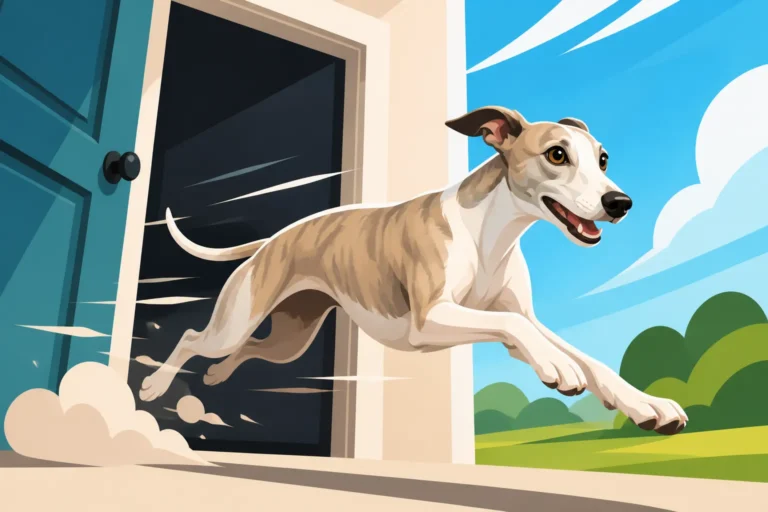
Whippets are sighthounds, bred for centuries to chase and catch small, fast-moving prey. This isn't a behavior they learn; it's deeply ingrained, a part of their very genetic makeup. Even as a tiny puppy, your Whippet will likely exhibit this powerful chase instinct. They might twitch in their sleep, "chasing" phantom rabbits, or suddenly lock onto a leaf blowing across the yard with intense focus. This instinct, while beautiful and impressive in a field, can be terrifying for a small house cat. It's not malice; it's simply what they are built to do.
It’s important to remember that even the most well-trained Whippet can have its recall overridden by a strong chase drive. A cat darting across a room can trigger this response in an instant, even if the puppy has never shown aggression. This is why management and careful introductions are paramount. Many owners are surprised by Why a Whippet's Chase Instinct Overrides Its Recall, discovering that their otherwise obedient dog becomes deaf to commands when prey drive kicks in. This isn't a fault in your puppy's character, but a biological reality you must account for.
Your Cat's Comfort Zone
Your resident cat, on the other hand, is likely accustomed to a predictable, secure environment where they dictate the terms of their interactions. Cats thrive on routine and control. The sudden appearance of a bouncy, curious, and potentially chase-oriented puppy can be a huge source of stress. A stressed cat can exhibit a range of behaviors, from hiding and withdrawal to aggression and inappropriate urination. Their comfort and sense of safety must be your top priority throughout this entire process.
Cats communicate stress in subtle ways: flattened ears, a swishing tail, dilated pupils, hunched posture, or trying to make themselves look smaller. They need escape routes and safe zones where they know the puppy cannot reach them. If your cat feels trapped or constantly threatened, it can lead to chronic stress, health issues, and a permanent negative association with the puppy. Ensuring your cat feels secure is the cornerstone of a successful introduction.
Early Socialization and Temperament
While instinct is strong, a puppy's early experiences also play a significant role. A Whippet puppy raised from a very young age with cats may be less likely to view them as prey, but the instinct will always be there, just potentially mitigated. If your puppy has had positive, calm exposure to cats (or other small animals) in their breeder's home, it's a good head start. However, never assume "good with cats" means "safe with any cat without supervision." Each animal is an individual.
Similarly, your cat's prior experience with dogs matters. Has your cat lived with dogs before? Were those experiences positive, neutral, or negative? A cat that has successfully coexisted with dogs might be more tolerant, while a fearful or previously traumatized cat will require even more patience and a slower introduction. Understanding both animals' starting points will help you tailor your approach and manage your expectations.
Setting Up for Success: Preparing Your Home and Your Pets
Preparation is key. This isn't a sprint; it's a marathon. Rushing the introduction can lead to fear, resentment, and potentially dangerous situations that are very difficult to undo. Take your time, sometimes weeks or even months, to build a foundation of safety and positive association.
Creating Safe Havens for Your Cat
Before your Whippet puppy even crosses the threshold, ensure your cat has multiple, easily accessible escape routes and safe spaces. Cats are arboreal by nature, meaning they love to be up high, away from potential threats. Invest in tall cat trees, shelves, or cat-friendly furniture that your puppy cannot reach. These vertical spaces offer your cat a sense of security and a vantage point from which to observe the new addition without feeling vulnerable. You can find some fantastic multi-level cat trees and wall-mounted shelves on Amazon that cater to a cat’s natural desire to climb.
Consider using baby gates to create "cat-only" zones where the puppy is never allowed. This might be a spare room, a laundry room, or even just a section of the house. Make sure your cat's food, water, and litter boxes are in these safe zones, easily accessible to them but completely inaccessible to the puppy. This prevents the puppy from inadvertently — or purposefully — bothering your cat during essential activities, which can increase stress. A simple gate can allow your cat to jump over it but keep the smaller Whippet puppy confined, or you can get cat-door inserts for certain gates.
Management Tools for Your Whippet Puppy
Your Whippet puppy will need strict management in the early stages, and honestly, often for life when it comes to free-roaming with the cat. A reliable leash, a sturdy harness (never just a collar, especially with their narrow necks!), and a comfortable crate are invaluable tools. Your puppy should be comfortable and happy in their crate, as it will serve as a safe space for them and a guarantee of peace for your cat. Many Whippet owners find that Whether a Whippet Can Be Crate Trained is a helpful resource for establishing positive crate habits early on.
Consistent exercise for your puppy is also critical. A tired puppy is less likely to have boundless energy to chase the cat. Ensure your Whippet puppy gets appropriate play and walks before any supervised interactions with the cat. Remember, though, that growing Whippet puppies should not be over-exercised; focus on appropriate, structured play and short walks to avoid stress on developing joints. This consistent physical activity will also help tire them out mentally, making them more amenable to calm interactions.
Gradual Introduction Strategy
The key to success is a slow, multi-stage introduction, starting with scent and progressing gradually to controlled visual and then physical interactions. Think of it as a series of positive, managed exposures rather than one big "meet and greet." There's no fixed timeline for this process; it will depend entirely on the individual personalities of your pets. Some pairs may adjust in weeks, others in months, and some may always require supervision.
Patience is your greatest asset here. Never force interactions. If either animal shows signs of stress or fear, immediately back off and return to an earlier, more comfortable stage of the introduction. This dedication to their emotional well-being will pay dividends in fostering a respectful cohabitation.
The Introduction Process: Step-by-Step Guidance
With your home prepared and your tools in place, it's time to begin the actual introduction process. Remember to keep all interactions positive, controlled, and brief.
Scent Swapping and Sight Without Contact
Before they even see each other, allow your pets to become familiar with each other's scent. This is a crucial first step that often gets overlooked. Gently rub a soft cloth or blanket on your cat, focusing on their cheeks and flanks where scent glands are located, then place it near your puppy's sleeping area or food bowl. Do the same with a cloth on your puppy and offer it to your cat. Observe their reactions: curiosity is good, fear or aggression means you need to slow down. Reward calm, positive interest with treats.
Once they are calm with each other's scent, move to sight without direct contact. Use a baby gate, a glass door, or a screen door to allow them to see each other from a distance. Keep the puppy on a leash during these initial visual sessions, even if the cat is far away. These sessions should be very short, just a few minutes, and always positive. Offer high-value treats to both animals as they observe each other calmly. This creates a positive association with the other's presence. If your puppy starts to fixate on the cat, distract them with a toy or a "watch me" command and reward them for shifting their focus.
Controlled On-Leash Meetings
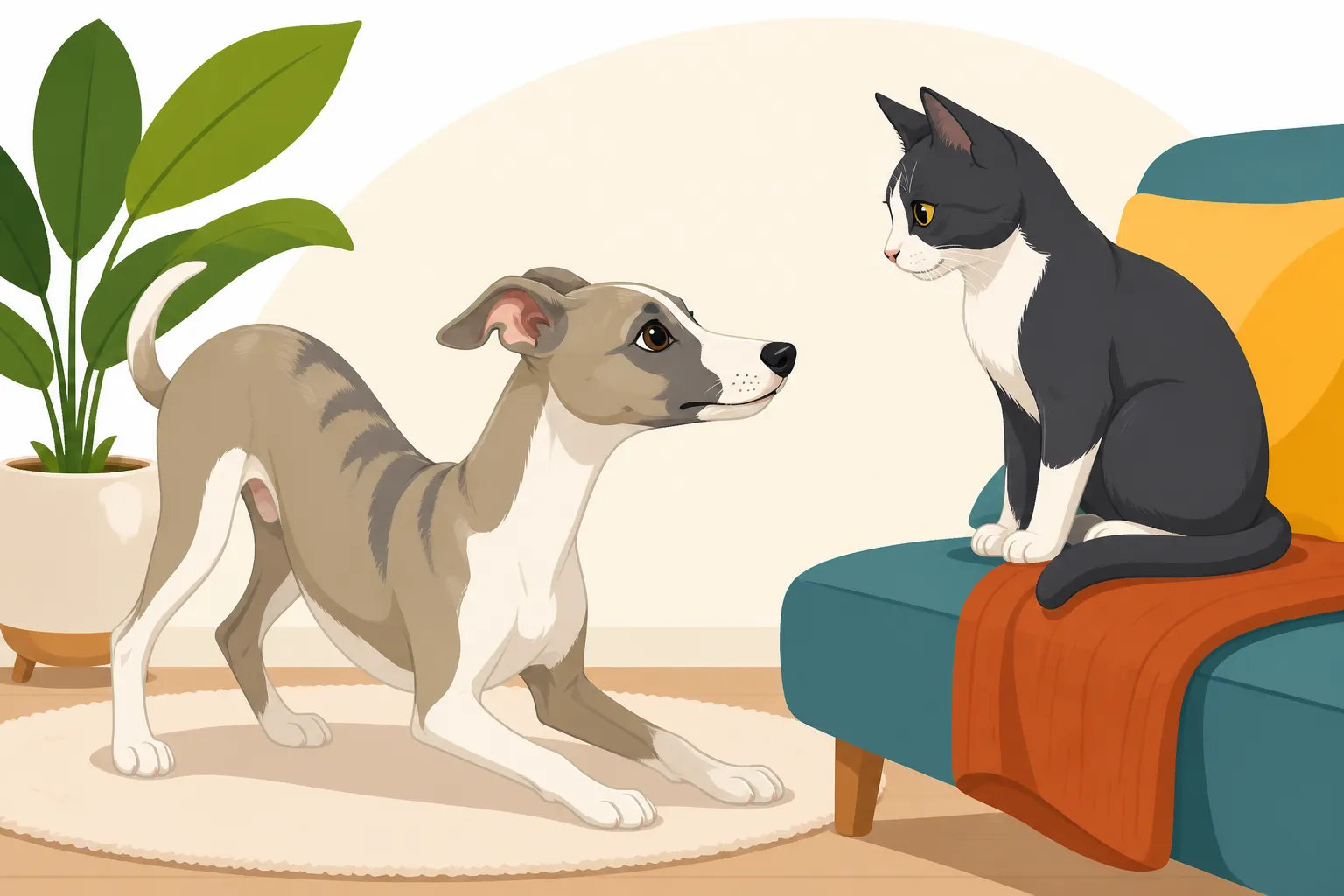
When both animals seem comfortable with scent and sight-without-contact, you can move to controlled, on-leash meetings. Always start with the puppy on a leash and harness, ensuring you have full control. These meetings should take place in a neutral area of the house, not a space the cat feels is exclusively theirs. Keep the cat's escape routes open and visible. Again, these sessions should be very short – just a minute or two to start – and filled with positive reinforcement.
During these meetings, keep your Whippet puppy focused on you rather than the cat. Practice "look at me" commands, offering treats and praise when they obey. If the cat approaches, reward both animals for calm behavior. If the puppy tries to lunge, chase, or becomes overly excited, immediately end the session and try again later, or go back to the sight-without-contact stage. The goal is calm neutrality, not necessarily friendship at this point. Brands like BAXTER & Bella offer online puppy training programs that can be incredibly helpful for teaching impulse control and reliable obedience cues, which are vital for these controlled interactions. Their resources can guide you through positive reinforcement techniques specific to introducing new pets.
Supervised Off-Leash Time and Continued Training
Only when both animals consistently demonstrate calm and respectful behavior during on-leash sessions should you consider brief, supervised off-leash time for the puppy. This should still take place in an area where the cat has easy escape routes. Never leave them unattended together. Even if they seem to be getting along perfectly, a sudden movement or playful chase can quickly escalate due to the Whippet's prey drive. For this reason, many Whippet owners never allow their dogs and cats to be unsupervised together.
Continue to reward calm interactions heavily. If your puppy shows any signs of fixating or chasing, immediately interrupt the behavior (a quick leash pop, a loud clap, redirecting with a toy) and separate them. Ensure your cat always has the upper hand, or at least the option to escape to safety. It's often said that How a Cat Teaches a Whippet Manners is through firm boundaries and the ability to retreat or even give a quick swat if necessary, but this should only be within a safe, controlled environment where the cat doesn't feel truly threatened. Remember, the ultimate goal is not necessarily that they become best friends, but that they can coexist peacefully and safely.
Common Challenges and Troubleshooting
Even with the best intentions and meticulous planning, you're likely to encounter a few bumps in the road. Knowing how to troubleshoot common issues can prevent setbacks.
When the Whippet Puppy Chases
This is perhaps the most common and concerning issue. If your Whippet puppy begins to chase your cat, it’s critical to intervene immediately and calmly. Do not yell or punish the puppy, as this can create a negative association with the cat and damage your bond. Instead, interrupt the chase, calmly but firmly remove the puppy from the situation (e.g., leash, time-out in their crate), and separate the animals. This tells the puppy that chasing means the fun ends, and they lose access to you and the environment.
Re-evaluate your management plan. Are your cat's escape routes truly sufficient? Is the puppy getting enough appropriate exercise before interactions? Perhaps you moved too quickly through the introduction steps. Go back to a previous stage where they were successful, such as visual contact behind a gate, and spend more time reinforcing calm behavior. Work on impulse control exercises with your puppy, teaching them to "leave it" or "stay" even with exciting distractions.
When the Cat is Unhappy or Scared
A cat that is constantly hiding, hissing, growling, or avoiding areas of the house due to the puppy's presence is a clear sign of stress. This indicates that your cat does not feel safe, and you need to prioritize their well-being. Immediately create more distance between the two animals. Re-establish cat-only zones and limit the puppy's access to large parts of the house for a while.
Provide your cat with extra enrichment in their safe spaces: puzzle toys, interactive play, and quiet cuddle time. You might consider Feliway diffusers, which release calming cat pheromones, to help reduce your cat's stress. It's crucial not to force your cat to interact or "get used to" the puppy if they are showing distress. Their emotional health is paramount. Sometimes, the issue isn't aggression but constant harassment from an overzealous puppy. In such cases, Teaching an Adult Whippet to Live With Cats often requires a focus on teaching the Whippet to ignore the cat, rather than trying to foster direct interaction.
Long-Term Management and Safety
Even after a successful introduction, never assume your Whippet puppy and resident cat are completely safe together without supervision. Their prey drive, even if dormant for long periods, can be triggered by sudden movements, loud noises, or even changes in the environment. It's always best practice to separate them when you're not home or when you can't actively supervise them. This might mean crating your Whippet or confining them to a puppy-proofed room with a baby gate.
Continue to provide both animals with individual attention and exercise. Keep their routines predictable, as consistency helps both species feel secure. Remember, the goal isn't necessarily for them to be cuddly best friends, but to live together peacefully and safely. Many households achieve a respectful coexistence where the dog largely ignores the cat, and the cat feels secure enough to move freely. This is a huge success in itself and allows both beloved pets to thrive in your home.
Here's a quick reference table for recognizing signs of a successful versus unsuccessful introduction:
| Behavior Characteristic | Signs of a Successful Introduction | Signs of an Unsuccessful Introduction |
|---|---|---|
| Cat Behavior | Relaxed posture, tail held normally, eats/drinks normally | Hiding, constant vigilance, hissing, swatting, avoiding food/water |
| Whippet Puppy | Calm observation, ignores cat, responds to commands, relaxed body | Fixation, lunging, chasing, barking, whining, refusal to disengage |
| Interaction | Minimal, calm sniffing, no prolonged staring, uses escape routes | Standoffs, aggressive posturing, sustained chase/harassment |
| Environment | Cat uses all available spaces, puppy settles easily | Cat restricted to small areas, puppy constantly seeking cat |
| Overall Mood | Both animals appear relaxed and happy in the home | One or both animals appear stressed, anxious, or fearful |
Disclaimer
This article is for general informational purposes only and does not constitute professional advice. Laws, prices and regulations vary by location and change over time. Consult a qualified professional for guidance on your specific situation.