Thirty Five Miles an Hour and No Brakes on a Whippet’s Recall
Oh, the sheer thrill of watching a Whippet fly, a blur of grace and speed across a field! It's mesmerizing, truly. But many new Whippet owners quickly discover a stark reality: while they accelerate like a rocket, their recall often feels like it has no brakes at all. This guide is here to walk you through the unique challenges of a Whippet's recall, why it's so tricky, and how you can work with their incredible instincts to keep them safe.
The Instinct That Drives the Speed Demon
Understanding your Whippet's recall starts with understanding what they are, deep down: sighthounds. They aren't just fast; they are designed for speed and pursuit, an ancient instinct woven into their very DNA. This isn't naughtiness; it's nature.
The Hunter's Gaze and What It Sees
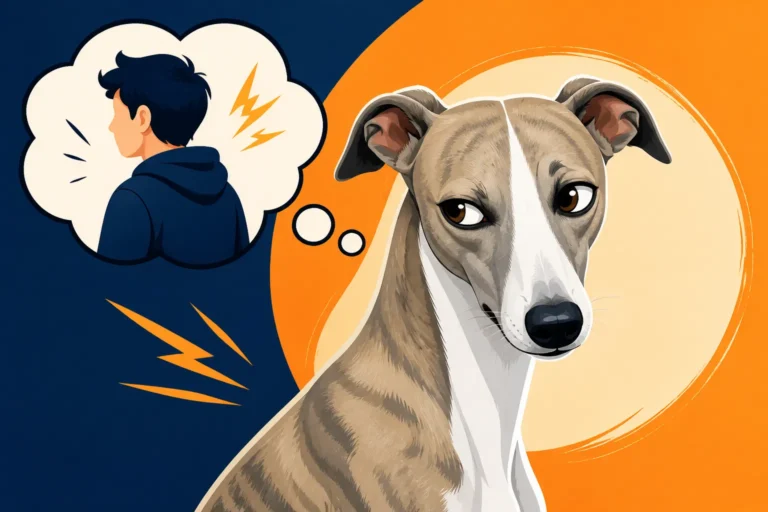
Imagine having eyes specifically evolved to detect the slightest movement across vast distances. That's your Whippet. Their wide-set eyes, characteristic of sighthounds, give them incredible peripheral vision and depth perception, allowing them to spot a squirrel, rabbit, or even a blowing leaf from an astonishing distance. Once that movement is registered, a switch flips. It's not a conscious decision to ignore you; it's a primal, hardwired urge to chase that completely overrides everything else. The world narrows to that single, fleeting target, and your voice, no matter how urgent or loud, simply fades into the background.
When they lock onto something, it’s not just about seeing it; it’s about processing it as prey. Even if it's a piece of trash tumbling in the wind, their brain interprets it as a potential chase. This instinct is incredibly powerful, and it’s why a seemingly calm Whippet can go from zero to thirty-five miles an hour in a heartbeat, leaving you shouting into the wind. It’s a beautiful, terrifying thing to behold, this perfect hunting machine in action.
The Impulse Control Challenge
For many breeds, impulse control is a key part of recall training. You teach them to "leave it" or to think before acting. With a Whippet, especially when prey drive is triggered, it's often less about impulse control and more about an immediate, unyielding reaction. Their entire body is built for explosive acceleration and a relentless pursuit. Their light bones, powerful hindquarters, and flexible spine are all perfectly adapted for the chase.
This means that asking a Whippet to stop mid-sprint after a rabbit is like asking a race car to halt instantly at full throttle – it goes against their fundamental design. The sheer adrenaline and dopamine rush they get from the chase can be incredibly addictive, making it hard for them to break off once they’ve committed. It's not that they don't love you, or that they aren't smart; it's that this ancient urge is simply too overwhelming in the moment. It's important to recognize that this isn't disobedience in the human sense, but rather a profound fulfillment of their genetic purpose.
Why "Come!" Often Falls on Deaf Ears
You've probably experienced it: your Whippet is trotting along, seemingly enjoying their walk, when suddenly their head snaps up, their ears swivel, and they're off. Your enthusiastic "COME!" turns into a desperate plea as they vanish over the horizon. It's frustrating, even heartbreaking, and it leaves many owners feeling helpless and unheard.
The Prey Drive's Siren Song
The lure of the chase, that "siren song" of a fleeing critter, is almost impossible for a Whippet to resist. It’s a dopamine hit, a primal satisfaction that no treat, no matter how delicious, can immediately compete with once the chase is on. Think of it from their perspective: they’ve spotted a fluffy bunny or a darting squirrel, and their entire being is screaming "CHASE!" In that moment, your voice is a distant, uninteresting noise compared to the thrill of the hunt. This is why many experienced sighthound owners will tell you that you cannot simply train away the prey drive; you have to manage it and work around it. The urge is too strong, too deeply ingrained.
We often underestimate just how powerful this instinct is. It’s not just a casual interest; it’s a full-body, all-consuming experience for them. Once they lock onto a target and start to run, their hearing becomes selective, their focus singular. They enter a zone where their human companion is no longer the center of their universe, and the reward of the chase far outweighs any potential displeasure from ignoring a command. This is particularly true for Why a Whippet's Chase Instinct Overrides Its Recall.
Distance, Distraction, and Diminishing Returns
The effectiveness of your recall command is directly proportional to your distance from your Whippet and the level of environmental distraction. In your backyard, with no exciting smells or movements, your Whippet might come bounding back to you beautifully. But take them to a bustling park with children playing, other dogs sniffing, and birds flitting, and the equation changes entirely. The further they are from you, the less salient your voice becomes. The more stimulating the environment, the more diluted your command.
It’s a classic scenario: you call, they pause for a split second, weighing their options, and then a gust of wind rustles a bush, a pigeon lands, or another dog barks, and boom – they’re gone. How Far a Whippet's Recall Can Be Trusted is often much shorter than owners initially hope. This isn't a fault in your training as much as it is a natural limitation of working with a highly stimulated sighthound. Every new scent, every movement, becomes a potential distraction that pulls their focus away from you.
The "Too Important" Game
For a Whippet, chasing something is not just fun; it's profoundly satisfying, almost like a game that's "too important" to interrupt. They aren't trying to defy you; they're simply following an internal script that has been perfected over thousands of years of evolution. When a Whippet is in full pursuit, they are operating on pure instinct, and the perceived reward of the chase far outweighs the comparatively abstract reward of coming back to you for a treat or praise.
Think about it from their perspective: the thrilling rush of the chase, the wind in their ears, the joy of full-speed running – that's their ultimate reward. Compared to that, a small piece of kibble or a "good boy" might seem rather dull. This is why building a truly solid recall takes immense dedication and an understanding that you need to make you and coming back to you even more exciting than the potential chase itself, which is a tall order for a Whippet!
The Real Risks of a Broken Recall
It's not just annoying when your Whippet ignores your call; it's genuinely dangerous. Their speed, combined with their single-minded focus on prey, creates a cocktail of risks that every Whippet owner must take seriously.
Roads, Traffic, and Terrifying Near Misses
This is perhaps the biggest nightmare for any Whippet owner. One moment your dog is happily sniffing grass, the next they've spotted a squirrel on the other side of a busy road. Their speed means they can cover incredible distances in seconds, leaving you frozen in horror. There are countless stories of sighthounds darting into traffic with devastating consequences because their prey drive completely overshadowed any sense of self-preservation or road awareness. Why a Loose Whippet Runs Into Traffic isn't because they're being rebellious; it's because the target across the road is all that matters.
Even if a Whippet sees a car, the instinct to chase often takes precedence over the instinct to avoid danger. They simply don't process cars as a threat in the same way they process a rabbit. They see an obstacle, or perhaps even a potential new game of chase. This makes every uncontrolled off-leash excursion near roads an incredibly high-stakes gamble. The thought of losing your beloved companion to such a preventable accident is terrifying, and it's why extreme caution is always warranted.
Unintended Encounters with Wildlife and Other Pets
A Whippet's prey drive isn't just for squirrels; it extends to anything small and fast-moving. This can put local wildlife at risk. A fleeing rabbit, a bird taking flight, or even a domestic cat can become a target. While Whippets are generally gentle house pets, in the throes of a chase, their instincts take over. This can lead to injured or killed wildlife, and potentially very serious confrontations with other people's pets. No one wants to be the person whose dog injured another animal because of a lapse in control.
Furthermore, it can put your Whippet in danger. A cornered animal might lash out, causing injury to your dog. Or, if they chase a cat onto private property, they could encounter an angry owner or even be injured themselves. It's not fair to the wildlife, other pets, or your own Whippet to put them in situations where their natural instincts could lead to trouble. This is why understanding Why a Whippet Cannot Be Let Off Leash in an Open Field is so crucial, even if it's a field you think is "safe."
Lost Dogs and Panic-Stricken Owners
The combination of a Whippet's speed, their capacity to run long distances, and their single-minded focus can quickly turn a casual walk into a frantic search. Once they're gone, they can cover miles in a very short time, making it incredibly difficult to track them. Unlike some breeds that might eventually circle back or stop to sniff, a Whippet in full chase mode will keep going until the target is out of sight or caught.
The panic that sets in when your Whippet disappears is indescribable. Posting on social media, contacting shelters, walking the streets for hours – it's a nightmare scenario. While many lost Whippets are eventually found, the stress and potential dangers they face during that time are immense. This risk alone is why many Whippet owners ultimately decide that off-leash freedom in unfenced, uncontrolled areas is simply not worth the gamble, regardless of how well-trained their dog might seem at times.
Strategies for Building a (Better) Whippet Recall
So, given these instincts, is a reliable Whippet recall even possible? Yes, but it requires a different approach, a lot of patience, and a deep understanding of what motivates your speedy friend. You're not fighting their nature; you're channeling it.
The Foundation: High-Value Rewards and Positive Reinforcement
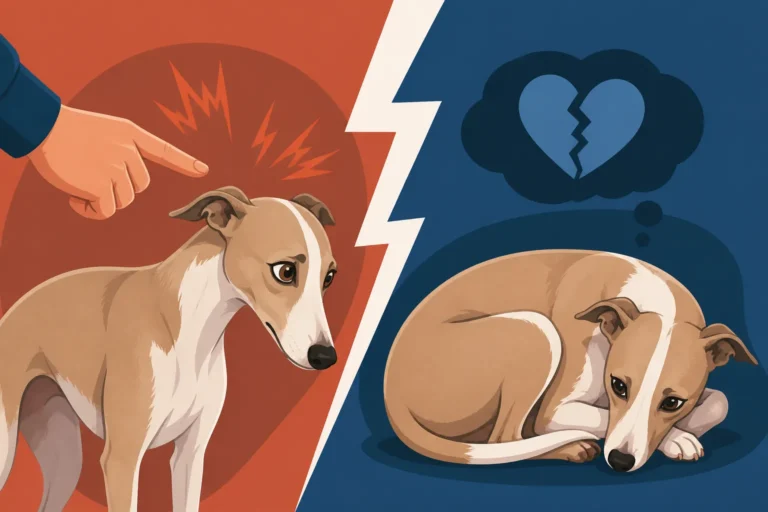
Forget the dry kibble for recall practice. For a Whippet, you need the absolute crème de la crème of treats. Think stinky, chewy, meaty morsels: cheese, cooked chicken, hot dogs, freeze-dried liver. Whatever makes their eyes light up and their nose twitch, that's your currency. When they come to you, even if it's just a few steps, make it a jackpot. Give them multiple treats, lavish praise, and maybe a quick game of tug. You need to make coming back to you the most exciting, rewarding thing in their world. This is especially important as How a Whippet Learns When It Bruises From Pressure means harsh corrections are counterproductive.
Start small. Practice recall in a quiet, enclosed area like your living room or a securely fenced yard with no distractions. Call their name enthusiastically, make silly noises, pat your leg, and when they come (which they almost certainly will in a low-distraction environment), throw a party. The goal is to build an overwhelmingly positive association with the word "come" and with returning to you. Always make coming back a positive experience; never use recall to scold them or do something they dislike (like giving them a bath). You want "come" to always mean "good things happen."
Controlled Environments and Long Line Training
You wouldn't let a toddler wander freely near a busy road, and you shouldn't treat your Whippet any differently when it comes to open, unfenced spaces. Controlled environments are your best friend. Start with a truly secure dog park, a rented private field, or your own yard if it's escape-proof. These are places where you can practice recall without the anxiety of them vanishing.
For walks in open areas where off-leash isn't safe, a long line is an invaluable tool. It allows your Whippet to explore a wider area, get some "freedom," and practice their sprint, all while you maintain control. A 20 to 30-foot long line made of biothane (easy to clean!) is perfect. Let them drag it, and when you call, step on the line to gently stop their forward momentum, then reel them in while praising and rewarding. This teaches them that resisting the pull means nothing, and coming to you means good things. This is far more effective than trying to scream them back when they're already fifty yards away. Many Whippet owners find Whether a Long Line Suits a Whippet to be an emphatic yes.
Making Recall a Game, Not a Command
Whippets are intelligent and love to play. Turn recall into a fun, unpredictable game rather than a solemn command. Play "hide and seek" in your yard; hide behind a tree or car and call their name excitedly. When they find you, big rewards! Have family members call them back and forth, each offering a reward. This makes coming to a person an engaging, interactive experience rather than a chore.
Vary your location, your rewards, and your tone. Sometimes it's chicken, sometimes it's a favorite squeaky toy, sometimes it's a vigorous belly rub. Keep them guessing, keep it exciting. The more unpredictable and fun you make it, the more engaged your Whippet will be. The goal is to make you the most exciting thing in the environment, even when there are other distractions. Remember, a Whippet will work for the right motivation, so discover What a Whippet Will Work For and use it to your advantage.
Beyond the Basics: Advanced Recall Techniques
Once your Whippet has a solid recall in low-distraction environments, it's time to incrementally increase the challenge. This is where patience truly comes into play, as rushing this stage can undermine all your hard work.
Proofing in Increasingly Distracting Environments
"Proofing" means practicing a behavior in various locations, with different distractions, and with different people. Once your Whippet is reliably recalling in your quiet yard, move to a slightly more stimulating place – perhaps a quiet park early in the morning, or an empty school field. Gradually introduce distractions:
- Visual Distractions: A person walking by at a distance, a bicycle.
- Auditory Distractions: Kids laughing, dogs barking from afar.
- Scent Distractions: Areas where other dogs or wildlife have been.
Always use a long line during this stage! If your Whippet fails to recall, gently guide them back with the line, reward them, and try again, perhaps with a slightly lower level of distraction. Never punish them for not coming; that will only teach them to associate your call with unpleasantness. The key is to set them up for success, not failure. If they fail, it's a sign you've moved too quickly. This slow, deliberate process is the essence of Proofing a Whippet's Recall Against Prey.
The Emergency Recall: A Different Word, a Different Expectation
Even with excellent recall training, there might be that one critical moment when your Whippet is truly in danger – a deer appears, a car swerves. For these situations, an "emergency recall" can be a lifesaver. This is a special, high-stakes command that you never use casually. It should be a unique word (e.g., "HURRY!") or a distinct whistle that is always associated with an immediate, huge reward.
Introduce this word only in calm environments, rewarding immediately and extravagantly. Practice it sparingly, making sure it never loses its special meaning or its association with the highest possible reward. The idea is that when you use this word in a genuine emergency, your Whippet will associate it with such an incredible payoff that it might just override their prey drive, even for a split second, allowing you to grab them or avert disaster. Consistency and scarcity are key to keeping this command powerful. Teaching a Whippet an Emergency Recall can provide an invaluable safety net.
Harnessing the Prey Drive Safely: Lure Coursing and Fast CAT
Instead of fighting their prey drive, why not embrace it in a safe, controlled way? Lure coursing and Fast CAT (Coursing Ability Test) are sports specifically designed for sighthounds like Whippets. In lure coursing, dogs chase an artificial lure (usually plastic bags) across an open field, mimicking the chase of real prey. Fast CAT is a straight-line sprint where dogs chase a lure for a short distance.
These activities allow your Whippet to fully unleash their incredible speed and satisfy that deep-seated instinct without any risk to wildlife, traffic, or other pets. It's a fantastic outlet for their energy and mental stimulation, and many Whippets absolutely adore it. Plus, it can actually strengthen your bond, as you're facilitating their greatest joy. You'll find that How Lure Coursing Channels a Whippet's Drive is incredibly effective. While Lure Coursing and Fast CAT Cost a Whippet Owner, the experience is priceless for both you and your Whippet. These sports can significantly improve a Whippet’s overall happiness and willingness to listen, as their core needs are being met.
When Off-Leash Isn't an Option (And That's Okay!)
Let's be real: not every Whippet can achieve a 100% reliable off-leash recall, especially in unpredictable environments. And that's perfectly fine! Prioritizing their safety and your peace of mind is always the most responsible choice.
Secure Fenced Areas: The Whippet's Playground
For a Whippet, a truly secure fenced area is paradise. It allows them to run, zoom, stretch their legs, and enjoy being a sighthound without you constantly worrying about them bolting. "Secure" means a fence that is high enough to prevent jumping (Whippets can clear surprising heights, so consider How Tall a Fence a Whippet Needs), and without any gaps underneath where they might squeeze out.
Regular visits to a securely fenced dog park (if your dog is social and enjoys it) or a rented private field can provide that essential burst of off-leash freedom they crave. If you have your own yard, investing in proper fencing is one of the best things you can do for your Whippet's happiness and safety. This dedicated space allows them to express their natural athleticism without the risks associated with an open environment.
Exploring with a Long Line or Extendable Leash
Just because off-leash isn't always an option doesn't mean their walks have to be boring. As discussed, a long line (15-30 feet) can give them a wonderful sense of freedom while keeping them safely connected to you. They can trot ahead, sniff fascinating smells, and even break into a short run, all under your supervision.
Similarly, a high-quality extendable leash (like those found on Amazon) can offer a good compromise in appropriate environments (wide-open, low-traffic areas). Always ensure the leash is well-maintained and never let it drag on the ground where it can tangle or break. The key is to give them as much sensory input and opportunity for movement as possible, within the bounds of safety. It's about enriching their experience, not restricting it completely.
Embracing the Leash: A Happy, Safe Compromise
Ultimately, choosing to keep your Whippet on a leash in open or unsecured areas is not a failure; it's a testament to responsible ownership. A leashed Whippet is a safe Whippet. They can still enjoy walks, explore new places, and bond with you, all without the constant anxiety that they might bolt. Many Whippet owners simply accept that their dog's breed instincts make true off-leash reliability an unreasonable expectation in most public settings.
There are so many wonderful adventures you can have with your leashed Whippet, from urban strolls to nature walks. Focusing on loose-leash walking, engaging them with sniff games, and enjoying their company can make every walk a positive experience. It's about finding joy in the reality of your dog's nature, not forcing them to be something they're not. A happy, healthy, and safe Whippet is the best outcome of all.
Tools and Resources to Aid Your Recall Journey
Training a Whippet recall involves more than just treats and patience; having the right equipment and support can make a huge difference.
Martingale Collars and Secure Harnesses
A standard flat collar is often not secure enough for a Whippet. Their slender, tapering necks allow them to easily slip out of traditional collars, especially if they pull back when startled or eager to chase. This is where a martingale collar becomes indispensable. A martingale collar is designed with two loops; when the dog pulls, the smaller loop tightens the larger loop just enough to prevent escape, without choking them. It's gentle but highly effective. You'll understand Why a Flat Collar Slides Off a Whippet's Neck once you see a Whippet's unique physique.
For some Whippets, a well-fitting, escape-proof harness might be an even better option, especially if they have sensitive throats or you prefer a different point of control. Look for harnesses specifically designed for sighthounds or those with a third strap around the waist to prevent backing out. Always ensure any collar or harness is properly fitted to prevent discomfort or injury.
Online Courses and Professional Trainers
Training a Whippet, especially recall, can be challenging. Don't hesitate to seek professional help! A good dog trainer, particularly one experienced with sighthounds, can offer personalized guidance and teach you techniques tailored to your Whippet's unique drives. They can help you identify triggers, refine your timing, and troubleshoot specific issues you might be facing.
Online training platforms can also be a fantastic resource. For example, BAXTER & Bella offers comprehensive online puppy and dog training programs that cover everything from basic obedience to advanced recall techniques. Their step-by-step approach and emphasis on positive reinforcement can be incredibly beneficial for Whippet owners looking for structured guidance from the comfort of their home. Even experienced owners can benefit from a fresh perspective or new ideas from a professional.
High-Value Treats and Treat Pouches
We've talked about high-value treats, but having them readily accessible is just as important. A treat pouch (easily found on Amazon) that clips to your waist allows you to quickly reward your Whippet the instant they perform a desired behavior. Timing is crucial in dog training, and fumbling for treats in your pocket can delay the reward and lessen its impact.
Fill your pouch with those irresistible goodies – small pieces of cooked chicken, cheese, or specialized training treats. The goal is to make your Whippet associate coming to you with the immediate, undeniable pleasure of their favorite snack. Having a pouch means you're always prepared to reward, reinforcing that positive association every single time.
| Recall Training Stage | Environment | Leash/Safety Tool | Reward Value | Key Focus |
|---|---|---|---|---|
| Foundation | Quiet, enclosed home/yard | None/Short Line | Very High | Build positive association with "come" |
| Building | Secure yard, quiet park | Long Line (20-30ft) | Very High | Introduce mild distractions, practice distance |
| Proofing | Varying distractions | Long Line (20-30ft) | Very High | Generalize recall to many scenarios |
| Emergency | Calm, then critical | Long Line (if applicable) | EXTREME | Teach unique, urgent command for danger |
| Maintenance | Everyday walks/play | Leash, Long Line, Secure Field | High | Keep recall fun, reinforce regularly |
Disclaimer
This article is for general informational purposes only and does not constitute professional advice. Laws, prices and regulations vary by location and change over time. Consult a qualified professional for guidance on your specific situation.