Whether a Whippet Costs Less Than a Greyhound
It’s a question many sighthound enthusiasts grapple with when dreaming of bringing one of these elegant creatures into their lives: will a Whippet lighten the financial load compared to their larger cousin, the Greyhound? While both breeds share that incredible sighthound charm and athletic grace, the reality is that their size difference, common health profiles, and daily needs do translate into varying costs. This guide will walk you through the nuances of owning a Whippet versus a Greyhound, helping you understand where your dollars might stretch further, and where you might encounter unexpected expenses, so you can make an informed decision about welcoming one of these wonderful dogs into your home.
Initial Acquisition Costs and Adoption Fees
Bringing any dog into your family starts with the initial cost, whether you're purchasing a puppy from a reputable breeder or adopting a retired racer or rescue. This first hurdle can look quite different for Whippets and Greyhounds, often influenced by their popularity, breeding practices, and rescue availability.
Puppy vs. Retired Racer
When you consider a Greyhound, a significant portion of the available dogs often come from racing backgrounds. These are adult dogs, typically three to five years old, looking for a loving couch to retire on after their track careers. Their adoption fees usually cover spay/neuter, vaccinations, and initial vet checks, making them a relatively straightforward upfront cost. You're getting a fully grown dog, often with some basic training already under their belt, which can feel like a great value.
Whippets, on the other hand, are rarely bred for professional racing circuits in the same large-scale way Greyhounds historically were. While they certainly excel at lure coursing and Fast CAT, the vast majority of Whippets available from breeders are destined for pet, show, or amateur performance homes. This means that if you're set on a Whippet, you're most likely looking at purchasing a puppy. The excitement of a puppy is undeniable, but it does come with its own set of upfront costs and considerations, from breeder fees to the initial rounds of vaccinations and puppy-specific supplies.
Breeder Costs for Each Breed
The price tag from a reputable breeder for a purebred Whippet puppy can vary widely depending on pedigree, location, and the breeder’s reputation. Responsible breeders invest heavily in health testing their breeding stock, providing excellent prenatal and postnatal care for the dam and puppies, and ensuring their puppies are well-socialized before going to their new homes. These costs are reflected in the purchase price. You can dive deeper into what impacts these costs in What a Whippet Puppy Costs in 2026. When you consider a Greyhound from a breeder, especially if you find one, they would likely be bred for specific conformation or amateur performance, and their puppy price would be comparable, if not higher, due to the breed's rarity from non-racing sources. However, as mentioned, bred Greyhounds are far less common in the pet market than adopted retired racers.
The main difference here is the availability of puppies. It’s far easier to find a Whippet puppy from a breeder than a Greyhound puppy. This can make the initial decision for a Whippet feel more expensive simply because the primary option is a puppy purchase, whereas for Greyhounds, adoption is a very popular and often more affordable route.
Rescue Adoption Fees
For many, rescue is the preferred path, and here the comparison shifts slightly. Greyhound rescues are often well-established, dealing with a consistent flow of retired racers. Their adoption fees generally aim to cover the costs of getting the dog ready for a home – spaying/neutering, dental work, vaccinations, and any immediate health needs. This often means you're adopting an adult dog who has already had significant veterinary care covered, making the upfront fee incredibly comprehensive.
Whippet rescues exist too, but they are typically smaller, volunteer-run organizations that deal with fewer dogs. Whippets are generally stable, well-loved family dogs, so they rarely end up in rescue due to behavioral issues or neglect. Often, rescue Whippets come from owners who have experienced a life change, or sometimes from breeders who have older dogs they are rehoming. The adoption fees will be similar to Greyhound rescues, covering essential vetting. The key difference is often the waiting list – a purebred Whippet in rescue can be a rare find, meaning you might wait longer. So, while the fee itself might be comparable for an adult dog, the ease of finding one through rescue favors the Greyhound.
Day-to-Day Living Expenses
Once your sighthound is home, the ongoing costs of food, bedding, and staying comfortable quickly add up. This is where the size difference between a Whippet and a Greyhound really starts to become apparent in your budget.
Food Costs
This is arguably the most significant area where a Whippet genuinely tends to cost less than a Greyhound. A typical Whippet weighs around 25-40 pounds, while Greyhounds often range from 50-80 pounds, sometimes more. This substantial difference in body mass directly impacts how much food they need to maintain a healthy weight. A Greyhound will consume significantly more kibble or fresh food each day simply to fuel their larger body.
Consider the monthly food bill: even on a high-quality kibble, a larger dog requires larger portions. If you opt for premium or fresh food diets, like those offered by services such as Ollie, the cost differential can become even more pronounced because their pricing is often calculated by weight and caloric needs. While Whippets are often known for being "cheap to feed" due to their efficient metabolism and smaller stature, you still want to ensure they're getting proper nutrition to support their athletic build. You can learn more about this in What Feeding a Whippet Costs Each Month. A Greyhound, needing double the quantity, could easily double that food budget.
Bedding and Accessories
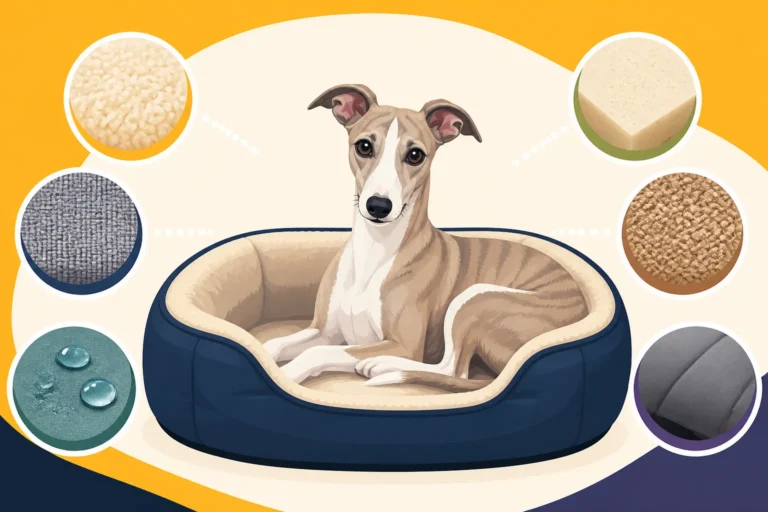
Both Whippets and Greyhounds absolutely adore comfort. With their thin skin and minimal body fat, they crave soft, warm places to rest. This means you'll be investing in multiple beds, blankets, and plush sleeping spots. However, the sheer size of a Greyhound means their beds are inherently larger, and often more expensive. A jumbo-sized orthopedic bed for a Greyhound will cost more than a large-sized one for a Whippet.
Moreover, both breeds can be quite particular about their bedding. They love to dig and nest, which can lead to wear and tear. You might find yourself replacing beds more frequently than you'd expect, an expense detailed in The Beds a Whippet Owner Keeps Buying. For a Greyhound, replacing a larger, more expensive bed can hit your wallet harder. Accessories like collars and harnesses also follow this trend; a wider, stronger martingale collar for a large Greyhound will typically be pricier than one for a Whippet. Even crates, if you choose to use one, will need to be significantly larger and therefore more expensive for a Greyhound.
Wardrobe and Climate Needs
Here's an area where the costs can surprisingly converge, or even see the Whippet needing more specific investments. Both sighthounds have very short coats and next to no body fat, making them highly susceptible to cold. This isn't just about fashion; it's about their health and comfort. The Wardrobe a Whippet Needs Because It Has No Body Fat explains why a comprehensive collection of coats, sweaters, and pajamas isn't just a luxury but a necessity for many Whippets, especially in colder climates or when the temperature dips indoors. Whether a Whippet Needs a Coat Indoors highlights that even inside, they can get chilly.
Greyhounds face the same susceptibility to cold, often even more so due to their slightly larger surface area and perhaps even thinner skin. So, while a Whippet might wear a size medium coat, a Greyhound will need a large or extra-large. The cost per individual item might be higher for the Greyhound due to size, but the number of items needed might be quite similar for both breeds to ensure they're adequately protected year-round. You'll likely be buying raincoats, winter coats, and light fleeces for both, making this a category where the cost difference isn't as pronounced as with food.
Veterinary Care and Insurance
The health and longevity of your sighthound are paramount, and veterinary costs are a significant part of long-term ownership. While both breeds are generally healthy, their unique physiology and common breed-specific issues mean their vet bills can differ.
Routine Vet Visits
For routine check-ups, vaccinations, and parasite prevention, the cost per visit for a Whippet and a Greyhound might seem similar on the surface. The consultation fee itself won't change based on breed. However, medication dosages are almost always weight-dependent. This means that a Greyhound, being larger, will require higher doses of anesthetics, antibiotics, pain relief, and even monthly flea and tick preventatives. Over the lifespan of the dog, these cumulative differences can add up.
A Whippet’s smaller size often means lower costs for medications, which can be a small but consistent saving. This applies to everything from a course of antibiotics for a minor infection to sedatives needed for procedures. It’s a subtle difference but one that will show up on your vet bills over time.
Breed-Specific Health Concerns and Costs
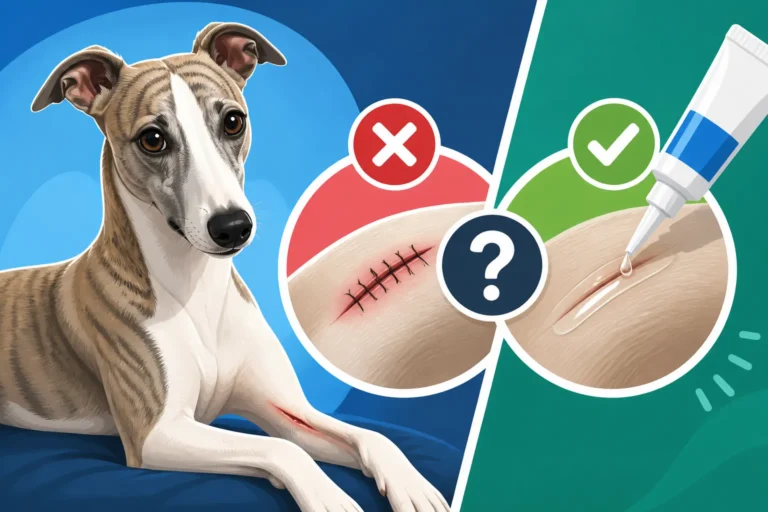
Both Whippets and Greyhounds are generally robust breeds, but they do have specific considerations that can influence veterinary care costs. Whippets, with their thin skin and active nature, are prone to skin tears and lacerations, which often require veterinary attention and stitches. Emergency Stitches: the Whippet Bill Nobody Budgets For and What Repairing a Whippet's Skin Tear Costs illustrate that these aren't always minor expenses. While Greyhounds can also experience similar injuries, the frequency might be slightly higher in the Whippet due to their more compact build and tendency to dart into things.
A crucial point for both breeds, and sighthounds in general, is their unique physiological response to certain anesthetic drugs. Why a Whippet Needs a Sighthound Anesthesia Protocol explains the specific needs for Whippets, which involves careful drug choices and meticulous monitoring during any surgical procedure. This isn't necessarily a higher cost, but it requires a vet experienced with sighthounds, which can sometimes mean choosing a specialized practice. Both breeds also can be prone to dental disease. While Greyhounds are sometimes noted for needing more intensive dental care post-racing, Whippets also develop tartar quickly, leading to the need for professional cleanings. The good news is that for most common conditions, a Whippet's smaller size generally means lower medication costs if treatment is needed.
Insurance Premiums
Pet insurance is a lifesaver for many sighthound owners, helping to mitigate the shock of unexpected veterinary bills. This is an area where the cost comparison between a Whippet and a Greyhound can get a bit complex. Generally, larger breeds often have higher insurance premiums because their potential medical issues can be more expensive to treat (due to higher medication dosages, larger surgical equipment, etc.), and some large breeds are predisposed to certain expensive conditions. However, many Greyhounds come from racing backgrounds, and some insurers might consider their history or certain breed-specific ailments when calculating premiums.
For Whippets, their lean build means they don't carry the orthopedic risks of some larger breeds, but their proneness to skin tears and the need for specialized anesthesia can be factors. Overall, the insurance premium for a Whippet might be slightly lower than for a Greyhound, primarily due to their smaller size and generally good health. Companies like Healthy Paws offer various plans, and it's always worth getting quotes for both breeds to see the actual difference. What Insuring a Whippet Costs Monthly provides a look into what you might expect for a Whippet.
| Cost Category | Whippet (Smaller Size) | Greyhound (Larger Size) | Notes |
|---|---|---|---|
| Acquisition | Puppy: Moderate to High Breeder Fee | Adopted Adult: Moderate Adoption Fee | Whippet puppies are more common than Greyhound puppies. |
| Food | Lower monthly cost due to smaller portions | Higher monthly cost due to larger portions | Significant difference over lifetime. Brands like Chewy offer bulk options for both, but more is needed for a Greyhound. |
| Bedding/Accessories | Moderate cost for beds and collars | Higher cost for larger beds and accessories | Both need comfort, but size dictates price of items. |
| Wardrobe (Coats) | Moderate to High for multiple items | Moderate to High for multiple items (larger sizes) | Both breeds need extensive wardrobes; cost per item higher for Grey. |
| Routine Vet Care | Lower medication dosages, slightly lower overall cost | Higher medication dosages, slightly higher overall cost | Consult fees are similar, but treatments vary by weight. |
| Emergency Vet Care | Moderate for skin tears, sighthound anesthesia | Moderate for sighthound anesthesia, potential for larger injuries | Skin tears are common in Whippets. Sighthound protocols apply to both. |
| Pet Insurance | Potentially slightly lower monthly premiums | Potentially slightly higher monthly premiums | Varies by provider (e.g., Healthy Paws) and specific health history. |
| Dental Care | Regular cleanings needed | Regular cleanings needed; sometimes more intensive | Both breeds can be prone to tartar buildup. |
Training, Activities, and Other Costs
Beyond the essentials, the lifestyle you provide for your sighthound also comes with costs. While both breeds are wonderful companions, their exercise needs, training styles, and activity preferences can lead to different expenditures.
Training and Socialization
Both Whippets and Greyhounds are known for being sensitive souls, meaning positive reinforcement training methods work best. Harsh corrections can shut them down quickly. Training classes, whether for basic obedience or more advanced skills, are an excellent investment for either breed. The cost for these classes will typically be the same, regardless of the breed's size.
However, a Greyhound, particularly a retired racer, might come with a different set of socialization needs. They often haven't lived in a home environment, haven't encountered stairs, sliding glass doors, or small house pets. Investing in a good behaviorist or specialized training for these specific transitions can add to the initial training budget. Whippet puppies, while needing comprehensive socialization from a young age, typically start with a blank slate in a pet home, making their socialization process more akin to a typical puppy's needs.
Sports and Recreation
Sighthounds are athletes at heart, even if they're also champion nappers. Lure coursing and Fast CAT are popular sports that both Whippets and Greyhounds excel at, allowing them to stretch their legs and indulge their natural chase instinct. The entry fees for these events are usually per dog, so the cost will be the same whether you have a Whippet or a Greyhound.
However, the frequency and intensity of exercise might vary. While a Whippet might be satisfied with a good sprint a few times a week and plenty of couch time, a Greyhound, especially one fresh off the track, might require more structured exercise initially to help them transition and burn off energy. This could translate to more trips to a securely fenced off-leash park, or potentially a longer search for an appropriate exercise space. Transportation costs to and from these venues might become a factor.
Miscellaneous Expenses
There are always those little things that add up. Toys, for instance. While both breeds enjoy toys, a Greyhound might need more robust, larger toys that can withstand their strong jaws, which can sometimes be more expensive. Then there's professional grooming – neither breed requires extensive grooming beyond nail trims and occasional baths, so those costs are typically minimal and similar for both.
Considering the lifetime commitment, The Twelve to Fifteen Years a Whippet Lives gives you an idea of the duration you're looking at for a Whippet, and Greyhounds have a similar lifespan, often 10-14 years. Over such a long period, all these seemingly small differences in daily costs, vet care, and accessories can compound into a significant sum, as explored in What Fourteen Years With a Whippet Comes To. Generally, the smaller size of the Whippet means fewer resources consumed over their lifetime, making them, on average, a slightly less expensive proposition than their Greyhound counterparts. This doesn't mean they are "cheap" by any stretch, but the cumulative effect of a smaller dog adds up to savings.
Disclaimer
This article is for general informational purposes only and does not constitute professional advice. Laws, prices and regulations vary by location and change over time. Consult a qualified professional for guidance on your specific situation.