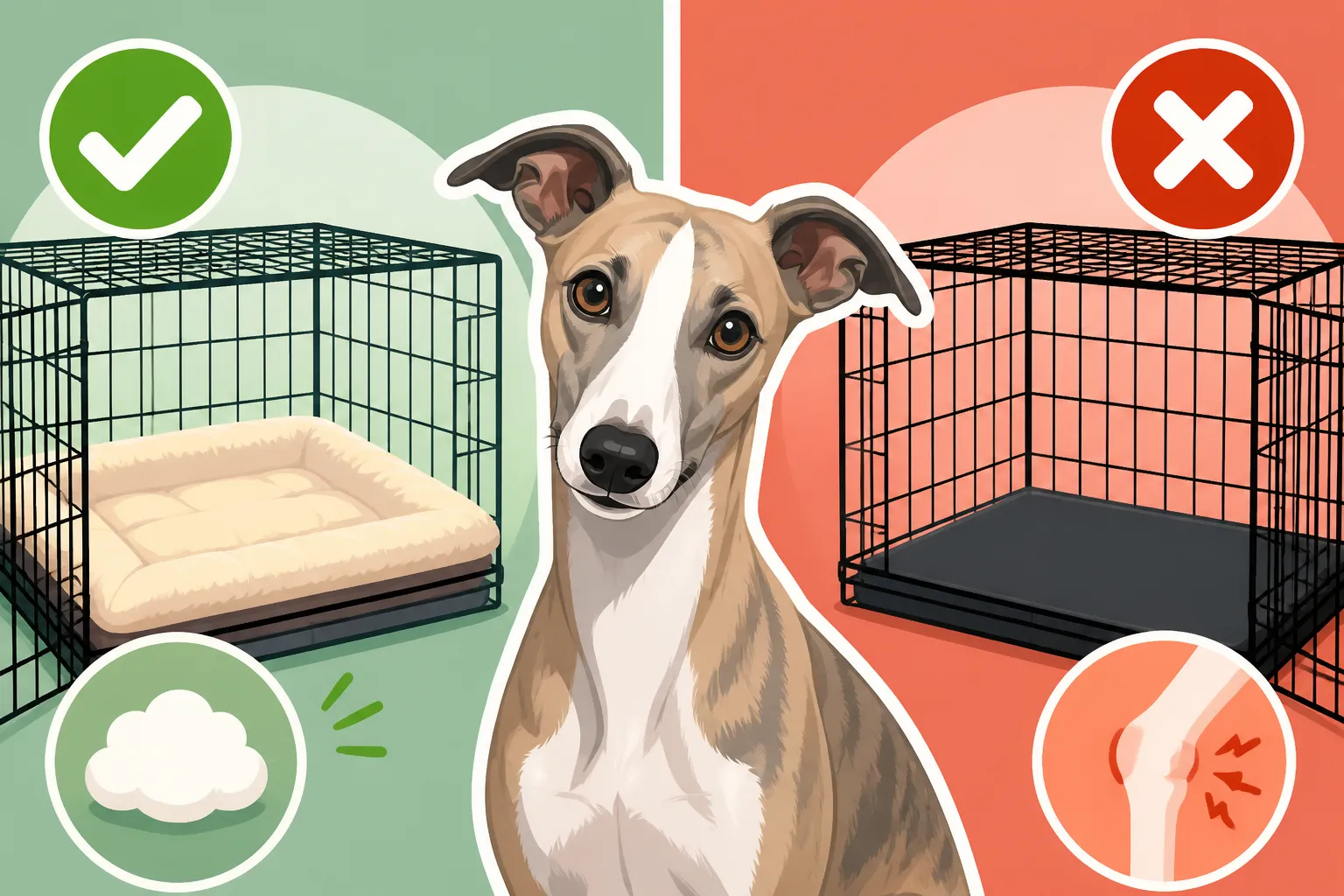
Whether a Whippet Needs a Padded Crate Mat
The distinct physiology of a Whippet means they often struggle to find true comfort on hard surfaces, leading to concerns about pressure sores and adequate rest. This guide will delve into why a padded crate mat isn't just a luxury but a necessity for your Whippet's well-being, exploring the best options and how to ensure their ultimate comfort and health in their personal den.
The Whippet's Unique Need for Ultimate Comfort
If you’ve ever felt your Whippet’s skin, you know just how delicate and finely structured they are. They are graceful athletes, built for speed, not for lounging on cold, hard floors. This unique physique, which is so admired in the show ring and on the race track, also presents specific challenges when it comes to their everyday comfort and health. Unlike many other breeds, Whippets lack the natural insulation and padding that would protect them from hard surfaces. Their sleek coats offer little thermal protection, and their minimal body fat means their bony prominences – hips, elbows, shoulders – are very close to the surface.
Imagine trying to sleep on a thin blanket laid directly on concrete every night. You'd wake up stiff, sore, and probably a bit cranky. That's essentially what a hard crate floor can feel like for a Whippet. Owners often observe their Whippets seeking out the softest spot in the house, burrowing under blankets, or attempting to commandeer the sofa as their personal cloud. This isn't just about being spoiled; it's a genuine instinct driven by physical discomfort. Providing proper padding in their crate respects this fundamental need and contributes significantly to their overall health and happiness.
Why Hard Surfaces Are Problematic for Whippets
The issue with hard surfaces goes beyond simple discomfort for a Whippet. Their bony anatomy, combined with their tendency to lie curled up or sprawled out for long periods, makes them susceptible to a range of issues. Without proper cushioning, constant pressure on specific points can restrict blood flow and irritate the skin. This isn't theoretical; it's a very real concern for many Whippet owners.
Over time, this repeated pressure can lead to the formation of calluses, particularly on elbows and hocks. These aren't just cosmetic flaws; they can become thick, cracked, and even infected if not properly managed. Worse still, chronic pressure can cause actual The Pressure Sores a Whippet Gets From Sleeping on the Floor. These sores are painful, difficult to heal, and can open the door to secondary infections. It's a sad reality that something as simple as a hard sleeping surface can lead to such serious medical problems for a breed so prone to delicate skin. This is why when considering a crate, the mat isn't an afterthought; it's foundational.
The Role of Insulation and Padding in Whippet Health
Beyond preventing sores, proper padding serves a vital role in regulating your Whippet's body temperature. A Whippet Has No Insulation and No Padding, making them highly sensitive to cold. A chilly crate floor can quickly sap their body heat, leaving them shivering and uncomfortable. This isn't just about being cold; prolonged exposure to cold can lead to stiffness, especially in older dogs, and can impact their immune system over time.
A well-padded mat creates a barrier between your Whippet and the cold floor, trapping their body heat and providing a warm, inviting space. Think of it as their personal, insulated nest. This is especially crucial for puppies, who struggle more with temperature regulation, and for senior Whippets, who may already be feeling the cold more acutely due to age or Caring for an Old Whippet That Feels the Cold. A good mat contributes to restful sleep, which is essential for muscle recovery, growth, and overall cognitive function. A comfortable, warm bed means a happier, healthier, and more resilient Whippet.
Choosing the Right Padded Crate Mat for Your Whippet
Selecting the perfect crate mat isn't just about grabbing the first soft thing you see. Given your Whippet's unique needs, you'll want to consider materials, durability, and ease of cleaning. There's a wide world of dog beds out there, but not all are created equal when it comes to supporting a sighthound's delicate frame. The goal is to find something that offers robust support without being too firm, and that provides warmth without causing overheating.
Many commercial options are available through retailers like Chewy, offering various styles and price points. The key is to look beyond the cute factor and assess the practical benefits for your specific dog. Consider your Whippet's chewing habits, their tendency to "nest," and how often the mat will need cleaning. A well-chosen mat should last for years, providing consistent comfort and value.
Optimal Materials for Whippet Crate Mats
When it comes to materials, memory foam and orthopedic foam are often considered gold standards for Whippets. These materials contour to your dog's body, distributing weight evenly and relieving pressure points. This is particularly beneficial for their bony joints and helps prevent those dreaded calluses and sores. For an older Whippet, or one with any joint stiffness, a true orthopedic bed can make a world of difference. Beds That Suit an Arthritic Whippet are often made of these materials.
Beyond the core foam, consider the cover material. Soft fleece, faux fur, or micro-suede can add an extra layer of plush comfort and warmth. Look for covers that are removable and machine washable – a non-negotiable feature for any dog bed, especially if your Whippet spends a lot of time in it. Some mats also come with waterproof liners, which can be a lifesaver for puppies during house training or for senior dogs who might have occasional accidents. Avoid thin, flimsy batting or cheap foam that will flatten quickly, offering little to no real support.
Here's a quick comparison of common mat types:
| Mat Type | Pros | Cons | Whippet Suitability |
|---|---|---|---|
| Memory Foam | Excellent pressure relief, molds to body | Can be more expensive, retains heat slightly | Excellent |
| Orthopedic Foam | Firm support, good for joints & older dogs | Can be heavy, may feel too firm initially | Excellent |
| Plush/Fleece Fill | Soft, cozy, often more affordable | Flattens quickly, less pressure relief | Moderate (only as top layer) |
| Waterproof/Outdoor | Durable, easy to clean, weather-resistant | Often less plush, can be noisy/crinkly | Moderate (good for travel) |
| Self-Warming | Reflects body heat, no electricity needed | Can be less padded, effectiveness varies | Good (for cold climates) |
Sizing and Fit within the Crate
The mat needs to fit snugly within the crate without leaving large gaps where your Whippet could get a paw stuck, or spaces where they might try to burrow and shift the mat around. Measure your crate carefully before purchasing. A mat that's too small won't provide full coverage, leaving parts of your Whippet's body on the hard floor. One that's too large will bunch up, becoming uncomfortable and potentially a chewing hazard.
For most standard wire crates, you'll find mats specifically designed to fit common dimensions. If you have a custom or unusually sized crate, you might need to look for custom-made options or be prepared to trim a larger mat down to size (if the material allows). The height of the mat is also important; it should be thick enough to provide ample cushioning but not so thick that it reduces the usable head space in the crate too much. A good 2-4 inches of dense foam is often ideal for a Whippet. Remember, the goal is a seamless, supportive, and comfortable floor for their personal retreat.
Maintaining Your Whippet's Crate Mat and Comfort
A crate mat is an investment in your Whippet's comfort and health, and like any investment, it needs proper care to last. Regular cleaning, monitoring for wear and tear, and understanding your Whippet's behavior around their bedding will ensure it remains a safe and inviting space. After all, a dirty or damaged bed defeats the purpose of providing ultimate comfort.
Many high-quality mats, especially those purchased from reputable pet supply sites like Chewy, come with care instructions that are usually straightforward. However, a little extra vigilance goes a long way, particularly with a breed like the Whippet whose delicate skin can be sensitive to irritants or rough surfaces.
Cleaning and Durability
Regular cleaning is paramount for hygiene and to prolong the life of the mat. Most good quality crate mats come with removable, machine-washable covers. Aim to wash the cover at least once a week, or more frequently if your Whippet is prone to accidents or spends a lot of time outdoors. Use a gentle, hypoallergenic detergent, as harsh chemicals or strong perfumes can sometimes irritate a Whippet's sensitive skin. Tumble dry on low or air dry to prevent shrinking and maintain the integrity of the fabric.
Beyond the cover, the foam insert itself might need spot cleaning occasionally. Always check the manufacturer's instructions for the best way to do this. For minor spills, a damp cloth with mild soap can often suffice. For more significant issues, enzyme cleaners are excellent for tackling odors and stains. It's also wise to air out the foam insert periodically to prevent moisture buildup and keep it fresh. When you consider What a Whippet's Bedding Costs in a Year, maintaining durability becomes an economical choice, preventing frequent replacements.
Preventing Chewing and Damage
Some Whippets, particularly puppies, can be enthusiastic chewers. A damaged mat not only loses its comforting properties but can also pose a choking hazard if stuffing is ingested. If your Whippet is a chewer, selecting a mat made from durable, chew-resistant materials or with reinforced stitching can be a smart move. While no mat is truly indestructible, some brands offer more robust options.
To discourage chewing, ensure your Whippet has plenty of appropriate chew toys readily available in their crate. Introduce the mat positively, perhaps with treats or a favorite toy on it, so they associate it with relaxation, not destruction. If chewing becomes a persistent issue, supervised crate time or using bitter apple spray (always patch test first) can sometimes help. For some Whippets, a slightly more robust, less plush style of mat might be a better choice to begin with. Ultimately, the goal is to make the mat a sanctuary, not a chew toy. If medical issues arise from ingesting stuffing or getting cut on a torn mat, having pet insurance like Healthy Paws can provide peace of mind regarding unexpected vet bills.
Addressing Specific Comfort Needs for Older Whippets
As Whippets age, their comfort needs often become more pronounced. The Age a Whippet Counts as a Senior is typically around 8-10 years, and with age can come a host of changes, including increased sensitivity to cold, joint stiffness, and a greater propensity for pressure sores. A padded crate mat becomes even more critical in these golden years. You might find that your senior Whippet, who once tolerated a less plush bed, now actively seeks out the softest spot.
For older Whippets, investing in a high-quality orthopedic memory foam mat is highly recommended. These provide superior support for aching joints and help alleviate pressure on thinning muscles and bones. Consider adding an extra soft blanket or Whether a Whippet Needs a Heated Pad on top of the mat, especially if you notice Whether an Old Whippet Feels the Cold More. The goal is to maximize their comfort and ensure they get the restorative sleep they need to maintain their quality of life. An older Whippet's comfort is paramount, and a thoughtfully chosen mat can make a world of difference to their daily well-being.
Disclaimer
This article is for general informational purposes only and does not constitute professional advice. Laws, prices and regulations vary by location and change over time. Consult a qualified professional for guidance on your specific situation.