Whether a Whippet Needs Dentals More Often
Many Whippet owners find themselves looking into their beloved dog's mouth and noticing something isn't quite right – maybe a little yellowing, or that distinct "doggy breath" that seems to arrive much sooner than they expected. It's a common worry: are our graceful, elegant Whippets somehow predisposed to dental issues? This guide will dive deep into why Whippets might indeed require more frequent dental attention than some other breeds, what signs to look for, and how you can proactively care for their pearly whites to ensure a healthy, happy life.
The Peculiarities of Whippet Dental Health
It's a frustrating reality for many Whippet parents: despite our best efforts, it feels like plaque and tartar accumulate on their teeth at an alarming rate. You might wonder if you're doing something wrong, but often, it's simply a characteristic of the breed that requires a specific approach to care.
Why Whippet Teeth Seem to Build Tartar Faster
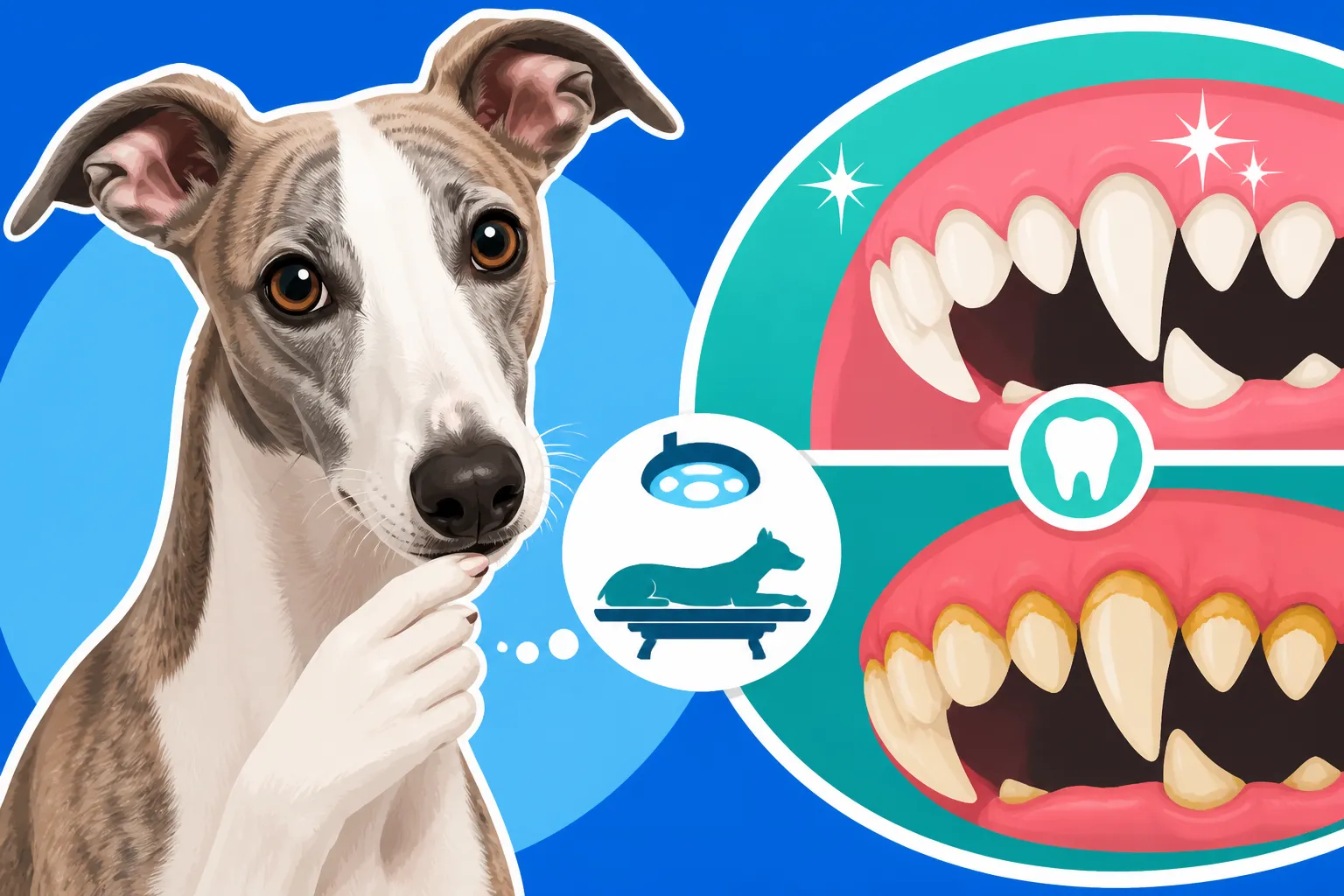
One of the primary reasons Whippets appear to develop dental problems more quickly lies in their unique oral anatomy. Think about that long, elegant muzzle and those relatively small teeth. While beautiful, this structure can lead to a few issues. Their teeth, though not as large or robust as some other breeds, are often set in a way that can lead to subtle crowding. This crowding creates more nooks and crannies where food particles and bacteria can easily get trapped, forming plaque. If this plaque isn't regularly removed, it quickly hardens into tartar, a calcified substance that adheres firmly to the tooth surface and cannot be brushed away.
Furthermore, some sighthound breeds, including Whippets, can have variations in their saliva pH and composition, which may contribute to a faster rate of tartar accumulation. It’s not a universal truth for every single Whippet, but it's a pattern many owners and veterinarians observe. Because their teeth aren't as tightly packed or as self-cleaning through chewing as some broader-muzzled breeds, every little bit of advantage bacteria can get, they take. This means diligent home care becomes less of an option and more of a necessity from day one. You might even find yourself asking Why a Whippet's Narrow Jaw Crowds Its Teeth after seeing how their teeth sit.
Recognising Early Signs of Dental Disease in Whippets
Whippets are incredibly stoic creatures. They’re masters at hiding discomfort, whether it’s a minor cut on their thin skin or the persistent ache of a dental problem. This makes it particularly challenging for owners to spot dental disease until it’s quite advanced. By the time you notice overt signs, your Whippet might already be experiencing significant pain or infection.
The most obvious, and often first, sign is bad breath – that distinct halitosis that makes you wince when your Whippet yawns or gives you a kiss. It's not just "doggy breath"; it's a sign of bacterial overgrowth in the mouth. Beyond that, start looking for subtle changes. Are their gums red, swollen, or bleeding when they chew a toy or when you try to brush their teeth? Do you see a yellow or brown crust accumulating on the tooth surface, especially near the gum line? Is your Whippet suddenly more reluctant to chew on hard toys or bones? Perhaps they are eating more slowly, dropping food, or showing a preference for softer foods. Sometimes, you might even notice pawing at their mouth or rubbing their face. Any change in eating habits, even minor ones, should be a red flag. Regular checks are vital because, as many of us have learned, a Whippet's bad breath is usually more serious than just needing a mint.
The Impact of Dental Neglect on Your Whippet's Overall Health
It’s easy to think of dental disease as just a problem with teeth, but in reality, an unhealthy mouth can have far-reaching consequences for your Whippet’s entire body. The mouth is a gateway to the rest of the system, and neglecting oral health can open the door to a host of other serious issues.
Beyond Bad Breath: Systemic Health Risks
The bacteria that thrive in plaque and tartar don’t just stay in your Whippet’s mouth. As dental disease progresses, these bacteria can enter the bloodstream through inflamed or bleeding gums. Once in the bloodstream, they can travel to major organs, causing inflammation and infection. The heart, kidneys, and liver are particularly vulnerable. Chronic bacterial infections from the mouth can contribute to heart valve disease, particularly in older dogs. It's a sad thought, but dental disease can potentially exacerbate or contribute to serious conditions like Mitral Valve Disease Is What Ends Most Old Whippets. Kidney and liver function can also be compromised over time as these organs work harder to filter out bacterial toxins from the blood.
It’s a silent assault on their internal health. You won't see symptoms of kidney or liver damage until the disease is quite advanced, making prevention through good dental hygiene absolutely paramount. This systemic connection is why veterinarians emphasize comprehensive dental care as a crucial part of your Whippet's overall wellness plan, not just a cosmetic fix for bad breath.
Pain and Quality of Life
Imagine having a constant toothache, or gums that are sore and bleeding every time you try to eat. This is the reality for many dogs suffering from untreated dental disease. While Whippets are adept at hiding pain, it doesn't mean they aren't feeling it. Dental pain can significantly diminish their quality of life. They might become irritable, withdrawn, or less enthusiastic about their favorite activities. Eating can become a chore rather than a joy, leading to weight loss or reluctance to eat certain foods. Even something as simple as retrieving a toy or playing tug can become painful.
This chronic discomfort isn’t just about their teeth; it impacts their entire demeanor and spirit. A Whippet dealing with dental pain might not greet you with the same joyous enthusiasm, or they might seem less engaged during walks. Because they are so stoic, we often don't realize the extent of their suffering until after a dental procedure, when we see a dramatic positive change in their personality and energy levels. Suddenly, they're eating better, playing more, and generally seem happier and more comfortable. Recognizing this potential for hidden pain is a powerful motivator for staying on top of their dental health.
Proactive Dental Care: Your Whippet's Best Defense
Given their predisposition to dental issues and their stoic nature, being proactive about your Whippet's oral health isn't just a good idea – it's essential. A multi-faceted approach combining diligent home care with regular professional cleanings offers the best protection.
Daily Home Care Practices
The cornerstone of preventing plaque and tartar buildup is daily home care. Yes, daily! This might sound daunting, but even a few minutes each day can make a world of difference.
- Brushing: This is the gold standard. Aim for daily brushing using a soft-bristled pet toothbrush and pet-specific toothpaste (never human toothpaste, as it contains ingredients toxic to dogs). Start slowly, making it a positive experience with lots of praise and treats. Focus on the outside surfaces of the upper teeth, as these tend to accumulate tartar fastest. Even a quick 30-second brush can be beneficial. It's about consistency.
- Dental Chews: Not all dental chews are created equal. Look for VOHC (Veterinary Oral Health Council) approved products, which have been scientifically proven to reduce plaque and tartar. Brands found on platforms like Chewy often carry these certified chews. Avoid overly hard chews (like antlers or dense bones) that can fracture teeth, especially in a breed with a more delicate jaw like a Whippet.
- Water Additives & Oral Rinses: These can be a helpful adjunct but should not replace brushing. They contain enzymes or antiseptics that help reduce bacteria in the mouth. Again, choose VOHC-approved options.
- Wipes: Dental wipes can be a good starting point for puppies or dogs resistant to brushing, as they help physically remove some plaque from the tooth surface.
The key is to start early when your Whippet is a puppy, so they become accustomed to having their mouth handled. Even if you have an adult Whippet, with patience and positive reinforcement, you can introduce these practices.
The Role of Professional Dental Cleanings
Even with the most diligent home care, most Whippets will eventually need professional dental cleanings. These procedures go beyond what you can achieve at home, addressing tartar below the gum line and diagnosing hidden issues.
- Necessity of Anesthesia: Professional dental cleanings for dogs always require general anesthesia. This isn't just to keep your Whippet still; it allows for a thorough examination, probing for gum pockets, full mouth X-rays to assess bone health and root integrity, and meticulous scaling and polishing above and below the gum line. Without anesthesia, none of this critical work can be safely or effectively performed.
- Frequency Recommendations: For many Whippets, a professional dental cleaning every one to two years is recommended. However, this can vary based on your individual dog's genetics, diet, and effectiveness of home care. Some Whippets might need annual cleanings, while others might stretch to two years. Your veterinarian will assess your Whippet's oral health at annual check-ups and advise on the appropriate schedule.
- Sighthound Anesthesia Protocols: This is a critically important point for Whippet owners. Sighthounds, including Whippets, are known to metabolize certain anesthetic drugs differently and can be more sensitive to their effects, often taking longer to recover. It is absolutely vital that your veterinarian is aware of and follows Why a Whippet Needs a Sighthound Anesthesia Protocol. Discuss this with your vet beforehand to ensure they use sighthound-safe anesthetic agents and proper monitoring and warming protocols. This precaution ensures the safety and well-being of your beloved Whippet during the procedure.
Financial and Practical Considerations of Whippet Dental Care
Let’s be honest, veterinary care, especially specialized procedures like dental cleanings, isn’t cheap. It's a significant consideration for any dog owner, and Whippet parents are no exception. Being prepared for these costs is part of being a responsible owner.
Budgeting for Regular Dental Care
A professional dental cleaning for a dog involves more than just scrubbing teeth. It includes pre-anesthetic bloodwork (to ensure your Whippet is healthy enough for anesthesia, especially when considering The Bloodwork Numbers That Look Wrong on a Healthy Whippet), the anesthesia itself, IV fluids to maintain blood pressure, the cleaning and polishing, and potentially X-rays and extractions. The cost can vary widely depending on your location, the clinic, and the severity of your Whippet's dental disease.
It’s prudent to budget for these procedures. Think of it as an essential health investment, not an optional luxury. Setting aside a dedicated amount each month can help soften the blow when a cleaning is due. Pet insurance, such as plans offered by Healthy Paws, can also be a lifesaver. While routine cleanings may or may not be covered depending on the plan, unexpected extractions or complications from severe dental disease are often eligible, significantly reducing your out-of-pocket expenses. It's worth researching different plans and understanding what they cover regarding dental procedures. After all, What a Whippet's Dental Cleaning Costs can be a surprise if you're not prepared.
Making Dental Care a Positive Experience for Your Whippet
Introducing dental care to your Whippet, especially brushing, needs to be a positive, stress-free experience. If it becomes a battle, you’re less likely to stick with it, and your Whippet will learn to dread it.
- Start Slow and Gentle: Don't try to tackle a full brush on day one. Start by simply touching their muzzle, then gradually introduce touching their gums and teeth with your finger, eventually adding a tiny bit of pet toothpaste. Always follow with praise and a high-value treat.
- Keep it Short and Sweet: Especially in the beginning, keep sessions very brief. A few seconds of brushing is better than no brushing at all, and it prevents your Whippet from becoming overwhelmed.
- Positive Reinforcement is Key: Associate dental care with good things! Lots of gentle strokes, happy words, and delicious treats. If your Whippet isn't keen on brushing, perhaps a special treat from a brand like Ollie, known for its fresh and appealing ingredients, could be used as the ultimate reward. Some Whippets are notoriously picky eaters, so finding that motivator is crucial.
- Consistency Breeds Acceptance: The more regularly you engage in dental care, the more routine it becomes for your Whippet. They’ll understand what to expect, and the process will become less intimidating over time.
By approaching dental care with patience, understanding, and a focus on positive reinforcement, you can help your Whippet not only tolerate but even look forward to their daily oral hygiene routine, setting them up for a lifetime of better health.
| Feature | At-Home Dental Care | Professional Dental Cleaning |
|---|---|---|
| Purpose | Prevents plaque/tartar buildup, maintains oral hygiene | Removes existing tartar, treats gum disease, addresses issues |
| Frequency | Daily (brushing, chews) | Typically every 1-2 years, based on vet recommendation |
| Anesthesia | Not required | Absolutely essential for thoroughness and safety |
| Tools Used | Pet toothbrush, toothpaste, dental chews, wipes | Ultrasonic scaler, polisher, dental probes, X-ray machine |
| Visibility | Addresses visible tooth surfaces only | Addresses teeth above and below the gum line |
| Cost | Low (cost of products) | Significant (vet visit, anesthesia, X-rays, extractions) |
| Benefit | Reduces bad breath, slows disease progression | Resolves existing disease, prevents systemic health issues |
| Sighthound Protocol | Not applicable | Crucial for safety and recovery (Why a Whippet Needs a Sighthound Anesthesia Protocol) |
Disclaimer
This article is for general informational purposes only and does not constitute professional advice. Laws, prices and regulations vary by location and change over time. Consult a qualified professional for guidance on your specific situation.