Whether a Brindle Whippet Costs More
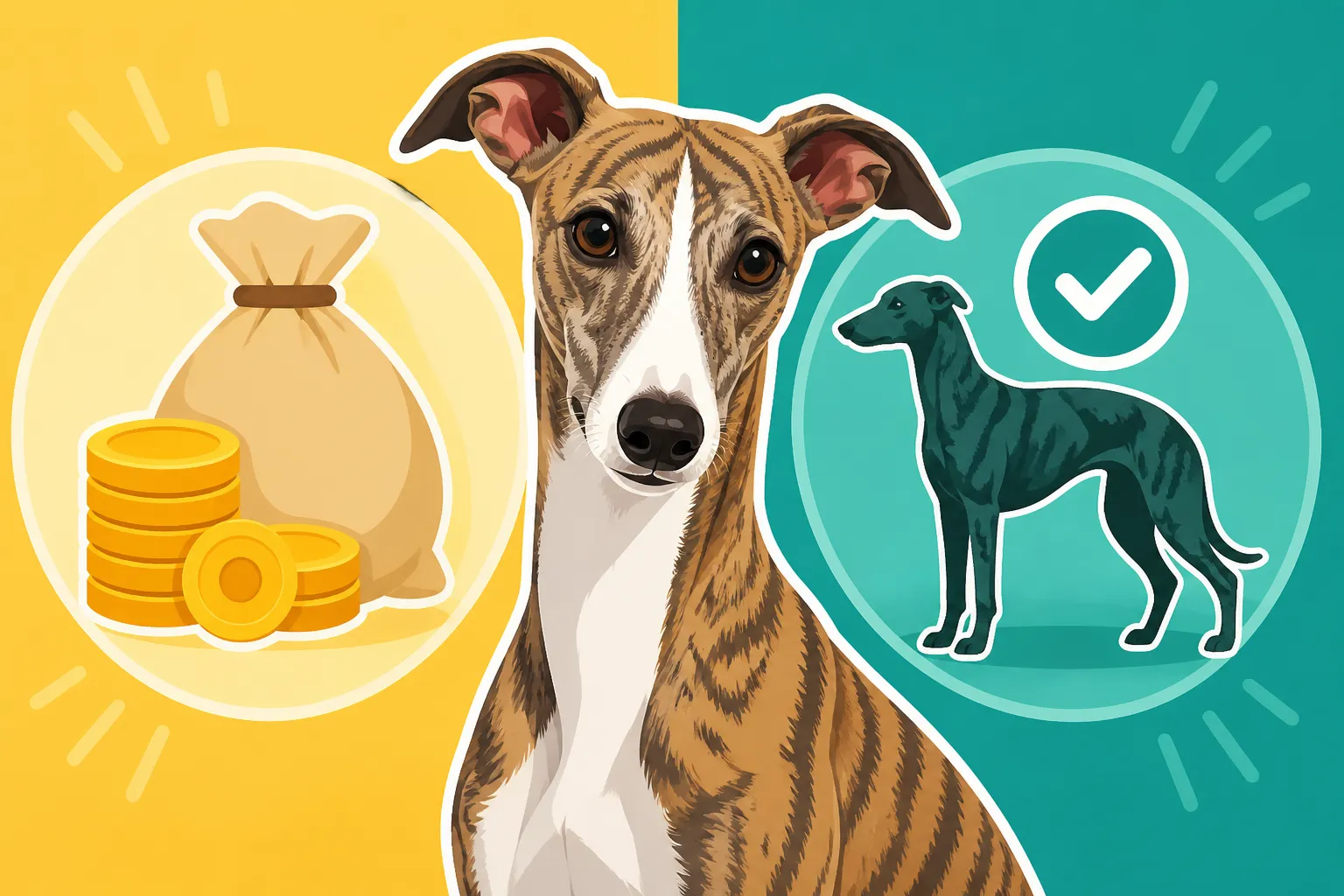
It's incredibly common to fall head over heels for a particular Whippet color, and then immediately wonder if that specific shade or pattern comes with a steeper price tag. Many prospective owners worry that a brindle Whippet, with its striking stripes, might be marketed as "rare" or "desirable" and thus fetch a higher cost. This guide will dive deep into whether a brindle coat genuinely impacts the price of a Whippet puppy, and what factors truly determine what you'll pay.
The Factors That Actually Influence a Whippet's Price Beyond Color
When you start looking for a Whippet puppy, it's easy to get caught up in superficial traits like color. However, savvy breeders and responsible pet owners know that a puppy's true value, and therefore its price, is determined by a much deeper set of criteria. Thinking that a brindle pattern makes a Whippet inherently more expensive often means missing the bigger picture of what makes a well-bred, healthy puppy.
Pedigree and Breeder Reputation: Champion Lines vs. Pet Homes
The lineage of a Whippet puppy is arguably the single most significant factor in its price. A puppy from parents with a proven track record in the show ring, on the race track, or in performance events like lure coursing will almost always command a higher price. These breeders invest years, often decades, into selecting for specific traits – not just conformation to the breed standard, but also temperament, health, and athletic ability. They travel to shows, pay stud fees for top males, and dedicate immense time to raising their litters. This isn't about snobbery; it's about the verifiable quality and predictability of the genetics. A puppy from parents who are titled champions means a greater likelihood that your puppy will embody those same desirable qualities. Conversely, a Whippet sold purely as a "pet" by a reputable breeder, perhaps from a litter where some puppies are show-quality and others are wonderful companions but might have a minor fault for the ring, will generally be more affordable than one destined for competition. However, even a pet-quality Whippet from a top breeder will likely cost more than one from a less diligent background because the foundational investment in the parents is still there. If you're looking for a companion, you might not need a puppy from parents who are national champions, but understanding that this level of breeding impacts price is crucial. You can learn more about this by reading What a Show Bred Whippet Puppy Costs or What a Racing Bred Whippet Puppy Costs.
Health Testing and Guarantees: The Investment in a Healthy Start
Beyond pedigree, the health testing performed on the parent dogs is a critical component of a puppy's price. Responsible Whippet breeders conduct various health screenings on their breeding stock to minimize the risk of passing on hereditary conditions. For Whippets, this often includes cardiac exams (echocardiograms) to screen for heart conditions like Mitral Valve Disease, as well as eye certifications. They might also test for genetic conditions like Phosphofructokinase Deficiency or the Myostatin gene mutation. These tests aren't cheap, and they add to the overall cost of raising a litter responsibly. A breeder who cuts corners on health testing might offer a cheaper puppy upfront, but you could end up paying far more in veterinary bills down the line. A health guarantee, which a good breeder will offer, provides a certain level of assurance regarding the puppy's initial health and sometimes covers hereditary conditions for a specified period. This guarantee is a testament to the breeder's confidence in their breeding program and their commitment to the health of their puppies. It’s an investment in peace of mind. To understand the importance, consider posts like The Health Tests Both Whippet Parents Should Have and What an OFA Cardiac Exam Costs a Whippet Breeder. A breeder offering a puppy without any verifiable health testing on the parents, or without a health guarantee, should raise a red flag, regardless of the puppy's color.
Location and Market Demand: Where You Live Matters
Just like real estate, the cost of a Whippet puppy can vary significantly depending on geographic location and local market demand. In areas where Whippets are very popular, or where there are fewer reputable breeders, prices tend to be higher. Conversely, in regions with more breeders or less demand, prices might be slightly lower. Travel costs also play a role; if you have to fly or drive a long distance to pick up your puppy, that adds to the overall expense. Sometimes, breeders in rural areas might have slightly lower overheads, which can be reflected in their prices, while breeders in more urbanized areas might face higher costs for facilities, veterinary care, and even advertising. It’s not uncommon for prospective owners to travel several states away to find the right breeder and the right puppy. This variation in pricing isn't about the brindle coat; it's about the economic realities of supply and demand, and the cost of living and breeding in a particular area. It's always a good idea to research breeders in your general region and compare their practices, not just their prices, to understand the local market. Whether Whippet Prices Vary by Region explores this concept further.
Understanding Whippet Colors and Their Perceived Rarity
Whippets come in an astonishing array of colors and patterns. From solid black to pure white, fawn, blue, red, cream, and various combinations, their coats are one of their many beautiful attributes. Brindle is certainly one of the more striking patterns, characterized by stripes of color against a lighter background. However, the idea that certain colors are "rare" or inherently more valuable is often a misconception, especially when it comes to brindle.
The Commonality of Brindle: A Natural Whippet Pattern
Brindle is a completely natural and accepted coat pattern in Whippets, recognized by all major kennel clubs. It's not an anomaly or a rare genetic mutation; it's a common and beautiful expression of their genetics. In any given litter, you might see solid colors, pieds (patterns with white), and brindles. The presence of brindle isn't an indicator of superior genetics or a unique, hard-to-find trait. In fact, many people adore the brindle pattern, and it's quite popular, but popularity doesn't necessarily equate to rarity or increased cost. A breeder's aim is to produce healthy, well-tempered Whippets that conform to the breed standard, and a brindle coat fits perfectly within that framework. There's no scientific or ethical reason for a reputable breeder to charge more for a brindle puppy simply because of its stripes. If a breeder attempts to do so, it might be a sign they are prioritizing appearance over other, more important breeding goals, or are simply trying to capitalize on a perceived demand. The variety of colors is part of the Whippet's charm, and brindle is a wonderful, widely available option.
Debunking "Rare" Colors: Marketing vs. Reality
The concept of a "rare" color often pops up in discussions about dog breeds, and it's usually a red flag. Terms like "rare blue," "rare chocolate," or even "rare brindle" are frequently used by less reputable breeders or puppy mills to justify inflated prices. In many cases, these "rare" colors are either completely normal variations within the breed (like brindle), or they might be colors that fall outside the breed standard and could even be associated with health issues (though this is not the case for brindle in Whippets). For example, while blue Whippets are gorgeous, they aren't "rare" in a genetic sense, nor do they inherently cost more from a responsible breeder, although some might attempt to charge a premium. You can read more about this in Whether a Blue Whippet Costs More. The reality is that a truly rare genetic mutation that produces a unique color might exist, but it's often more of a scientific curiosity than a desirable trait for breeding or pet ownership, and responsible breeders are typically more concerned with health and temperament than novelty. Always be wary of any breeder who emphasizes "rare" colors as a primary selling point or justification for a higher price. Their focus should be on health, temperament, and adherence to the breed standard, not on the supposed exclusivity of a coat pattern like brindle.
Long-Term Costs: Why Initial Puppy Price Is Just the Beginning
While the initial purchase price of a Whippet puppy is certainly a consideration, it's really just the tip of the iceberg when it comes to owning one of these wonderful dogs. Many first-time owners are surprised by the ongoing expenses, and understanding these costs is far more important than worrying if a brindle coat adds a few extra dollars to the initial fee.
Essential Supplies and Ongoing Care: Beyond the Purchase
Bringing a Whippet home means needing a whole host of supplies. You'll need a suitable collar and leash – often a Martingale collar is recommended due to their slender necks. A high-quality dog bed (or several, because they love to burrow and snooze in multiple spots) is a must; Whippets have very little body fat, so comfortable, padded bedding is essential to prevent pressure sores. Food is an ongoing expense, and while Whippets are generally efficient eaters for their size, quality nutrition is important. Toys, grooming supplies like a soft brush and nail clippers, and training treats also add up. Then there are the regular veterinary check-ups, vaccinations, parasite prevention, and potentially microchipping. You might want to consider What a Whippet's First Year Costs to get a full picture. Whippets are also known for needing a wardrobe of coats and pajamas to stay warm, especially in colder climates or during winter walks, which is a unique cost compared to many other breeds. Companies like Chewy can be great for setting up auto-shipments for food and supplies, helping manage these recurring costs.
Insurance and Unexpected Vet Bills: Planning for the Future
Perhaps the most significant long-term financial consideration for any dog owner, especially with a breed like the Whippet, is veterinary care beyond routine check-ups. Whippets are generally a healthy breed with a good lifespan of The Twelve to Fifteen Years a Whippet Lives, but like all dogs, they can experience accidents or illnesses. Their thin skin means they are prone to tears and lacerations, which often require veterinary attention and stitches, sometimes at an emergency clinic. These unexpected bills can be substantial, making pet insurance a very wise investment. Companies like Healthy Paws offer various plans that can help mitigate the financial impact of unforeseen medical events. It’s important to research what different policies cover and what their deductibles and reimbursement rates are. Don't forget that as a Whippet ages, new health concerns might arise, and care for an older Whippet can become more intensive, potentially requiring specialized diets (like those offered by Ollie for fresh, personalized nutrition), medications, or more frequent vet visits. Planning for these possibilities is a crucial part of responsible Whippet ownership, far outweighing any minor difference in a puppy's initial cost based on its color. For more on this, you might explore Why a Whippet Is Cheap to Feed and Expensive to Insure.
Ultimately, while the brindle pattern is undoubtedly beautiful and highly sought after by many, it generally does not command a higher price from responsible, ethical Whippet breeders. The price of a Whippet puppy is a reflection of the breeder's dedication to health, temperament, and adherence to the breed standard, rather than the specific color of its coat. Always prioritize a breeder's reputation, health testing, and puppy guarantees over superficial traits like color when making this significant investment.
Whippet Puppy Cost Factors
| Factor | Impact on Price | Description |
|---|---|---|
| Pedigree/Lineage | High | Puppies from champion show lines or proven racing stock will be more expensive due to the breeder's investment in quality genetics, showing/racing fees, and stud fees. |
| Health Testing | High | Responsible breeders conduct extensive health screenings (cardiac, eye, genetic tests) on parents to prevent hereditary diseases. The cost of these tests is factored into the puppy price. |
| Breeder Reputation | High | Reputable breeders with years of experience, a strong track record, and excellent post-sale support (like health guarantees and lifelong commitment) will charge more, reflecting their expertise and investment. |
| Location/Demand | Medium | Prices can vary by geographic region and local demand for Whippets. Areas with higher costs of living or fewer breeders might see higher prices. |
| Inclusions | Medium | Some breeders include initial vaccinations, microchipping, puppy packs, and registration fees in the price, while others may list these separately. |
| Age of Puppy | Low | Older puppies (past 8-12 weeks) that haven't sold might sometimes be slightly discounted, though this is rare for well-bred Whippets. |
| Coat Color/Pattern | Negligible | Reputable breeders do not charge more for specific coat colors like brindle. Any breeder claiming a color is "rare" to justify a higher price should be viewed with skepticism, as this is often a marketing tactic. |
| Sex of Puppy | Negligible | Generally, there is no significant price difference between male and female Whippet puppies from the same litter, although demand can fluctuate. |
| "Pet" vs. "Show/Race" | High | Puppies sold on limited registration as "pet quality" (meaning not intended for breeding or showing) are often slightly less expensive than those sold on full registration with show/race potential. |
Disclaimer
This article is for general informational purposes only and does not constitute professional advice. Laws, prices and regulations vary by location and change over time. Consult a qualified professional for guidance on your specific situation.