Whether a Whippet Needs a Snood
It’s a question many Whippet owners find themselves pondering when they see those adorable pictures online: does my lean, elegant Whippet actually need a snood? Beyond the undeniable cuteness factor, this guide will dive deep into the practicalities, health benefits, and even the comfort aspects of fitting your Whippet with a snood, helping you decide if it's the right choice for your particular companion and climate.
Understanding the Whippet's Unique Anatomy and Temperature Regulation
When you look at a Whippet, you're looking at a creature built for pure speed and athleticism. Their sleek lines and minimal body fat are perfect for chasing a lure, but they leave them incredibly vulnerable to the elements. This isn't just about looking thin; it's about fundamental physiology.
The Thin Skin and Lack of Subcutaneous Fat
Whippets possess incredibly fine, thin skin that stretches tautly over their well-defined musculature. Unlike many other breeds, they lack a dense undercoat or a significant layer of subcutaneous fat to act as insulation. Think of it like wearing a single, light t-shirt in winter – it offers almost no protection. This characteristic is fantastic for aerodynamics and cooling during intense sprints, but it's a major disadvantage when the temperatures drop.
This lack of natural padding means they lose body heat rapidly, much faster than a thick-coated dog. You'll often see their ribs, hip bones, and spine easily, which is generally a sign of a healthy Whippet, not an underfed one. However, it’s also a visual reminder of just how little stands between their warm internal organs and the biting cold. They are simply not equipped to retain warmth on their own in chilly conditions, and this vulnerability extends to every part of their body, especially their delicate extremities. A Whippet Has No Insulation and No Padding
The Importance of Ear Protection in Cold Weather
Those beautiful rose ears that sit so elegantly on a Whippet's head are perhaps one of their most vulnerable features. They are incredibly thin, with very little fat or fur to protect them. The skin on a Whippet's ears is almost translucent, allowing you to see the intricate network of blood vessels just beneath the surface. This high vascularity means that blood flows very close to the skin, which is excellent for radiating excess heat away during exertion, but catastrophic for heat retention when it’s cold.
In chilly, windy, or freezing conditions, these ears can become painfully cold very quickly. The tips are particularly susceptible to frostbite, which is a serious concern that can lead to tissue damage and necrosis. Even if it's not cold enough for frostbite, numb ears are uncomfortable. A stiff breeze can cut right through them, making your Whippet shiver and seek warmth. Providing an extra layer of protection specifically for their ears and neck isn't just about comfort; it's about safeguarding a very exposed and sensitive part of their anatomy.
Practical Reasons for a Whippet Snood
Beyond the aesthetic appeal, snoods serve several very practical purposes for our elegant sighthounds. From battling the elements to offering a sense of security, they can be surprisingly useful tools in a Whippet owner's arsenal.
Protection Against Cold and Wind
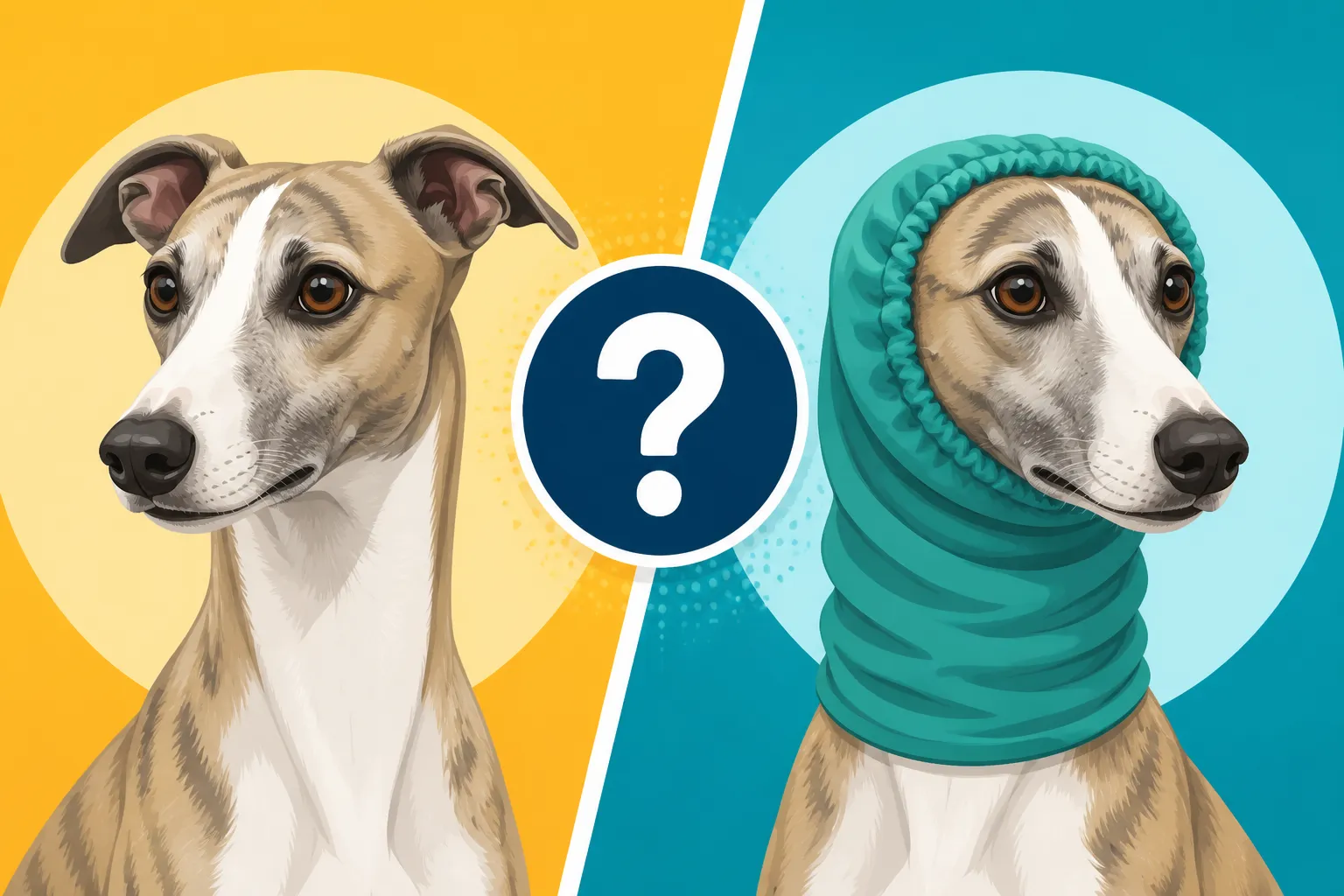
The primary reason many Whippet owners invest in a snood is for superior protection against the cold. While a good quality coat is essential for your Whippet in cool weather, even the best coats often fall short when it comes to covering the neck and, crucially, those delicate ears. A snood bridges this gap, providing a continuous insulating layer from the shoulders up, encasing the ears and neck completely.
Imagine a blustery autumn day or a crisp winter morning walk. The wind can whip around your Whippet's head and ears, causing significant discomfort even if their body is well-covered. A properly fitted snood acts as a windbreak, dramatically reducing heat loss from these exposed areas. This helps your Whippet maintain a stable core body temperature, keeping them warmer and more comfortable during walks, play sessions at the park, or even just standing outside for a potty break. It’s an extra layer of defense that can make a real difference, especially for Whippets who are particularly sensitive to the cold. Keeping a Whippet Warm Without Overheating It
Preventing Ear Injuries and Keeping Clean
Whippets have remarkably thin and delicate skin all over their bodies, and their ears are no exception. These fine ears are unfortunately prone to nicks, scratches, and tears, especially if your Whippet loves to zoom through brush, tall grasses, or dense undergrowth. Even playing vigorously with other dogs can sometimes result in a minor ear injury. A snood provides a physical barrier, offering a layer of protection against these common scrapes and tears. It's like putting a soft, protective sleeve over their ears. The Thin Skin That Sends a Whippet to the Vet for Stitches
Beyond injury prevention, snoods can also help keep your Whippet's ears clean. During muddy walks, dusty lure coursing events, or romps in snowy fields, a snood can prevent dirt, burrs, seeds, and even ice balls from accumulating in their fur and on their ear tips. This means less time spent cleaning matted ears and potentially avoiding discomfort or skin irritation. It's a simple, yet effective, way to maintain ear health and hygiene, especially if your Whippet is an active outdoor adventurer.
Comfort for Anxious or Nervous Whippets
While not every Whippet will experience this, some dogs find the gentle, uniform pressure of a snood to be incredibly comforting. This is similar to the principle behind compression garments designed for anxious dogs, like a "thunder shirt." The snug fit can create a sense of security, reducing feelings of stress or overstimulation in certain situations.
For a Whippet who is prone to nervousness during thunderstorms, fireworks, or even in bustling environments like dog shows or busy vet clinics, a snood might offer a subtle calming effect. It can also slightly muffle ambient sounds, which can be beneficial for noise-sensitive individuals, allowing them to feel a little more secure in overwhelming situations. Of course, this isn't a guaranteed fix for all anxiety, but for some sensitive Whippets, it can be a valuable tool to help them feel more at ease.
When a Snood is Essential, Beneficial, or Just a Nice-to-Have
Deciding if a snood is right for your Whippet often comes down to balancing their individual needs, your local climate, and the activities you share. There are definitely times when a snood moves from being a thoughtful accessory to an absolute necessity.
Essential Scenarios for Snood Use
In certain conditions, a snood isn't just a nicety; it's a critical piece of your Whippet's protective wardrobe. If you live in an area with genuinely harsh winters, where temperatures frequently plummet below freezing and winds are a common factor, a snood becomes indispensable. Prolonged outdoor exposure in these kinds of conditions, even for a short walk, can put your Whippet at risk of hypothermia or frostbite on their exposed ears. Think about bundling yourself up in scarves and hats – your Whippet's snood serves the same vital purpose. Whether a Whippet Needs a Coat Below Fifty Degrees
Older Whippets, in particular, often become more susceptible to the cold as they age. Their metabolism might slow down, their circulation can be less efficient, and any existing health conditions can exacerbate their sensitivity to low temperatures. For senior Whippets, a snood provides much-needed additional warmth and comfort, helping them stay cozy and preventing chills that could worsen stiffness or discomfort. Ensuring they are well-insulated is a crucial part of Caring for an Old Whippet That Feels the Cold. In these circumstances, the protective qualities of a snood far outweigh any purely cosmetic considerations.
Beneficial Uses and Considerations
Even if the weather isn't biting cold, a snood can still offer significant benefits. On cool, damp, or breezy days, where a full winter coat might be overkill but those ears still get chilly, a lighter snood can be perfect. It protects against the damp and prevents those ears from flapping incessantly in the wind, which can sometimes lead to small nicks or irritation along the edges of the pinna.
Beyond warmth, snoods also allow for a wonderful expression of personality and style! Many owners enjoy dressing their Whippets in different colors or patterns, coordinating them with their own outfits or even showcasing team colors at events. There's a huge variety of materials and designs available, from soft fleece for maximum warmth to lighter knits for milder days. You can find options easily online through retailers like Chewy, which often stock a wide range of pet apparel, making it simple to find something that perfectly suits your Whippet's needs and your personal taste. Sometimes, it's just about adding a bit of flair while still providing a layer of comfort.
When a Snood Might Not Be Necessary
While snoods are incredibly useful, they aren't always required. In warm weather, for instance, a snood would be completely counterproductive and could cause your Whippet to overheat. Just as we wouldn't wear a wool hat in summer, your Whippet doesn't need extra layers around their head when it's hot. Whether a Whippet Needs a Cooling Coat in Summer For very short potty breaks in moderately cool but not freezing temperatures, the brief exposure might not warrant the full snood treatment, especially if your Whippet is already wearing a well-fitting coat.
It's also important to acknowledge that some Whippets simply don't like wearing anything on their heads. They might find it restrictive, uncomfortable, or just plain annoying. If your Whippet actively resists a snood, tries to pull it off constantly, or seems genuinely distressed by it, it's probably best to forgo it. Forcing a snood on an unwilling dog defeats the purpose of providing comfort and can create a negative association with outdoor adventures. Always prioritize your Whippet's comfort and happiness over what you think they should wear. The key is to balance protection with their individual preferences.
Choosing the Right Snood and Ensuring Comfort
Selecting the perfect snood for your Whippet involves more than just picking a pretty color. Fit, material, and how you introduce it to your dog are all crucial for ensuring it's a comfortable and effective addition to their wardrobe.
Sizing and Fit for a Whippet
The most critical aspect of choosing a snood is ensuring a proper fit. A snood that is too loose will simply fall off or provide inadequate protection, while one that is too tight can be uncomfortable, restrictive, and even irritate your Whippet’s sensitive skin. You'll need to measure your Whippet’s neck circumference and, ideally, the circumference of their head at the widest point (usually just in front of their ears).
The snood should be snug enough to stay in place without sliding down, but never so tight that it feels constricting around their neck or head. You should be able to comfortably slip two fingers under the snood around their neck. Look for snoods specifically designed for sighthounds, as these breeds have uniquely shaped heads and long, elegant necks that differ from more conventionally built dogs. Brands that cater to sighthounds often understand these nuances and offer sizes and shapes that accommodate their unique physique. A well-fitting snood won't impede their vision or breathing, allowing them to move and enjoy their activities naturally.
Materials and Maintenance
The material of your Whippet's snood should be chosen based on the climate and intended use. For maximum warmth in freezing conditions, soft fleece or wool blends are excellent choices, offering superior insulation. For milder, breezier days, lighter knit fabrics or even cotton blends might be more appropriate, providing a gentle barrier without causing overheating. If your Whippet is prone to getting wet, a water-resistant fabric can be a practical option.
Considering how thin a Whippet's skin is, always opt for soft, non-irritating materials. Harsh seams or rough textures could cause chafing or discomfort, especially with prolonged wear. Maintenance is another key factor: choose materials that are easy to clean, as snoods are likely to get dirty from outdoor adventures. Most snoods can be machine washed on a gentle cycle, which is a huge convenience for busy owners. Regular washing will keep the snood hygienic and prevent any buildup of dirt or allergens that could irritate your Whippet’s delicate skin. Which Shampoo Suits a Whippet's Thin Skin
Introducing a Snood to Your Whippet
Not every Whippet will immediately take to wearing a snood, so a gradual, positive introduction is key. Start by letting your Whippet sniff the snood, offering praise and high-value treats (perhaps some delicious options from Ollie, if your Whippet loves their food!). Don't try to put it on them right away. Once they're comfortable with its presence, gently slip the snood over their head for just a few seconds, immediately rewarding them with treats and enthusiastic praise.
Slowly increase the duration they wear the snood, always associating it with positive experiences. Put it on just before a walk, a play session, or mealtime, so they begin to see it as a precursor to something good. Never force it or punish them for trying to remove it. If they seem uncomfortable, take it off and try again later with even shorter durations. With patience and positive reinforcement, most Whippets will eventually tolerate, and even come to enjoy, the warmth and comfort a snood provides. Investing in pet insurance like Healthy Paws can also offer peace of mind, knowing that if any unforeseen skin irritations or ear issues arise, you'll be prepared for the vet bills.
Snood Pros and Cons for Whippet Owners
Here’s a quick overview to help you weigh the decision of whether a snood is right for your Whippet:
| Feature | Pros | Cons |
|---|---|---|
| Warmth | Excellent insulation for ears and neck in cold, windy weather. | Can cause overheating in warm temperatures. |
| Protection | Guards delicate ears against nicks, scratches, and frostbite. | Not all Whippets tolerate headwear; can be pulled off. |
| Cleanliness | Keeps ears free of dirt, burrs, and snow during outdoor activities. | Requires regular cleaning, especially after muddy outings. |
| Comfort | Gentle compression can soothe anxious or noise-sensitive Whippets. | Some Whippets find them restrictive or irritating. |
| Style | Wide variety of colors and patterns to express personality. | Can be an additional cost to an already robust Whippet wardrobe. The Wardrobe a Whippet Needs Because It Has No Body Fat |
| Versatility | Different materials available for various temperatures. | May not be necessary for all climates or lifestyles. |
| Ease of Use | Generally easy to put on and take off once dog is accustomed. | Can be distracting if the fit is poor or the material is itchy. |
Remember, the goal is always your Whippet's health and happiness. A snood can be a wonderful tool to achieve that, especially for a breed as unique as ours. How Many Coats a Whippet Actually Needs Just like you'd consider Whether a Whippet Should Wear a Coat in Cover, consider a snood as an extension of that thoughtful protection.
Disclaimer
This article is for general informational purposes only and does not constitute professional advice. Laws, prices and regulations vary by location and change over time. Consult a qualified professional for guidance on your specific situation.