What a Whippet Health Guarantee Covers
Bringing a new Whippet puppy into your home is an incredibly exciting time, full of dreams of zoomies in the yard and snuggles on the sofa. But let's be honest, there's always that underlying worry about health issues, those unexpected problems that can break your heart and your bank account. This comprehensive guide is here to demystify one crucial safeguard: the Whippet health guarantee, exploring what it typically covers, what it doesn't, and how to make the most of it to protect your beloved companion.
Decoding the Whippet Health Guarantee: What You're Really Getting
When you purchase a purebred Whippet puppy, especially from a responsible breeder, you'll often receive a health guarantee. It’s a formal agreement, usually written into your puppy contract, that provides a degree of assurance regarding the puppy’s health for a specified period. This isn't just a nicety; it's a critical document that can offer immense peace of mind and financial protection against unforeseen genetic or congenital health issues. Understanding its purpose and scope is the first step in appreciating its value.
The Breeder's Promise and Your Peace of Mind
At its core, a health guarantee is a breeder's promise that they have done their due diligence in breeding healthy dogs and that your puppy is free from certain serious health defects at the time of sale. For a dedicated Whippet breeder, this commitment stems from a deep love for the breed and a desire to ensure their puppies thrive in their new homes. They want you to have a healthy, happy dog, and they stand behind their breeding practices. This promise isn't just about money; it’s about ethical breeding and the long-term well-being of the puppies they bring into the world. It provides a framework for recourse should a serious health problem emerge that is linked to their breeding lines.
Think of it as a quality control stamp on your new family member. Reputable breeders invest heavily in health testing their adult Whippets before breeding them, screening for conditions relevant to the breed. This guarantee is their way of saying, "We've done our best, and we're here to support you if something unexpected arises from our efforts." It can cover everything from life-threatening genetic diseases to severe congenital defects present at birth but perhaps not immediately obvious. This initial period, often the first few days or weeks, is critical, but some guarantees extend much longer for specific genetic conditions.
Distinguishing Between Genetic and Congenital Issues
It's crucial to understand the difference between genetic and congenital health issues, as guarantees often address both, but sometimes with different terms or timeframes.
-
Congenital issues are conditions that are present at birth. They might be genetic in origin, or they could be caused by environmental factors during pregnancy. Examples could include a heart murmur that is structurally significant or a physical deformity. These are often apparent early in life, sometimes even during the initial vet check that most breeders require you to conduct within 48-72 hours of bringing your puppy home. If a severe congenital defect is discovered during this initial veterinary examination, a good health guarantee will typically offer a clear path for resolution, whether that's a refund or a replacement puppy.
-
Genetic issues are inherited diseases passed down through the parents' DNA. These are the conditions that breeders specifically test for, hoping to eliminate them from their lines. For Whippets, this might include things like Phosphofructokinase Deficiency in a Whippet or certain eye conditions, which might not manifest until later in the dog's life. Guarantees for genetic conditions often extend beyond the initial puppy period, sometimes for one or two years, or even the dog's lifetime for certain severe, untreatable genetic diseases. The specifics will always be laid out in your contract, so reading that document thoroughly is paramount. It’s also important to note that a truly ethical breeder will perform health screenings on the parent dogs to reduce the likelihood of these issues appearing in the first place, such as an OFA Cardiac Exam.
Common Ailments a Whippet Health Guarantee Might Cover
While every health guarantee will be slightly different depending on the breeder, there are certain types of conditions that are frequently included, especially those that are hereditary or congenital and can severely impact a Whippet's quality of life. Understanding these can help you evaluate a breeder's commitment to healthy lines.
Hereditary Conditions and DNA Testing
Reputable Whippet breeders prioritize genetic health, and their guarantees reflect this. Many will explicitly cover conditions known to affect the breed, particularly those for which DNA tests are available.
-
Phosphofructokinase (PFK) Deficiency: This is a hereditary metabolic disorder that affects a Whippet's red blood cells, leading to episodes of muscle cramping, weakness, and dark urine. Since there's a specific DNA test that finds the PFK deficiency in Whippets, breeders can screen their dogs, and a guarantee might cover a puppy diagnosed with this condition. Discovering that your energetic Whippet puppy carries or is affected by PFK deficiency could be devastating, and a guarantee ensures you have support.
-
Myostatin Deficiency (Bully Whippet Syndrome): While not typically a "disease" in the traditional sense, the myostatin gene affects muscle development. A Whippet with two copies of the "bully gene" (m/m genotype) will have significantly increased muscle mass. While some people seek this look, these dogs can sometimes face specific health challenges, such as jaw problems or cramping. A thorough health guarantee from a responsible breeder should address their stance on this, especially if you were expecting a typical Whippet build. The DNA Test That Finds the Whippet Myostatin Mutation is readily available, allowing breeders to make informed decisions and offer transparency.
-
Eye Conditions: Certain eye diseases, such as Progressive Retinal Atrophy (PRA) or cataracts, can be hereditary in various breeds, including Whippets. While some might develop later in life, an ethical breeder will often guarantee against early-onset forms that significantly impair vision. They should also perform regular eye certifications on their breeding stock. Should your young Whippet be diagnosed with a debilitating hereditary eye disease, your guarantee could provide options for assistance.
Structural and Organ Health Concerns
Beyond specific genetic tests, guarantees also often cover more general structural and organ health issues that, while potentially complex in origin, are considered serious and present early in life.
-
Severe Heart Defects: Whippets are generally known for having strong hearts, and sometimes a vet might even observe that a Whippet's enlarged heart is normal due to its athletic build. However, serious congenital heart defects, such as severe valve malformations (beyond a minor, non-clinical murmur) or septal defects, can be life-threatening and are often covered. These are typically detected during a puppy's initial veterinary check-up or within the first few months of life. While Mitral Valve Disease in a Whippet is more common in older dogs, a guarantee might cover a significant, life-limiting congenital heart issue in a puppy.
-
Hip and Elbow Dysplasia: Although less common in Whippets compared to some larger breeds, severe, crippling hip or elbow dysplasia can sometimes occur. If a guarantee addresses orthopedic issues, it would typically apply to severe cases diagnosed within a specific timeframe (often up to one or two years of age), necessitating expensive surgery or greatly impacting the dog's mobility and quality of life. The severity and diagnosis from a veterinary orthopedic specialist are usually key components in making a claim for these types of conditions.
-
Life-Threatening Organ Malformations: This category is broad but refers to severe issues with internal organs like kidneys, liver, or lungs that prevent a puppy from living a normal, healthy life. These are often caught during early veterinary examinations or become apparent through symptoms within the first few weeks or months. For instance, if a Whippet puppy is diagnosed with a severe kidney defect that is undeniably congenital and impacts its lifespan, this would be a strong candidate for coverage under a comprehensive health guarantee.
The Fine Print: What Most Guarantees Don't Always Include
While health guarantees offer critical protection, it's vital to read the "fine print." Many common exclusions and limitations exist, not to trick you, but to clarify the breeder's responsibility and distinguish between truly inherited issues and general pet care. Misunderstanding these can lead to frustration down the line.
Exclusions You Need to Be Aware Of
Health guarantees are not all-encompassing pet insurance policies. They are specifically tailored to protect against particular kinds of health problems.
-
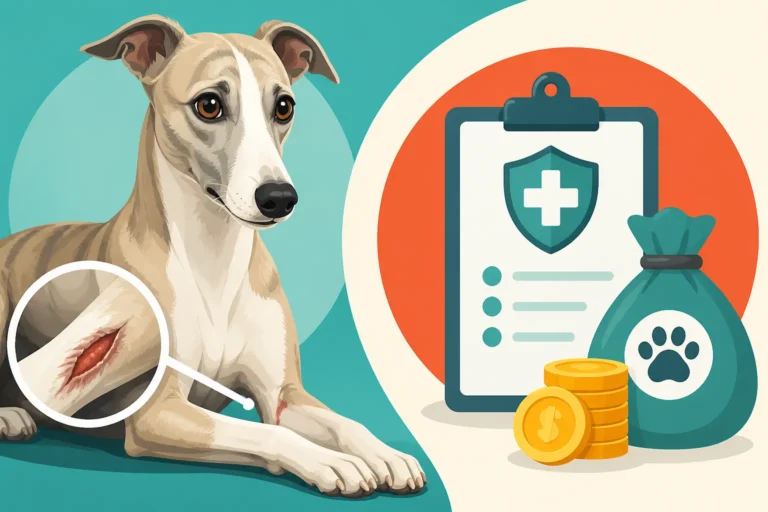
Accidents and Injuries: This is a big one. If your energetic Whippet puppy, known for its thin skin that sends it to the vet for stitches, tears itself on a fence or takes a tumble and breaks a leg, the health guarantee will not cover the veterinary costs. These are considered preventable or accidental occurrences, falling outside the scope of inherited health. Owners are responsible for providing a safe environment and responding to accidents. This is where a good pet insurance plan, like those offered by Healthy Paws, becomes invaluable for day-to-day emergencies.
-
Neglect or Abuse: Obviously, if a puppy's health issues are a direct result of neglect, abuse, or improper care in your home, the guarantee is void. This includes malnutrition, lack of vaccinations, or failure to follow veterinary advice. Breeders include these clauses to ensure their puppies continue to receive appropriate care after leaving their watch.
-
Common Illnesses and Parasites: Things like kennel cough, fleas, worms, or even giardia are common puppy ailments. While they can be unpleasant and require veterinary treatment, they are typically environmental in origin and not covered by a health guarantee. Most reputable breeders will deworm their puppies and provide initial vaccinations, but ongoing parasite control and routine vet care are your responsibility.
-
"Buyer's Remorse" or Temperament Issues: A health guarantee is precisely that – about health. It won't cover if you decide the Whippet isn't the right breed for your lifestyle, or if the puppy's temperament isn't what you expected. While a good breeder will help you pick a puppy with a suitable personality and offer lifetime support, the guarantee isn't for behavioral challenges.
-
Minor, Treatable, or Cosmetic Issues: A slight overbite, a misaligned tooth, or even a cherry eye might require veterinary attention but generally won't be covered unless it severely impacts the dog's health or ability to eat/see. Similarly, umbilical hernias, if small and easily repaired, are often excluded. The guarantee focuses on debilitating, life-threatening, or expensive-to-treat genetic conditions, not minor cosmetic flaws.
Time Limits and Obligatory Vet Visits
The timeframe of a health guarantee is critical, and it often comes with specific requirements that you, as the new owner, must adhere to.
-
Initial Veterinary Examination: Nearly all health guarantees require you to take your new Whippet puppy to a licensed veterinarian for a check-up within a very short window, typically 48 to 72 hours of purchase. This is non-negotiable. If you fail to do so, and a congenital defect is discovered later, your guarantee might be void. This initial visit establishes the puppy's health status at the time of transfer and is crucial for both you and the breeder.
-
Short-Term vs. Long-Term Guarantees: Guarantees often have a short-term component (e.g., 7-14 days) for general health, infectious diseases, and severe congenital defects. Then, they might have a longer-term component (e.g., 1-2 years) specifically for genetic diseases that manifest later. For severe conditions like Mitral Valve Disease, which tends to affect older Whippets, a guarantee on a puppy won't cover its development in old age. Always check the duration for each type of covered condition.
-
Ongoing Veterinary Care: To keep a health guarantee valid, you'll almost certainly be required to provide regular, preventative veterinary care throughout the covered period. This means annual check-ups, vaccinations, parasite control, and addressing any health concerns promptly. Failure to maintain a record of continuous veterinary care can invalidate your guarantee if a claim needs to be made. A breeder might request these records if a problem arises.
Navigating a Claim and Supplementing Your Coverage
Even with the best health guarantee, unexpected things can happen. Knowing how to navigate a potential claim and understanding how pet insurance can complement a guarantee are essential parts of responsible Whippet ownership.
Steps to Take When a Problem Arises
If you suspect your Whippet puppy has a condition covered by the health guarantee, a clear, calm, and documented approach is key.
-
Contact Your Veterinarian Immediately: This is always the first step. Get a professional diagnosis. Explain your concerns and ensure your vet understands the need for thorough documentation. If the issue is serious or complex, they might recommend a specialist, such as a veterinary cardiologist if it's a heart issue, or an ophthalmologist for eye disease in a Whippet.
-
Obtain Written Documentation: Ask your veterinarian for a written diagnosis, including all relevant test results (bloodwork, X-rays, DNA tests, etc.) that clearly state the condition and its congenital or genetic nature. This documentation is crucial for your claim. Ensure the vet's findings clearly support the type of condition covered in your breeder's guarantee. For example, if your puppy has specific bloodwork numbers that look wrong on a healthy Whippet, make sure the vet explains if this is a concern or a normal sighthound variation.
-
Notify Your Breeder Promptly: As soon as you have a diagnosis, or even if you just have strong suspicions, contact your breeder. Most guarantees have a notification clause requiring you to inform them within a specific timeframe after diagnosis. Do not delay. Provide them with all the veterinary documentation you've gathered. Open and honest communication is best here; remember, responsible breeders care deeply about the health of their lines and want to be aware of any issues.
-
Understand the Resolution Options: Health guarantees typically offer a few forms of recourse:
- Replacement Puppy: The breeder may offer a replacement puppy from a future litter once one becomes available. This is often the preferred option for severe, untreatable conditions.
- Partial or Full Refund: In some cases, especially if a replacement isn't feasible or desired, a partial or full refund of the purchase price might be offered. This is usually conditional on the severity of the issue and the terms of the contract.
- Financial Assistance: For treatable conditions, the breeder might offer financial assistance towards veterinary costs, up to a certain amount, rather than a full refund or replacement.
The specific options will be outlined in your contract.
The Role of Pet Insurance as a Safety Net
A health guarantee is fantastic for specific genetic and congenital issues, but it's not comprehensive pet insurance. Most guarantees won't cover accidents, common illnesses, or routine care. This is where pet insurance, from providers like Healthy Paws, comes in to cover a much broader spectrum of veterinary expenses.
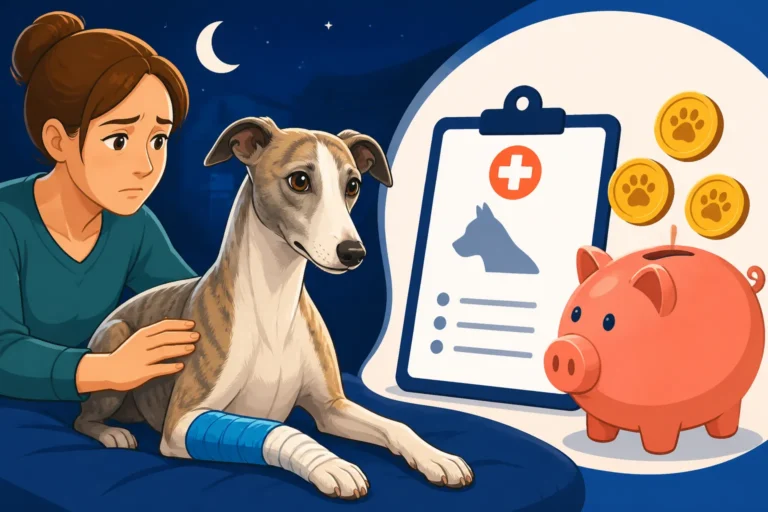
Think of it this way: a health guarantee is a safety net for specific inherited problems related to the breeder's responsibility. Pet insurance is a safety net for everything else that can happen to your Whippet throughout its life, from emergency stitches (which are unfortunately common due to a Whippet's thin skin) to cancer treatments in old age. Many Whippet owners choose to enroll their puppies in pet insurance early, as premiums can be lower, and it helps avoid pre-existing condition exclusions.
You might find some excellent comprehensive plans that cover everything from unexpected illnesses to emergency vet visits for that occasional lump worth checking on a Whippet. While a health guarantee provides initial reassurance, especially during the crucial first year, pet insurance is the long-term partner in managing the lifetime costs of caring for your Whippet, including routine care, unexpected injuries, and even the potential for something like Bloat in a Whippet. Brands like Ollie and Chewy also offer various pet health products and services, some of which may include or complement insurance plans.
Choosing a Reputable Breeder: The Best "Guarantee" of All
Ultimately, the most robust "health guarantee" you can get for your Whippet comes from choosing a truly reputable and ethical breeder. While a written contract is vital, a good breeder goes above and beyond the letter of the law.
-
Extensive Health Testing: A responsible breeder invests in health testing their breeding stock for relevant genetic conditions. They'll show you results for DNA tests (like for PFK or myostatin), eye certifications, and cardiac clearances for both parents. They will not shy away from discussing potential health issues in their lines. They understand that transparency is key, and they'll proudly share information about The Health Tests Both Whippet Parents Should Have.
-
Transparency and Open Communication: A good breeder is an open book. They'll answer all your questions, let you meet the puppy's parents, and discuss their breeding philosophy in detail. They won't pressure you and will want to ensure their puppies go to the right homes. They'll be a resource for you for the lifetime of your dog, not just until the check clears.
-
Lifetime Support: Many reputable breeders offer lifetime support, meaning they're available to answer questions, offer advice, or even take a dog back if circumstances change. This kind of ongoing relationship is invaluable and speaks volumes about their commitment. They understand that What Fourteen Years With a Whippet Comes To is a long journey, and they want to be a part of supporting it.
-
Well-Socialized Puppies: Healthy puppies are not just physically sound; they are also mentally and emotionally well-adjusted. A good breeder raises their puppies in a stimulating, loving environment, starting their socialization early. A well-adjusted puppy is less likely to develop stress-related health or behavioral issues.
By focusing your search on such breeders, you significantly reduce the likelihood of encountering serious health problems and gain a trusted partner in your Whippet ownership journey, making the formal health guarantee an added layer of security rather than your only line of defense.
Disclaimer
This article is for general informational purposes only and does not constitute professional advice. Laws, prices and regulations vary by location and change over time. Consult a qualified professional for guidance on your specific situation.