What a Show Bred Whippet Puppy Costs
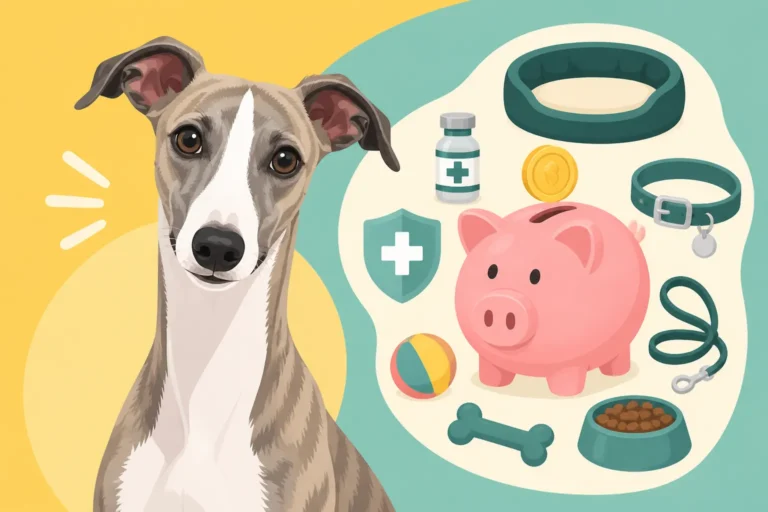
Thinking about bringing a show-bred Whippet puppy into your life can bring up a lot of questions, especially when it comes to the financial side of things. It's easy to assume all puppies cost roughly the same, but the reality is, there's a significant difference in price and ongoing commitment when you're looking at a dog bred specifically for the conformation ring. This guide will walk you through the various financial aspects of acquiring and raising a show-quality Whippet, from the initial purchase to the many considerations that follow.
The Initial Price Tag: Why Show-Bred Costs More
When you start researching Whippet puppies, you'll quickly notice a wide range in prices. A pet-quality puppy might be one figure, but a show-bred prospect often comes with a much higher initial investment. This isn't just arbitrary; it reflects the immense effort, expertise, and resources poured into creating a dog that embodies the breed standard. Breeders of show-quality Whippets are aiming for excellence, and that pursuit has a very real cost.
The "Show Prospect" Premium
A "show prospect" is a puppy that, at a young age, exhibits strong potential to excel in the conformation ring. This means the breeder believes it closely adheres to the Whippet breed standard in terms of structure, movement, temperament, and overall type. Identifying such a puppy takes an experienced eye, deep knowledge of the breed, and often involves evaluating the puppies over several weeks as they develop. This careful selection process adds a premium to the puppy's price because you're not just getting a companion; you're acquiring a potential representative of the breed, a future champion, or a foundation for a breeding program.
The commitment from the breeder doesn't end when you take the puppy home. Often, show prospect puppies come with mentorship, guidance, and support for your journey into the show world. This ongoing relationship and the breeder's expertise are invaluable, especially for newcomers, and are indirectly factored into that initial cost. It’s an investment in a dog that has the potential to achieve great things and contribute positively to the breed's future.
Regional Price Differences
Just like real estate or living expenses, the cost of a show-bred Whippet puppy can fluctuate depending on where you live. Breeders in areas with a higher cost of living, or regions where the Whippet breed is particularly popular and competitive in the show circuit, might have higher prices. Conversely, you might find slightly lower prices in less populated or less competitive areas, although the quality of the breeding program should always be your primary consideration.
It's also worth considering travel expenses if you decide to purchase a puppy from a breeder outside your immediate area. Sometimes, the best prospect for your goals might be a few states away, or even across the country. Factor in flights, gas, hotel stays, and time off work when calculating the total acquisition cost, as these can easily add hundreds or even thousands of dollars to the final figure. These are crucial details to consider when you're trying to figure out What a Whippet Puppy Costs in 2026.
The Impact of Pedigree and Titles
A significant part of a show-bred Whippet puppy's value comes from its pedigree. When you look at a puppy's lineage, you're not just seeing a list of names; you're seeing generations of carefully selected dogs, many of whom have earned championship titles in conformation, performance events, or both. These titles are not just ribbons and trophies; they are objective validation of a dog's quality against the breed standard and its abilities.
The parents, grandparents, and even great-grandparents having multiple titles (e.g., Grand Champion, Best in Show winners, National Specialty winners) demonstrates a consistent commitment to breeding excellence and health. This legacy of proven quality means a higher likelihood that the puppy will inherit those desirable traits. When you pay for a puppy with a prestigious pedigree, you're essentially paying for decades of selective breeding, health clearances, and the pursuit of ideal Whippet characteristics, which is a key differentiator from a standard pet price.
Beyond the Purchase Price: Hidden Costs to Consider
Bringing home a show-bred Whippet puppy is just the beginning of the financial journey. There are numerous expenses that kick in almost immediately, and it’s important to budget for these so you’re not caught off guard. These initial outlays are critical for setting your puppy up for a healthy, well-adjusted, and successful life, whether in the show ring or simply as a beloved family member.
Health Testing and Vet Visits Post-Purchase
Even if the breeder has done extensive health testing on the parents – which they absolutely should have, covering things like What an OFA Cardiac Exam Costs a Whippet Breeder or What an Eye Certification Costs a Whippet Breeder – your new puppy will still need its own routine veterinary care. This includes a comprehensive vet check-up shortly after you bring them home to ensure they are healthy and free from any immediate issues. You'll need to continue with their puppy vaccination series, regular deworming, and parasite prevention, which are typically ongoing costs.
Beyond routine care, you might consider additional diagnostic screenings as your show prospect matures. For instance, some owners opt for early cardiac screenings or further eye exams to solidify their understanding of the dog's health status, especially if they plan to eventually breed. These specialized vet visits can add up, but they are a vital part of responsible ownership and showing, ensuring your Whippet remains in peak condition.
Early Socialization and Training Expenses
A well-socialized and trained Whippet is a joy to live with and a much more confident competitor in the show ring. However, achieving this requires time, effort, and often, financial investment. Puppy classes are highly recommended for early socialization and basic obedience. These classes, taught by professional trainers, help your Whippet learn manners, expose them to new people and dogs in a controlled environment, and build a strong foundation for future training. The cost for these can vary depending on location and class structure.
As your puppy grows, you might invest in more advanced obedience classes or even specialized conformation handling classes. These teach your Whippet how to stack, gait, and present itself to a judge, which is crucial for success in the show ring. Beyond formal classes, there's the cost of training treats (and believe me, Whippets are often highly food-motivated!), special leashes, collars like a good martingale (as a flat collar can easily slip off their slender necks), and potentially professional grooming tools if you plan to do some of the upkeep yourself. Remember, positive reinforcement training is key for a sensitive breed like the Whippet, as harsh handling can ruin their confidence. This breed learns best when they're having fun, so invest in methods that build their trust.
Initial Supplies and Gear
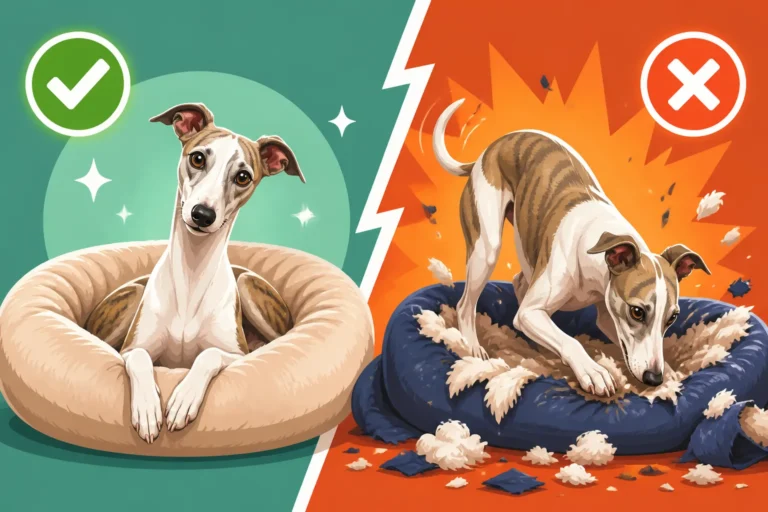
Preparing for a new puppy means stocking up on essentials, and for a Whippet, some of these items have particular considerations. For starters, you'll need high-quality food, and while Whippets are generally efficient eaters, choosing a reputable brand for their growth and development is important. Then there are essentials like food and water bowls, a comfortable bed (or several, because they love to burrow!), a crate for training and safe travel, and a variety of safe chew toys.
Whippets have very little body fat, so they feel the cold easily and often need a wardrobe, even indoors sometimes. You might find yourself quickly accumulating a collection of sweaters, coats, and pajamas. If you want to dive deeper into this, check out The Wardrobe a Whippet Needs Because It Has No Body Fat. Don't forget grooming supplies like a soft brush, nail clippers, and perhaps even a dremel. Factor in a collar and leash appropriate for a sighthound, as their narrow heads mean a standard buckle collar can slip off easily. Online retailers like Chewy often have great deals on bulk supplies, and many owners find themselves browsing Chewy for everything from dog food to new cozy blankets.
Understanding the Breeder's Investment: What You're Paying For
When you buy a show-bred Whippet puppy, a significant portion of the purchase price covers the substantial financial, emotional, and time investment the breeder has made. This isn't just about mating two dogs; it's a carefully planned process aimed at improving the breed, ensuring health, and producing well-tempered, conformationally sound puppies. Recognizing this investment helps you understand the value you're receiving.
Extensive Health Screening of Parents
Responsible breeders of show Whippets prioritize the health of their breeding stock. This means both the dam and sire undergo a battery of health tests to screen for genetic conditions common in the breed. These tests might include cardiac exams (OFA Echo or board-certified cardiologist), eye certifications (CERF or OFA Eye), and potentially DNA tests for conditions like Phosphofructokinase (PFK) Deficiency, even though it's relatively rare in Whippets. These screenings are not cheap, and they are often repeated annually or biennially for breeding dogs.
The cost of these health clearances is substantial and represents a commitment to producing healthy puppies. It's a proactive measure to minimize the risk of passing on hereditary diseases, giving puppies the best possible start in life. When you see a higher price for a show prospect, know that a portion of that covers the extensive, often lifelong, health monitoring of the parent dogs, a crucial step discussed in detail in posts like The Health Tests Both Whippet Parents Should Have.
Show Campaign Costs for Parent Dogs
For a Whippet to become a champion, it needs to be shown extensively in conformation events. This "show campaign" is incredibly expensive. Entry fees for dog shows, even local ones, add up quickly. If the breeder uses a professional handler, those fees can be very high, easily running into hundreds of dollars per show weekend, plus expenses for travel, lodging, and grooming. Some breeders choose to handle their own dogs, but even then, the travel and entry fees remain significant.
Think about all the weekends spent traveling, the gas, hotel rooms, meals on the road, and the time away from work or family. All of this contributes to the dog earning its championship, which then adds prestige and proven quality to the puppy's pedigree. This investment in proving the parents in the show ring is directly reflected in the value and price of their progeny. Breeders are essentially marketing the quality of their dogs through these campaigns, which then translates to higher demand and a justified higher price for their puppies.
Raising a Healthy Litter
Once a breeding takes place and puppies are on the way, the costs for the breeder continue to escalate. There are vet check-ups for the pregnant dam, potential ultrasound or X-ray imaging, and possibly special nutritional supplements. Whelping a litter can sometimes require veterinary intervention, incurring emergency costs. Then, for the first eight to twelve weeks of the puppies' lives, the breeder provides round-the-clock care, which is a massive time commitment.
Beyond the time, there are costs for puppy food, vaccinations, deworming, microchipping, and veterinary health checks for each individual puppy before they go to their new homes. Breeders also invest in enrichment for the puppies, providing appropriate toys, varied surfaces, and early socialization experiences to help them develop into confident, well-adjusted individuals. The cost of all these things, along with the stud fee paid to the sire's owner (which can be a substantial amount, as covered in What a Stud Fee Adds to a Whippet Litter), means that What Raising a Whippet Litter Costs is far from negligible.
Navigating Contracts and Guarantees
Bringing a show-bred Whippet puppy home almost always involves a detailed contract. These aren't just pieces of paper; they're legal agreements designed to protect the puppy, the buyer, and the breeder. Understanding the terms of these contracts is crucial, as they often outline responsibilities, expectations, and guarantees that can impact your ownership experience and future plans for your Whippet.
Understanding Co-Ownership Agreements
Sometimes, especially with top show prospects, a breeder might offer or require a co-ownership agreement. This means that both you and the breeder are listed as owners on the dog's registration papers. Co-ownerships are often established when the breeder wishes to retain some say in the dog's show career, future breeding plans, or to ensure the dog achieves its championship. While it might seem daunting, it can also be a fantastic opportunity for mentorship and support in the show world.
These agreements will detail who makes decisions regarding showing, breeding, and sometimes even day-to-day care. It's vital to have a clear understanding of all terms, responsibilities, and financial obligations before agreeing to a co-ownership. Discussing every clause thoroughly with the breeder is essential to ensure both parties are on the same page and to avoid any misunderstandings down the line. A strong co-ownership can be a highly beneficial relationship, providing you with invaluable guidance from an experienced breeder.
Health Guarantees and Return Policies
Reputable breeders almost always provide a health guarantee for their puppies. This guarantee typically covers genetic health issues for a certain period, often a year or two, sometimes longer for specific conditions. It signifies the breeder's confidence in the health of their breeding program and their commitment to standing behind their puppies. The specifics of what's covered, the timeline, and the remedies (e.g., replacement puppy, partial refund) will vary, so read this section of the contract carefully.
Additionally, most contracts will include a return policy, often stipulating that if you can no longer keep the dog at any point in its life, it must be returned to the breeder. This is a hallmark of a responsible breeder who wants to ensure their dogs never end up in shelters or rescues. While it's hopefully a clause you'll never need, it's a reassuring safety net for the dog's well-being. Knowing What a Whippet Health Guarantee Covers can provide immense peace of mind.
Spay/Neuter Clauses and Breeding Restrictions
For show prospects, contracts often include very specific clauses about breeding. If you're purchasing a puppy that isn't intended for breeding (even if it's a show prospect), the contract will likely stipulate that the dog must be spayed or neutered by a certain age. Even if you're acquiring a dog with breeding potential, there will almost certainly be restrictions on when and under what conditions it can be bred, often requiring it to achieve a championship and clear all health screenings first.
These clauses are in place to protect the breed and ensure that only healthy, well-conformed dogs are used in breeding programs. They help prevent indiscriminate breeding and contribute to the overall health and quality of future generations. Be prepared to honor these terms, as they are a fundamental part of a responsible breeder's ethics and commitment to the breed's future.
Long-Term Financial Planning for Your Show Whippet
The journey with a show-bred Whippet doesn't end after the puppy years or even after they achieve their championship. There's a continued financial commitment involved in maintaining their health, training, and participation in the show world throughout their life. This long-term planning is essential to ensure your Whippet thrives and continues to be a cherished member of your family and a credit to its breed.
Show Entries and Handler Fees
If you decide to actively pursue a show career for your Whippet, the costs will continue well beyond the puppy stage. Each dog show entry fee can be quite steep, and if you're traveling to larger, more prestigious shows or specialties, the associated travel and lodging expenses will add up. Many owners choose to hire a professional handler, especially for larger circuits or if they lack the experience or time to do it themselves. Whether a Whippet Owner Needs a Handler is a common question, and if you opt for one, these fees can be substantial, often calculated per show, per weekend, or even on a retainer.
Even if you handle your own dog, you'll still be paying for gas, hotel rooms, grooming products, and potentially special equipment like crates for show setups. Successfully campaigning a dog to its championship, and especially beyond to Grand Champion or other advanced titles, represents a significant financial investment over several years. It's a passion that demands dedication and a healthy budget.
Special Nutrition and Conditioning
Maintaining a show Whippet in peak physical condition requires careful attention to their nutrition and exercise. While Whippets are generally easy keepers, a dog actively competing in conformation needs to look its absolute best – muscular, lean, and with a gleaming coat. This might mean selecting premium dog food, potentially with added supplements to support joint health, coat quality, or energy levels. Brands like Ollie, known for fresh, human-grade dog food, might appeal to owners looking for specialized nutrition, though these options typically come at a higher price point.
Beyond food, a show Whippet needs a consistent exercise regimen to maintain muscle tone and athleticism without over-exertion or injury. This could involve regular running in a safely fenced area, conditioning exercises, or even participation in lure coursing or Fast CAT events to keep them fit. While these activities themselves have costs (e.g., entry fees, equipment), the underlying goal is to keep your Whippet healthy and looking their best for the ring, which means a commitment to their physical well-being. For more on fueling an athletic Whippet, consider reading Feeding a Whippet That Sprints and Then Sleeps.
Insurance and Emergency Funds
Even with the best breeding and care, dogs can face unexpected health issues or accidents. Investing in pet insurance is a wise decision for any dog owner, but especially for those with show dogs where health and soundness are paramount. Monthly premiums for pet insurance can vary widely based on your location, the plan's coverage, deductible, and reimbursement percentages. Companies like Healthy Paws are popular choices among pet owners, offering various plans. It's worth comparing different providers to find a plan that suits your budget and needs, especially as What Insuring a Whippet Costs Monthly can be a significant recurring expense.
Beyond insurance, it's always prudent to have an emergency fund specifically for your Whippet. This fund can cover deductibles, co-pays, or expenses not fully covered by insurance, such as specialized veterinary treatments, emergency surgeries, or therapies for common Whippet issues like skin tears or unexpected injuries. Regular vet check-ups, dental cleanings (which can be quite an expense, see What a Whippet's Dental Cleaning Costs), and preventative care also need to be budgeted for throughout your Whippet's entire life. Ultimately, truly understanding The Full Cost of Fourteen Years With a Whippet means planning for both the expected and the unexpected.
Summary of Whippet Puppy Costs
To give you a clearer picture, here's a general breakdown of potential initial and ongoing costs associated with a show-bred Whippet puppy. Please remember these are broad estimates, and actual prices will vary greatly depending on breeder, region, and individual choices.
| Cost Category | Description | Estimated Initial Range (USD) | Estimated Annual Range (USD) |
|---|---|---|---|
| Purchase Price (Show Prospect) | Initial cost for the puppy from a reputable show breeder | $2,000 – $4,000+ | N/A |
| Initial Vet Care | First vet check, vaccinations, deworming, microchip | $200 – $500 | N/A |
| Initial Supplies | Crate, beds, bowls, leash, collar, toys, first bag of food, coats | $300 – $800 | N/A |
| Training Classes | Puppy kindergarten, basic obedience, introduction to conformation handling | $150 – $400 | N/A |
| Food & Treats | High-quality kibble, fresh food options (e.g., Ollie), training treats | N/A | $400 – $1,000+ |
| Pet Insurance | Monthly premiums for accident & illness coverage (e.g., Healthy Paws) | N/A | $400 – $800+ |
| Routine Vet Care | Annual check-ups, vaccinations, parasite prevention | N/A | $200 – $500 |
| Show Entry Fees (Active Campaign) | Per show entries, potentially for multiple shows | N/A | $500 – $3,000+ |
| Professional Handler Fees | If utilizing a handler for showing (highly variable) | N/A | $2,000 – $10,000+ |
| Grooming/Bathing Supplies | Shampoo, brushes, nail care tools | $50 – $150 | $50 – $100 |
| Miscellaneous (Toys, etc.) | Replacements, new enrichment items | N/A | $100 – $300 |
Disclaimer
This article is for general informational purposes only and does not constitute professional advice. Laws, prices and regulations vary by location and change over time. Consult a qualified professional for guidance on your specific situation.