What Repairing a Whippet’s Skin Tear Costs
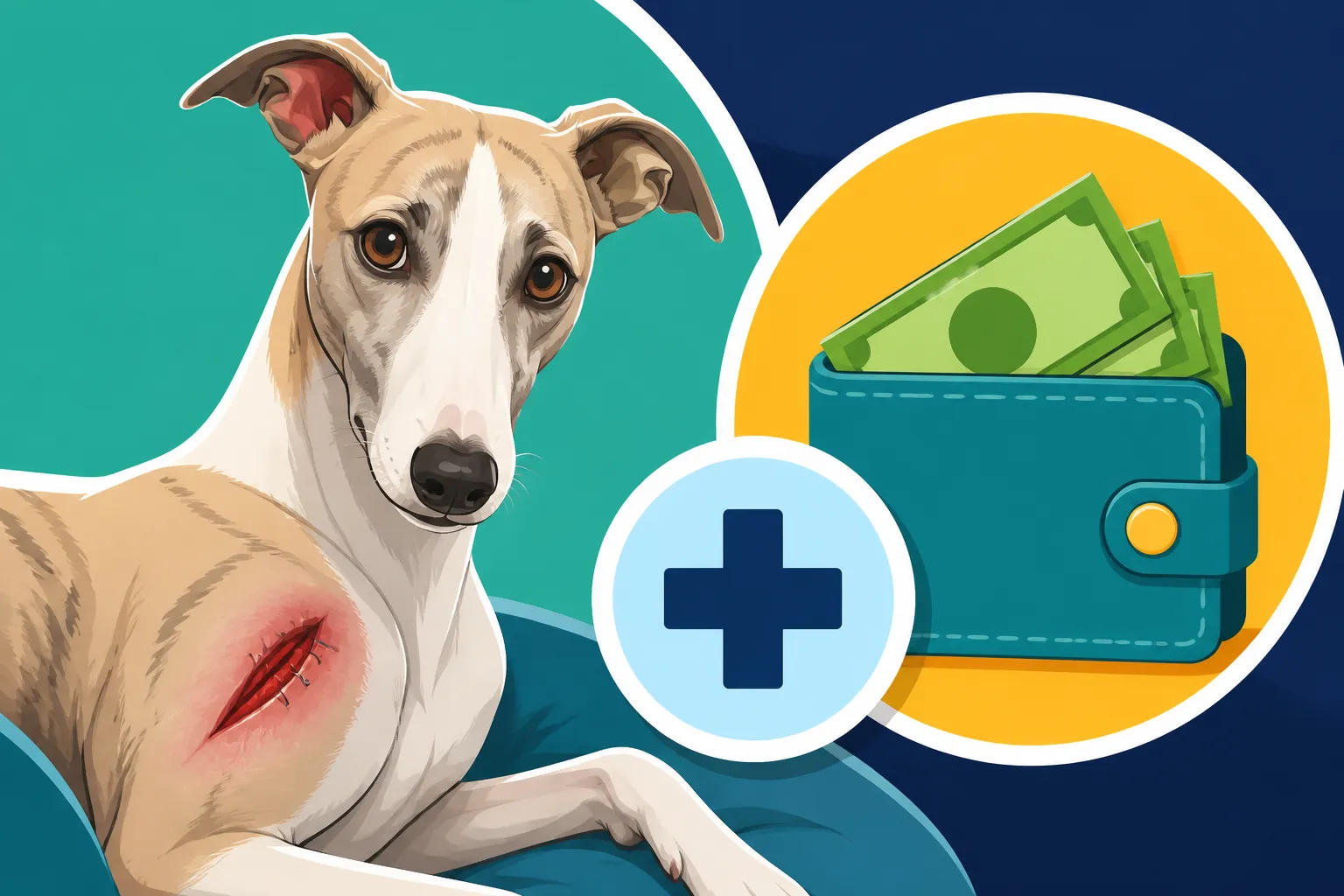
There are few things that make a Whippet owner's heart drop faster than spotting that tell-tale flap of skin. Our Whippets, with their beautiful, fine coats and delicate skin, are prone to tears and lacerations that can happen in the blink of an eye, turning a joyful romp into an immediate crisis. The initial shock is often followed by a wave of anxiety about getting them proper care, and let's be honest, a gnawing worry about the vet bill that's inevitably coming. This comprehensive guide will walk you through the various costs associated with repairing a Whippet's skin tear, from the urgent emergency visit to the follow-up care, helping you understand what to expect when these unfortunate accidents occur.
The Immediate Aftermath: Emergency Visit Costs
When your Whippet sustains a skin tear, your first thought is usually rushing to the vet. This immediate action is crucial, but it often comes with a different price tag than a routine check-up. The circumstances surrounding that first visit play a huge role in the initial costs you'll face.
Initial Examination and Triage
That first moment you arrive at the vet, especially if it's an emergency clinic or after hours, sets the stage for the bill. Emergency vet visits typically carry a higher base fee compared to a scheduled appointment with your regular veterinarian. This isn't just because of the urgency; it's also due to the specialized staffing and equipment available around the clock. The initial examination will involve a veterinarian assessing the wound's severity, location, and potential depth, checking for any foreign bodies, and generally evaluating your Whippet's overall condition to ensure there are no other injuries or signs of shock. They’ll need to determine if your dog is in pain, if there’s significant bleeding, or if other concerns need addressing immediately.
Think of it like this: if your Whippet snags its leg on a sharp branch during a morning walk, and you can get them to your regular vet during business hours, the initial consultation fee might be moderate. However, if that same incident happens late on a Saturday night, and you're heading to an emergency veterinary hospital, the base emergency exam fee will almost certainly be substantially higher. These clinics are lifesavers, providing critical care when your primary vet is closed, but that convenience and immediate availability come at a premium. Factors like your geographic location, whether you're in a bustling city or a more rural area, also influence these base charges.
Sedation or Anesthesia for Assessment
Here's where things can get a bit more involved, and often, more costly. A Whippet, even the sweetest one, can be in considerable pain or very stressed after a skin tear. It’s hard for a vet to properly clean, assess, and prepare a wound for closure if your dog is squirming, biting, or just plain terrified. Because of this, sedation is often necessary just to get a good look at the full extent of the damage. This isn't just about making your dog comfortable; it's about allowing the vet to do their job thoroughly and safely, both for your dog and for themselves.
For our sighthound friends, there’s an added layer of consideration: Why a Whippet Needs a Sighthound Anesthesia Protocol. Whippets, like other sighthounds, metabolize anesthetic drugs differently and can be much more sensitive to them. This means the veterinary team needs to be extra cautious and use specific protocols and drugs that are safer for their unique physiology. Pre-anesthetic bloodwork is almost always recommended to ensure your Whippet's organs are functioning well enough to handle the medication, and careful monitoring throughout the sedation or anesthesia is paramount. All of these precautions – the specialized drugs, the blood tests, the dedicated technician monitoring heart rate, blood pressure, and oxygen levels – contribute to the overall cost. You might also want to understand What Sedation Adds to a Whippet's Wound Repair when considering the bill.
Understanding the Repair: Procedure Costs
Once your Whippet has been stabilized and the wound assessed, the next step is the actual repair. The cost of this procedure can vary widely depending on the nature of the tear and the chosen method of closure.
Simple Laceration Closure Stitches vs. Glue
For a clean, straight cut that isn't too deep and hasn't been contaminated by dirt or debris, a simple closure might be sufficient. This typically involves shaving the area, thoroughly cleaning the wound, and then closing it with surgical staples or sutures (stitches). The vet will use local anesthetic in the area, or if your Whippet is already sedated, they’ll ensure they're comfortable. The cost here covers the vet's time, the sterile supplies (sutures, needles, drapes), and any additional local pain relief.
Sometimes, for very superficial or small tears that aren't under much tension, a veterinary tissue adhesive (glue) might be an option. This is usually less invasive and quicker than stitches, and consequently, often less expensive. However, glue isn’t suitable for all wounds, especially deeper ones or those that need to withstand a lot of movement. Your vet will advise on Whether a Whippet's Wound Needs Glue or Stitches based on the specific injury. A simple closure, while still a medical procedure, is generally on the lower end of the surgical cost spectrum for skin tears.
Complex Wound Repair and Debridement
Unfortunately, not all skin tears are neat and tidy. Whippets are prone to tearing their delicate skin on things like sharp edges, running through brush, or even just bumping into furniture a bit too hard. These incidents can result in jagged, deep, or contaminated wounds that require more extensive work. This is where "debridement" comes in – the careful removal of any dead, damaged, or contaminated tissue from the wound. This step is absolutely critical for proper healing and to prevent infection. Without debridement, the wound may not close cleanly, or it could fester and lead to a much larger problem.
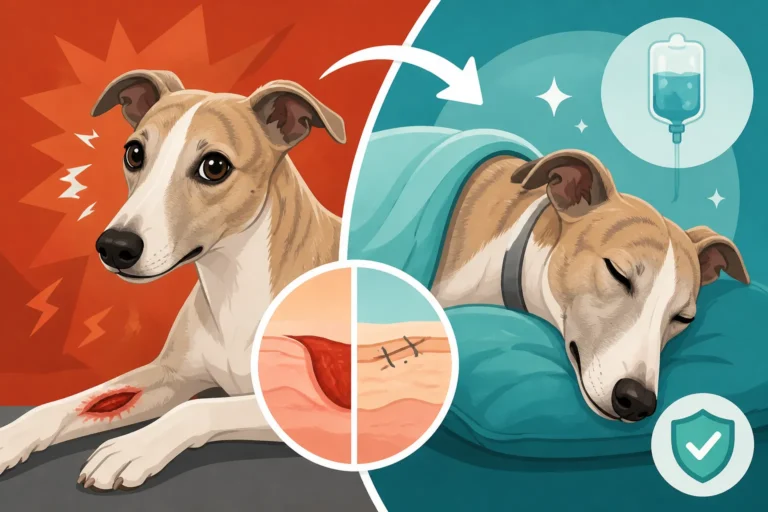
Complex repairs often mean your Whippet will need full anesthesia, not just sedation, to allow the vet to work meticulously and ensure all damaged tissue is removed and the wound edges are healthy. This could involve several layers of stitches to close deeper muscle or fat layers before the skin is addressed. Sometimes, if there’s a lot of dead space or if infection is a concern, a surgical drain might be placed to allow fluids to escape, which will need to be removed later. These more intricate procedures take more time, more specialized supplies, and greater surgical skill, all of which contribute to a significantly higher cost. For a deeper dive into the overall procedure, you might find it helpful to read about Treating a Whippet's Skin Tear.
Anesthesia and Monitoring During Surgery
Regardless of whether the repair is simple or complex, if your Whippet requires anesthesia, a substantial portion of the bill will be dedicated to ensuring their safety throughout the procedure. As we discussed, Whippets have specific needs when it comes to anesthesia. The cost for this segment includes the anesthetic drugs themselves, which can vary in price depending on the type and dosage. It also covers the use of specialized gas machines if inhalant anesthesia is used.
Crucially, it encompasses the vital role of the veterinary technician who will be dedicated solely to monitoring your Whippet during the entire procedure. They'll be watching heart rate, respiratory rate, blood pressure, oxygen saturation, and body temperature. Maintaining a Whippet’s body temperature, for example, is especially important, as they have little body fat to insulate them and can get cold quickly under anesthesia. All the equipment used for this monitoring, from pulse oximeters to blood pressure cuffs, is specialized and requires maintenance, which is factored into the cost. This level of dedicated care and equipment is essential for minimizing risk in our sensitive sighthounds, and it's a non-negotiable part of a safe surgical experience.
Post-Procedure Care and Ongoing Costs
The initial vet visit and repair are often just the beginning. Proper post-procedure care is vital for your Whippet's recovery and to prevent complications, and these follow-up steps also add to the overall expense.
Medications and Pain Management
After any wound repair, your Whippet will almost certainly be sent home with a course of medications. The most common will be antibiotics, especially if the wound was contaminated or deep. The type, dosage, and duration of antibiotics will depend on the severity of the wound and your vet’s assessment, and the cost will vary accordingly. It's critical to complete the full course as prescribed, even if the wound looks much better quickly, to prevent resistant infections.
Pain relief is another non-negotiable. Your Whippet will likely receive a prescription for an anti-inflammatory medication (like an NSAID) to manage discomfort and reduce swelling. In some cases, for particularly painful or extensive repairs, stronger pain medications might be prescribed initially. These medications are crucial for your dog’s comfort and can help prevent them from licking or bothering the wound, which could lead to further complications. Always discuss any concerns about pain management with your vet, and never give human pain medications to your dog without explicit veterinary instruction.
Bandages, Cones, and Protective Gear
Depending on the wound's location and severity, your Whippet might leave the clinic with a bandage. These initial bandages are expertly applied to protect the wound, absorb any drainage, and provide light compression. However, bandages can get wet, dirty, or dislodged, meaning they might need to be changed by your vet, or you might be instructed on how to do minor changes at home. If you're doing changes at home, you'll need supplies like sterile pads, vet wrap, and tape, which you can often purchase from your vet or pet supply stores like Chewy.
And then there's the infamous "cone of shame," or E-collar. This plastic lampshade is often essential to prevent your Whippet from licking, chewing, or scratching at their stitches, which could lead to infection or reopening the wound. While traditional plastic cones are effective, they can be cumbersome for a Whippet trying to navigate doorways or sleep comfortably. Many owners opt for softer, inflatable collars or even medical recovery suits (sometimes called "recovery onesies") as alternatives. These often come at an additional cost but can significantly improve your dog's comfort during recovery. For more on this, check out Whether a Whippet Should Wear a Cone After Stitches.
Follow-up Appointments and Rechecks
Your vet won't just send your Whippet home and forget about them. There will be scheduled follow-up appointments to monitor the healing process. Typically, this includes a visit to have any external sutures or staples removed, usually 10-14 days after the procedure. During these visits, the vet will carefully examine the wound, ensure it's healing properly, and check for any signs of infection or complications.
Sometimes, if the wound was particularly nasty, or if healing isn't progressing as expected, additional recheck appointments might be necessary. Each of these visits will incur a consultation fee, similar to your initial regular vet visit. These follow-ups are crucial, as a seemingly healed wound can sometimes hide underlying issues that only a professional eye can spot. They ensure that your Whippet gets the best chance at a full and uncomplicated recovery. It's important to understand Whether a Whippet Needs Repeat Wound Checks to ensure proper healing.
Factors Influencing the Total Bill
It’s frustrating when you ask for a cost estimate and get a wide range, but the truth is, many variables genuinely impact the final bill for a Whippet’s skin tear repair.
Location and Clinic Type
Where you live and which veterinary clinic you visit can make a significant difference in the price. Veterinary services in major metropolitan areas, for instance, often come with higher price tags than those in smaller towns or rural communities, reflecting the higher cost of living, rent, and staff wages in those regions. An emergency veterinary hospital, with its 24/7 staffing, specialized equipment, and immediate availability, will almost always charge more than your local general practice vet. This is especially true for What an After Hours Vet Visit Costs for a Whippet, which can carry a substantial premium simply due to the time of day.
Furthermore, if your Whippet’s injury is particularly complex or involves a specialized area (like near an eye or a joint), your vet might recommend a referral to a veterinary surgeon or specialist. While specialists offer unparalleled expertise, their services naturally command higher fees. It’s always worth asking your vet for a rough estimate before agreeing to treatments, and don't hesitate to ask if there are different options available at varying price points, though sometimes, a specialist is truly the best or only option.
Severity, Size, and Contamination of the Wound
This is perhaps the biggest variable of all. A small, clean cut on a less sensitive area will be much less expensive to repair than a large, deep, jagged tear that’s full of dirt and debris. Consider the difference between a minor scrape that just needs a couple of sutures versus a full-blown degloving injury where a large section of skin has been ripped away. The latter would require extensive debridement, potentially multiple layers of sutures, and meticulous care, all under general anesthesia for an extended period.
Contamination is also a huge factor. A dirty wound dramatically increases the risk of infection, often necessitating longer courses of antibiotics, more frequent bandage changes, and closer monitoring. Foreign bodies embedded in the wound, like gravel or wood splinters, must be carefully removed, adding to surgical time and complexity. The thin, delicate skin of a Whippet means even seemingly minor incidents can result in surprisingly deep or extensive tears, making it crucial to understand The Thin Skin That Sends a Whippet to the Vet for Stitches and how it impacts the required care.
Potential Complications and Extended Care
The hope is always for a straightforward recovery, but complications can and do happen, especially with wounds. Infection is a common concern, even with proper cleaning and antibiotics. If a wound becomes infected, it can necessitate additional vet visits, different or stronger antibiotics, and potentially further cleaning procedures. This obviously drives up the cost.
Another potential issue is dehiscence, where the wound edges pull apart and the stitches fail. This can happen if your Whippet is too active, if they manage to chew at the wound, or if there’s simply too much tension on the skin. Dehiscence almost always requires a second surgical procedure to re-close the wound, doubling or even tripling the initial repair costs. Slow healing is also a concern for Whippets, as discussed in How Slowly a Whippet's Skin Heals, and prolonged healing means extended medication, bandage changes, and follow-up care. These unforeseen complications can significantly inflate the final bill, turning an already stressful situation into a major financial burden.
Managing the Financial Impact
Facing an unexpected vet bill for a skin tear can be daunting, but there are ways to prepare for and manage these costs. Being proactive can make all the difference.
Pet Insurance and Accident Coverage
One of the most effective ways to mitigate the financial shock of a sudden injury like a skin tear is pet insurance. Many pet insurance plans offer accident-only coverage, which can be a more affordable option if you're primarily concerned about emergencies rather than routine care or chronic conditions. These plans typically cover emergency vet visits, surgical procedures (including anesthesia and sutures), medications, and even follow-up care related to an accidental injury. When researching options, look for providers like Healthy Paws, who are known for their strong reimbursement rates, though you'll always want to check their specific policy details and what your deductible would be.
It's crucial to enroll your Whippet in a pet insurance plan before an accident happens, as pre-existing conditions are rarely covered. Understanding Whether Insurance Covers a Whippet's Emergency Stitches is a key consideration for any Whippet owner. While there's a monthly premium, the peace of mind knowing that a significant portion of a large vet bill could be reimbursed can be invaluable when an emergency strikes. Always compare different plans, deductibles, and reimbursement percentages to find one that fits your budget and offers adequate coverage for your Whippet's specific needs.
Emergency Funds and Payment Plans
Even with pet insurance, there will likely be deductibles and co-pays, so having an emergency savings fund specifically for your pet is a smart move. Setting aside a small amount each month can build up a cushion for unexpected vet expenses. This fund can cover deductibles, medications not fully covered by insurance, or procedures if you don't have insurance at all. It also gives you flexibility if a payment plan isn't immediately available.
Many veterinary clinics understand that pet emergencies can create financial strain and may offer payment options. It's always worth asking if they have in-house payment plans, or if they partner with third-party financing services like CareCredit. These services allow you to pay off your vet bill in installments, often with low or no interest for a promotional period, which can be a lifesaver when you’re facing a large, unexpected expense. Don't be afraid to discuss your financial concerns with your vet's office staff; they often have resources and solutions to help.
Home Care Supplies and Prevention
While you can't prevent every accident, being prepared for minor injuries and taking preventive measures can sometimes save you a trip to the emergency vet or reduce the severity of a wound. Every Whippet owner should have a basic Whether a Whippet Owner Should Keep a First Aid Kit on hand. This kit should include things like antiseptic wipes (non-stinging), gauze pads, medical tape, and vet wrap. For very minor scrapes, you might be able to provide initial care at home, but always consult your vet for anything more than a superficial scratch, especially given a Whippet's thin skin.
Prevention also plays a role. Consider protective clothing, like lightweight coats or vests, for your Whippet when they're running through brush or in areas with potential hazards. While it might seem excessive, these layers can offer a surprising amount of protection against scrapes and tears. Additionally, ensuring your Whippet is on a good, balanced diet, perhaps with high-quality ingredients from brands like Ollie or by supplementing with high-quality nutrients from Chewy, can contribute to overall skin health and healing capacity, though it won't prevent injuries entirely. Being mindful of their environment and proactively addressing potential hazards around the house or yard can also reduce the risk of accidents.
Disclaimer
This article is for general informational purposes only and does not constitute professional advice. Laws, prices and regulations vary by location and change over time. Consult a qualified professional for guidance on your specific situation.