What a Sighthound Vet Costs Over a Whippet’s Life
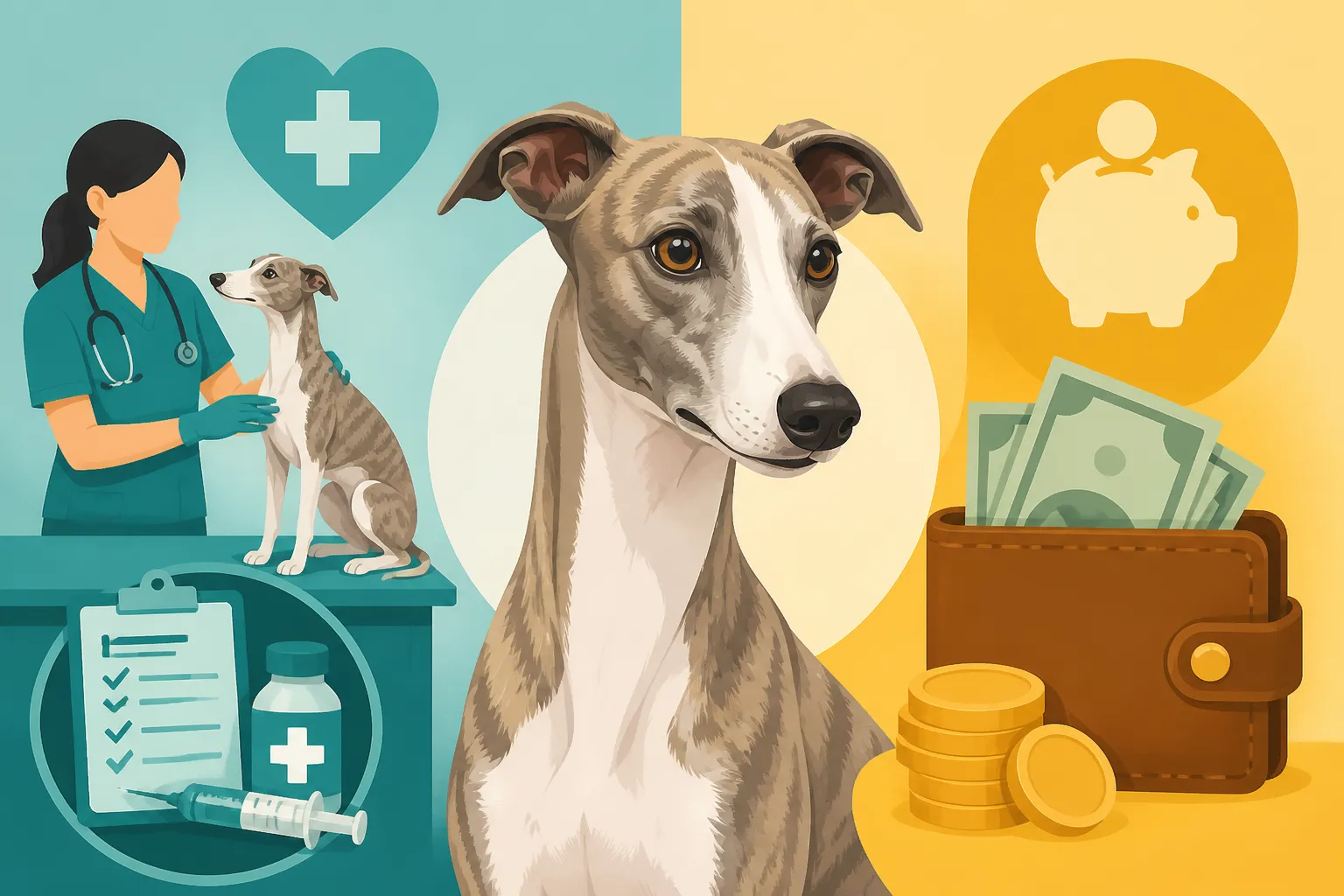
One of the biggest anxieties for any Whippet owner, new or experienced, often revolves around the unpredictable and sometimes hefty costs of veterinary care. It’s not just the initial adoption fee or the daily food bill; it’s that gnawing worry about what happens when your slender, sensitive sighthound needs medical attention. This comprehensive guide will walk you through the various financial aspects of veterinary care for a Whippet over its entire lifespan, from the routine check-ups to those heart-stopping emergencies, helping you understand what to expect and how to prepare.
Understanding the "Sighthound Vet" Difference
Bringing a Whippet into your life means embracing a dog with a unique physiology, and that uniqueness extends to their veterinary needs. It’s not that Whippets are inherently sicker than other breeds; it’s that their specific traits require a particular understanding from medical professionals. Many a Whippet owner has walked into a general practice only to find their vet scratching their head over seemingly "off" bloodwork or unusual reactions to common medications.
Unique Physiological Traits Impacting Vet Care
Whippets are not just small Greyhounds; they have their own set of characteristics that make them stand out. Their lean body mass, minimal body fat, and efficient metabolism are all part of what makes them such incredible athletes, but these same traits can influence how they respond to anesthesia, medication, and even stress. For instance, their lower body fat means they can get cold very quickly during surgical procedures, making active warming during and after surgery absolutely critical. You might notice your vet paying extra attention to monitoring their temperature, which can sometimes involve specialized equipment and more intensive post-operative care.
Beyond their metabolism, Whippets often have very thin skin, which, combined with their playful, darting nature, means they are unfortunately prone to nicks, scrapes, and deeper lacerations. What might be a minor scuff on a thicker-skinned dog can be a significant tear requiring veterinary attention for a Whippet. This isn't just a matter of aesthetics; these injuries can become infected quickly and often need prompt medical intervention, sometimes involving stitches or special wound care, which adds to the overall cost of ownership. The common frustration is that these seemingly minor incidents can quickly escalate into emergency vet visits.
The Importance of Sighthound-Savvy Protocols
Because of these unique physiological quirks, a cookie-cutter approach to veterinary medicine simply won't do for a Whippet. Sighthounds, in general, are known to react differently to certain medications, especially anesthetics. Traditional anesthetic agents, particularly older ones like thiobarbiturates, can stay in a sighthound's system much longer due to their lean body mass, leading to prolonged recovery times and potential complications. This is why a specific protocol, known as a sighthound anesthesia protocol, is vital. Your vet should be aware of suitable alternatives, like propofol or isoflurane, and be prepared to manage their slow wake-up process.
This specialized understanding also extends to routine bloodwork. Many Whippet owners have experienced the panic of seeing their dog's blood test results with numbers that look concerning if interpreted against standard canine reference ranges. For example, a healthy Whippet's red blood cell count often runs higher than other breeds, while their thyroid levels might appear unusually low, and their creatinine can be higher due to their athletic build. If your vet isn't familiar with these breed-specific norms, they might recommend unnecessary and costly further diagnostics or treatments based on what looks "abnormal" for a typical dog. This is where The Bloodwork Numbers That Look Wrong on a Healthy Whippet becomes a critical piece of knowledge for any owner.
Finding a Vet Who "Gets" Your Whippet
The quest for a "sighthound vet" isn't about finding a niche specialist in every town, but rather a general practitioner who is either already knowledgeable about sighthound physiology or is willing to learn and consult. You might find yourself asking specific questions during your initial visits, such as "Are you familiar with sighthound anesthesia protocols?" or "Do you have experience with Whippets and their specific blood panel interpretations?" It's not rude; it's responsible ownership.
Sometimes, finding such a vet means driving a bit further or asking for recommendations within local Whippet clubs or online communities. While you might not find a dedicated "sighthound clinic" on every corner, many vets in areas with active sighthound communities gain this expertise through experience. The cost implications here aren't just about the fees themselves, but about potentially avoiding unnecessary tests, treatments, and complications that could arise from a lack of breed-specific knowledge. Investing time in finding the right vet can save you considerable worry and money in the long run.
The Foundation: Puppy & Annual Preventative Care Costs
Just like with any breed, the early years and ongoing preventative care form the baseline of your Whippet’s veterinary expenses. These are the predictable costs that, while they can add up, are essential for setting your Whippet up for a long and healthy life. Skipping these crucial steps can lead to far more expensive problems down the line.
Initial Puppy Vet Visits and Vaccinations
Bringing home a Whippet puppy is an exciting time, but it kicks off a series of mandatory vet visits. Puppies typically need several rounds of vaccinations to protect them from common and dangerous diseases like distemper, parvovirus, and rabies. These initial visits also include thorough physical examinations to check for any congenital issues, discuss nutrition, and start a parasite prevention plan. Your vet will monitor their growth, check their heart and lungs, and ensure they're developing properly.
Beyond the vaccinations, these early appointments are invaluable for establishing a relationship with your vet and asking all those first-time puppy owner questions, from house training tips to dietary concerns. Each visit typically involves an exam fee plus the cost of each vaccine administered. Depending on your location and the clinic, a full series of puppy vaccinations and check-ups can represent a significant upfront investment, spread out over a few months, often before they even reach six months old.
Routine Annual Check-ups and Screenings
Once your Whippet is past puppyhood, annual wellness exams become the cornerstone of their preventative care. Even if your Whippet seems perfectly healthy, these yearly visits are crucial for detecting subtle changes that might indicate an emerging health issue. Your vet will perform a comprehensive physical exam, checking everything from their teeth and ears to their heart and joints. They’ll also discuss their diet, exercise, and any behavioral changes you might have noticed.
Many annual visits include routine vaccinations, such as boosters for distemper/parvo and rabies, as mandated by law in most areas. Often, vets will also recommend annual fecal exams to check for intestinal parasites and heartworm tests, especially if your Whippet is on monthly preventatives. Some clinics offer discounted wellness packages that bundle these services, which can be a cost-effective option. These routine visits are an opportunity to catch problems early, which can often mean simpler, less invasive, and less expensive treatments.
Parasite Prevention and Dental Care
A significant ongoing cost, often overlooked in the budgeting phase, is consistent parasite prevention. This includes monthly medications for heartworm, fleas, and ticks. Given that Whippets spend time outdoors, even if just in your yard, and can interact with other animals, these preventatives are non-negotiable for their health. The cost of these medications varies by brand and your Whippet's weight, but it's a recurring expense throughout their life. Many owners opt for combination products to simplify administration.
Dental care is another critical, often underestimated, aspect of preventative health. Whippets, like many sighthounds, are prone to developing dental disease early in life. Their narrow jaws can sometimes lead to crowded teeth, making them more susceptible to tartar buildup and gum disease. Regular brushing at home is ideal, but most Whippets will eventually need professional dental cleanings under anesthesia. What a Whippet's Dental Cleaning Costs can be substantial, as it involves not just the cleaning itself but also pre-anesthetic bloodwork, anesthesia monitoring, and potentially extractions. Ignoring dental health can lead to painful infections, tooth loss, and even systemic health issues, turning a preventative cleaning into an emergency procedure.
Unexpected Costs: Accidents and Illnesses
While we hope our Whippets live long, healthy lives free from incident, the reality is that accidents and illnesses are an inevitable part of pet ownership. These are the costs that can hit hard and fast, often without warning, requiring immediate financial decisions.
The Reality of Whippet Skin Tears and Injuries
As mentioned earlier, Whippets have incredibly thin, delicate skin, especially over bony prominences. This isn't a flaw; it's simply a characteristic of their breed, making them more susceptible to skin tears from seemingly innocuous events. A brush with a thorny bush, a misjudged leap onto furniture, or even a rough tumble during play with another dog can result in a laceration that needs immediate veterinary attention. These aren't always superficial scratches; they can be deep, requiring careful cleaning, debridement, and often stitches.
The cost for these "emergency stitches" can range significantly depending on the size, depth, and location of the wound, whether sedation or anesthesia is required, and if it's during regular office hours or an emergency after-hours visit. Often, these injuries require follow-up visits to check healing and remove sutures. It’s a recurring theme among Whippet owners, so much so that Emergency Stitches: the Whippet Bill Nobody Budgets For is a common lament. Having a well-stocked first-aid kit at home and knowing when to rush to the vet is key, but prevention through careful supervision and dog-proofing your environment can save a lot of heartache and expense.
Emergency Anesthesia and Surgical Needs
Beyond skin tears, Whippets can face other emergencies requiring surgery and anesthesia. This could be anything from a broken bone (though less common than you might think given their agility, it can happen), an intestinal blockage from ingesting something they shouldn't have, or a more serious internal injury. In these situations, the costs can escalate rapidly. Emergency diagnostics like X-rays or ultrasound, stabilization procedures, the surgery itself, and post-operative monitoring and medications all contribute to a hefty bill.
The good news is that vets familiar with sighthound anesthesia protocols are typically well-equipped to handle these situations. However, the complexity of an emergency, combined with the specialized care required, means these are almost always among the highest vet bills you’ll ever face. For instance, Why a Whippet Needs a Sighthound Anesthesia Protocol details the necessity of careful drug selection and monitoring to ensure a safe outcome, all of which contribute to the overall cost of a surgical procedure.
Diagnosing and Managing Common Whippet Health Concerns
While generally a healthy breed, Whippets aren't immune to certain health issues that can pop up. Beyond the immediate emergencies, you might encounter costs associated with diagnosing and managing chronic conditions. This could involve, for example, investigating persistent lameness, allergies, or gastrointestinal upset. Diagnostic tests might include blood panels, urinalysis, specialized imaging (like MRI or CT scans), biopsies, or referral to a specialist.
Once a diagnosis is made, ongoing management can incur costs for prescription medications, special diets, physical therapy, or regular monitoring appointments. For example, if your Whippet develops a condition like Phosphofructokinase (PFK) Deficiency, understanding What Phosphofructokinase Deficiency Does to a Whippet is crucial, and while there's no cure, managing episodes and ensuring a good quality of life involves careful attention and potentially supportive therapies. These long-term management plans represent an ongoing financial commitment that many owners don't fully anticipate until they're facing it.
Specialized Care: When Things Get More Complex
Sometimes, a Whippet's health needs extend beyond the scope of general practice, requiring specialized knowledge, equipment, and advanced procedures. These are often the most costly aspects of veterinary care but can be life-saving or significantly improve quality of life.
Cardiac Health and Screenings
Whippets, like many sighthounds, are known for their naturally large, athletic hearts. While a larger heart is normal for them, some Whippets can develop cardiac conditions, particularly as they age. Mitral Valve Disease is unfortunately a common concern for older Whippets, often being Mitral Valve Disease Is What Ends Most Old Whippets. Early detection is key to managing such conditions and maintaining quality of life for as long as possible.
Routine cardiac screenings, especially as your Whippet enters its senior years, might be recommended. This often involves auscultation by your regular vet to listen for murmurs. If a murmur is detected, a referral to a veterinary cardiologist for an echocardiogram (an ultrasound of the heart) is often recommended to accurately diagnose the condition and determine its severity. These specialist consultations and advanced diagnostics are costly, but they provide invaluable information for treatment planning. Owners might ask Whether a Whippet Should Have a Cardiac Exam as part of their routine senior care.
Genetic Testing and Breed-Specific Conditions
For responsible breeders and even pet owners who want to be proactive, genetic testing can be an important consideration, particularly when looking at breed-specific conditions. While some conditions, like the Myostatin gene mutation that can lead to "Bully Whippet Syndrome," are primarily a concern for breeders, others might affect pet quality of life. Genetic testing can help identify carriers or affected individuals for certain inherited diseases, allowing owners to prepare or make informed decisions.
The cost of these tests is usually a one-time fee per test, and many can be done via a simple cheek swab or blood sample. While not a direct "vet cost" in the traditional sense, understanding your Whippet's genetic predispositions can influence future vet costs by allowing for early monitoring or preventative measures. For instance, knowing if your Whippet carries a gene for a particular eye disease might prompt more frequent eye exams.
Specialist Referrals and Advanced Diagnostics
When your Whippet's condition is complex or requires highly specialized equipment, your primary veterinarian might recommend a referral to a veterinary specialist. This could be a veterinary internist for complex internal medicine cases, a neurologist for spinal or brain issues, an ophthalmologist for eye diseases, or an orthopedic surgeon for severe joint or bone problems. These specialists have advanced training and often access to cutting-edge diagnostic tools like MRI, CT scans, and endoscopy.
Each specialist visit typically starts with a new consultation fee, which can be considerably higher than a general vet visit. The recommended diagnostic tests, treatments, and potential surgeries will then add significantly to the overall expense. While financially daunting, these referrals offer the best chance for an accurate diagnosis and effective treatment for challenging cases, ultimately offering the best outcome for your beloved Whippet. It’s an investment in getting the best possible care when your regular vet has reached the limits of their general practice.
Senior Whippet Care: The Golden Years Investment
Watching your Whippet gracefully transition into its senior years is a joy, but it often comes with increased veterinary needs and associated costs. Just like with humans, older pets tend to require more frequent check-ups and may develop age-related health issues that need ongoing management.
Increased Frequency of Vet Visits and Monitoring
As Whippets age, typically around the age of 8 or 9, they are generally considered seniors, although The Age a Whippet Counts as a Senior can vary slightly. At this stage, your veterinarian might recommend more frequent wellness checks, often twice a year instead of annually. These more frequent visits allow for closer monitoring of subtle changes that can indicate the onset of age-related conditions. Early detection of issues like arthritis, kidney disease, or cardiac problems can significantly impact the effectiveness of treatment and improve your Whippet’s quality of life.
These visits will often include a thorough physical exam, discussions about changes in appetite, activity level, or behavior, and potentially more comprehensive bloodwork panels. The increased frequency of visits and diagnostics naturally leads to higher cumulative vet costs during these golden years. It's a proactive approach to keeping your senior Whippet comfortable and healthy for as long as possible.
Managing Age-Related Conditions
With age, it’s common for Whippets to develop chronic conditions that require ongoing management. Arthritis is a prime example, often necessitating pain medication, joint supplements, or even physical therapy to maintain mobility and comfort. Dental disease also tends to worsen with age, potentially requiring more frequent professional cleanings or extractions. Other conditions, like kidney disease or heart conditions, might require special prescription diets and daily medications.
The cost of managing these conditions can include recurring prescriptions, specialized foods (which can be more expensive than regular kibble), and potentially therapies like acupuncture or laser treatments. For instance, Caring for an Old Whippet That Feels the Cold might involve investing in extra layers and bedding, but also ensuring they're comfortable and mobile enough to move to warm spots. These are not one-time expenses but continuous investments in your senior Whippet's well-being.
Palliative Care and End-of-Life Decisions
Sadly, the end of a Whippet's life is a part of pet ownership we all must face. When curative treatments are no longer viable or desirable, palliative care focuses on maximizing comfort and quality of life. This can involve pain management, anti-nausea medications, and supportive care to make their final days as peaceful as possible. These services can be provided by your regular vet or through hospice care specialists who make home visits.
The ultimate decision for euthanasia is one of the hardest. The costs associated with euthanasia itself vary but generally include the procedure, cremation services (private or communal), and memorial items. Many vets offer the option of in-home euthanasia, which, while often more expensive, can provide a more peaceful and comfortable passing for your Whippet in a familiar environment. While emotionally difficult, understanding these potential costs beforehand can help ease some of the financial burden during a deeply challenging time.
Mitigating Costs: Insurance, Wellness Plans, and Smart Choices
Facing the potential costs of veterinary care for your Whippet can be overwhelming, but there are proactive steps you can take to manage and mitigate these expenses. Planning ahead can make a huge difference when unexpected situations arise.
Is Pet Insurance Worth It for a Whippet?
Pet insurance is a decision many Whippet owners grapple with. Given the potential for unexpected injuries like skin tears and the breed's unique anesthetic needs, insurance can provide a crucial financial safety net. Generally, pet insurance policies cover accidents, illnesses, emergency care, and sometimes even prescription medications and specialist referrals. They typically work on a reimbursement model, where you pay the vet directly and then submit a claim to your insurer.
The cost of pet insurance varies based on your Whippet's age, breed, your location, and the plan's deductible, reimbursement percentage, and annual limits. Companies like Healthy Paws are popular choices among pet owners, known for their comprehensive coverage. While it's an ongoing monthly premium, What Insuring a Whippet Costs Monthly can seem like a small price to pay when faced with a multi-thousand-dollar emergency vet bill. It's important to read the fine print, understand what's covered (and what's excluded, especially pre-existing conditions), and compare quotes to find the best fit for your budget and your Whippet's needs.
Understanding Wellness Plans and Budgeting
Beyond full pet insurance, some veterinary clinics offer wellness plans. These are not insurance but rather pre-paid packages for routine preventative care, often covering annual exams, vaccinations, and basic parasite screenings for a flat monthly or annual fee. They can be a good way to budget for predictable costs and ensure your Whippet gets all its necessary preventative care. However, remember they typically do not cover unexpected accidents or illnesses, which is where traditional pet insurance comes in.
Budgeting for your Whippet's care also involves setting aside a dedicated emergency fund. Even with insurance, you'll still have deductibles and co-pays. Many owners find it helpful to put a certain amount aside each month into a "Whippet rainy day fund." This way, when those unforeseen vet visits pop up, you're not caught completely off guard. Platforms like Chewy also offer autoship options for monthly preventatives and food, which can help ensure you don't run out and sometimes come with small discounts, making budgeting a bit easier.
Proactive Care and Home Management to Save Money
One of the best ways to keep vet costs down is through proactive, attentive care at home. This means maintaining a healthy diet – a high-quality food from brands like Ollie, tailored to your Whippet's needs, can contribute to overall health. It also means consistent exercise to maintain a healthy weight and muscle tone, regular grooming (even though Whippets are low-maintenance, a quick check for lumps or skin issues is vital), and daily dental hygiene.
Observing your Whippet closely for any changes in behavior, appetite, or energy levels can help you detect potential problems early, often before they become emergencies. Addressing issues when they are small almost always costs less than waiting until they become severe. For example, knowing What a Whippet Needs Every Day – from appropriate nutrition to mental stimulation – contributes greatly to their overall resilience and can prevent many common ailments that lead to vet visits.
Geographic and Practice Variations in Vet Costs
It's a frustrating reality that veterinary costs are not uniform. What you might pay for a procedure in a small rural town could be vastly different from the cost in a major metropolitan area. Understanding these variations can help you anticipate expenses and make informed choices.
How Location Influences Veterinary Expenses
Just like human healthcare, the cost of veterinary services is heavily influenced by geographic location. Vets in large cities or affluent suburban areas typically have higher overheads (rent, staff salaries, equipment costs) which are reflected in their pricing. Conversely, clinics in smaller towns or more rural areas might have lower operating costs and thus offer services at a more affordable rate. This isn't always a reflection of the quality of care, but rather the economic landscape of the region.
When you're looking for a vet, especially for a breed with specific needs like a Whippet, it's worth inquiring about standard costs for routine procedures like exams, vaccinations, and basic bloodwork, and comparing them across clinics in your general area. Sometimes, traveling a short distance to a neighboring town might yield more affordable options, especially for non-emergency care. However, always weigh travel time against the severity of the issue and your Whippet's comfort.
Different Clinic Types and Their Pricing Structures
The type of veterinary practice also plays a significant role in pricing.
- General Practice Clinics: These are your everyday vets, offering routine check-ups, vaccinations, minor surgeries, and general medical care. They form the backbone of most Whippets' healthcare. Their pricing is usually the most moderate for standard services.
- Emergency Veterinary Hospitals: These clinics are open 24/7 and specialize in urgent and critical care. They are equipped with advanced diagnostics and staff to handle life-threatening situations. Naturally, their services come at a premium, with higher exam fees and surcharges for after-hours care. If your Whippet suffers a severe injury late at night, this is where you'll go, and the bill will reflect that immediacy and specialized availability.
- Specialty Referral Centers: These are clinics dedicated to specific fields like cardiology, oncology, internal medicine, or orthopedics. They are staffed by board-certified specialists and have state-of-the-art equipment. While offering the highest level of expertise, their consultation fees, diagnostic tests, and treatments are also significantly more expensive than a general practice. For a complex issue, such as a severe heart condition, you might be looking at Whether a Whippet's Enlarged Heart Is Normal and need a specialist to properly assess it, leading to higher costs.
Understanding these different types of practices and their typical pricing helps you make an informed decision about where to seek care, especially in non-emergency situations where you have more choice. Always ask for an estimate of costs upfront for any major procedure or diagnostic work.
| Category of Vet Cost | Typical Frequency | Example Services | Cost "Shape" (Relative) | Notes |
|---|---|---|---|---|
| Preventative/Routine | Annual (or twice for seniors) | Wellness exam, vaccinations, parasite tests, basic dental care | Moderate | Essential for long-term health, often bundled in wellness plans. |
| Ongoing Medications | Monthly/Quarterly | Heartworm, flea/tick preventatives, chronic condition meds (e.g., arthritis) | Low-Moderate (Recurring) | Can add up over time; consider bulk purchasing or loyalty programs. |
| Minor Injuries/Illnesses | Occasional | Skin tear repair, ear infection, GI upset, minor lameness investigation | Moderate-High | Whippets prone to skin tears; early intervention prevents escalation. |
| Major Illness/Surgery | Infrequent (hopefully) | Anesthesia for dental, orthopedic surgery, internal medicine work-up, emergency | High-Very High | Can run into thousands; sighthound protocols affect cost; pet insurance is a big help here. |
| Specialist Care | As needed | Cardiac echo, MRI, specialist consultations (e.g., oncologist) | Very High | Advanced diagnostics and expertise; crucial for complex cases; often requires referral. |
| Senior Care | Bi-annual, ongoing | Increased diagnostics, chronic disease management, palliative care | Moderate-High (Recurring) | Essential as Whippets age; focus on comfort and quality of life. |
| Emergency After-Hours | Rare (hopefully) | Urgent care for accidents or sudden severe illness outside of regular hours | Extremely High | Highest cost due to immediate availability and specialized staff; critical for life-threatening issues. |
Disclaimer
This article is for general informational purposes only and does not constitute professional advice. Laws, prices and regulations vary by location and change over time. Consult a qualified professional for guidance on your specific situation.