Racing a Whippet Under NOTRA for a Season
So, you've got a Whippet, that sleek, elegant marvel of speed and grace, and you've been bitten by the racing bug. Maybe you’ve seen them tear around the oval track, a blur of focused energy, and thought, "My dog could do that!" It’s a completely understandable feeling, watching a Whippet truly embrace its natural athletic prowess. But before you dive headfirst into the exciting world of NOTRA racing, it's crucial to understand that committing to a season isn't just about showing up with your dog. It's a significant investment, not only of money but also of your precious time and energy. This guide is here to unravel the often-unseen costs and commitments involved in racing your Whippet under NOTRA for a full season, helping you prepare for the journey ahead.
Understanding NOTRA Racing: More Than Just Speed
The world of sighthound racing, particularly under an organization like NOTRA, is a vibrant and passionate community. It’s where Whippets get to truly be Whippets, engaging in the instinctive chase that runs deep in their genes. But it's also a structured, competitive environment that requires dedication beyond just having a fast dog.
What NOTRA Is and What It Entails
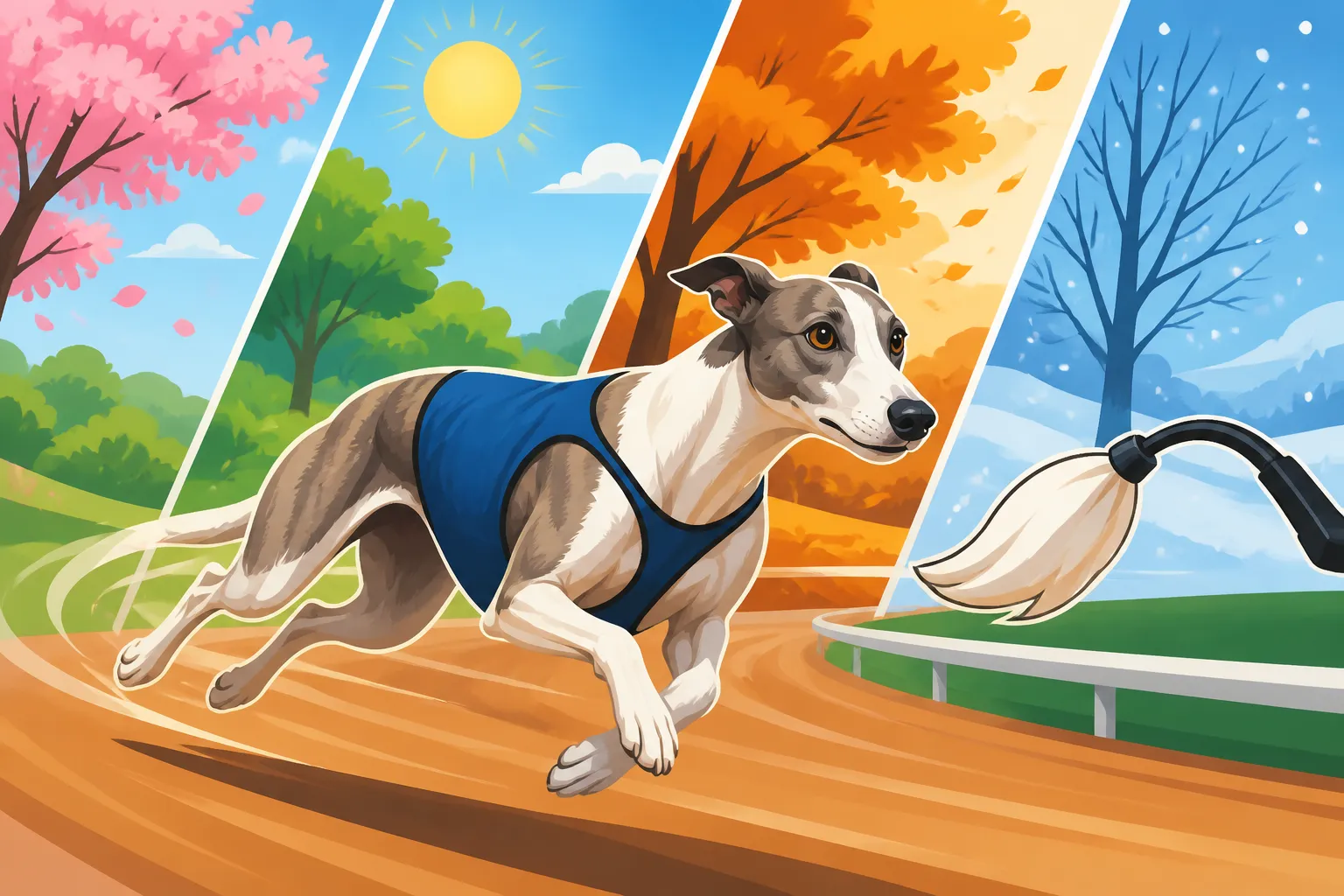
NOTRA stands for the National Oval Track Racing Association. It's one of the primary organizations that sanctions oval track racing for sighthounds, including Whippets, across North America. Unlike some other forms of sighthound sports, NOTRA focuses on dogs racing around an oval track, chasing a mechanical lure. It’s a pure test of speed, agility, and the sheer joy of the chase. Dogs typically race in heats of usually three to four dogs, and the competition can be fierce but always good-natured among the human participants.
Committing to a NOTRA season means dedicating many of your weekends to travel and racing. It's not a once-a-month hobby for most serious competitors; rather, it often involves traveling to different club events, sometimes several hours away, to participate in sanctioned meets. These events usually span an entire day, sometimes even a full weekend, from early morning setup to late afternoon awards. You’ll be spending a lot of time trackside, managing your dog, cheering on fellow racers, and immersing yourself in the camaraderie of the sighthound community. It's an incredible experience, but definitely one that eats into your typical weekend leisure time.
The Initial Investment: Getting Started with NOTRA
Before your Whippet can even dream of hitting the track, there are a few foundational steps and associated costs. First, you'll need to become a member of NOTRA itself. This typically involves an annual membership fee, which helps support the organization and gives you access to sanctioned events. Beyond the national organization, you'll likely want to join a local NOTRA-affiliated club. These clubs often host practice sessions, local meets, and are an invaluable source of knowledge and support for new racers. Local club memberships also come with their own annual dues.
Then there's your Whippet's eligibility. Your dog will need to be properly registered with NOTRA, which usually involves providing proof of pedigree (AKC or equivalent) and potentially a microchip number for identification. While most purebred Whippets from reputable breeders already have these, it's an administrative step that sometimes carries a small fee. It's also vital to ensure your Whippet is in peak health, often requiring a visit to your veterinarian for a general check-up to confirm they're fit for the rigors of racing. This initial vet visit isn't typically expensive, but it's part of the comprehensive health picture you need to maintain. Always talk to your vet about your plans to race, especially if your Whippet has any underlying health considerations.
The Costs of Competition: Entry Fees and Event Expenses
Once you're a member and your Whippet is registered, the ongoing costs of competition itself begin to accumulate. These are the expenses you'll encounter regularly throughout the racing season, and they can vary significantly depending on how many events you attend and how far you travel.
Per-Race Entry Fees: What to Expect
Every NOTRA race meet has entry fees. These fees are typically charged per dog, per racing program. For a standard weekend meet, you might pay an entry fee for Saturday's races and another for Sunday's. These fees contribute to the cost of running the event – lure operation, track maintenance, staffing, permits, and awards. While individual entry fees might seem manageable on their own, perhaps in the range of $25-$50 per dog per day, they add up quickly over a full season.
Imagine a season where you attend ten weekend meets. If you're racing one dog, that could easily be $500 to $1000 just in entry fees. If you have two Whippets to race, you can double that. Many clubs offer discounts for entering multiple dogs or for registering for the entire weekend at once, but it's still a significant recurring expense. It's important to factor this cumulative cost into your annual budget from the outset, rather than being surprised by it week after week.
Travel and Accommodation: The Hidden Budget Drain
For many Whippet owners, the biggest "hidden" cost of racing a season under NOTRA isn't the entry fees, but the travel. Unless you're fortunate enough to live right next door to a regular race venue, you'll be spending a good deal of time and money on the road. Most NOTRA clubs are situated outside major metropolitan areas, often requiring drives of several hours to reach.
Fuel costs quickly become a major factor. Calculate the round-trip mileage for each venue you plan to visit and multiply it by your car's fuel efficiency and current gas prices. For weekend meets, especially those further afield, you'll likely need accommodation. This means budgeting for hotel or motel stays, which can add hundreds of dollars to a single weekend. Some participants opt for camping at or near the venue to save money, but even campground fees need to be considered. Remember to check if hotels are pet-friendly and if they charge additional pet fees, as many do. For general supplies, from dog food to travel bowls, you might find yourself browsing online retailers like Chewy before each trip, stocking up on essentials that make travel easier.
Beyond fuel and lodging, don't forget the cost of food and drink for yourself and any family members traveling with you. Packing your own meals and snacks can save money compared to eating out, but it requires planning. The cumulative expense of travel and accommodation over an entire racing season can easily eclipse the entry fees, so be realistic about how many distant meets you can comfortably afford to attend.
Essential Gear for a Racing Whippet
Just like any athlete, your racing Whippet needs specialized equipment to perform safely and effectively. This isn't just about aesthetics; it's about adhering to safety regulations and providing your dog with the best chance to excel.
Muzzles and Blankets: Safety and Identification
One of the first pieces of specialized gear you'll acquire for NOTRA racing is a racing muzzle. These aren't for aggression; they're a mandatory safety measure. When multiple sighthounds are running at high speeds, sometimes very close together, a muzzle prevents accidental nips or more serious squabbles that can occur in the heat of the moment or at the end of a sprint. Racing muzzles are typically lightweight plastic or wire, designed to be comfortable and not impede breathing. They should fit securely but not tightly. The cost of appropriate racing muzzles can vary, but expect to invest in a couple of good quality ones that fit your Whippet perfectly. It's always smart to have a spare!
Equally important are racing blankets, sometimes called silks. These are lightweight fabric vests that your Whippet wears during a race. Each blanket is numbered and colored to identify the dog in its lane, making it easy for judges and spectators to follow the action. You'll typically be assigned a blanket at each meet, but many owners prefer to purchase their own to ensure a perfect fit and to have them ready for any event. When considering what a Whippet's racing muzzle and blanket cost, you'll find there's a range of options, from basic club-provided gear to custom-made sets. Again, ensure they're comfortable and don't restrict your Whippet's movement.
Crates, Beds, and Comfort at the Track
A comfortable, secure crate is an absolute must-have for any racing Whippet. At a race meet, your dog will spend time crated between heats, both for their safety and to help them relax and conserve energy. A sturdy, well-ventilated crate that's appropriate for your Whippet's size is essential. For many, this means a wire or plastic airline-style crate.
Inside the crate, or for resting outside it, good bedding is crucial. Whippets, as you know, have very little body fat and thin skin, making them prone to pressure sores and discomfort on hard surfaces. Soft, padded beds or thick blankets are vital for their joints and overall comfort. This is particularly important at events where they might be resting on concrete or packed dirt for hours. You'll quickly discover that The Wardrobe a Whippet Needs Because It Has No Body Fat extends beyond just coats, into their travel gear and beds. Consider washable covers for beds, as track environments can get dusty or muddy. A comfy setup helps your Whippet feel secure and allows them to properly rest between sprints, which is key for sustained performance throughout a long day of racing.
Training and Conditioning: Fueling the Athlete
Racing isn't just about turning up; it's about sustained performance, which means your Whippet needs to be properly trained and conditioned throughout the season. This involves more than just physical exercise; it's also about their diet and mental preparation.
Specialized Nutrition for Performance
An active racing Whippet has higher caloric and nutritional needs than a typical couch potato Whippet. Their diet needs to support intense bursts of energy, aid in muscle recovery, and maintain a lean, athletic physique. Simply feeding them more of their regular kibble might not be enough; you might need to look into performance-specific dog foods that are higher in protein and healthy fats.
When Feeding a Whippet That Sprints and Then Sleeps, you’ll want to ensure they're getting easily digestible, nutrient-dense meals. Some owners opt for fresh food delivery services, like Ollie, which can provide tailored, human-grade nutrition. While these might come at a higher cost than traditional kibble, many owners feel the investment in optimal nutrition pays off in terms of their dog's energy levels, coat health, and overall vitality. Additionally, you might consider supplements to support joint health, especially with the impact of running, or omega fatty acids for skin and coat. Always discuss any dietary changes or supplements with your veterinarian.
Conditioning Beyond the Track
While race meets provide ample opportunity for your Whippet to sprint, conditioning for a season requires more than just race day bursts. Consistent, varied exercise helps build stamina, strengthen muscles, and prevent injuries. This might include regular leashed walks, free running in a securely fenced area (essential for a breed with such a strong prey drive!), or even light jogging with you once your Whippet is fully mature and vetted for such activity. Remember, Raising a Whippet Puppy Without Wrecking Its Joints means being mindful of over-exercising young, growing Whippets; intense sprinting should be reserved for fully mature dogs.
The goal is to maintain a high level of fitness without overworking or risking injury. A well-conditioned Whippet is less likely to pull a muscle or suffer a soft tissue injury during a race. This conditioning also includes mental preparedness – getting them used to the sights, sounds, and routine of a race day so they can focus on the lure. While conditioning might not have direct monetary costs beyond your time, it's a vital investment in your Whippet's health and competitive edge.
Veterinary Care and Injury Management
One of the most critical aspects of owning a Whippet, especially a racing one, is their health. Even with the best care and conditioning, injuries can happen, and specialized veterinary knowledge is a huge asset.
Routine Health Checks and Preventative Care
Throughout a racing season, and indeed throughout The Twelve to Fifteen Years a Whippet Lives, regular veterinary check-ups are non-negotiable. Annual physicals, up-to-date vaccinations, and consistent parasite prevention are essential for any dog, but even more so for an athletic one. Your vet will ensure your Whippet is in good overall health and can discuss any concerns related to their racing activities. Some race clubs may even require proof of certain vaccinations or a recent health certificate before allowing your dog to compete.
It's also immensely beneficial to have a veterinarian who is familiar with sighthounds. Their unique physiology, from their lean body mass to their specific bloodwork norms, means that not every general practice vet fully understands their nuances. For instance, Why a Whippet Needs a Sighthound Anesthesia Protocol is a critical piece of knowledge that can literally be life-saving. Finding a vet who understands these breed-specific needs can make a huge difference in the quality of care your Whippet receives, from routine check-ups to emergency situations.
Addressing Injuries: The Unforeseen Costs
Despite all precautions, injuries can occur in any athletic endeavor, and Whippet racing is no exception. Common racing injuries can range from minor pad tears and scrapes to muscle strains, sprains, and even more serious fractures. Emergency Stitches: the Whippet Bill Nobody Budgets For is a stark reality for many Whippet owners, as their thin skin is prone to tears, especially when running at high speeds or interacting with obstacles. These injuries often require immediate veterinary attention.
The cost of addressing these unforeseen injuries can be substantial. An emergency vet visit, diagnostic imaging (like X-rays or ultrasound), medications, and potentially surgery or extensive wound care can quickly add up to hundreds, if not thousands, of dollars. For instance, treating a significant muscle tear might involve rest, anti-inflammatory drugs, and possibly even rehabilitation sessions like hydrotherapy or therapeutic massage, which are additional expenses. This is where pet insurance becomes a real consideration. Companies like Healthy Paws offer comprehensive pet insurance plans that can cover a significant portion of unexpected veterinary bills, providing invaluable peace of mind when your Whippet is engaging in a high-speed sport. Carefully review different plans to understand what they cover, including accident-only or comprehensive options, and what their deductibles and reimbursement percentages are.
Time and Opportunity Costs: The Non-Monetary Investment
While financial costs are often the first thing people consider, the non-monetary investments of time and opportunity cost are equally, if not more, significant when racing a Whippet for a season.
The Dedication of a Racing Owner
Racing a Whippet isn't just about the dog; it's a lifestyle choice for the owner. The time commitment is substantial. You'll spend hours training, conditioning, and traveling to meets. A typical race day might involve leaving home before dawn, spending 8-10 hours at the track, and arriving back late in the evening. This means your weekends, which for many are a time for personal errands, family outings, or relaxation, will largely be dedicated to your Whippet's racing career.
This dedication creates a unique bond between you and your Whippet. You'll learn to read their subtle cues, understand their energy levels, and celebrate their triumphs with immense pride. The camaraderie within the NOTRA community is also a huge part of the experience. You'll forge friendships with fellow sighthound enthusiasts who share your passion, offering support, advice, and a common bond. This shared experience is often cited by owners as one of the most rewarding aspects, making the time investment feel truly worthwhile.
Balancing Work, Life, and Racing
Fitting a full racing season into an already busy life can be a juggling act. If your job isn't flexible, taking time off for distant multi-day events might be challenging. You might also need to arrange care for other pets at home who aren't joining the racing circuit. The mental energy required to plan travel, manage your dog's conditioning, and stay organized for each event is considerable.
It's important to have realistic expectations and to communicate your racing commitments with your family or housemates. There will be weekends when you simply can't attend other social events or pursue different hobbies. The emotional investment can also be high; there will be exhilarating wins and frustrating losses, fantastic runs and days when your Whippet just isn't "on." Embracing this rollercoaster of emotions is part of the journey. Ultimately, racing a Whippet means making it a significant priority in your life, and that requires conscious decisions about how you allocate your resources – both financial and temporal.
The Grand Total: What a Season Really Adds Up To
Bringing all these pieces together, it becomes clear that racing a Whippet under NOTRA for a season is a multifaceted commitment. It's not a cheap hobby, but for those who love their sighthounds and the thrill of the chase, it's an incredibly rewarding one.
Estimating the Seasonal Budget
Let's try to put some numbers together for a hypothetical racing season, keeping in mind that these are estimates and can vary widely based on your location, how many events you attend, and your personal choices.
| Category | Estimated Annual Cost (Low End) | Estimated Annual Cost (High End) | Notes |
|---|---|---|---|
| NOTRA & Club Memberships | $50 | $150 | National + one or two local club memberships. |
| Race Entry Fees (1 dog, 10 meets) | $500 | $1000 | Based on $50-$100 per weekend meet. Higher for multiple dogs. |
| Travel (Fuel & Accommodation) | $1000 | $3000+ | Highly variable. Depends on distance, number of meets, hotel vs. camping, and current gas prices. |
| Racing Gear | $100 | $300 | Muzzles, racing blankets, leashes, travel bowls. Could be higher for custom gear. (General supplies like those from Chewy are ongoing, but this is specific racing gear). |
| Specialized Nutrition | $200 | $800 | If upgrading to performance food or fresh food like Ollie. This is on top of regular food costs. |
| Routine Vet Care | $200 | $500 | Annual check-ups, vaccinations, parasite prevention. Does not include injury treatment. |
| Pet Insurance | $300 | $700 | Annual premium for a comprehensive plan (e.g., Healthy Paws). Highly recommended for active dogs. |
| Miscellaneous (Food, Supplies) | $200 | $500 | Human food at events, extra blankets, water, treats, first aid supplies. |
| Total Estimated Annual Cost | $2550 | $6550+ | This range is for one dog. If you have multiple dogs, costs for entry fees, food, and potential vet bills will increase. This doesn't include the initial cost of acquiring your Whippet puppy. |
As you can see, a full season of NOTRA racing can easily be a multi-thousand dollar commitment. The biggest variables will always be how much you travel and how many events you enter, and of course, whether your Whippet encounters any significant injuries.
Maximizing the Experience and Minimizing Surprises
To make the most of your NOTRA racing season and avoid financial shock, planning is key. Start by researching local clubs and their race schedules to get an idea of potential travel distances. Talk to experienced racers; they are a treasure trove of information about budgeting, where to find good deals on gear, and tips for making travel more economical. Sometimes carpooling or sharing hotel rooms with other racers can help cut costs significantly.
Remember, the goal isn't just to win; it's to enjoy the experience with your Whippet. The bond you build, the joy you see in your dog when they're doing what they love, and the friendships you make in the sighthound community are truly priceless. This journey is part of What Fourteen Years With a Whippet Comes To – a rich tapestry of shared experiences that define your life with these incredible dogs. By being prepared for the financial and time commitments, you can focus on the thrill of the chase and the sheer exhilaration of watching your Whippet race.
Disclaimer
This article is for general informational purposes only and does not constitute professional advice. Laws, prices and regulations vary by location and change over time. Consult a qualified professional for guidance on your specific situation.