What a Whippet Puppy Costs in 2026
Bringing a Whippet puppy into your life is an incredibly exciting adventure, filled with dreams of zoomies, snuggles, and endless joy. But let's be realistic: while the initial "puppy price" is often the first thing people consider, it's truly just the tip of the iceberg. Many new owners are caught off guard by the sheer volume of costs involved in that crucial first year, from vet visits and gear to specialized training and unexpected emergencies. This guide isn't here to scare you, but to give you a transparent, in-depth look at what owning a Whippet puppy really costs, helping you budget wisely and ensure your swift little companion gets the very best start in life.
The Initial Puppy Price Tag: More Than Just a Number
That price tag on a Whippet puppy isn't just a random figure a breeder pulls out of thin air. It represents a significant investment on their part, a commitment to the health, temperament, and future of the breed. Understanding what goes into that number can help you appreciate why reputable breeders charge what they do, and why sometimes, a "cheap" puppy can end up being the most expensive in the long run.
Understanding Breeder Costs and Quality
When you're looking at the price of a Whippet puppy, you're not just paying for the dog itself; you're contributing to the comprehensive care and dedication of a responsible breeder. These breeders invest heavily in their breeding stock long before a litter is even conceived. This includes extensive health testing for both parents to screen for genetic conditions common in Whippets and other sighthounds. Think about the cost of OFA cardiac exams, eye certifications, and potentially DNA panels that test for conditions like Phosphofructokinase Deficiency in a Whippet or the myostatin mutation. These tests aren't cheap, but they are absolutely vital for minimizing the risk of inherited diseases in your future puppy.
Beyond health clearances, reputable breeders also invest in quality nutrition, veterinary care, and proper socialization for their adult dogs. The dam (mother dog) receives excellent pre-natal and post-natal care, ensuring she's healthy and strong to carry and raise her puppies. Then there's the cost of raising the litter: puppy food, supplementary feeding if needed, deworming protocols, initial vaccinations, microchipping, and vet checks for each individual puppy before they go to their new homes. They also dedicate countless hours to early neurological stimulation, proper socialization, and starting basic potty training and crate exposure. All these efforts contribute to a well-adjusted, healthy puppy, and these costs are naturally factored into the purchase price. When you see a significantly lower price tag, it's worth asking what corners might have been cut in these critical areas.
What a Show Bred Whippet Puppy Costs vs. Pet Quality
There can often be a noticeable difference in price between a Whippet puppy sold as "pet quality" and one earmarked as "show prospect." This isn't because one puppy is inherently "better" than the other, but rather because of the potential for future earnings, recognition, and the higher standards of conformation required for the show ring. A show-quality puppy typically possesses physical attributes that more closely adhere to the breed standard, such as correct angulation, a perfect bite, and the quintessential arch over the loin that defines the Whippet's elegant silhouette. These puppies are often chosen by breeders or experienced exhibitors who intend to invest time and money into showing them, hoping to earn championship titles and potentially contribute to future breeding programs.
Pet-quality puppies, while still purebred and perfectly healthy, might have a minor conformational flaw that would prevent them from excelling in the show ring, such as a slightly crooked tail or an ear set that isn't quite standard. These are purely cosmetic issues that have no impact on their health, temperament, or ability to be a wonderful companion. They are usually sold on a limited registration agreement, meaning they cannot be shown in conformation events or used for breeding. This difference in potential future utility for the breeder often translates to a lower price for pet-quality puppies, making them a more accessible option for families simply looking for a beloved companion. It's important to understand that regardless of whether a puppy is show or pet quality, a responsible breeder will have put the same effort into its health, socialization, and initial care.
Regional Differences and Demand
Just like real estate, the cost of a Whippet puppy can fluctuate significantly depending on where you live. Geographic location plays a role, with puppies in high-demand urban areas or regions with fewer reputable breeders often commanding higher prices. For example, a puppy from a sought-after breeder in a metropolitan area might be priced differently than one from a more rural location where overheads are lower and competition might be less fierce.
Beyond that, the overall popularity of the breed in a particular area can influence demand. If Whippets are particularly in vogue in your state, you might find prices are a bit higher, or that waitlists for puppies are longer. Conversely, in regions where the breed is less common, prices might be slightly lower. Shipping costs, if you're acquiring a puppy from out of state, will also add to the overall price. It's always a good idea to research local breeders first, but don't hesitate to extend your search if you can't find a reputable breeder nearby. Just remember to factor in potential travel expenses or safe, humane transport costs into your budget. This is why Whether Whippet Prices Vary by Region is such an important consideration for prospective owners.
Beyond the Breeder: First-Year Essentials & Setup
Once you've secured your precious Whippet puppy, the spending doesn't stop. The first year is often the most intense financially, as you're setting up their entire world and establishing their health baseline. These initial costs are non-negotiable for responsible pet ownership and will quickly add up.
Initial Vet Visits and Vaccinations
Bringing a new puppy home means a flurry of vet appointments. Your puppy will need a thorough check-up shortly after arrival to establish a baseline of health and to ensure they're settling in well. Following that, there's a critical series of vaccinations required to protect them from common, serious canine diseases like distemper, parvovirus, and rabies. These aren't one-and-done shots; they're typically given in a series over several weeks, usually at 8, 12, and 16 weeks of age, each requiring a separate veterinary visit.
Beyond vaccinations, your vet will likely recommend regular deworming treatments, especially for puppies, as they can easily pick up parasites. Microchipping is also a crucial one-time cost, providing permanent identification that can be a lifesaver if your Whippet ever gets lost. Some vets include the microchip in a puppy package, while others charge separately. Don't forget the initial cost of flea, tick, and heartworm preventative medications, which will become a regular monthly or quarterly expense. These early vet visits are foundational to your Whippet's long-term health, so budgeting for them is paramount.
Gear Galore: Crates, Beds, Collars, and Leashes
Preparing your home for a Whippet puppy means investing in a whole host of essential gear. First up, a crate. A proper-sized crate is invaluable for house training, creating a safe den, and providing a secure space when you can't supervise directly. You'll want one that's large enough for your adult Whippet, perhaps with a divider to adjust as your puppy grows. Inside that crate, and strategically placed around your home, you'll need soft, comfortable bedding. Whippets have no insulation and no padding, meaning they genuinely cannot sleep on hard surfaces without risking pressure sores. Investing in good quality, memory foam, or orthopedic beds early on can prevent discomfort and bald elbows down the line, as discussed in What a Whippet Bed Should Be Made Of. You'll find a fantastic selection of beds and crates online, and many Whippet owners frequently visit sites like Chewy for their supplies.
Then there are collars and leashes. For a Whippet, a standard flat collar often isn't sufficient because their heads are often smaller than their necks, allowing them to easily slip out. This is why a martingale collar is an absolute must-have from day one. These collars tighten gently when pulled, preventing escapes without choking the dog. You'll likely need a couple of sizes as your puppy grows, so factor in replacements. For adventurous Whippets, a comfortable, escape-proof harness can also be a good investment, especially for car safety or specific training. Don't forget basic food and water bowls, preferably stainless steel or ceramic for hygiene, and maybe a slow-feeder bowl if your puppy tends to bolt its food.
The Wardrobe a Whippet Needs from Day One
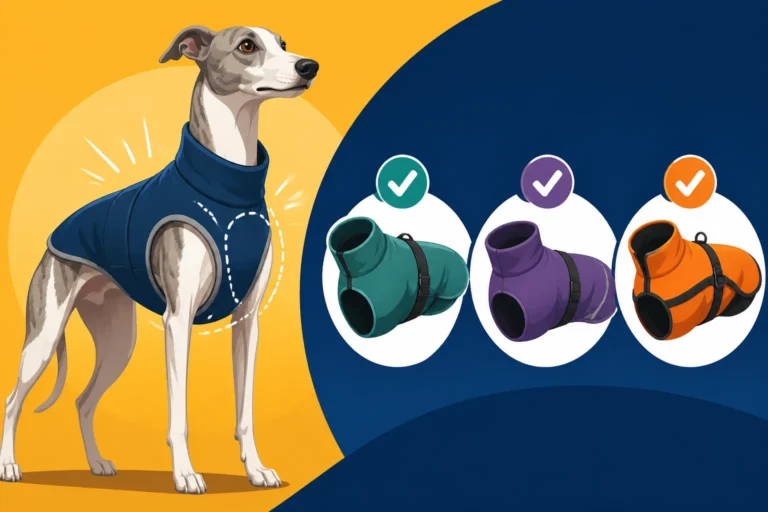
Oh, the Whippet wardrobe! This is where many first-time Whippet owners are surprised, but it's an absolute necessity. Because a Whippet Has No Insulation and No Padding, they get cold very easily, even indoors. A chilly puppy is a miserable puppy, and an adult Whippet shivers indoors if the house temperature drops too low.
Right from puppyhood, your Whippet will need a selection of garments. Think lightweight fleece pajamas or sweaters for cozy indoor wear, especially in cooler months or if your home is a bit drafty. For outdoor excursions, a waterproof raincoat is essential for dreary days, and a warmer, insulated coat becomes indispensable once temperatures drop. You'll likely need several different weights of coats to suit varying weather conditions – a lighter fleece for brisk autumn walks, and a heavy, insulated coat for true winter weather.
Buying a few different options for different conditions and sizes as your puppy grows is part of the initial outlay. It's not uncommon for Whippet owners to amass quite a collection, starting with puppy-sized versions and graduating to adult sizes. This isn't just about fashion; it's about comfort and preventing your delicate Whippet from being miserably cold, which can detract from their enjoyment of walks and even affect their health. This essential collection is often referred to as The Wardrobe a Whippet Needs Because It Has No Body Fat. You might even wonder Whether a Whippet Needs a Coat Indoors – and for many, the answer is a resounding yes!
Fueling a Growing Whippet: Food & Nutrition
Feeding a growing Whippet puppy correctly is vital for their development, health, and energy levels. These aren't just "food costs"; they're an investment in their future well-being. The choices you make regarding diet can impact everything from their coat health to their bone development.
Puppy Food Choices and Cost
The world of dog food can be overwhelming, with countless brands and types vying for your attention. For a Whippet puppy, choosing a high-quality food that supports healthy, steady growth is paramount. You'll typically start with a puppy-specific formula, which is specially balanced for their rapid development. These foods tend to be higher in calories, protein, and essential nutrients.
The cost will vary significantly based on the type of food you choose. Premium kibble brands, often recommended by breeders and vets, will be more expensive per bag but offer excellent nutritional value. If you're considering fresh food options, which are gaining popularity, the costs will likely be higher still. Brands like Ollie deliver customized fresh meals right to your door, offering a convenient and high-quality option, but with a different price point than traditional kibble. You’ll need to gauge How Many Cups a Day an Adult Whippet Eats to extrapolate for your growing pup, as they have hearty appetites for their size. It’s also worth noting Whether a Whippet Puppy Needs Large Breed Food – generally, no, they don't; they need a good quality food suitable for medium-sized active breeds, focusing on steady growth rather than rapid weight gain. Always discuss your chosen diet with your veterinarian to ensure it meets all your puppy's nutritional needs.
Treats and Training Incentives
Puppies, especially intelligent and sensitive Whippets, thrive on positive reinforcement, and that means a steady supply of delicious treats! These aren't just for spoiling; they are fundamental tools for house training, basic obedience, and socialization. Whippets respond incredibly well to food rewards, and high-value treats can be invaluable for teaching an emergency recall or encouraging them to embrace new experiences.
You'll go through a surprising amount of treats in the first few months, so budgeting for them is important. Look for small, soft, easily digestible treats that won't upset your puppy's sensitive stomach. Training treats often come in various price points, from budget-friendly options to premium, single-ingredient choices. It's a good idea to have a variety on hand to keep your puppy engaged and motivated. Remember, a Whippet will work for the right incentive, and a tasty treat can make all the difference in a training session.
Supplements (If Recommended by Vet)
For most healthy Whippet puppies on a balanced, high-quality diet, additional supplements are not usually necessary. Good puppy food is formulated to provide all the vitamins and minerals they need for optimal growth and development. However, there might be specific circumstances where your veterinarian recommends a supplement.
For instance, if your puppy has a sensitive stomach, a probiotic might be suggested to aid digestion. If they’re recovering from an illness or have particular dietary needs, the vet might advise a specific vitamin or mineral supplement. Joint supplements, while more common for older dogs, might be considered in rare cases for puppies with particular growth concerns, though this is less typical for Whippets as they are generally a healthy breed with good joint conformation. Always consult with your vet before introducing any supplements to your puppy's diet, as over-supplementation can be as detrimental as a deficiency. They can guide you on what, if anything, your individual Whippet puppy might benefit from, ensuring you avoid unnecessary costs or potential health issues.
Training and Socialization: Investing in a Well-Adjusted Whippet
Training and socialization are critical investments in your Whippet puppy's future behavior and happiness. These aren't optional extras; they're foundational for raising a well-adjusted, confident, and polite dog. Skimping here can lead to behavioral issues that are far more costly and challenging to address down the line.
Puppy Classes and Basic Obedience
Puppy classes are an absolute must for a Whippet. They provide invaluable opportunities for early socialization in a controlled environment, exposing your puppy to other dogs, people, and new sights and sounds in a positive way. This is particularly important for Whippets, who can sometimes be naturally reserved or shy with strangers if not properly socialized. These classes also teach you, the owner, how to communicate effectively with your puppy, build a strong bond, and lay the groundwork for basic obedience commands like sit, stay, and come. Investing in Socializing a Whippet Puppy early will pay dividends throughout their life.
Following puppy classes, basic obedience training further refines manners and strengthens your communication. These classes can range in price depending on the instructor's experience and class size. You might opt for group classes, which are generally more affordable and excellent for continued socialization, or private lessons if your puppy has specific needs or you prefer one-on-one guidance. Remember, a well-trained Whippet is a joy to live with, and these early investments are crucial for preventing future behavioral challenges.
Long Lines and Secure Play Areas
The Whippet is a sighthound, built for speed and chasing. Their instinct to pursue moving objects, whether a squirrel, a leaf, or another dog in play, is incredibly strong. This means that Why a Whippet's Chase Instinct Overrides Its Recall is a very real challenge. Letting a Whippet off-leash in an unfenced area is incredibly risky, as their recall often cannot be trusted when prey drive kicks in. They can be gone in a flash, running into traffic or getting lost.
This makes a long line an indispensable training tool for safely exercising your Whippet puppy in open spaces. A 15-foot, 30-foot, or even 50-foot line allows them to explore and practice their recall at a distance while still being securely attached to you. The cost of a good quality long line is minimal, but its value in keeping your puppy safe and allowing them to stretch their legs cannot be overstated. When considering Whether a Long Line Suits a Whippet, the answer is almost always yes.
Beyond long lines, having access to securely fenced areas is paramount. This might mean investing in a sturdy fence for your own yard or seeking out safe, private dog parks or fields where you can be sure your Whippet can run free without danger. This might come with indirect costs such as fencing installation or membership fees for private dog facilities.
Enrichment Toys and Chews
Whippet puppies are intelligent and energetic, even though they're known as forty-mile-an-hour couch potatoes. They need mental stimulation just as much as physical exercise to prevent boredom and destructive behaviors. This is where enrichment toys and appropriate chews come in, becoming an ongoing cost in the first year.
Puzzle toys, KONGs, and other interactive feeders are fantastic for engaging their minds and slowing down meal times. Durable chew toys are essential for teething puppies and for satisfying their natural urge to chew, redirecting it from your furniture or shoes. Look for high-quality, non-toxic toys that can withstand a Whippet's strong jaws. While you might be tempted by cheaper options, investing in more durable toys initially can save money in the long run by not having to replace them constantly. Rotating toys can also keep things interesting for your puppy. Factor in the cost of these items, as they are crucial for keeping your Whippet puppy happy, stimulated, and out of trouble.
Health & Wellness: Preparing for the Unexpected
Even with the best breeding and care, accidents and illnesses can happen. Whippets, while generally robust, have certain characteristics that make them prone to specific types of injuries, particularly skin tears. Being prepared for these eventualities is a crucial part of responsible ownership and can save you significant stress and financial strain.
Pet Insurance: A Whippet Owner's Best Friend
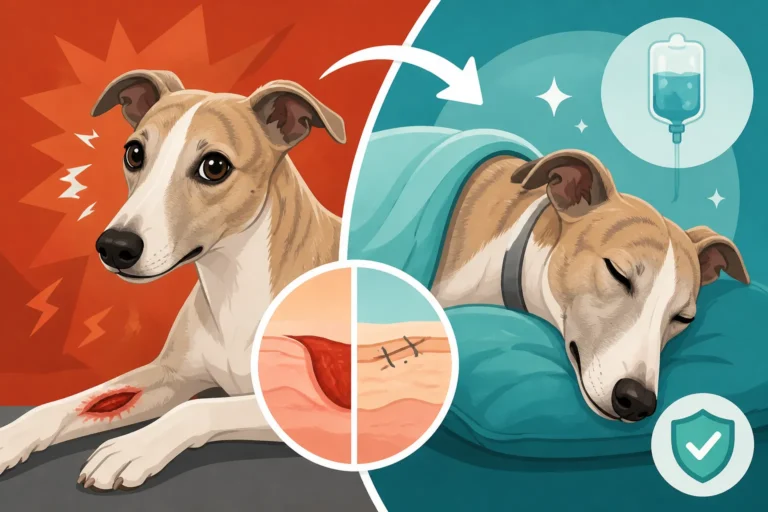
This isn't just a suggestion; for a Whippet owner, pet insurance is practically a necessity. Whippets have incredibly thin, delicate skin that tears easily, often requiring veterinary attention and stitches even from what seem like minor scrapes. A simple tumble in the yard, a brush against a branch, or even a rough play session with another dog can result in a laceration. These "emergency stitches" can add up quickly, and are part of Emergency Stitches: the Whippet Bill Nobody Budgets For. Without insurance, a few such incidents in the first year alone could easily run into significant hundreds or even thousands of dollars.
Pet insurance acts as a financial safety net, helping to cover unexpected vet bills for accidents, illnesses, and sometimes even chronic conditions. When looking at policies, pay close attention to deductibles, reimbursement percentages, and what is covered (or excluded). Choosing a plan early on, while your Whippet is a puppy, often means lower premiums and fewer pre-existing condition exclusions down the line. Many owners opt for comprehensive plans that cover both accidents and illnesses. Brands like Healthy Paws are popular choices among pet owners for their comprehensive coverage options. It's smart to consider Whether Insuring a Whippet Puppy Early Is Cheaper to lock in better rates and coverage before any issues arise.
Preventative Medications: Flea, Tick, and Heartworm
Ongoing preventative medications are a non-negotiable health expense for your Whippet puppy. These monthly or quarterly treatments protect them from parasites that can cause serious health issues. Flea and tick preventatives are crucial for preventing skin irritations, allergic reactions, and the transmission of diseases like Lyme disease or Ehrlichiosis. Heartworm preventative is equally vital, protecting against a potentially fatal parasitic worm transmitted by mosquitoes.
Your veterinarian will recommend the best options for your specific region and your Whippet's lifestyle. These medications come in various forms – topical, oral, or injectable – and their costs will vary. It's important to be consistent with these treatments year-round. It's also worth noting that Whippets, like many sighthounds, can sometimes have sensitivities to certain medications, such as Ivermectin Sensitivity in a Whippet. Always discuss any concerns or observed reactions with your vet to ensure your Whippet is on the safest and most effective preventative regimen. These recurring costs are an integral part of keeping your Whippet puppy healthy and comfortable.
Emergency Fund: The Reality of Accidents
Even with pet insurance, having an emergency fund is a wise financial move for any Whippet owner. Insurance policies almost always come with a deductible, which is the amount you pay out-of-pocket before your coverage kicks in. There can also be co-pays or reimbursement limits. Whippets, with their boundless energy and thin skin, are particularly prone to minor (but often vet-worthy) injuries. A frantic dash through the bushes, a misstep during a zoomie session, or even an overly enthusiastic playmate can result in a cut or scrape that needs a vet's attention.
These lacerations often require cleaning, closing with surgical glue or stitches, and sometimes antibiotics, leading to costs that can quickly add up. Understanding What Repairing a Whippet's Skin Tear Costs can give you a realistic idea of what to expect. While pet insurance covers a large portion of these costs, having a dedicated emergency fund means you won't hesitate to seek immediate veterinary care when needed, without worrying about the immediate financial hit of the deductible. This peace of mind is truly priceless when your beloved puppy is hurt.
Miscellaneous and Ongoing Costs
Beyond the big-ticket items, there are several smaller, often overlooked expenses that contribute to the overall cost of owning a Whippet puppy. These might seem minor individually, but they certainly add up over the course of the first year and beyond.
Grooming Minimal but Present
One of the wonderful things about Whippets is their low-maintenance coat. They shed minimally and generally don't require professional grooming, saving you a significant expense compared to many other breeds. Their short, fine coat means brushing is usually a quick once-a-week affair, and baths are only needed when they're genuinely dirty.
However, there are still some grooming-related costs to consider. Nail trims are a regular necessity to keep their quicks short and prevent discomfort or foot problems. While many owners learn to do this at home, some prefer to have their vet or a professional groomer handle it, which incurs a small fee. Understanding What a Whippet's Nail Trim Costs at a Groomer can help you budget if you opt for professional services. Ear cleaning is rarely needed as their rose ears typically stay quite clean, and dental care, while incredibly important, won't typically be a major financial outlay in their first year beyond purchasing a toothbrush and dog-specific toothpaste.
Licensing and Registration
These are legal requirements in many areas and represent a small but necessary annual cost. Most cities, counties, or states require dogs to be licensed, and these fees typically go towards supporting animal shelters and services. The cost can vary based on location and whether your Whippet is spayed or neutered (which usually reduces the fee).
If you purchased your Whippet from a reputable breeder with AKC (American Kennel Club) registration papers, you'll also have the option to register your puppy with the AKC. This is usually a one-time fee and can be important if you plan on participating in dog sports, conformation shows, or breeding down the line. Understanding What AKC Registration Costs for a Whippet can help you budget for this administrative step. While these aren't huge expenses, they are recurring and important for responsible pet ownership.
Pet Sitting/Boarding
Life happens, and sometimes you need to travel without your Whippet puppy. When that occurs, you'll need to factor in the cost of reliable pet care. Leaving a young puppy, especially a sensitive Whippet, can be a challenge. Options include hiring a pet sitter who comes to your home, dropping your puppy off at a boarding kennel, or finding a trusted friend or family member to care for them.
The cost of pet sitting or boarding varies widely depending on your location, the services provided (e.g., overnight stays, multiple walks), and the duration. For a Whippet, finding a sitter or kennel experienced with sighthound temperaments can be beneficial, as they might be more attuned to their sensitivities and unique needs. Many Whippet owners often wonder Whether a Whippet Settles at a Boarding Kennel; some do, but many prefer the comfort of a home environment. Budgeting for these services, even if just for a weekend getaway, is important for ensuring your Whippet is well-cared for in your absence.
Budgeting and Long-Term Considerations
Understanding the costs of a Whippet puppy is just the first step; effectively managing those costs throughout their life is the real challenge. A well-planned budget and an eye toward future needs can make all the difference in providing your Whippet with a happy, healthy, and secure life.
Creating a Realistic Whippet Budget
Bringing a Whippet puppy home requires more than just enthusiasm; it demands a practical, realistic financial plan. Start by creating a detailed budget that itemizes all the potential expenses we've discussed, both initial and recurring. Don't just lump everything together; break down categories like "vet care," "food," "training," "gear," and "emergency fund." Research local costs for vet visits, puppy classes, and pet insurance premiums to get accurate figures for your area.
It's also crucial to remember that a Whippet's needs evolve. What a Whippet Puppy Eats at Four Months will be different from what an adult eats, and their coat needs will change with the seasons. Don't be afraid to adjust your budget as you learn more about your individual Whippet's needs and as their initial puppy-specific expenses transition into ongoing adult dog care. Regularly reviewing your spending will help you stay on track and ensure you're always prepared for both expected and unexpected costs. A well-managed budget helps avoid the stress of financial surprises, allowing you to focus on enjoying your wonderful companion.
Long-Term Savings vs. Upfront Investment
It might seem counterintuitive to spend more money upfront, but in the world of dog ownership, it often translates to significant long-term savings. For instance, investing in a puppy from a reputable breeder who conducts extensive health testing might mean a higher initial purchase price. However, this upfront cost is often offset by a reduced likelihood of expensive genetic health issues down the road, sparing you from potentially heartbreaking and costly veterinary treatments for conditions like Mitral Valve Disease in a Whippet, or eye disease.
Similarly, opting for high-quality food, consistent training, and comprehensive pet insurance from the start might feel like a splurge. But a premium diet can contribute to better health and fewer vet visits for diet-related issues. Early and consistent training can prevent behavioral problems that often require expensive professional intervention later. And as we discussed, pet insurance is a financial lifesaver for accident-prone Whippets, protecting you from crippling emergency vet bills. Think of these as investments in your Whippet's health and well-being, designed to provide a solid foundation that minimizes financial stress and maximizes their quality of life over the years.
The Immeasurable Value of a Whippet
While this guide focuses on the financial realities of owning a Whippet puppy, it's vital to remember that some things simply cannot be quantified in dollars and cents. The joy, companionship, and unconditional love that a Whippet brings into your life are truly priceless. The way they snuggle under blankets, the exhilarating sight of their zoomies, their gentle nature, and their quirky personalities – these are the moments that make every penny spent utterly worth it.
Yes, there will be expenses, both expected and unexpected. There will be vet bills, bags of food, new coats, and maybe a shredded bed or two. But the return on that investment comes in the form of a loyal, loving family member who will enrich your life in countless ways for many years. When you consider What Fourteen Years With a Whippet Comes To, it's not just about the money; it's about a lifetime of shared memories, adventures, and quiet moments that define the unique bond between a Whippet and their human. Preparing for the financial aspect simply allows you to fully embrace and cherish that bond without added stress.
Whippet Puppy Cost Breakdown
Here's a generalized look at potential costs you might encounter when bringing a Whippet puppy home. Remember, these are estimates and can vary widely based on your location, choices, and your individual puppy's needs.
| Category | Initial Puppy Cost (One-time) | First Year Ongoing Costs (Estimated Monthly/Quarterly) | Notes |
|---|---|---|---|
| Puppy Purchase | Varies widely | N/A | Depends on breeder reputation, lineage, health testing. |
| Vet Visits/Initial | Vet checks, vaccinations, microchip | $50 – $100 (Preventatives) | Initial series of shots, deworming. Preventatives are ongoing. |
| Gear & Supplies | $300 – $800 | $20 – $50 (Replacements/Toys) | Crate, beds, martingale collar, leash, bowls, initial toys. |
| Whippet Wardrobe | $150 – $500 | $10 – $30 (New sizes/replacements) | Indoor sweaters, outdoor coats (rain, winter), possibly pajamas. |
| Food & Treats | $50 (Initial bag/starter pack) | $50 – $150 (Food + treats) | High-quality puppy food, training treats. Varies by diet type (kibble, fresh). |
| Training/Socialization | $150 – $400 (Classes) | $0 – $100 (Advanced classes/long lines) | Puppy classes, basic obedience. Costs are often upfront for a course. |
| Pet Insurance | N/A | $30 – $80 | Monthly premium, highly recommended for Whippets due to skin fragility. |
| Emergency Fund | Recommended $500 – $1000 | (Added to savings) | For deductibles, non-covered items, or immediate needs. |
| Licensing/Admin | $10 – $50 (Initial license) | $10 – $50 (Annual renewal) | City/county license, AKC registration (one-time). |
| Grooming (Nails) | N/A | $10 – $20 (If professional trims) | Low maintenance coat, but nails need regular trimming. |
| Pet Sitting/Boarding | N/A | Varies as needed | Depends on travel frequency and chosen service. |
| Total First Year (Estimated) | $1200 – $3000+ | $2000 – $4500+ | This does not include the initial puppy purchase price. |
Disclaimer
This article is for general informational purposes only and does not constitute professional advice. Laws, prices and regulations vary by location and change over time. Consult a qualified professional for guidance on your specific situation.