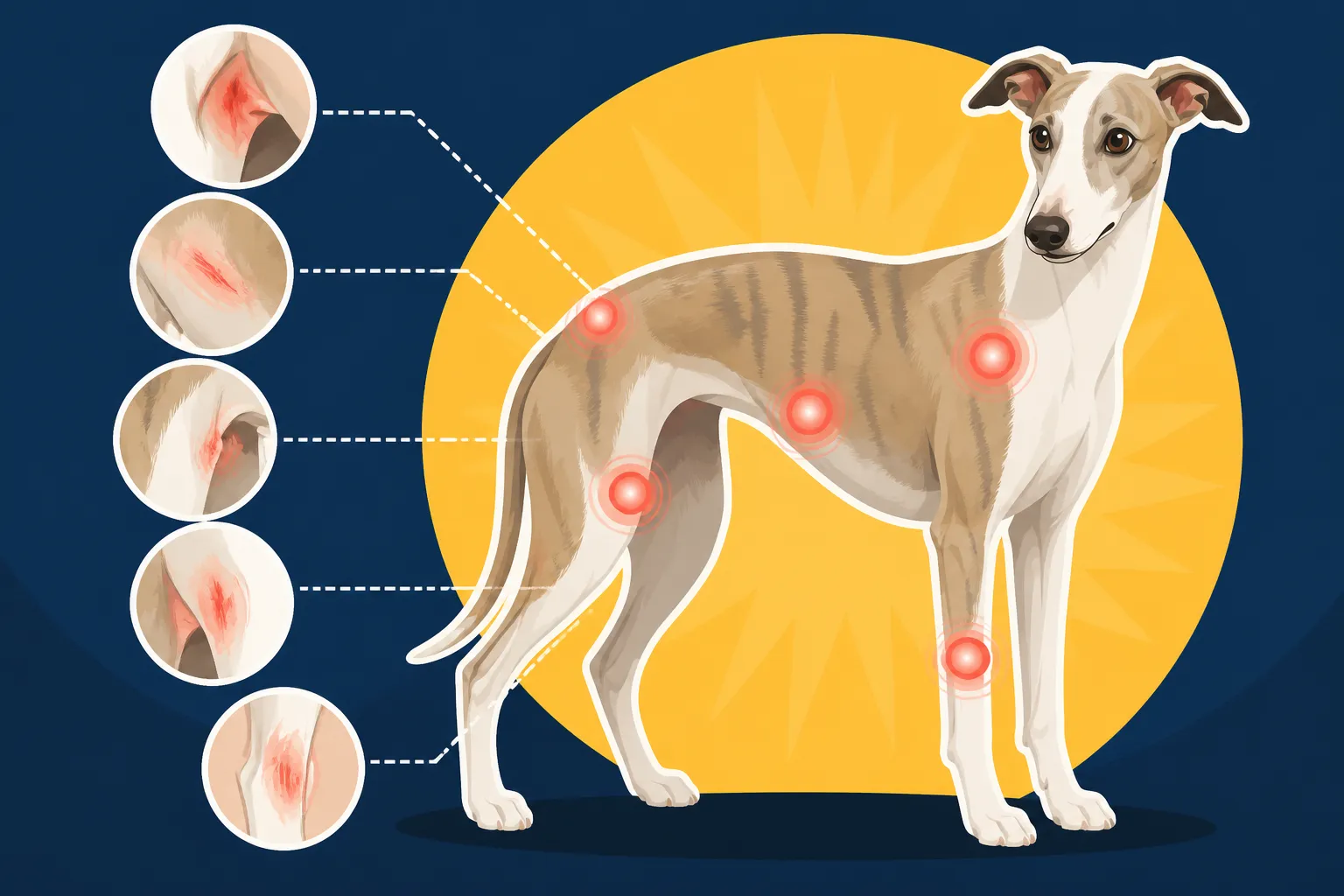
Where a Whippet Tears Its Skin Most
It's a moment every Whippet owner dreads: you see that tell-tale flap of skin, a gash on their lean leg, or a raw spot on their chest, and your heart sinks. Whippets, for all their grace and speed, often seem to be made of tissue paper and dreams, their delicate skin so easily damaged. The frustration is real, the worry immediate, and the question often becomes: where did this happen this time? This guide is here to shed light on the most common areas where Whippets tend to tear their skin, why these spots are so vulnerable, and what you can do about it.
The Usual Suspects: Where Whippets Most Often Tear Their Skin
Whippets are magnificent creatures, built for speed and agility, but their finely honed physique comes with a vulnerability that often catches new owners off guard and keeps seasoned owners on their toes. Their thin skin and lack of subcutaneous fat, combined with their zest for life, mean certain body parts are simply more exposed to nicks, scrapes, and full-blown lacerations. It’s a frustrating reality that a seemingly innocent brush against something can lead to an emergency vet visit.
Legs and Paws: The Front Lines of Injury
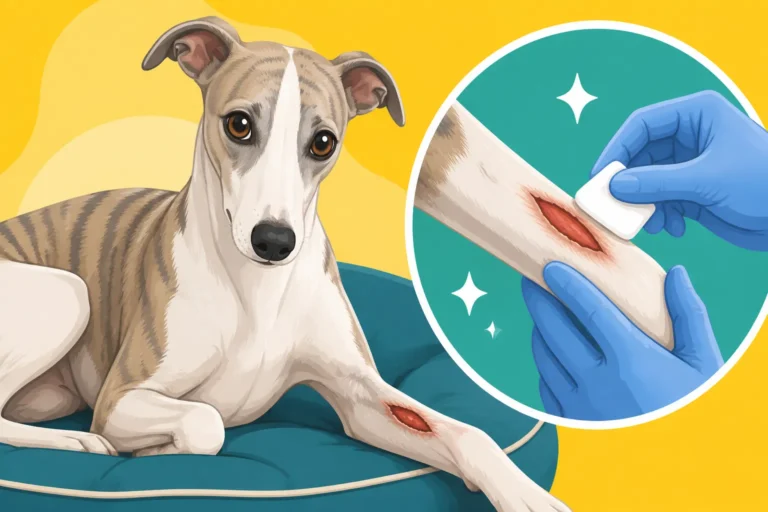
When you think about where a Whippet tears its skin most, the legs, especially the front ones, often come to mind first. These graceful limbs are always in motion, whether they're sprinting across a field, navigating furniture indoors, or weaving through bushes on a walk. Their front legs, in particular, bear the brunt of any impact or snag.
Imagine your Whippet, full of joy, tearing after a squirrel in the park. They might misjudge a branch, slide on wet grass, or simply brush past a sharp edge. The skin on their legs is incredibly taut and thin, with little to no cushioning from fat or thick fur. This means a minor bump that another breed might shrug off can result in a significant tear for a Whippet. Paws, too, are common injury sites, from stepping on sharp objects to snagging a nail and tearing the skin around the pad. These leg injuries can range from superficial scrapes to deep, gaping wounds that expose muscle or bone, making immediate attention crucial.
Flanks and Chest: Broad, Exposed Surfaces
Another area highly susceptible to skin tears is your Whippet’s flanks, the relatively flat, broad sides of their body, and their chest. These areas might seem less directly exposed than the legs, but their prominence means they are frequently brushed against objects, especially when your Whippet is exploring tight spaces or zooming past obstacles.
Consider a scenario where your Whippet is playing rough with another dog, weaving in and out, or perhaps chasing a lure during an event. A quick turn or an accidental bump into a fence post can easily cause a tear along the rib cage or across the chest. The skin here, much like on the legs, is thin and stretched over muscle and bone. Even something as seemingly innocuous as a doorframe or the edge of a piece of furniture can become a hazard. Owners often report finding tears on these areas after a particularly enthusiastic play session or a clumsy moment, leading to the frantic question of where the blood came from.
Ears and Tail: Delicate Extremities
While less common than leg or flank injuries, the ears and tail are also surprisingly vulnerable to skin tears in Whippets. Their ears, often thin and delicate, can get caught or snagged during play, especially if they are floppy and bounce around a lot. A quick shake of the head or a collision with another dog can lead to a split ear tip, which, despite its small size, can bleed quite profusely and be surprisingly difficult to heal due to constant movement.
The tail, with its fine fur and often active wagging, is another area where a Whippet can injure itself. "Happy tail" syndrome, while more common in breeds with thick, strong tails that bash against surfaces, can still affect a Whippet if they repeatedly hit their tail against hard objects in their excitement. The skin can tear, and the constant motion makes it a challenge to keep wounds clean and allow them to knit together. These extremities remind us that virtually any part of a Whippet's body, given its delicate nature, is at risk.
Why Whippets Are So Prone to Skin Tears
It’s not just bad luck or clumsy dogs; there are very real, physical reasons why Whippets are poster children for skin tears. Understanding these inherent vulnerabilities can help owners be more vigilant and take appropriate preventive measures. It’s truly a testament to their evolutionary design for speed, where every ounce of extra protection was sacrificed for aerodynamics and agility.
The Thin Skin, Lack of Fat, and Fine Fur Conundrum
The primary reason Whippets are so susceptible to skin tears boils down to their unique physiological makeup: thin skin, virtually no subcutaneous fat, and very fine, short fur. Unlike many other breeds with thick, protective coats or a generous layer of padding beneath their skin, Whippets simply don't have that natural buffer.
Their skin is incredibly thin and taut, almost like parchment, stretched directly over their lean musculature and prominent bone structure. This means there's very little 'give' when they encounter an obstacle. Instead of being cushioned or having the skin slide, it tears. This is compounded by the fact that they have no insulating fat layer; fat provides not only warmth but also a protective barrier. When discussing "Why a Whippet Has No Insulation and No Padding," it becomes clear why any impact is almost directly transferred to the delicate skin. Their short, fine fur, while beautiful, offers minimal protection against scrapes and punctures, unlike the dense undercoats of many other breeds. This combination makes their skin incredibly fragile, turning minor bumps into major lacerations.
High Energy and Active Lifestyles: A Double-Edged Sword
Whippets are renowned for their incredible bursts of speed and their love for a good run, but this high energy and active lifestyle, while wonderful for their physical and mental health, also puts them at a higher risk for injury. They are athletes, and like any athlete, they are prone to sports-related injuries.
Their propensity for sudden, explosive sprints and sharp turns in pursuit of a squirrel, a lure, or a playmate means they often don't have time to process or avoid obstacles. They can misjudge distances, slide on uneven ground, or collide with unseen objects. If you've ever watched a Whippet chase something, you know they are utterly focused, often oblivious to their surroundings until it's too late. Even common activities like running through dense brush, playing in a dog park, or navigating a busy household can lead to unexpected scrapes. This is why careful consideration of their environment and activity is paramount for preventing issues like skin torn from running through brush (Whether a Whippet's Skin Tears From Running Through Brush).
Environmental Hazards: Indoors and Out
It's not just the inherent qualities of a Whippet that lead to skin tears; their environment plays a huge role. Both indoors and outdoors, everyday objects can become surprisingly dangerous for their delicate skin. This is a frustration many Whippet owners share: a seemingly safe home or yard can still harbor hidden dangers.
Outdoors, jagged branches, thorny bushes, sharp rocks, loose fencing, or even the rough edges of a dog park bench can easily snag and tear their skin during a run or exploration. Indoors, despite our best efforts, things like sharp furniture corners, uneven floor transitions, metal crate doors, or even toys with hard edges can pose a risk. Even a seemingly safe environment like a carpeted room can lead to friction burns or tears if a Whippet slides enthusiastically. Owners often discover small tears that couldn't possibly be from a significant incident, highlighting how easily their thin skin can be compromised by the most mundane objects. It truly makes you understand why owners need to be so mindful of "Whether a Whippet Should Wear a Coat in Cover" to offer an extra layer of protection.
Recognizing and Assessing Skin Tears in Your Whippet
Finding a wound on your Whippet can be startling, especially if there's a lot of blood. The initial panic is normal, but taking a deep breath and quickly assessing the situation is crucial. Knowing what to look for can help you determine the severity of the tear and decide on the best course of action.
Identifying the Extent of the Injury
The first step is always to calm your Whippet (and yourself!) and get a good look at the wound. This isn't always easy, especially if it's bleeding heavily or your dog is distressed. Gently part the fur around the area to see the full extent of the tear. What you're looking for is the depth, length, and width of the laceration.
A superficial scrape might just involve the top layer of skin, looking more like a graze, potentially with some minor bleeding. A deeper tear, however, will go through the skin and expose the underlying tissue, fat, or even muscle. These are often characterized by a gaping appearance, where the edges of the skin pull apart. Check for any foreign objects embedded in the wound, like splinters or dirt. The location of the wound also matters greatly; a tear over a joint, for example, can be more complicated due to movement and tension, and wounds on areas with less flesh, like the lower leg, might be closer to bone. Knowing "Whether a Whippet's Cut Always Needs Stitches" often depends on these factors.
Bleeding and Contamination: Immediate Concerns
Heavy bleeding is an immediate concern with any skin tear. Whippets can bleed quite a bit from even seemingly small wounds, especially if they've nicked a blood vessel. Assess how actively the wound is bleeding. Is it a slow ooze, or is blood pulsing or streaming out? Bright red, pulsing blood indicates an arterial bleed, which requires immediate pressure and veterinary attention. Darker, steady flow suggests venous bleeding, which is usually less critical but still needs to be controlled.
Beyond bleeding, contamination is a huge factor. Whippets are often injured when running or playing outdoors, meaning dirt, grass, twigs, or other debris can be introduced into the wound. This contamination significantly increases the risk of infection. Look carefully for any visible foreign material. Even if the wound doesn't look deep, if it's dirty, it warrants careful cleaning. If you're wondering about the cost implications, recall that "Emergency Stitches: the Whippet Bill Nobody Budgets For" can quickly add up, and knowing when to go to the vet can save you time and money.
Signs of Pain and Discomfort
Observing your Whippet's behavior can give you clues about how much pain they're in. While Whippets are stoic creatures and may not vocalize pain immediately, subtle signs can indicate discomfort. They might limp, hold the injured limb up, lick or chew excessively at the wound, or become unusually quiet or withdrawn. Some may even become defensive or snap if you try to examine the injury.
If the tear is on their chest or flank, they might resist being touched in that area, or you might notice a change in their breathing patterns. A severe injury could lead to shock, characterized by pale gums, rapid breathing, and general lethargy. Always approach an injured Whippet calmly and gently. If they are showing severe pain, it’s best to muzzle them gently before attempting to examine or apply first aid to prevent accidental bites, even from the sweetest dog.
First Aid and Initial Care for Whippet Skin Tears
When you discover a skin tear on your Whippet, the moments immediately following can feel overwhelming. But knowing what to do for basic first aid can make a huge difference in controlling bleeding, preventing infection, and ensuring your dog's comfort until you can get professional veterinary help. Remember, these steps are for immediate care, not a replacement for a vet visit if the wound is serious.
Stopping the Bleeding and Cleaning the Wound
Your absolute first priority is to stop or at least minimize any bleeding. Apply direct, firm pressure to the wound using a clean cloth, gauze, or even a paper towel. Hold the pressure for at least 5-10 minutes without peeking, as interrupting the pressure can restart the clotting process. Elevating the injured limb, if possible, can also help reduce blood flow.
Once the bleeding is under control, the next critical step is to gently clean the wound. This can be tricky, especially if your Whippet is agitated. Use lukewarm water and a mild antiseptic solution, like dilute Betadine or chlorhexidine. Avoid harsh soaps, hydrogen peroxide, or alcohol, as these can damage delicate tissue. Flush the wound thoroughly to remove any dirt, debris, or contaminants. You might need to gently clip hair around the wound edges to better see and clean it, but be very careful not to let hair fall into the wound. For deeper or heavily contaminated wounds, cleaning at home is just a preliminary step; a vet will likely need to perform a more thorough sterile lavage. Having "What Belongs in a Whippet Owner's First Aid Kit" readily available is invaluable in these situations.
Applying a Protective Dressing
After cleaning, the goal is to protect the wound from further contamination and trauma. A sterile non-stick pad (like Telfa) placed directly over the wound is ideal. Then, secure this pad with a clean bandage. Avoid wrapping it too tightly, as this can impede circulation; you should be able to slip two fingers under the bandage comfortably.
For a Whippet's slender legs, a wrap starting from just below the paw, continuing upwards, and overlapping by about half the width of the bandage works well. Use veterinary cohesive bandages (like VetWrap) over gauze to keep everything in place. If the wound is on the flank or chest, a simple piece of gauze taped securely can work, or a dog t-shirt can help hold dressings in place. The aim is to create a barrier. Remember, this is a temporary measure. You’ll still need professional advice on "Treating a Whippet's Skin Tear" to ensure proper healing and prevent complications.
Pain Management and Monitoring
Even if the wound seems minor, skin tears can be painful for your Whippet. Never give human pain medication like ibuprofen or acetaminophen without veterinary guidance, as these can be toxic to dogs. If your Whippet is visibly uncomfortable, contact your vet for advice on appropriate dog-safe pain relief.
Once you’ve provided initial first aid, keep a close eye on your Whippet. Monitor the wound for any signs of swelling, increased redness, discharge, or foul odor, which could indicate infection. Observe their behavior for continued pain, lethargy, or loss of appetite. If the wound is deep, still bleeding significantly, or if your Whippet seems unwell, don't hesitate to seek immediate veterinary attention. Timely intervention can prevent minor tears from becoming major health issues, and this is where having pet insurance like Healthy Paws can truly be a lifesaver, helping to cover unexpected emergency costs.
Preventing Skin Tears: Proactive Measures for Whippet Owners
While it's impossible to completely eliminate the risk of skin tears for a Whippet, there are many proactive steps you can take to significantly reduce their likelihood. A little foresight and consistent effort can go a long way in keeping your delicate companion safe and sound.
Home and Yard Safety Checks
Making your environment as safe as possible is paramount. Start by thoroughly inspecting your home and yard for potential hazards. Indoors, identify and pad any sharp furniture corners or edges that your Whippet might run into, especially if they get a burst of zoomies. Ensure that crate doors are smooth and don't have sharp latches or wires that could snag skin. Store household chemicals and sharp tools securely out of reach.
Outdoors, regularly check your fences for loose wires, sharp points, or splinters. Clear away any thorny bushes, jagged rocks, or fallen branches in areas where your Whippet runs. If you have a dog run or play area, ensure the ground is even and free of debris. Remember that a Whippet's enthusiasm can make them overlook hazards, so it's up to us to make their space as safe as possible. Creating safe boundaries and knowing "Where a Whippet Can Safely Run Off Leash" are key aspects of prevention.
Protective Gear and Appropriate Exercise
Given their thin skin and lack of padding, protective gear can be incredibly beneficial for Whippets, especially during certain activities or weather conditions. In colder weather or when navigating brushy areas, a well-fitting coat or vest provides an extra layer of protection against scrapes and tears. There's a reason "The Wardrobe a Whippet Needs Because It Has No Body Fat" is extensive – it's for protection as much as warmth.
| Location of Tear | Common Causes | Recommended Prevention |
|---|---|---|
| Legs/Paws | Running through brush, sharp objects, sliding on surfaces | Protective booties (if tolerated), careful surface checks, avoiding dense undergrowth |
| Flanks/Ribs | Collisions with furniture, fences, other dogs, tight spaces | Padded coats, secure fencing, supervision during rough play |
| Chest/Belly | Scraping on ground, rough play, sharp low objects | Chest protectors (specific sports), padded vests |
| Ears | Getting snagged during play, head shaking, collisions | Monitor play, cautious handling, consider snoods in dense brush |
| Tail | Bashing against hard surfaces, happy tail syndrome | Padding exposed tail areas, behavioral modification if habitual bashing |
When it comes to exercise, be mindful of the surfaces your Whippet is running on. Soft grass or sand is much kinder to their joints and skin than hard, uneven pavement or gravel. Always inspect new running areas for hazards before letting your Whippet off leash, even in designated dog parks. Avoid letting them run unsupervised in areas with dense undergrowth or sharp obstacles.
Nail Care and Regular Health Checks
Even something as simple as overgrown nails can contribute to skin tears, especially if a Whippet snags a long nail on something and tears the skin around the nail bed. Regular nail trims are essential. If you’re unsure how to do this safely, ask your vet or a professional groomer. Beyond nails, routine health checks are crucial for identifying any underlying skin issues or conditions that might make your Whippet's skin even more fragile. Your vet can also offer specific advice tailored to your Whippet's individual needs and lifestyle. Staying on top of overall health can indirectly reduce risks and also ensure that if a tear does happen, your Whippet is otherwise healthy enough to heal well.
When to Seek Veterinary Attention for Skin Tears
Knowing when a skin tear is minor enough for home care versus when it absolutely requires a trip to the vet can be tough. It's always best to err on the side of caution, especially with Whippets' delicate skin. Delaying professional treatment can lead to complications like severe infection or prolonged healing.
Deep, Gaping, or Heavily Bleeding Wounds
Any skin tear that is deep, gaping, or bleeding profusely warrants immediate veterinary attention. If you can see underlying fat, muscle, or bone, or if the wound is wide enough that the skin edges don't easily come together, it's likely going to need stitches or staples to close properly. These types of wounds are highly susceptible to infection if not treated professionally and promptly.
Similarly, if the bleeding doesn't stop after 10-15 minutes of firm, direct pressure, or if blood is spurting, it's an emergency. You should apply continued pressure while en route to the vet. These kinds of injuries are not something to "wait and see" with; the longer you delay, the higher the risk of severe blood loss, shock, and infection. A vet can properly assess the damage, stop the bleeding effectively, and close the wound under sterile conditions. This is when the cost of "What a Whippet Laceration Repair Costs" becomes secondary to your dog's well-being, and having pet insurance like Healthy Paws can alleviate some of that financial pressure.
Wounds in Sensitive Areas or Showing Infection
Tears located in sensitive areas, such as over joints, on the face, ears, or paws, often require veterinary care even if they seem small. Wounds over joints are particularly problematic because movement can constantly pull the skin apart, preventing proper healing and increasing the risk of infection. Ears, as mentioned, bleed a lot, and often require intricate stitching to heal well due to the thin cartilage.
Beyond the initial injury, watch for signs of infection. If the wound becomes increasingly red, swollen, hot to the touch, or starts discharging pus (not clear fluid), it's infected and needs veterinary intervention. A fever, lethargy, or loss of appetite in conjunction with a wound are also red flags. Infected wounds often require antibiotics, and sometimes the wound needs to be opened, cleaned again, and re-closed. Ignoring an infected wound can lead to serious systemic illness. Keep in mind that "How Slowly a Whippet's Skin Heals" means that an infection can set back the recovery process significantly.
When in Doubt, Call Your Vet
The reality is that sometimes, even for experienced Whippet owners, it's hard to tell the severity of a wound. If you are ever in doubt about whether a skin tear needs professional attention, the safest course of action is always to call your veterinarian. Describe the wound, its location, how it happened, and any symptoms your Whippet is showing. They can advise you over the phone whether it’s something you can manage at home with careful monitoring or if an immediate visit is necessary.
Remember, veterinarians are accustomed to these kinds of calls and would much rather you check in than have you wait too long and face a more complicated situation. They might suggest you send a photo or bring your Whippet in for a quick assessment. Trust your gut instinct; if something feels wrong, it probably is. Proactive communication with your vet ensures your Whippet gets the best possible care, and can often be a less stressful experience for both of you.
The Healing Process: What to Expect After a Skin Tear
Once your Whippet's skin tear has been treated, either at home for minor scrapes or by a veterinarian for deeper lacerations, the healing journey begins. This process, especially with Whippets' delicate skin, requires patience, diligent care, and close observation to ensure a smooth recovery and prevent complications. It's not always a quick fix, and there might be a few bumps along the way.
Managing the Wound During Recovery
Whether your Whippet has stitches, surgical glue, or simply a bandage over a smaller wound, diligent management is crucial. The primary goals are to keep the wound clean, dry, and protected. If there's a bandage, it will likely need to be changed regularly – your vet will give you specific instructions on how often and how to do it without disturbing the healing tissue.
Preventing your Whippet from licking or chewing at the wound is paramount. Whippets are prone to this, and even a few moments of licking can pull out stitches, introduce bacteria, or irritate the delicate new skin, severely delaying healing. This is where an Elizabethan collar (the "cone of shame") or an inflatable collar often comes into play. It might be annoying for your dog, but it's vital for their recovery. Keep the wound dry; moisture can encourage bacterial growth. Avoid baths during the initial healing phase unless specifically instructed by your vet, and cover the wound if your dog goes out in wet weather.
Monitoring for Complications
During the healing process, you need to be a hawk, constantly monitoring the wound for any signs of trouble. The most common complication is infection. Watch for increased redness, swelling, warmth, pain, or any discharge (especially thick, colored, or foul-smelling pus). If you notice these signs, contact your vet immediately.
Another concern is wound dehiscence, where the wound edges pull apart, particularly if your Whippet has had stitches. This can happen if the dog is too active, licks the wound, or if there's tension on the skin. Again, this requires immediate veterinary attention. Some scabbing and slight irritation around the edges are normal, but excessive scabbing, a hardening of the tissue, or prolonged oozing are not. Given "How Slowly a Whippet's Skin Heals," any complication can add weeks to the recovery time, so early detection is key.
Scarring and Long-Term Skin Health
Unfortunately, Whippets, due to their thin skin and genetics, often scar quite noticeably from skin tears. While the initial wound might heal well, you might be left with a visible line or area of thinner, less pigmented skin. This is usually just a cosmetic concern and doesn't typically affect the dog's health or comfort long-term, unless the scar tissue is extensive or in an area of high movement. "How Badly a Whippet Scars" can vary from dog to dog, but generally, their scars are quite prominent.
To promote the best possible long-term skin health, continue to provide a high-quality diet and ensure your Whippet stays at a healthy weight. Protect their skin from future injuries by continuing with preventative measures like coats in rough terrain. If you've had a recurring issue with skin tears, it might be worth discussing with your vet if there are any underlying factors or if specific supplements could support skin elasticity. Good general care after a tear will help your Whippet bounce back and minimize the impact on their overall well-being.
Disclaimer
The information provided in this article is for general informational purposes only and does not constitute veterinary advice. Always consult with a qualified veterinarian for any health concerns or before making any decisions related to your Whippet's care or treatment.