Whether the Whippet Will Stay Popular
A Whippet can seem suddenly popular when one appears in a neighborhood, a rescue group, or a social media feed, then surprisingly hard to find when you start looking for one. This guide explains what may shape the breed’s future visibility, why popularity is difficult to predict, and what prospective owners should consider beyond whether Whippets are fashionable.
Why Whippets Keep Finding New Admirers
A distinctive mix of speed and homebody habits
Whippets have an appealing contrast: they are built for brief, fast bursts of running, yet many are content to spend much of the day resting close to their people. That combination can suit households that want an athletic dog without expecting a nonstop exercise companion. A fenced area or a suitable dog sport can give a Whippet room to move; at home, a comfortable bed and a predictable routine may matter just as much.
This isn’t a contradiction so much as a lifestyle fit. Someone who sees a Whippet sprint across a field may imagine a dog that needs hours of hard exercise every day. Someone who lives with one may describe a dog who enjoys activity, then curls up under a blanket. For a fuller picture of that contrast, see The Whippet Is a Forty Mile an Hour Couch Potato. The breed’s unusual blend of elegance, speed, and indoor ease is likely to keep attracting people who learn what Whippets are actually like.
A look that stands out without a complicated coat
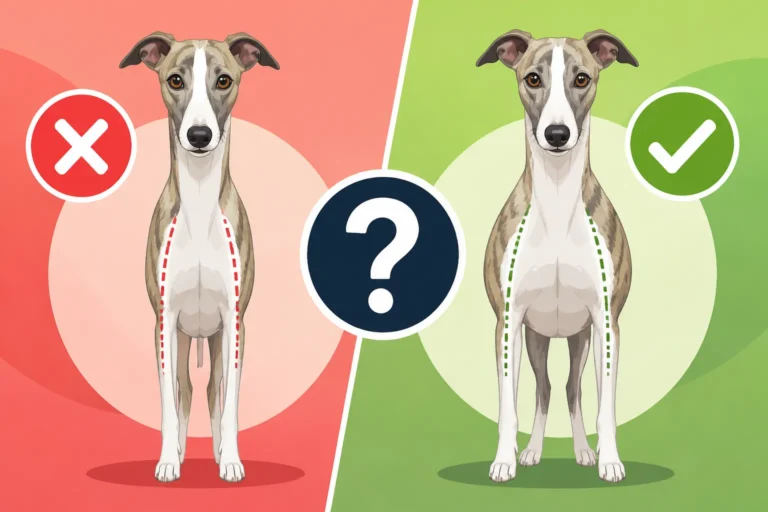
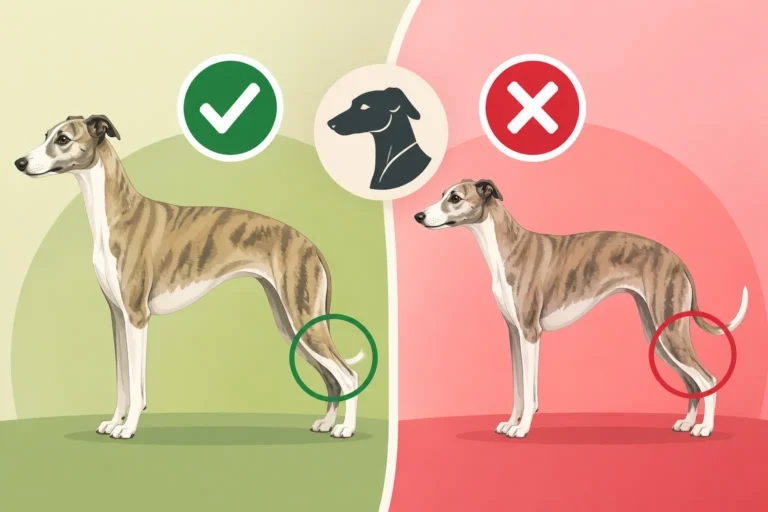
Whippets are recognizable to many people because of their lean outline, deep chest, tucked-up waist, and long legs. Their short coats also require relatively little grooming compared with breeds that need regular trimming or extensive coat care. For busy households, that can make day-to-day maintenance feel manageable.
The same appearance can be a point of confusion. People unfamiliar with the breed may mistake a healthy, lean Whippet for an underfed dog, or assume the dog’s delicate-looking frame means it is too fragile for ordinary life. A good introduction to the breed’s shape and proportions is What a Whippet Actually Weighs. Clear, responsible explanations of the breed may help it attract suitable homes, rather than simply increasing curiosity about its looks.
A long history that still gives the breed a story
The Whippet’s history offers another reason people become interested. The breed is associated with working-class communities in northern England, where dogs were valued for both their speed and their usefulness. That background gives the Whippet a compelling identity beyond its modern role as a companion or show dog. Readers interested in that history can explore The Poor Man's Racehorse: Whippets in the Northern Coalfields.
A strong story can help a breed stay visible, but history alone does not determine popularity. People usually choose a dog based on practical questions: whether it fits their home, how much exercise it needs, how it behaves around children or cats, and whether they can find responsible support. Whippets are more likely to retain lasting interest when their history is paired with realistic information about modern life with the breed.
What Could Limit Whippet Popularity
A strong prey drive and the need for secure exercise
A Whippet’s speed is part of its appeal, but it also affects everyday safety. Many Whippets have a strong instinct to chase moving animals. If a squirrel, rabbit, or outdoor cat catches a dog’s attention, a recall cue may not be enough to stop it. That makes secure fencing and careful leash habits important considerations for prospective owners.
This can make the breed a poor match for someone who expects to rely on off-leash walks in open spaces. It can also surprise people who think a calm indoor dog will automatically be easy to manage outdoors. The issue is not that every Whippet will chase every animal in every situation; individual behavior varies. Still, the risk deserves honest attention, especially for homes near busy roads or wildlife. Why a Whippet Cannot Be Let Off Leash in an Open Field explores why this safety concern matters.
Cold sensitivity and a need for comfortable places to rest
Whippets have little body fat and a short coat, so many are sensitive to cold and appreciate warm, padded places to sleep. Owners may find themselves keeping a coat near the door for chilly walks and arranging soft beds in the rooms where the family spends time. That is a manageable routine for many households, but it is still part of the breed’s care needs.
Practical details can matter more than a breed’s reputation. A person who wants a dog to live outdoors, spend long periods in cold weather, or tolerate rough conditions without extra care may be better suited to a different breed. Whippet owners often solve the comfort issue with coats, blankets, and supportive bedding. Retailers such as Chewy can be one place owners look for everyday supplies, though the important choice is finding items that fit the individual dog and home. A Whippet Has No Insulation and No Padding explains why warmth and soft resting places are more than decorative extras.
The challenge of finding a responsible source
When interest in a breed grows faster than the number of responsible breeders or suitable rescue dogs, prospective owners may face long searches. They may encounter waitlists, travel requirements, or sellers who advertise puppies with little information about health, temperament, or the conditions in which the dogs are raised. That frustration can push people toward a quick decision when patience and careful questions are safer.
A healthy future for the breed depends less on having more puppies available immediately and more on thoughtful breeding and informed placements. Prospective owners can ask how parent dogs are assessed, what support is offered after a puppy goes home, and how the breeder decides which homes are appropriate. The Health Tests Both Whippet Parents Should Have offers a useful starting point for understanding the importance of health information. Responsible placement may slow the process, but it helps protect dogs and families from preventable mismatches.
What May Shape the Breed’s Future
Visibility can rise without making a breed a passing fad
A Whippet may become more visible through a memorable television appearance, a popular social media account, or a local racing or coursing community. That can prompt people to search for the breed, attend an event, or meet an owner. Yet a burst of attention does not necessarily mean the breed will become broadly popular. Interest can fade when people discover that a dog’s needs do not match their assumptions.
A steadier kind of visibility comes from owners sharing honest experiences: the dog’s comfort needs, its exercise and safety requirements, its temperament, and its quirks at home. That kind of information attracts people who are more likely to be prepared. It can also help separate a genuine fit from a temporary attraction to a striking silhouette or a viral video.
Popularity depends on more than how many people want a puppy
The future of the Whippet is shaped by several connected factors. Public interest matters, but so do responsible breeding, the number of homes suited to the breed, available veterinary knowledge, rescue and rehoming pathways, and how well people understand Whippet behavior. Popularity measured by attention may not match the number of dogs being responsibly placed.
| Factor | How it can affect the breed’s visibility | What prospective owners can do |
|---|---|---|
| Media and social attention | Can introduce Whippets to new audiences quickly | Look beyond short videos and learn about everyday care |
| Responsible breeding | Influences the availability of well-planned litters | Ask about health, temperament, and breeder support |
| Lifestyle fit | Determines whether new owners can meet the dog’s needs | Consider secure exercise, warmth, and prey drive |
| Breed education | Helps prevent mismatches based on appearance alone | Meet adult Whippets and talk with experienced owners |
| Rescue and rehoming | Gives some people a route to adult dogs | Ask organizations about history, behavior, and support |
For example, a family may become interested after seeing a Whippet race, then realize that their unfenced yard and nearby wildlife make daily off-leash running unrealistic. Another household may have secure outdoor space and enjoy training, but be unprepared for the dog’s sensitivity to cold. Good information helps both families make a thoughtful decision, whether they ultimately choose a Whippet or another breed.
The breed’s best prospects may come from a steady, suitable audience
Whippets do not need to become a household name to have a secure future. A breed can remain well loved among a relatively modest number of knowledgeable owners, breeders, and clubs. In some ways, steady demand from prepared homes may serve dogs better than a sudden surge driven mainly by appearance or trends.
That does not mean popularity is irrelevant. If public interest becomes too limited, finding responsible breeders, experienced veterinary care, or local breed communities may become more difficult. The balance is a healthy level of awareness: enough people know and appreciate the breed, while prospective owners still have access to honest advice and careful placement.
How to Judge Whether a Whippet Fits Your Life
Separate admiration from practical readiness
It is easy to fall for a Whippet’s looks or speed. Before deciding, picture an ordinary week rather than an ideal one. Where will the dog run safely? How will you manage walks around squirrels and rabbits? Will you keep warm gear near the door in winter? Is there a comfortable resting place in the rooms where your family spends time?
Also consider the less glamorous parts of ownership. A Whippet may need patient recall training, secure handling, regular dental care, and support around cold weather. If you are comparing the breed with others, The Whippet Against the Greyhound and the Italian Greyhound can help clarify the differences in size and general type. Meeting adult dogs in person is useful, too: it gives you a better sense of the breed’s energy and temperament than photographs can.
Find community knowledge before you need it
Experienced Whippet owners can explain the practical details that are easy to miss during early research. They may share what equipment they use, what they wish they had known before bringing a puppy home, or how they arrange safe exercise. Local breed clubs, responsible breeders, and reputable rescue organizations can also help you understand whether the breed suits your household.
A retailer can help with supplies, but shopping is not a substitute for breed-specific guidance. For example, Chewy may be convenient when an owner needs to compare everyday bedding or grooming items, while fit, durability, and the dog’s comfort should guide the final choice. It is sensible to learn what you actually need before filling a cart with products based on a generic checklist. What Whippet Owners Wish They Had Known can help prompt questions for conversations with current owners.
Expect the breed’s popularity to ebb and flow
No one can reliably predict exactly how visible the Whippet will be in the years ahead. Attention will likely move with media trends, local communities, and changing preferences about companion dogs. The more useful question for a prospective owner is whether the breed’s needs and temperament fit their life—not whether Whippets are having a moment.
If you already share your home with a Whippet, you can help the breed’s reputation by describing the dog honestly. Talk about the affection and quiet companionship, but also explain the need for secure running space, warmth, and thoughtful management around prey. If you are still considering one, take time to meet dogs, ask careful questions, and choose a responsible route to ownership. Chewy and similar retailers may make basic supplies easier to find, but a prepared home and dependable support matter far more to a dog’s long-term well-being than a trend does.
Disclaimer
This article is for general informational purposes only and does not constitute professional advice. Laws, prices and regulations vary by location and change over time. Consult a qualified professional for guidance on your specific situation.