When a Whippet Overheats Under Its Coat
It’s a common scenario: you bundle your sleek, short-coated whippet into their coziest fleece or warmest winter coat, convinced they must be freezing. After all, they have virtually no body fat and delicate skin! But here’s a surprising truth many whippet owners discover the hard way: your well-intentioned layers can actually put your whippet at risk of overheating, especially if you're not paying close attention to the conditions. This guide will walk you through why whippets can overheat despite their lean build, how to spot the signs, and most importantly, how to prevent it.
The Whippet's Unique Thermoregulation Challenges
Whippets are built for speed, not for extreme temperatures. Their slender, athletic bodies, thin skin, and lack of insulating body fat mean they struggle to regulate their temperature at both ends of the spectrum. While much attention is rightly given to keeping them warm, it’s just as vital to understand their vulnerability to heat.
Why Whippets Are So Sensitive to Temperature Extremes
Think about your whippet's physique. They are the epitome of lean muscle and fine bone, with very little in the way of natural padding or insulation. This is what makes them so graceful and swift, but it also means their bodies don't hold heat well in the cold, and conversely, they can absorb and retain heat surprisingly quickly, especially when insulated by a coat. Unlike breeds with thick fur or a double coat, a whippet's single, sparse layer offers minimal protection against direct sunlight or trapped warmth.
You've probably noticed your whippet shivering indoors even when you feel comfortable, which is why we often reach for those adorable pajamas and sweaters. But this same lack of natural insulation means they rely heavily on their environment and external layers to maintain warmth. When those external layers become too much, or the environment shifts, their system can quickly go into overdrive trying to cool down. It’s a delicate balance, and A Whippet Has No Insulation and No Padding really drives this point home. Their thin skin, while lovely to touch, doesn't offer much barrier against a coat that's becoming too hot against their body.
The Double-Edged Sword of Coats and Pajamas
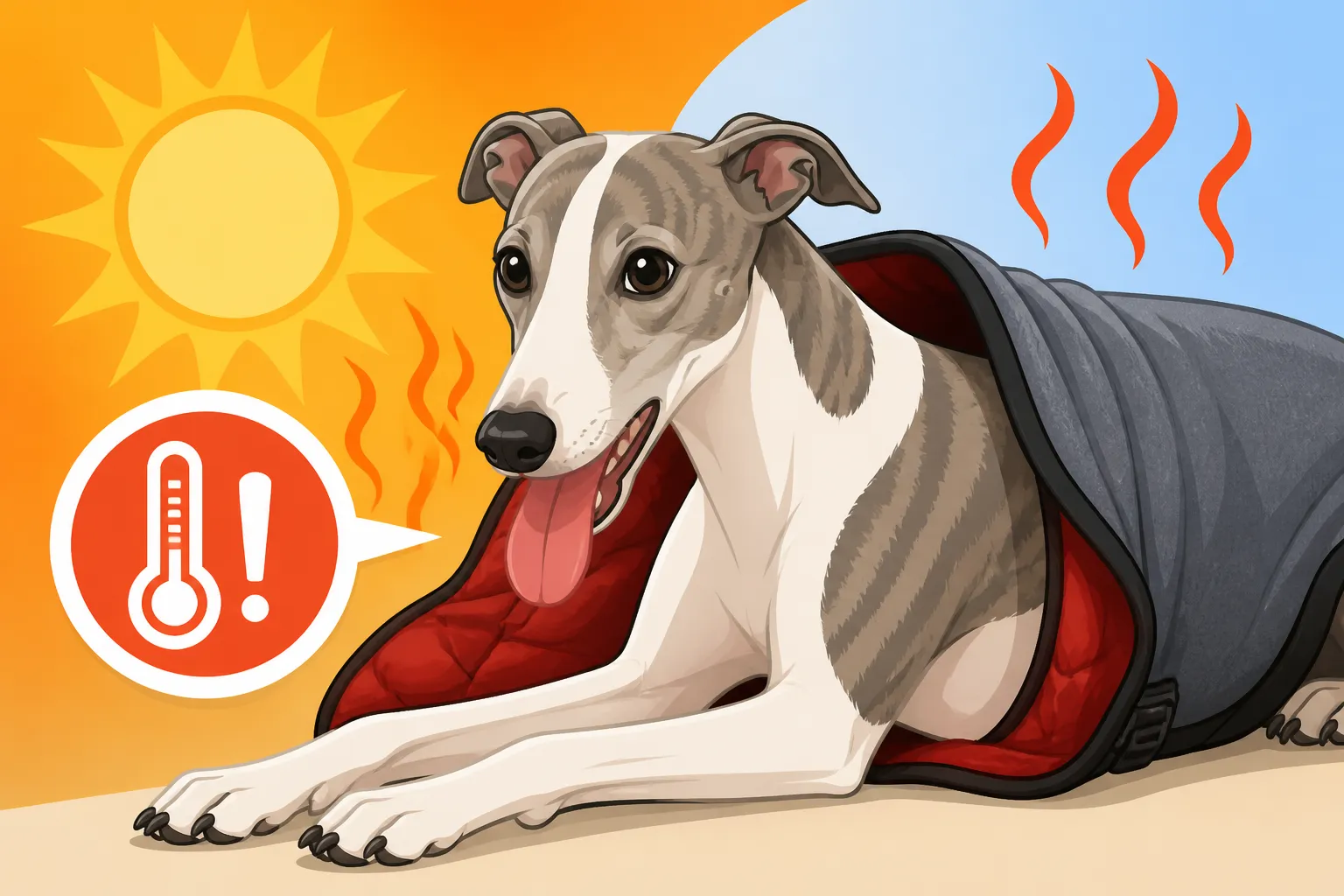
We buy whippets coats and pajamas with the best intentions – to keep them snug and prevent shivering. And for good reason, a whippet really does feel the cold! But these very garments, if not chosen or used correctly, can become a hazard. Consider a brisk winter morning walk where your whippet is wearing a heavy, waterproof coat. They're trotting along, maybe having a good sprint or two, and their body temperature starts to rise from the exertion. That coat, designed to trap warmth, is now trapping excess warmth. It's like wearing a ski jacket while running a marathon.
Another common scenario is leaving a coat on too long indoors after coming in from the cold, or even putting a coat on a whippet for a trip in a heated car. They might be still for a while, but then the car warms up, or they get excited by the destination, and suddenly they're overheating in their own sauna suit. It’s critical to remember that while a whippet generally needs protection from the cold, their activity level and the ambient temperature both play huge roles in whether that protection becomes a danger.
Recognizing the Signs of Overheating in a Whippet
Because whippets are often stoic, it can be tricky to tell when they're merely warm versus truly in distress. Learning the subtle clues is crucial for their safety.
Subtle Clues and Obvious Red Flags
The earliest signs of overheating might be easy to miss, but they're important indicators. Your whippet might start panting a little more heavily than usual, even if they haven't been exercising intensely. Their breathing might become slightly labored or rapid. You might notice their gums looking brighter red than their normal healthy pink, or feel their ears are unusually warm to the touch. They might also become a bit lethargic or seek out cool spots more urgently than usual. This is their body's way of saying, "I'm getting too hot, please help!"
As overheating progresses, the signs become much more severe and alarming. You might see excessive drooling, a very rapid heart rate, or notice your whippet staggering, stumbling, or even collapsing. Vomiting and diarrhea can also occur. In extreme cases, a whippet could suffer from heatstroke, which is a life-threatening emergency. Their muscles might tremor, or they could experience seizures. If you ever see these more serious red flags, do not hesitate – this is a critical emergency.
Differentiating Heat Stress from Normal Exertion
It's natural for a whippet to pant after a good sprint, especially if they've been really tearing it up in the yard or at the park. They are incredibly athletic animals, after all. The key is to differentiate this normal, post-exercise panting from true heat stress. After a short burst of activity, a healthy whippet should recover relatively quickly, and their panting should subside within a few minutes. Their gums should remain a healthy pink, and their overall demeanor should be bright and engaged, albeit tired.
With heat stress or overheating, the panting will persist, even after they've stopped exercising or moved into the shade. It might become frantic, shallow, and ineffective. Their eyes might appear glazed, and they'll seem genuinely uncomfortable or distressed. They won't just look tired; they'll look ill. If you try to offer them water, they might refuse, or drink frantically, only to vomit it back up. Always trust your gut: if your whippet looks "off" and feels unusually warm, it’s better to be safe than sorry.
Preventing Overheating: Smart Coat Choices and Activity Management
Prevention is always better than cure when it comes to heat-related issues in whippets. Thoughtful planning can make all the difference.
Choosing the Right Coat for the Weather
When it comes to whippet apparel, more isn't always better. The key is appropriate layering and material choice. For truly cold, dry weather, a good fleece or wool coat that provides insulation without bulk is often perfect. If it's wet or snowy, a waterproof shell over a lighter fleece might be necessary, but remember that waterproof materials don't breathe as well.
The goal is to keep them warm without creating a 'sauna effect.' Always consider the ambient temperature, humidity, and their activity level. On a cool, but not freezing, day, a simple fleece might be enough for a walk, whereas a heavy winter coat could be overkill, especially if they're going to be running. If it's just a bit chilly, and you're stepping out for a quick potty break, a lightweight vest might be all they need, or even no coat at all if they'll be moving quickly. Understanding The Wardrobe a Whippet Needs Because It Has No Body Fat can help you build a practical collection without overdoing it. A good rule of thumb is that if you're comfortable in a light jacket, your active whippet might not need a heavy coat, or might need a lighter one. And if it's over 60-65°F (around 15-18°C), most whippets will be better off without a coat, even if it's breezy. For specific temperature guidelines, you might find The Temperature at Which a Whippet Needs a Coat helpful.
Timing Exercise and Providing Shade/Water
This is perhaps the most crucial prevention strategy. Whippets love to run and play, but their delicate physiology means you need to be smart about when and where they do it. Avoid exercising your whippet during the hottest parts of the day, especially in summer. Early mornings and late evenings are generally much safer. If you live in an area with high humidity, remember that humidity makes it much harder for dogs to cool themselves through panting.
Always ensure your whippet has access to fresh, cool water, especially after any exercise. Carry a portable water bowl and a bottle of water on walks. Seek out shaded areas for breaks, even on seemingly mild days. If you're going to a park, find one with plenty of trees or sheltered spots. How a Whippet Handles Summer Heat is an excellent resource for more tips on managing warmer weather. Never leave your whippet unattended in a car, even with windows cracked, as temperatures can rise to dangerous levels incredibly quickly.
When to Shed the Layers (or Avoid Them Altogether)
It's not just about choosing the right coat, but also knowing when to take it off or forgo it entirely. If you've just come in from a walk where your whippet was wearing a coat and running around, remove the coat as soon as you're inside. Don't leave it on "just in case" they get cold; let their body adjust naturally. If they seem chilly later, you can always put pajamas back on, but it's much safer to cool them down first.
Consider the temperature. If it's a sunny day, even if it's cool, the sun's rays can quickly heat a dark-colored coat. In these situations, a lighter-colored coat might be preferable, or no coat at all if they're going to be active. For indoor comfort, Whether a Whippet Needs a Coat Indoors is a good read. Most homes are warm enough for a whippet without a coat unless they're prone to shivering when still or sleeping. If your whippet is wearing a coat and you notice their panting increasing or them seeking out cool tile, take the coat off immediately.
Here's a quick guide to coat considerations:
| Temperature Range (Fahrenheit/Celsius) | Activity Level | Recommended Coat Type | Notes |
|---|---|---|---|
| Below 20°F / -6°C | Low to Moderate | Heavy Winter, insulated, waterproof | Crucial for short potty breaks. Limit outdoor time. |
| 20-35°F / -6-2°C | Moderate | Insulated Winter Coat | Good for walks, ensure warmth without bulk. Consider booties for icy conditions. |
| 35-45°F / 2-7°C | Moderate to High | Mid-weight Fleece/Wool | Many whippets need a layer. Monitor for overheating during strenuous play. |
| 45-60°F / 7-15°C | High | Light Fleece/Raincoat | Often only needed if raining/windy or for less active dogs. Active dogs might need no coat. |
| 60-70°F / 15-21°C | Any | No Coat | Avoid coats unless extremely sedentary. Monitor for heat stress, provide water and shade. |
| Above 70°F / 21°C | Any | No Coat, Cooling Vest | Absolutely no coats. Focus on cooling strategies like Whether a Whippet Needs a Cooling Coat in Summer. |
What to Do If Your Whippet Overheats
Despite your best efforts, sometimes overheating can still happen. Knowing how to react quickly and effectively can make a critical difference.
Immediate First Aid Steps
If you suspect your whippet is overheating, your absolute first priority is to get them out of the heat source and start cooling them down gradually.
- Move to a cool area immediately: Get them into shade, an air-conditioned room, or near a fan. Remove any coats, blankets, or harnesses that might be trapping heat.
- Offer water: Give them access to fresh, cool (not ice cold) water. Don't force them to drink, but encourage it. You can also offer ice cubes to lick.
- Apply cool water: Gently wet their paws, ear flaps, and groin area with cool water. You can use a damp towel or sponge. Never use ice water or immerse them completely in cold water, as this can cause their blood vessels to constrict, trapping heat in their core, and can lead to dangerous shock.
- Fan them: Use a fan or even a piece of cardboard to create air circulation around them, helping the evaporative cooling process.
- Monitor their temperature (if possible): If you have a rectal thermometer and know how to use it safely, take their temperature. A normal dog temperature is around 101.5°F (38.6°C). Anything over 103°F (39.4°C) is cause for concern, and over 105°F (40.5°C) is a severe emergency requiring immediate veterinary attention.
Continue these cooling methods until their panting starts to subside, and they appear more comfortable and alert. Even if they seem to recover, it's often wise to contact your vet for advice, especially if the overheating was significant.
When a Vet Visit Is Critical
While immediate first aid is essential, there are times when home cooling simply isn't enough, and professional veterinary intervention is non-negotiable. If your whippet exhibits any of the severe signs mentioned earlier—staggering, collapsing, uncontrollable vomiting or diarrhea, seizures, dark red or purple gums, or a sustained temperature above 104-105°F (40-40.5°C)—you need to get them to an emergency vet immediately.
Don't wait to see if they improve. Heatstroke can cause rapid and severe damage to internal organs, including the brain, kidneys, and liver, and can be fatal. On the way to the vet, continue your cooling efforts in the car. Call ahead if you can, so the veterinary staff can be ready for your arrival. Even if your whippet seems to bounce back, a vet visit is still highly recommended to check for any underlying damage or complications that might not be immediately obvious. It's truly an emergency that needs swift and decisive action, and understanding What a Sighthound Vet Costs Over a Whippet's Life can help prepare you for potential emergency expenses, although cost should never be a barrier to seeking life-saving care. You can also find many emergency pet supplies on platforms like Chewy or Amazon to have a first-aid kit ready for such incidents.
Remember, our whippets rely on us to keep them safe and comfortable. By understanding their unique needs and staying vigilant, we can prevent these scary overheating situations and ensure they live long, happy, and healthy lives.
Disclaimer
This article is for general informational purposes only and does not constitute professional advice. Laws, prices and regulations vary by location and change over time. Consult a qualified professional for guidance on your specific situation.