Whether a Whippet Needs a Vet Who Knows Sighthounds
Whippet veterinary care requires sighthound knowledge to safely manage low body fat anesthesia protocols, unique bloodwork, and thin skin.
Know what to watch for.
Breed-specific conditions, screening and DNA tests, what surgery actually costs, and the daily habits that stretch a healthy lifespan.
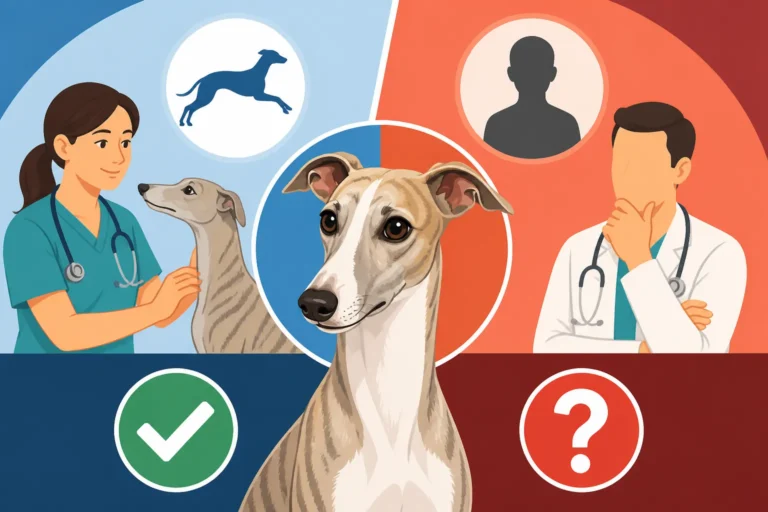
Whippet veterinary care requires sighthound knowledge to safely manage low body fat anesthesia protocols, unique bloodwork, and thin skin.
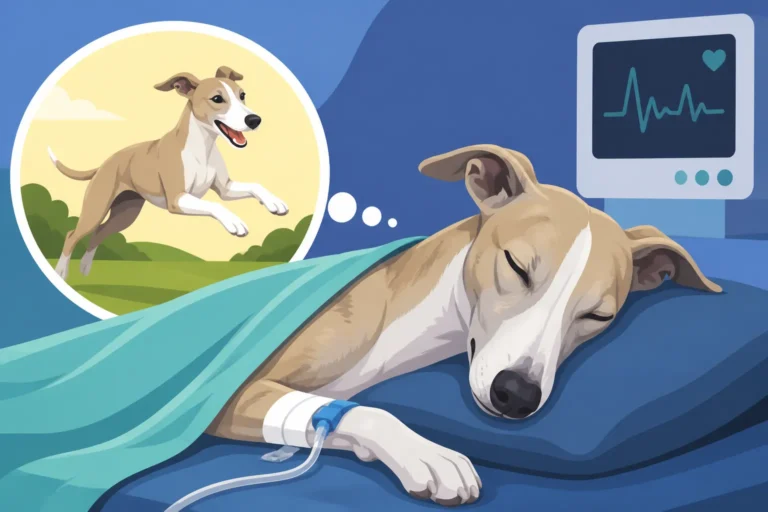
Whippet anesthetic recovery times depend on lean body composition, drug sensitivities, and body temperature regulation issues.
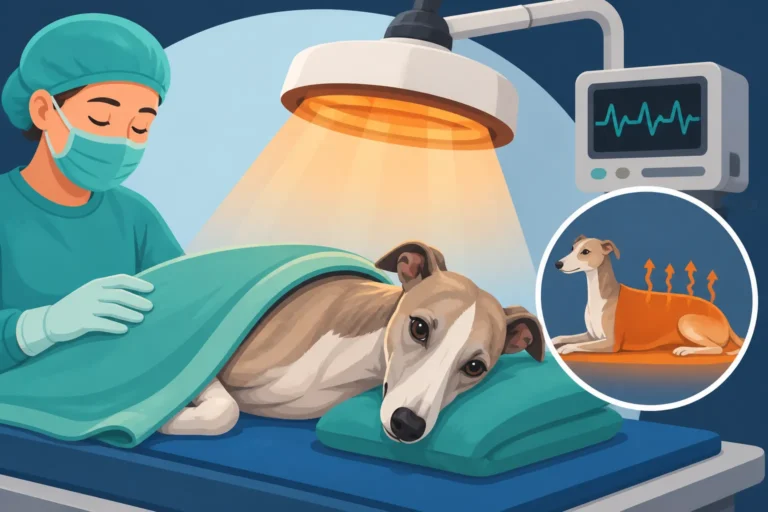
Anesthesia disrupts the hypothalamus and vasodilation in Whippets, causing rapid hypothermia and delayed surgical recovery.
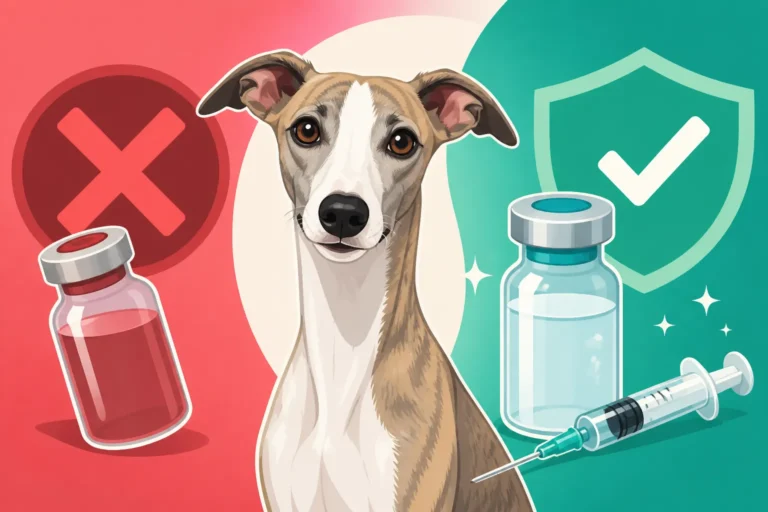
Propofol safety for Whippets explains why low body fat and unique liver enzymes complicate standard veterinary anesthesia.
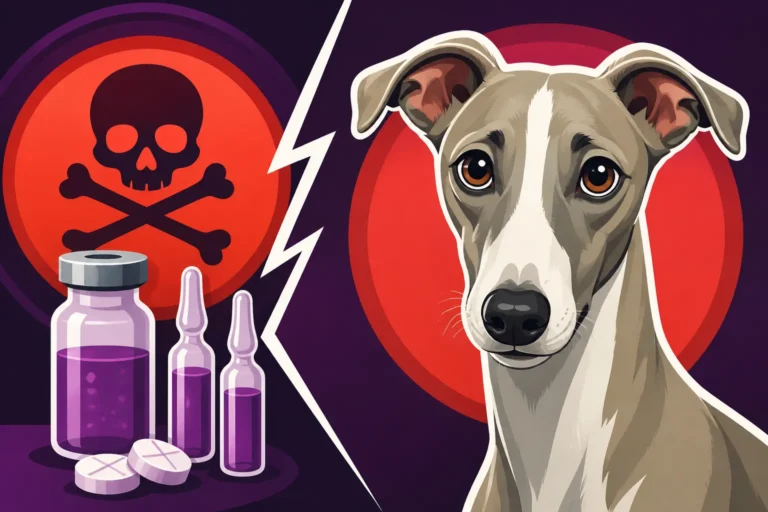
Thiobarbiturates pose severe anesthesia risks to Whippets due to low body fat, causing dangerously prolonged recoveries.
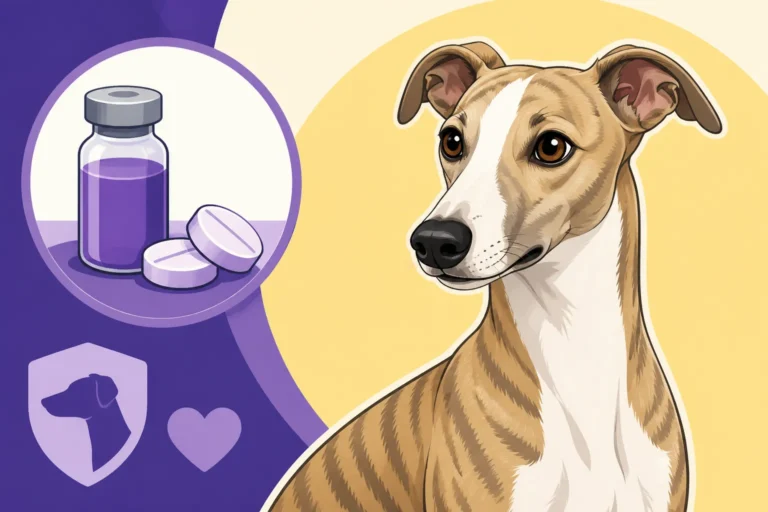
Acepromazine is a veterinary tranquilizer requiring caution for Whippets due to their unique sighthound physiology and lean body fat.

Bully Whippet muscle mass and myostatin gene mutations affect daily pet care needs, exercise, and potential health challenges.

Bully Whippet marketing uses misleading rare labels to hide a myostatin gene mutation causing double muscle mass in dogs.
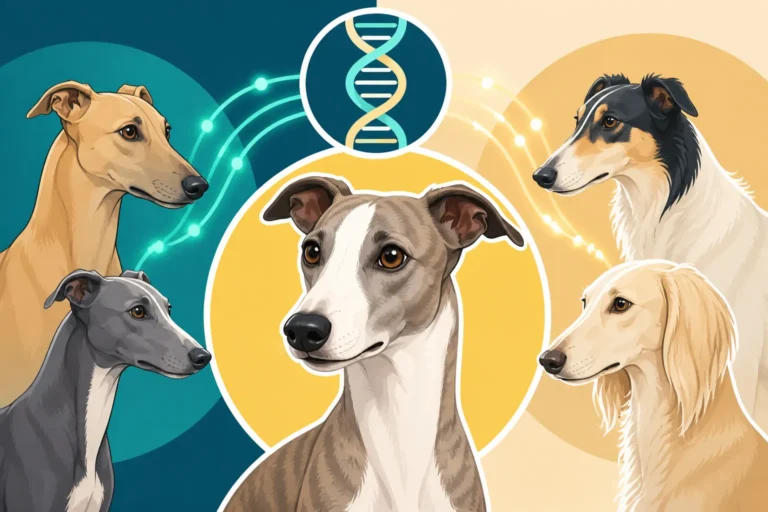
The myostatin gene mutation causing Bully Whippet Syndrome explains exaggerated muscle growth and inheritance patterns in sighthounds.
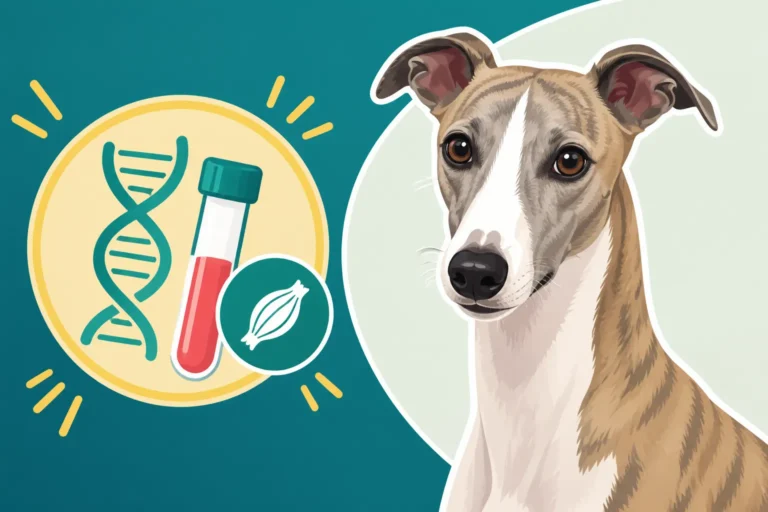
The myostatin genetic test for a Whippet costs between sixty-five and one hundred twenty dollars using a cheek swab method.