Why a Whippet Steals Silently
One of the most perplexing and, let's be honest, sometimes infuriating behaviors a Whippet owner can encounter is the silent theft of cherished items. You turn your back for a moment, and that delicious snack you just set down, your reading glasses, or even a favorite sock has vanished into thin air, with no tell-tale bark or crashing sound. This guide is here to shed light on why your elegant Whippet masters the art of stealthy pilfering and, more importantly, how you can curb this cunning habit.
Understanding the Whippet's Instinctual Drive to "Acquire"
It might seem like pure mischief when your Whippet snatches something right under your nose, but often, it's rooted in their deep-seated instincts. Whippets, like many sighthounds, are wired for speed, observation, and a keen focus on movement and opportunity. This translates into a dog that is incredibly aware of its surroundings, always scanning for something interesting – whether it's a squirrel in the yard or a sandwich on the coffee table.
The Hunter's Gaze and Opportunistic Nature
Imagine their ancestors, bred to spot small game from a distance and pursue it with lightning speed. While your modern Whippet might not be hunting rabbits in the field every day, that instinctual drive to locate and "acquire" remains very much alive. When they see a forgotten treat or a shiny object, it can trigger that same primal urge. It's not necessarily about defiance; it's about seeing an opening and acting on it, often with incredible efficiency. They've learned that humans sometimes leave valuable resources unguarded, and they're more than happy to "collect" them. This opportunistic nature is a hallmark of the breed, a direct link to their heritage. They see, they want, they take – often before you even realize what's happening.
Boredom and Novelty Seeking
Beyond pure instinct, sometimes a Whippet's silent thievery stems from boredom or a desire for novelty. Whippets are intelligent creatures, and while they might be famous couch potatoes, their minds still need stimulation. If they're not getting enough mental exercise, whether through training, puzzle toys, or engaging playtime, they might create their own "games." What's more exciting than a forbidden item? The thrill of the chase, even if it's just the mental game of getting away with it, can be a powerful motivator. A new texture, an interesting smell, or the challenge of getting something off a counter can be incredibly rewarding for a dog looking for something to do. They're not just taking the item; they're engaging in a complex activity that stimulates their senses and intellect. Providing appropriate outlets for this energy and curiosity can go a long way in preventing unwanted "acquisitions."
The Art of Stealth: How Whippets Perfect Silent Thievery
This is where the Whippet truly shines as a master criminal. They don't bark, they don't crash about, and they certainly don't advertise their intentions. Their methods are subtle, efficient, and often executed with a grace that almost makes you admire their cunning.
Their Physicality: Quiet and Quick
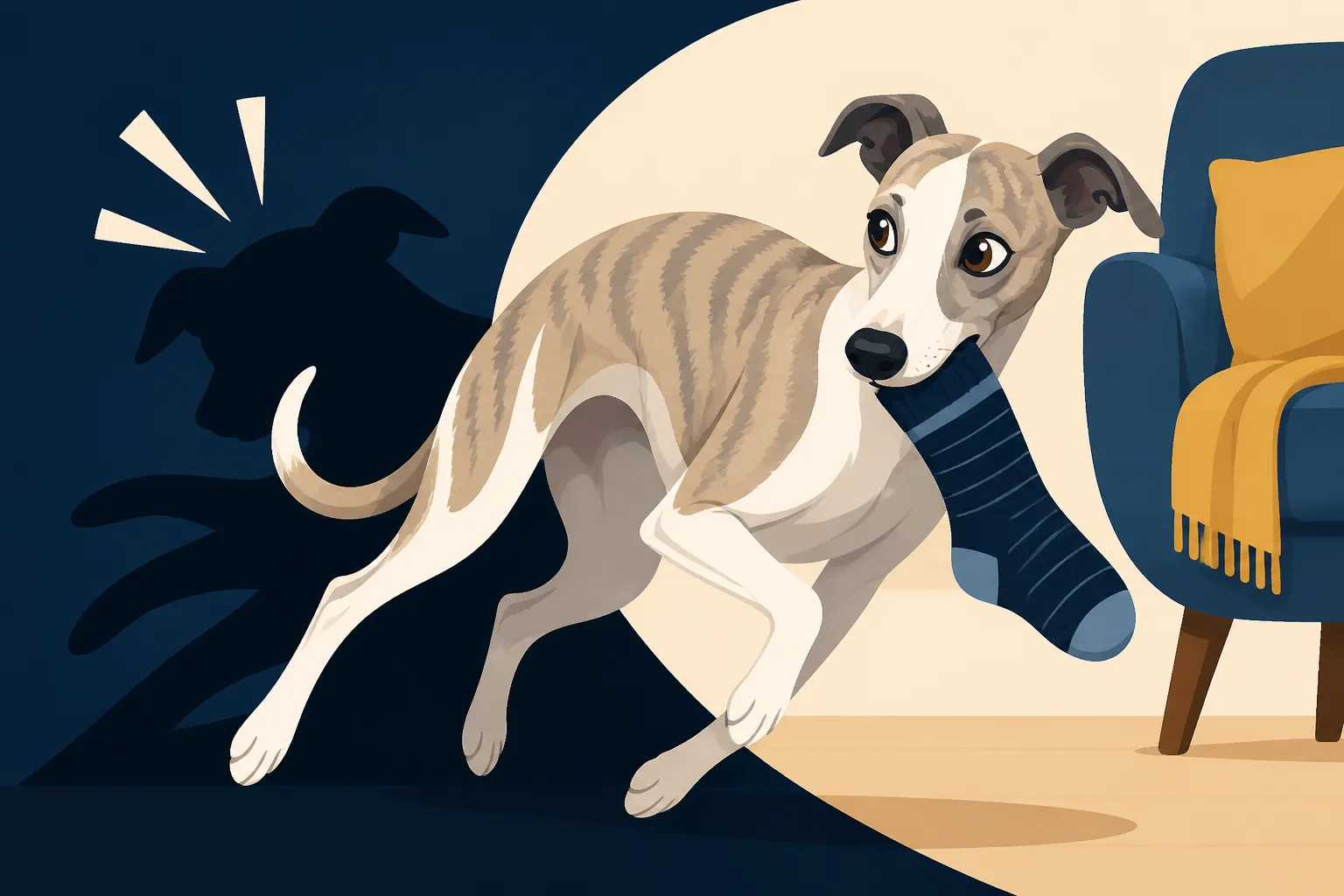
Whippets are built for speed and agility, but these same attributes make them incredibly stealthy indoors. Their light, lean bodies move with minimal sound. There's no heavy thud of paws on the floor; instead, you get a whisper of movement. Their short coats don't catch on furniture, and their long necks allow them to reach surprising heights with minimal effort. They can slink low, glide past without a ruffle, and be gone before you've registered their presence. This physical elegance is a huge advantage in their thieving endeavors. They can maneuver tight spaces, slip under obstacles, and disappear with their bounty, leaving barely a ripple in their wake. This silent approach is often what catches owners off guard – you simply don't hear them coming or going.
Observation and Timing: The Patience of a Hunter
Perhaps the most impressive aspect of a Whippet's silent stealing is their incredible sense of observation and timing. They are masters of reading human body language and routines. They notice when you're distracted by a phone call, engrossed in a book, or simply looking away for a moment. They learn your habits: when you leave the laundry basket unattended, when you step away from the kitchen counter, or when you place a remote control down "just for a second." They will watch, wait patiently, and strike when the opportunity is ripe. It's almost as if they're calculating the precise moment of maximum vulnerability. This isn't random; it's a calculated move. They’ve perfected the art of observing the window of opportunity, and they seize it without hesitation, making it incredibly difficult to catch them in the act.
Common Targets and Prime Opportunities for a Whippet Thief
Understanding what your Whippet is likely to steal and when they are most likely to do it can help you get ahead of their thieving ways. It's often a combination of appealing items and opportune moments.
Food, Glorious Food!
Let's be real: food is usually at the top of the list. A forgotten sandwich, a plate of cookies left to cool, or even just a discarded wrapper with a tantalizing scent are all irresistible. Whippets are notoriously food-motivated, and their lithe bodies can make them surprisingly effective counter surfers or table snatchers. They know exactly where the good stuff is kept and how to get to it. They're quick, they're quiet, and they're highly efficient when it comes to edibles. This is why you often hear tales of owners losing entire meals in the blink of an eye. Remember, even if they aren't gobbling down a huge meal, a small crumb or a piece of dropped fruit can be a huge reward in their eyes, reinforcing the behavior. Always remember to secure food, especially tempting human treats, beyond their reach.
| Common Stolen Food Items | Why It's Appealing | Immediate Prevention Tip |
|---|---|---|
| Leftover Plate Scraps | High value, strong scent | Clear plates immediately after eating. |
| Countertop Snacks | Easily accessible, visible | Store food in cabinets or high shelves. |
| Bread/Baked Goods | Soft texture, pleasant smell | Keep in airtight containers or fridge. |
| Dirty Dishes in Sink | Lingering food residue | Rinse and load dishwasher promptly. |
| Pet Food (left out) | Easy access, high reward | Put away after meal times, use secure bins. |
Non-Food Items with Curious Appeal
It's not always about food, though. Whippets are curious creatures, and anything new or interesting that falls to the floor or is left within reach can become a target. Socks, underwear, remotes, glasses, children's toys, tissues, mail – the list goes on. These items might be appealing for their texture, scent (especially socks!), or simply because they're novel. The quieter your home, the more noticeable these small, non-food thefts become. They might "collect" these items in their beds, under blankets, or simply carry them around as a trophy. Sometimes, they might even want to engage you in a game of chase, making off with your slipper just to get your attention. It's their way of interacting with their environment and sometimes, with you. They often have specific "stash spots" where their treasures accumulate, a secret hoard known only to them.
Strategies to Prevent Your Whippet from Becoming a Master Thief
Preventing silent theft in your Whippet is a multi-pronged approach that combines management, training, and understanding your dog's needs. It's about outsmarting them with consistency and positive reinforcement.
Management: Securing the Environment
This is your first and most critical line of defense. If they can't get it, they can't steal it. Think like a Whippet and scan your home for potential temptations.
- Countertops and Tables: Keep them clear. Don't leave food cooling or dirty dishes unattended. Invest in secure bread boxes or fruit bowls that your Whippet can't access. Remember, a Whippet's long neck and agility mean they can reach surprisingly high.
- Laundry Baskets: Keep them covered or behind closed doors. Dirty laundry, especially socks and underwear, can be a major draw for some Whippets due to the human scent.
- Small Items: Keep remote controls, glasses, phones, and keys on high shelves or in drawers. Consider a designated "Whippet-proof" zone for these things.
- Crates and Pens: If you can't supervise directly, especially with a young or new Whippet, a crate can be an invaluable tool. It creates a safe, contained space where they can't practice their thieving skills. Read more about Whether a Whippet Can Be Crate Trained for tips on making this a positive experience.
- Baby Gates: Strategically placed baby gates can help restrict access to certain rooms, like the kitchen or dining area, during meal prep or when you can't supervise.
Making sure your environment is secure removes the temptation and prevents your Whippet from rehearsing the unwanted behavior. Every successful "heist" reinforces the behavior, so prevention is key.
Training: "Leave It" and "Drop It" Commands
Consistent training is essential to teach your Whippet what is off-limits and how to release items they've already taken.
- "Leave It": Start with low-value items and gradually increase the difficulty. Place a treat on the floor, cover it with your hand, and say "Leave It." Reward with a different, higher-value treat when they look away or disengage. Practice this relentlessly in various environments and with different distractions. This command teaches impulse control and is vital for preventing the initial snatch.
- "Drop It": This is crucial for retrieving items safely. Teach your Whippet to exchange an item in their mouth for a high-value treat. Start with toys, then move to less desirable items they might try to steal. The goal is to make "dropping it" a positive experience, not a punishment. Never chase your Whippet if they steal something, as this often turns it into a fun game of Why a Whippet's Chase Instinct Overrides Its Recall. Instead, entice them to you with a treat and calmly ask for "drop it."
- Positive Reinforcement: Whippets are incredibly sensitive dogs, and harsh corrections can make them shut down or become more secretive. Focus on rewarding desired behaviors. When they leave something alone, or drop an item, lavish them with praise and appropriate treats. BAXTER & Bella offers excellent online resources and step-by-step guides for teaching these foundational commands with positive methods that truly resonate with a sensitive sighthound. Remember, How a Whippet Learns When It Bruises From Pressure means gentleness and positive reinforcement are paramount for effective training.
Enrichment and Mental Stimulation
A bored Whippet is a creative Whippet, and their creativity often leads to mischief. Providing ample mental and physical exercise can significantly reduce their urge to steal.
- Puzzle Toys: These are fantastic for engaging their minds and can keep them occupied for extended periods. Look for sturdy, challenging puzzle toys on Amazon that dispense treats as your Whippet solves them.
- Training Sessions: Short, daily training sessions (5-10 minutes) can be incredibly stimulating. Practice obedience commands, teach new tricks, or engage in scent work. How Quickly a Whippet Learns means they'll pick things up fast, keeping their minds sharp.
- Appropriate Exercise: While Whippets are often called "40-mile-an-hour couch potatoes," they do need bursts of high-intensity exercise. A good sprint session in a secure, fenced area can burn off energy and satisfy their primal need to run. Remember, What a Whippet Needs Every Day includes both physical activity and mental engagement.
- Chew Toys: Provide a variety of appealing chew toys to satisfy their natural urge to mouth and chew. If they have appropriate outlets for this, they're less likely to seek out forbidden items.
Managing the Aftermath: When Your Whippet Succeeds in Its Heist
Despite your best efforts, there will be times when your cunning Whippet manages to pull off a successful heist. How you react in these moments is crucial for shaping future behavior.
Avoid the Chase Game
The absolute worst thing you can do when your Whippet has stolen something is to chase them. For many dogs, especially sighthounds with their prey drive, being chased is a thrilling game. It reinforces the behavior, making them more likely to steal again just for the fun of the pursuit. Instead, try to remain calm. Call your Whippet to you in a cheerful voice, or entice them with a higher-value treat or toy. The goal is to make coming to you and dropping the item more rewarding than keeping the stolen goods. This might take patience, but it's essential. This approach aligns with understanding What a Whippet Will Work For – usually, it's food or praise!
Focus on Prevention, Not Punishment
Punishing your Whippet after the fact is generally ineffective and can even be detrimental. They won't connect the punishment with the act of stealing, especially if it happened minutes or hours ago. They'll just learn to fear your unpredictable reactions. Instead, focus your energy on reinforcing positive behaviors (like leaving items alone) and improving your management strategies. If they stole something, it's a sign that you need to be more vigilant about securing that particular item or area. It's a learning opportunity for you as much as for them. If your Whippet frequently attempts to snatch things like food from the counter, re-evaluate your household routines and make sure "the counter" is no longer a prime target for The Whippet That Steals Off the Counter.
Understanding Why They Stole
After a theft, take a moment to consider the possible underlying reasons. Was your Whippet bored? Did they miss a walk or a training session? Were they hungry (perhaps needing their meal schedule adjusted)? Or was the item just too irresistible given the opportunity? Sometimes, stealing can be a subtle sign of unmet needs. Addressing these core needs, whether it's more exercise, mental stimulation, or a clearer routine, can reduce the motivation for future thefts. An older Whippet might still retain some of these drives, so even Whether an Old Whippet Still Wants to Run can impact their behavior. Consistent routines and clear boundaries are beneficial for Whippets of all ages.
Disclaimer
This article is for general informational purposes only and does not constitute professional advice. Laws, prices and regulations vary by location and change over time. Consult a qualified professional for guidance on your specific situation.