Whether a Whippet Can Compete in Obedience
Many Whippet owners find themselves wondering if their elegant, speedy companion can truly excel in something as structured as obedience competition. It's a valid question, given their sighthound nature and reputation for independent thought, which can sometimes be mistaken for stubbornness. This guide will delve into the reality of training a Whippet for competitive obedience, exploring their unique temperament, effective training methods, and how to overcome typical sighthound challenges to achieve success in the ring.
Understanding the Whippet's Unique Learning Style for Obedience
It’s easy to look at a Whippet, with its lithe build and intense focus on movement, and assume that traditional obedience, with its precise heeling and stay commands, might be a bridge too far. Many people mistakenly believe that sighthounds, including Whippets, are simply not built for the kind of rigorous, repetitive training often associated with obedience sports. They're seen as too independent, too sensitive, or too easily distracted by a fluttering leaf. But the truth is, while they might approach training differently than, say, a Border Collie, Whippets are absolutely capable of not just participating, but genuinely excelling, in obedience. It’s all about understanding how they learn and adapting your methods to suit their intelligent, yet distinct, personality.
The Myth of the "Untrainable" Sighthound
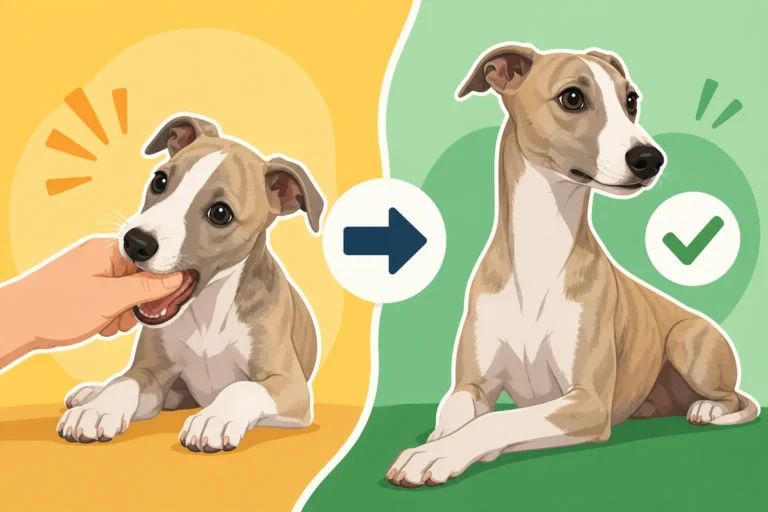
Let's address the elephant in the room: the widespread misconception that sighthounds are "untrainable" for obedience. This idea often stems from their strong prey drive and their historical role as independent hunters, far from the precise command-following dogs bred for herding or guarding. People see a Whippet spot a squirrel and take off at warp speed, seemingly deaf to all calls, and conclude that they lack the desire to please or the intelligence for formal training. This couldn't be further from the truth. Whippets are incredibly intelligent and eager to engage with their people, but they aren't machines. They thrive on partnership, not endless rote drills. If you expect a Whippet to respond like a Labrador, you'll both end up frustrated. Their "stubbornness" is often a misinterpretation of their sensitivity and their tendency to disengage from methods they find unpleasant or boring.
They might not offer ten sits in a row just for the sheer joy of it, but they are quick studies when the motivation is right and the learning environment is positive and engaging. Their intelligence manifests as problem-solving skills and a remarkable ability to learn complex sequences, provided the teaching method respects their nature. The key is to tap into their desire for connection and use it to your advantage, rather than trying to force a square peg into a round hole.
How a Whippet Learns When It Bruises From Pressure
One crucial aspect of training a Whippet is understanding their inherent physical and emotional sensitivity. Unlike some more robust breeds, Whippets possess very thin skin, both literally and figuratively. They are acutely aware of physical pressure, whether it’s a tight collar or a rough hand. This physical delicacy often mirrors an emotional sensitivity; harsh corrections, loud voices, or impatient handling can cause a Whippet to "shut down" or become deeply uncomfortable. This isn't defiance; it's a natural reaction to unpleasant stimuli. As we discuss in How a Whippet Learns When It Bruises From Pressure, their delicate constitution means that pressure-based training techniques, which might be effective for other breeds, can be detrimental to a Whippet.
Instead, Whippets respond incredibly well to positive reinforcement. Think of it as building a bond of trust and mutual respect rather than imposing your will. They want to please you, but they need to feel safe and understood. A sharp tug on a leash or a stern verbal correction can break their spirit quickly and make them reluctant to try new things. Their compliance comes from trust and the belief that engaging with you is a rewarding experience, not from fear of punishment. This means your approach must be gentle, encouraging, and consistently positive to bring out their best.
Why Short, Fun Sessions are Key
Whippets, for all their athletic prowess, have surprisingly short attention spans when it comes to repetitive tasks. They are sprinters, not endurance runners, and this applies to their mental energy for training too. Long, drawn-out training sessions where you drill the same command repeatedly will quickly lead to boredom and disengagement. A bored Whippet is a "stubborn" Whippet. They'll start offering incorrect behaviors, wandering off, or simply lying down and refusing to participate. This isn't them being difficult; it's them telling you the session has gone on too long. This is why Whether Short Sessions Suit a Whippet is such a crucial read for any Whippet owner considering obedience.
The trick is to keep training sessions brief, lively, and incredibly rewarding. Think of 5-10 minute bursts of focused work, interspersed with play breaks or cuddle time. End each session on a high note, even if it means asking for an easy command they know perfectly and showering them with praise and treats. This leaves them eager for the next session. Vary the location, the rewards, and the exercises to keep things fresh and exciting. A Whippet learns quickly when they are having fun, and if they associate training with positive experiences, they will be much more enthusiastic and willing to offer behavior. This builds a positive feedback loop that strengthens both your bond and their performance.
Training Strategies That Truly Click with a Whippet
Successfully training a Whippet for obedience is less about brute force and more about finesse, patience, and understanding their unique motivations. They are not dogs that will perform out of pure subservience. Instead, they thrive on a collaborative approach where they feel like an active participant, not just a recipient of commands. By leaning into their natural inclinations and offering irresistible incentives, you can unlock their incredible potential and build a strong, responsive obedience partner. It’s all about making training a game they want to play.
The Power of Positive Reinforcement and High-Value Rewards
If there's one golden rule for training a Whippet, it's positive reinforcement, and that means really, really good rewards. A piece of dry kibble might work for some dogs, but for a Whippet, you'll need to pull out the big guns. Think tiny pieces of cooked chicken, cheese, hot dogs, or even squeaky toys if your Whippet is highly toy-motivated. The higher the value of the reward, the more motivated your Whippet will be to perform and repeat the desired behavior. We delve into this in more detail in What a Whippet Will Work For.
Coupled with high-value treats, enthusiastic verbal praise ("Yes!" or "Good boy/girl!"), and even a quick game of tug, reinforces the idea that doing what you ask leads to wonderful things. Timing is everything; the reward needs to be delivered within seconds of the correct behavior so your Whippet clearly understands what they are being rewarded for. Clicker training can be particularly effective for Whippets because it provides a precise marker for the exact moment they perform correctly, followed immediately by the high-value reward. This clear communication helps them quickly grasp what you're asking, making training efficient and enjoyable for both of you.
Building a Strong Foundation: Focus and Engagement
Before you can tackle complex obedience routines, you need to establish a rock-solid foundation of focus and engagement. A Whippet that isn't paying attention to you won't be able to execute commands, especially when distractions are present. Start in a quiet, low-distraction environment, like your living room, and work on simply getting and holding your Whippet's attention. Use their name in a happy tone, reward eye contact, and play short games that build connection, like "look at me."
Engagement also comes from making yourself more interesting than the environment. This might mean having the best treats, making silly noises, or running a few steps away to encourage them to follow. Whippets often naturally want to be close to their people, leveraging this bond is a huge advantage. As they progress, gradually introduce mild distractions, always setting them up for success. This foundational work is critical for teaching them that even when there are tempting squirrels or interesting smells nearby, focusing on you is the most rewarding choice. Online programs like those offered by BAXTER & Bella can be incredibly helpful for structured lessons on building engagement from puppyhood, ensuring you lay a strong groundwork for future obedience success.
Proofing Commands in Distracting Environments
Once your Whippet understands a command in a quiet setting, the real challenge begins: proofing it in increasingly distracting environments. This is where many sighthound owners hit a wall, especially with recall, as discussed in Teaching a Whippet an Emergency Recall. Their instinct to chase overrides everything else. The key is to generalize the behavior slowly and systematically. Start with slightly more distracting environments, like your backyard, then a quiet park on a long line, and slowly build up to busier places.
Always set your Whippet up for success. Don't ask for a rock-solid stay next to a group of running children if they've only practiced in your kitchen. Increase distractions incrementally, and always be prepared with those high-value rewards. If your Whippet struggles, go back a step or reduce the distraction level. A long line, available on Amazon, can be an invaluable tool during this phase, allowing your Whippet a sense of freedom while giving you the security to prevent them from practicing undesirable behaviors like ignoring you. Remember, every successful repetition in a distracting environment strengthens the behavior and builds their confidence, and yours!
Common Challenges and Solutions in Whippet Obedience Competition
Every breed has its quirks and challenges in competitive obedience, and Whippets are no exception. Their sighthound heritage and inherent sensitivities present unique hurdles that, with the right understanding and approach, can be transformed into strengths or at least effectively managed. It's about acknowledging these challenges and developing tailored strategies rather than trying to fit them into a generic training mold.
Managing the Whippet's Prey Drive and Recall
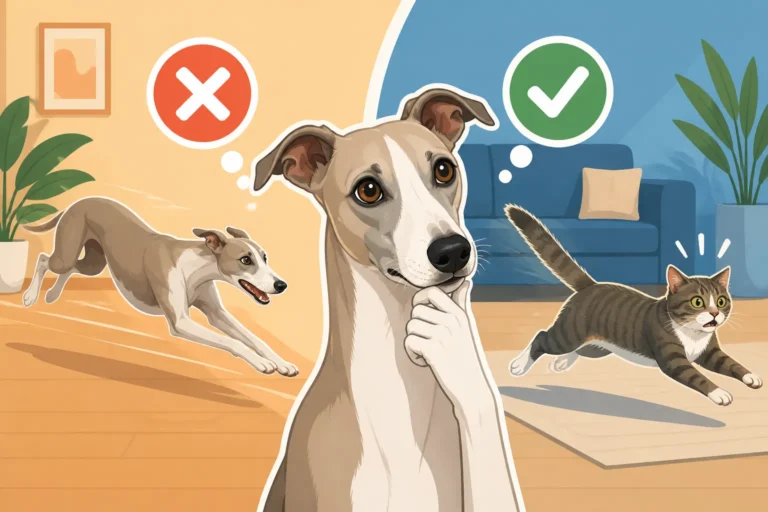
Perhaps the biggest hurdle for any Whippet owner contemplating off-leash obedience work is their powerful prey drive. That sudden flash of a rabbit, squirrel, or even a blowing leaf can instantly trigger their chase instinct, rendering them temporarily deaf to all commands. Their speed, which is their greatest asset, also becomes their biggest liability in a moment of distraction. This is a topic explored extensively in How Lure Coursing Channels a Whippet's Drive, highlighting that this drive isn't something to be extinguished, but rather managed and redirected.
For competitive obedience, particularly exercises requiring off-leash reliability like the recall or the retrieve, managing prey drive is paramount. This requires an almost obsessive focus on proofing the recall in diverse environments, gradually introducing distractions while always keeping your Whippet on a long line until their reliability is unquestionable. Make coming back to you the absolute most rewarding thing they can do, even more rewarding than chasing. Use a distinctive, happy tone and jackpot rewards (multiple treats, a favorite toy, enthusiastic praise) every single time they return. Work on engagement exercises where you are the most exciting thing in the environment. For actual competition, ensure the trial environment is as secure as possible, and that your dog is mentally prepared for the level of distraction.
Navigating Sensitivity to Corrections and Pressure
As discussed, Whippets are incredibly sensitive dogs. A harsh word, a sharp collar correction, or even an unintended stern look can cause them to wilt, shut down, or become anxious and avoidant. In the context of obedience competition, where precision and consistent performance are key, this sensitivity can be tricky. A traditional trainer might advocate for corrections to refine certain behaviors, but for a Whippet, this often backfires. We touch on this in Why a Whippet Shuts Down When Corrected.
Instead of corrections, focus on preventing mistakes and rewarding success. If your Whippet isn't performing a command correctly, analyze why. Are they confused? Distracted? Unmotivated? Break the command down into smaller steps, go back to a less distracting environment, or increase your reward value. If they offer an incorrect behavior, simply ignore it or calmly redirect them to the correct one, then reward. Building confidence is crucial. A Whippet that feels confident and safe in the training environment is far more likely to offer enthusiastic and accurate responses. Ensure that your equipment, such as a well-fitting martingale collar, as explored in Why a Flat Collar Slides Off a Whippet's Neck, or a comfortable harness, is gentle and never causes discomfort or association with negative experiences.
Keeping Enthusiasm High Without Overdrilling
Whippets are intelligent, but they can also get bored easily with repetition. They learn quickly, as noted in How Quickly a Whippet Learns and How Many Repetitions a Whippet Needs, but they also tend to check out if a task becomes too monotonous. This presents a challenge in obedience, where many exercises require precise, repeated movements. The last thing you want is a Whippet dragging its feet in the ring or looking utterly miserable.
The solution lies in smart training practices:
- Keep sessions short and sweet: As mentioned earlier, 5-10 minute bursts are ideal.
- Vary your rewards: Don't always use the same treat or toy. Keep them guessing and excited about what's coming.
- Inject play into training: Use tug, fetch, or chasing games as rewards or between repetitions to keep their energy and focus high.
- Change locations: Practice in different parts of your house, backyard, park, or even friends' homes to keep things novel.
- End on a high note: Always finish with a command they know perfectly and a huge celebration, leaving them wanting more.
- Don't overdrill: Once they understand a concept, move on or take a break. Return to it later, but avoid endless repetitions of the same exact thing. Whether a Whippet Gets Bored of Drilling goes into this further.
By keeping training engaging and fun, you'll maintain your Whippet's enthusiasm, making them a joyful and willing partner in the obedience ring.
Embracing the Journey: Competing in Obedience with Your Whippet
So, you’ve dedicated time and effort to understanding your Whippet’s unique training needs, working with positive reinforcement, and managing those sighthound instincts. The good news is, your Whippet absolutely can compete in obedience, and many do with great success! The journey itself is incredibly rewarding, deepening your bond and providing both of you with mental stimulation and a sense of accomplishment. It's not just about titles; it's about the partnership you build along the way.
Starting with Basic Novice and Graduate Obedience
If you're new to competitive obedience, or if your Whippet is, starting with the basic Novice class is the perfect entry point. This level focuses on fundamental exercises like heel on leash, stand for exam, recall (often on a long line initially, depending on the organization), sit-stay, and down-stay. These are foundational skills that benefit every dog, competitive or not. Don't feel pressured to have perfect performance from day one. The goal is to learn the rules, understand the flow of a trial, and gain experience in a public setting.
As you and your Whippet grow in confidence and skill, you can progress to more advanced levels like Graduate Novice, Open, and Utility. Each level introduces more complex exercises, off-leash work, and longer durations for stays. The key is to enjoy the process and celebrate every small victory. The beauty of a Whippet in the obedience ring is their elegance and speed, which can be truly captivating when paired with precision. Your Whippet might not be as "flashy" as some working breeds, but their unique style and enthusiastic partnership will shine through.
Finding the Right Training Environment and Instructors
Finding the right training environment and instructor is paramount, especially for a sensitive breed like the Whippet. Look for classes that explicitly use positive reinforcement methods and understand sighthound behavior. A good instructor will be patient, encouraging, and flexible in their approach, offering alternative solutions if a traditional method isn't working for your Whippet. They should foster a supportive atmosphere where mistakes are seen as learning opportunities, not failures.
Don't be afraid to audit a class before signing up. Observe how the instructor interacts with the dogs and handlers, and how the dogs are responding. If you see harsh corrections or a focus on intimidating dogs into compliance, it's likely not the right fit for your Whippet. Many dog training clubs, especially those affiliated with organizations like the AKC or UKC, offer beginner obedience classes. You might also look for private trainers who specialize in positive reinforcement or have experience with sighthounds. Online resources, like the comprehensive programs offered by BAXTER & Bella, can also provide excellent structured learning from the comfort of your home, supplementing in-person classes and reinforcing good habits. Always ensure the methods align with your Whippet's sensitive nature.
Beyond the Ring: The Benefits for You and Your Whippet
While the goal might be competitive success, the benefits of obedience training extend far beyond ribbons and titles. For your Whippet, it provides incredible mental stimulation, helps channel their energy in a constructive way, and builds their confidence in new situations. A well-trained Whippet is a happier, more secure Whippet, better equipped to navigate the world. For you, it deepens your bond and communication, transforming your companion into a more responsive and well-mannered member of your family. The time spent training is quality time, building a stronger relationship based on trust and mutual understanding.
Moreover, the skills learned in obedience competition, such as reliable recall, stays, and loose-leash walking, are invaluable in everyday life. You'll feel more confident taking your Whippet to new places, knowing they will listen and respond. Even if you never step into a formal competition ring, the journey of obedience training with your Whippet is an enriching experience that will enhance your life together in countless ways.
Here's a quick comparison of training styles and their general suitability for Whippets:
| Training Style | Primary Method | Whippet Suitability | Why it Works (or Doesn't) for Whippets |
|---|---|---|---|
| Positive Reinforcement | Rewards for desired behavior (treats, praise, toys) | Highly Suitable | Builds trust, high motivation, prevents shutting down; respects their sensitive nature. |
| Force/Correction Based | Physical/verbal corrections for undesired behavior | Not Suitable | Leads to fear, anxiety, shutting down, and avoidance; damages trust and can make them reluctant to try. |
| Clicker Training | Precise marker (click) followed by reward | Highly Suitable | Clear communication for exact behavior, great for fast learners like Whippets, keeps engagement high. |
| Lure Training | Using a treat to guide dog into position | Suitable | Good for initially teaching positions (sit, down), then fading the lure. Appeals to their food motivation. |
| Relationship-Based | Focus on communication, bond, mutual respect | Highly Suitable | Aligns perfectly with their desire for partnership; leverages their natural connection to their people. |
| Aversive Tools | E-collars, prong collars, harsh corrections | Never Suitable | Causes physical discomfort and severe emotional distress; completely counterproductive for a sensitive Whippet and their thin skin. |
Disclaimer
This article is for general informational purposes only and does not constitute professional advice. Laws, prices and regulations vary by location and change over time. Consult a qualified professional for guidance on your specific situation.