Whether a Whippet Needs a Martingale
One of the most frustrating and frankly terrifying experiences for any Whippet owner is watching their beloved dog slip right out of a seemingly secure collar. It’s a heart-stopping moment that can quickly turn dangerous, especially if you're near a busy street or an unfamiliar area. This guide is here to shed light on why traditional collars often fail Whippets and why a martingale collar is frequently the safest and most effective solution for keeping your sleek companion secure.
Why Standard Collars Are a Problem for Whippets
If you've ever owned a Whippet, you know their unique physique isn't just for show – it's built for speed and agility. Unfortunately, those same traits that make them such magnificent athletes can also make them incredibly adept escape artists when it comes to standard collars. It's not a flaw in the dog, but a design mismatch with generic pet products.
The Unique Sighthound Neck Shape
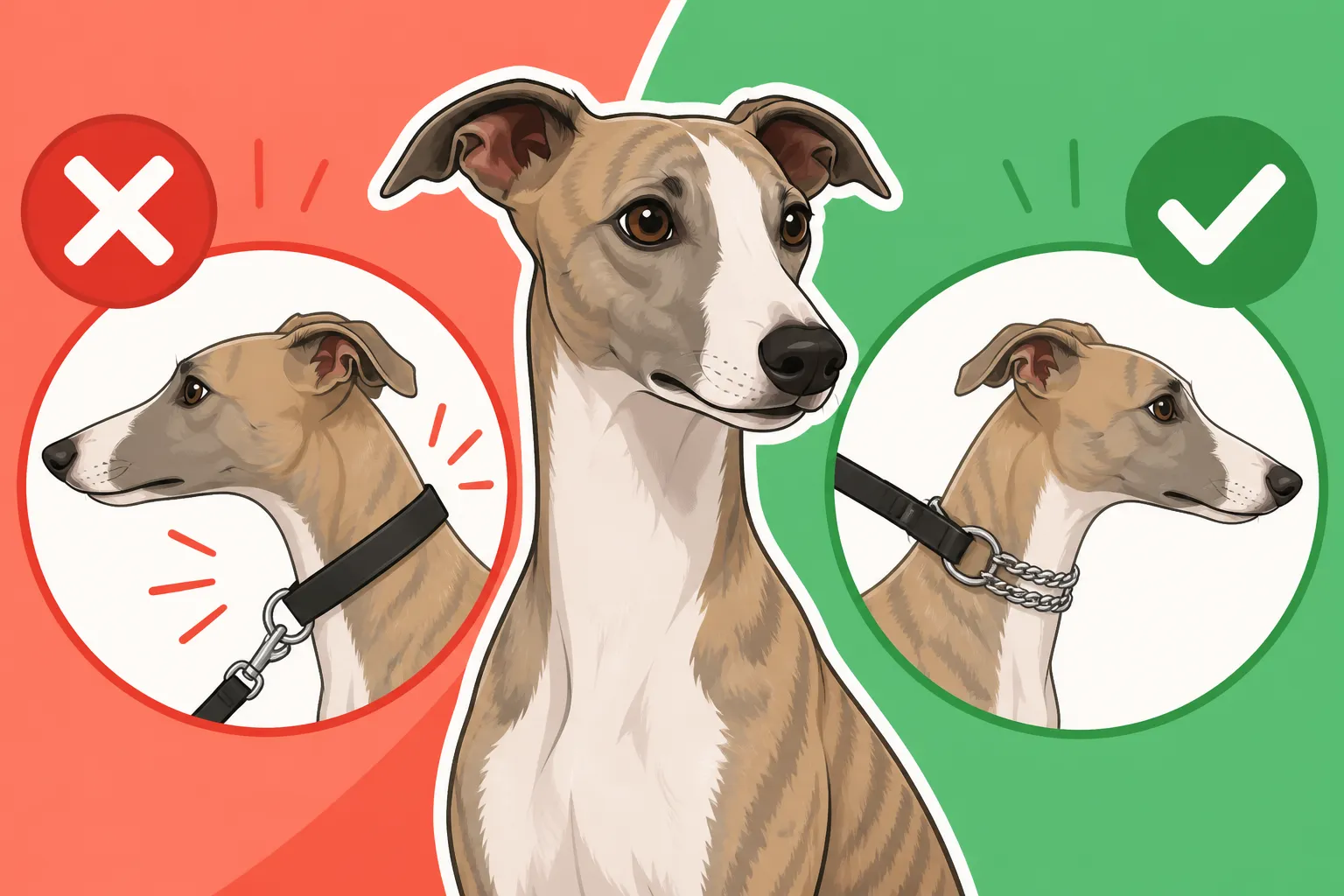
Let's face it, Whippets are built differently from your average Labrador or Bulldog. Their elegant, tapered neck is a hallmark of the sighthound breed, designed for aerodynamic efficiency as they chase prey. The problem is, this neck often means their skull, right behind the ears, is only slightly wider than the thickest part of their neck. A traditional flat buckle collar, which relies on a consistent diameter to stay put, simply isn't engineered for this kind of anatomy.
Imagine trying to wear a necklace that's too loose at the top but fits perfectly around your throat. It would easily slide over your head with a little effort. That's precisely what happens with a Whippet. They can pull their heads down, tuck their chins, and with surprising ease, a standard collar can pop right off over their ears. This isn't them being disobedient; it's just physics, working against you and your dog. It's a fundamental challenge for anyone trying to walk a Whippet safely on a standard collar, leading to constant vigilance and often, sheer anxiety.
The Escape Artist Tendency
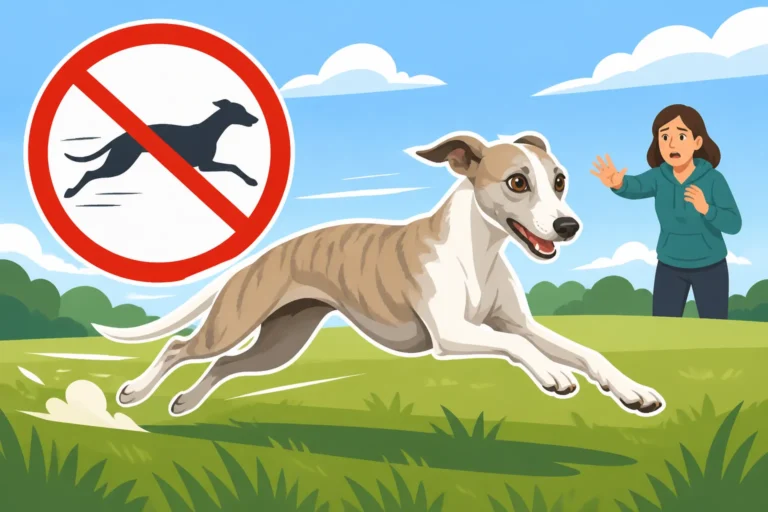
Whippets, despite their calm demeanor indoors, possess an incredibly strong prey drive. That quick flash of a squirrel, a rabbit, or even a blowing leaf can trigger an instinctual chase response. In that moment, their focus narrows, and their desire to pursue overrides almost everything else. When that chase instinct kicks in, they'll often throw all their weight and effort into getting wherever that object of interest is heading.
This is where the collar problem becomes critical. A Whippet lunging forward against a leash with a standard collar can easily back out of it if the collar loosens even a fraction. They might twist their body, pull backward suddenly, or simply use the momentum to wriggle free. The speed at which they can disappear is astonishing, and it highlights why merely having a collar isn't enough; you need one that's designed to stay on through their most instinctive behaviors. Many owners find themselves frustrated, thinking their dog is just "naughty," when in reality, the equipment isn't suitable for the breed's unique needs.
Safety Concerns with Regular Buckle Collars
The dangers of a Whippet slipping its collar are immediate and severe. A loose dog, especially one bred for lightning speed, is incredibly vulnerable. They could dart into traffic, encounter aggressive dogs, or become lost in unfamiliar territory. The fear of your Whippet running onto a busy road is a very real, constant worry for many owners. We've all heard the heartbreaking stories, and it's a scenario every Whippet owner desperately wants to avoid.
Furthermore, a standard collar that's too tight to prevent slipping can be uncomfortable or even harmful. It can rub the delicate skin of their neck, causing irritation or hair loss. And if it's too loose, as discussed, it's just asking for trouble. It's a constant balancing act that often leaves owners feeling like they can't win. This is why many experienced sighthound owners, myself included, will adamantly tell you Why a Flat Collar Slides Off a Whippet's Neck and advocate for a more secure alternative. You want a collar that provides security without putting undue pressure on their sensitive throat, something a traditional buckle collar struggles to achieve for this breed.
How a Martingale Collar Works for a Whippet
Enter the martingale collar, often affectionately referred to as a "sighthound collar." It’s been a game-changer for many Whippet owners, offering a blend of security and gentle control that standard collars simply can't match for this particular breed. It's not a harsh training tool, but rather an elegantly simple design that works with your Whippet's unique shape.
The Design and Mechanism
A martingale collar looks a bit like two loops of material. The larger loop slips over your Whippet's head and sits around their neck, similar to a regular collar. The magic happens with the smaller, secondary loop, often made of chain or fabric, which is where you attach your leash. When your Whippet pulls on the leash, the tension on this smaller loop causes the larger loop around their neck to tighten evenly, but only to a certain extent.
Crucially, this tightening action is limited. The two rings on the larger loop will come together, but they can't cinch so tightly as to choke your dog or cause them harm. This limited-slip action ensures that the collar becomes snug enough to prevent it from slipping over their head, effectively "locking" them into the collar when they pull or try to back out. The moment they stop pulling, the collar relaxes back to its comfortable, looser fit. It's a brilliant design for a dog with a tapered head and neck, offering a secure fit only when needed.
Enhanced Security Without Choking
This limited-slip mechanism is the primary reason martingales are so highly recommended for Whippets and other sighthounds. Unlike choke chains, which can continuously tighten and cause injury if not used precisely, a martingale has a built-in safety stop. This means it can't become tighter than the initial fit you set, making it a much safer and more humane option for everyday walks and training.
You get the peace of mind knowing that if your Whippet suddenly sees a rabbit and tries to bolt or back out, the collar will snug up just enough to prevent escape. This security is paramount, especially when working on recall or encountering distractions in busy environments. It allows you to maintain control without resorting to harsh corrections, which is vital for a sensitive breed like the Whippet. How a Whippet Learns When It Bruises From Pressure is a concept to keep in mind; their delicate nature means gentle handling is always best, and the martingale fits this philosophy perfectly.
Comfort and Gentle Control
Beyond security, a well-fitted martingale collar is surprisingly comfortable for your Whippet. Because it's not constantly tight, it rests loosely around their neck, allowing for free movement and breathing. The wider fabric options often distribute pressure more evenly than thin buckle collars, which can be kinder to their thin skin and delicate tracheas. When adjusted correctly, it never chokes, only restricts enough to prevent escape.
This gentle control makes it an excellent tool for teaching loose-leash walking. Instead of a sharp yank, the martingale provides a subtle, even pressure that can serve as a gentle reminder to stay close. Many trainers, including those who promote positive reinforcement like BAXTER & Bella, would agree that tools that offer clear communication without causing pain or fear are the most effective for building a strong bond and reliable behavior. It's about safety and communication, not punishment, which aligns beautifully with a Whippet's sensitive temperament.
Choosing the Right Martingale Collar for Your Whippet
Selecting the perfect martingale isn't just about grabbing the first one you see. Just like picking out the right coat for your Whippet to ward off the chill, thought and consideration will ensure comfort, effectiveness, and durability. There are various styles and materials, and finding the right fit is paramount.
Material Matters
Martingale collars come in a range of materials, each with its own benefits.
- Nylon/Polyester: These are the most common and often the most affordable. They're durable, easy to clean, and come in a vast array of colors and patterns. They're great for everyday use and are generally kind to a Whippet's skin. You can find a huge selection on platforms like Amazon, making it easy to pick one that suits your style and your dog's personality.
- Fabric/Decorative Woven: Often wider and softer, these are fantastic for Whippets with sensitive skin or for those who appreciate a bit more style. They can be incredibly comfortable and help distribute pressure even more gently across the neck. Some are even padded for extra luxuriousness.
- Chain Loop: Some martingales feature a short chain for the secondary loop instead of fabric. The chain provides an audible "jingle" as it tightens, which some owners find to be a clearer signal for their dog during training. However, ensure the chain is smooth and doesn't pinch your Whippet's delicate fur. For most Whippets, a fabric or nylon loop is generally preferred for comfort.
- Leather: Luxurious and long-lasting, leather martingales are beautiful and develop a lovely patina over time. They tend to be more expensive but are very durable. Make sure the leather is soft and pliable to prevent rubbing.
No matter the material, always look for strong stitching and sturdy hardware to ensure longevity and safety.
Proper Sizing and Fit
This is perhaps the most critical aspect of using a martingale collar. A martingale that's too large can still slip off, defeating its purpose entirely. One that's too small can be uncomfortably tight even when relaxed.
To get the right fit, you'll need two measurements:
- Around the widest part of your Whippet's head: This is usually just in front of their ears. The collar needs to be able to slip over this point comfortably when fully extended, but not be so loose that it comes off with a shake of the head.
- Around the middle of your Whippet's neck: Where the collar will naturally sit.
When the martingale is properly adjusted and in the "snug" position (when the small loop is fully tightened), the two metal rings on the larger loop should be about one to two fingers width apart. If they touch, the collar is too loose and your Whippet can still slip out. If there's a gap of more than two inches, it's too tight when relaxed. The goal is a snug fit when pulled, but loose and comfortable when at rest. Take the time to adjust it carefully, and always double-check the fit before each walk. Getting it right ensures safety and comfort, and prevents that dreaded moment of a slipped collar.
When to Use a Martingale and When Not To
While martingales are fantastic for walks and supervised training, they aren't meant for 24/7 wear, especially when your Whippet is unsupervised. Because of their tightening mechanism, there's a slight risk of them getting caught on something and tightening inadvertently if your dog is playing roughly with another dog, gets stuck on a piece of furniture, or rubs against something that snags the loop.
| Feature | Standard Buckle Collar | Martingale Collar (Sighthound Collar) |
|---|---|---|
| Security | Prone to slipping off sighthound necks | Securely prevents escape when pulling |
| Comfort (Rest) | Can rub if too tight, can slip if too loose | Loose and comfortable when not pulling |
| Control | Can provide direct pressure if pulled | Limited-slip action provides gentle pressure |
| Choking Risk | Minimal if fitted correctly, but can slip | Minimal due to safety stop, cannot fully choke |
| Ideal Use | ID tag holder when unsupervised | Walking, supervised training, high-distraction areas |
| Specialty | General use for many breeds | Specifically designed for sighthound neck shapes |
For these reasons, it's best to remove the martingale when your Whippet is home alone, in their crate, or just lounging around without supervision. For identification, a lightweight, flat buckle collar with an ID tag can be worn at all times, as long as it's loose enough to be safe if it were to snag. The martingale is your go-to for walks, training sessions, and any time you need reliable control, like when you're working on Teaching a Whippet an Emergency Recall or simply enjoying a stroll in the park.
Training and Acclimation with a Martingale
Introducing any new piece of equipment requires patience and positive reinforcement, and a martingale collar is no exception. While it's a practical tool for safety, you want your Whippet to associate it with good things, not stress or discomfort. Remember that Whippets are sensitive creatures, and their cooperation is best gained through kindness and clear communication.
Introducing the Martingale Positively
When you first get your new martingale, don't just snap it on and head out the door. Let your Whippet sniff it, explore it. Hold it out and offer a high-value treat when they show interest. Once they seem comfortable, gently slip it over their head, adjust it, and immediately praise them and give another treat. Let them wear it for short periods around the house, especially during meal times or while playing their favorite games. This helps them build positive associations.
The goal is for them to see the martingale as a normal, non-threatening part of their routine. You want them to think, "Oh, collar time! That means good things are happening!" This gradual introduction is crucial, especially for a puppy learning leash manners or an older rescue Whippet who might have past negative experiences with collars. Consistency and a calm demeanor from you will go a long way in making this a smooth transition for your dog.
Leash Training Techniques
Once your Whippet is comfortable wearing the martingale, it's time to introduce the leash. Start in a quiet, distraction-free environment, like your backyard. Attach the leash and let them wander for a moment, rewarding them for any loose-leash walking. When they pull, stop walking. The martingale will tighten gently, providing a clear signal. As soon as they release the tension, even slightly, move forward again and praise them.
Avoid jerking the leash or using harsh corrections. The martingale is designed to provide feedback through gentle pressure, not pain. The moment the pressure releases, that's their reward. This method teaches them that pulling gets them nowhere, while walking politely keeps the walk enjoyable. This type of positive training, focusing on rewarding desired behavior, is always the most effective strategy for a Whippet. Remember, your goal is a relaxed, happy companion, not a dog that fears its collar or leash.
Combining with Other Training Tools
A martingale collar is an excellent foundation for secure walking, but it's not the only tool in your training toolbox. For puppies, a well-fitting harness might be useful during initial walks to protect their delicate neck while they're still learning. However, be aware that some harnesses can still be backed out of by a determined Whippet, so always choose one designed for escape artists or sighthounds if that's your preference. You might be interested in reading about The Harness a Whippet Backs Out Of for more insights.
For exploring larger, open spaces where you want to give your Whippet more freedom to roam and sniff safely, a long line (a very long leash) can be invaluable. This allows them to experience the joy of movement while still being tethered to you, giving you control and preventing them from bolting if they spot prey. When using a long line, the martingale collar ensures that if they reach the end of the line with a burst of speed, they won't slip their collar. Remember, no matter the tool, continuous positive reinforcement and consistent training are key to developing a strong, trusting relationship with your Whippet. Ultimately, a secure collar like a martingale gives you the confidence to train effectively and keep your beautiful Whippet safe.
Disclaimer
This article is for general informational purposes only and does not constitute professional advice. Laws, prices and regulations vary by location and change over time. Consult a qualified professional for guidance on your specific situation.