Whether a Whippet Needs a Groomer at All
One of the common questions I hear from new Whippet owners, or even those just considering adding one of these elegant hounds to their family, is about grooming. Unlike many breeds with their fluffy, high-maintenance coats, Whippets have a sleek, short, and frankly, pretty wash-and-wear kind of fur. This often leaves people wondering if a professional groomer is even necessary, or if it’s just another expense they can skip. This guide will dive deep into the real grooming needs of a Whippet, helping you understand when a DIY approach is perfectly fine, and when a professional might be worth considering.
The Minimalist Grooming Needs of a Whippet
Let's be real: one of the many charms of a Whippet is their incredibly low-maintenance coat. You won't find yourself battling mats, dreadlocks, or endless tangles. They simply don't have the long, thick fur that demands hours of brushing and specialized trimming. For busy owners, this is a huge relief, especially if you've previously owned a breed that required constant attention to their coat. The classic image of a Whippet is one of effortless grace, and their grooming routine often reflects that.
Why Their Short Coat is a Blessing and a Mild Curse
Their short, fine coat is truly a blessing for most owners. It's incredibly easy to keep clean; dirt tends to fall off or brush away with minimal effort. Think about rolling around in the park or a quick splash through a puddle – a Whippet usually dries quickly, and any mud or debris often flakes off once dry. This means fewer baths, less time spent with the hairdryer, and generally, a much cleaner house than you might expect from a dog. It’s also a huge plus for those of us with allergies, as their short fur tends to shed less dander into the environment. Many owners will agree that one of the best things about living with a Whippet is how little actual grooming work is involved compared to, say, a Poodle or a Golden Retriever.
However, this blessing comes with a mild curse, and it's mostly related to their very lack of insulation. A Whippet Has No Insulation and No Padding, meaning that while their coat is easy to care for, it offers almost no protection from the cold. This isn't a grooming issue, per se, but it does mean your investment shifts from professional grooming services to a wardrobe of cozy coats and pajamas! It also means their delicate skin is more exposed, making minor scrapes and tears a bit more common than in breeds with thicker, denser fur. You also might notice fine hairs everywhere, especially on dark furniture, despite the "low shedding" reputation. While they don't shed in big clumps, those tiny, stiff hairs can weave their way into fabric with surprising tenacity.
The Bare Minimum: At-Home Essentials
For the vast majority of Whippets, a solid at-home grooming routine is more than sufficient. You really don't need a salon full of fancy tools. The essentials are quite simple and focus on basic hygiene and comfort rather than elaborate styling. This minimalist approach not only saves you money but also allows you to bond with your Whippet during these quiet, routine moments. Regular checks are also key, as their thin skin means you’ll want to spot any nicks or scratches early.
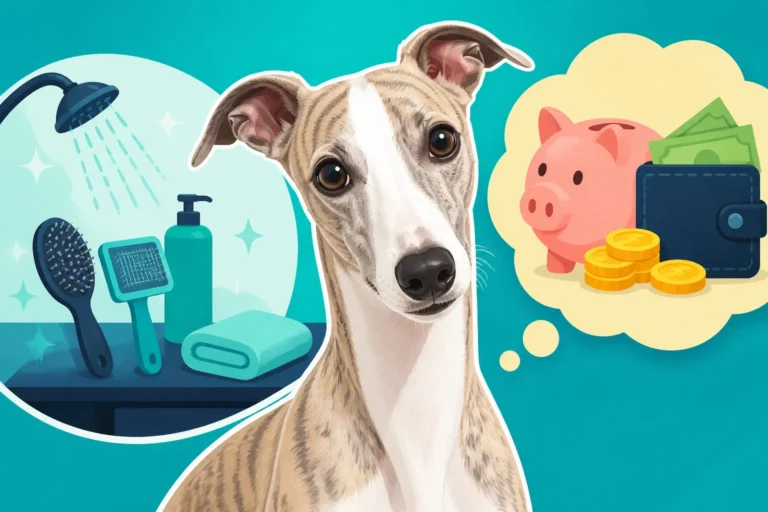
Your basic kit should include a soft brush or a grooming mitt, a good quality nail clipper or grinder, dog-specific shampoo and conditioner (especially for sensitive skin), and maybe some ear wipes. That's it! Regular, gentle brushing a couple of times a week with a rubber curry brush or a shedding blade can help remove loose hairs and stimulate the skin, which is often enough to keep their coat looking shiny and healthy. I’ve found that even just a quick wipe down with a damp cloth can work wonders for a Whippet's coat between baths. Why a Whippet's Coat Takes Five Minutes a Week is something I constantly tell people; it's genuinely that simple.
Bathing is another area where Whippets are low-maintenance. Unless they’ve rolled in something truly disgusting, they generally don’t need frequent baths. Once a month or even every few months is often sufficient. Use a gentle, moisturizing shampoo designed for dogs, as their skin can be prone to dryness. Because their coat is so short, drying them is usually a breeze—a quick towel-off, and they're often good to go.
Beyond the Bath: When Professional Help Might Be Considered
While a weekly spa day at a groomer isn't on a Whippet's agenda, there are specific situations where a professional's touch can be incredibly beneficial. These usually revolve around specific challenges that can be difficult for owners to manage at home, or when a little extra pampering is in order. It's not about making them look "prettier" in the traditional sense, but more about maintaining their health and comfort.
Nail Trimming Challenges and Solutions
This is probably the number one reason why many Whippet owners consider a professional groomer, or at least a vet tech. Whippets have naturally fast-growing nails, and because they're often house dogs and don't spend hours on rough terrain, those nails don't get worn down naturally. Long nails can cause discomfort, affect their gait, and even lead to painful foot problems over time. The problem is, many Whippets are incredibly sensitive about their paws, and clipping can be a source of stress for both dog and owner. Getting a Whippet to Tolerate Nail Trims can be a real struggle, and if you hit the quick even once, you might set back your progress significantly.
A professional groomer or vet tech has the experience, the right tools (often a dremel grinder, which many dogs tolerate better than clippers), and the technique to get those nails short safely and efficiently. They can also teach you how to desensitize your Whippet to the process, or simply take over if it's too stressful for you both. Some owners opt for regular nail trims at a groomer every few weeks, while handling baths and brushing at home. It’s a compromise that works well for many. You might find that services like those offered by Chewy, where you can easily order various types of nail clippers and grinders, are great for home attempts, but sometimes you just need that expert hand.
Dealing with Skin Issues or Allergies
Whippets, with their thin skin and minimal fur, can sometimes be prone to skin sensitivities, allergies, or minor irritations. While their short coat means you'll spot issues quickly, knowing how to treat them effectively isn't always straightforward. If your Whippet is experiencing persistent dry skin, dandruff, hot spots, or recurring rashes, a professional groomer or veterinary dermatologist might offer solutions you hadn't considered.
A groomer familiar with sighthound skin can recommend specific medicated shampoos, conditioners, or skin treatments that might soothe and heal the issue. They can also ensure these products are applied correctly and thoroughly, which can make a big difference in efficacy. For more complex or persistent issues, a vet visit is always paramount, but a good groomer can be an excellent adjunct to veterinary care, providing therapeutic bathing and coat conditioning. If you find yourself constantly battling dry, flaky skin on your Whippet, asking a groomer for advice on moisturizing shampoos and conditioners could be really helpful. Products available through Chewy or even specialized brands can cater to these specific needs.
Seasonal Shedding and De-Shedding Services
Yes, Whippets shed. A lot. Despite their short hair, they can surprise you with the amount of fine, stiff hair they leave behind, particularly during seasonal changes. While it's not the same kind of shedding as a double-coated breed, those little hairs can embed themselves stubbornly in carpets and upholstery. How Much a Whippet Sheds Year Round can be a constant battle for some, making you wonder where all that hair even comes from!
For owners who are particularly bothered by shedding, or if your Whippet seems to be shedding more than usual, a professional de-shedding treatment can be surprisingly effective. These services use specialized tools and techniques to thoroughly remove loose undercoat (even if it's minimal on a Whippet) and dead hair, often reducing shedding for several weeks. It's not a common service for Whippets, but it can be a real sanity saver for those who prefer their home as hair-free as possible. It’s also an excellent way to keep their skin healthy, as removing dead hair allows the skin to breathe and can prevent minor irritations.
The Cost-Benefit of DIY vs. Professional Grooming
Deciding whether to take your Whippet to a groomer often comes down to a balance of cost, convenience, and your own comfort level with pet care. There’s no right or wrong answer, just what works best for you and your furry companion. It's about weighing the financial investment against the time saved and the peace of mind that comes with professional expertise.
Saving Money by Doing It Yourself
This is where Whippet ownership really shines financially in the grooming department. Because their needs are so basic, doing it yourself at home can lead to significant savings over the lifetime of your dog. A few good quality tools bought once will last for years, and shampoo/conditioner costs are minimal compared to regular professional grooming appointments. Think about it: a brush, nail clippers, and a bottle of dog shampoo might set you back a small amount upfront, but that's often less than the cost of a single professional grooming session for many breeds.
For many Whippet owners, the cost of What a Whippet's Nail Trim Costs at a Groomer or a full bath and brush is money that could be better spent on other things, like a new cozy bed for their dog or a fun lure coursing event. By handling these tasks yourself, you're not just saving money; you're also building a stronger bond with your Whippet through gentle handling and positive reinforcement during their care routine. This DIY approach reinforces the idea that most Whippets truly are low-maintenance pets when it comes to their appearance.
| Grooming Task | DIY Cost (Estimated Initial) | Professional Service (Per Session, Estimated) | Benefits of DIY | Benefits of Professional |
|---|---|---|---|---|
| Bathing & Brushing | Low (Shampoo, Brush: ~$) | Moderate (~$$) | Cost-effective, bonding, convenience | Thorough cleaning, specialized products, less mess |
| Nail Trimming | Low (Clippers/Grinder: ~$) | Low to Moderate (~$) | Cost-effective, regular maintenance possible | Expert handling, safe, stress-reducing for some |
| Ear Cleaning | Very Low (Wipes: ~$) | Included in Bath, or Small Add-on (~$) | Easy, quick, preventive | Thorough check, proper technique |
| De-Shedding | Moderate (Shedding tool: ~$) | Moderate to High (~$$$) | Reduces shedding at home, regular maintenance | Deep removal of dead hair, less household fur |
| Anal Gland Express | Not recommended | Small Add-on (~$) | N/A | Expert handling, safe, prevents discomfort |
Note: These are general estimates. Actual costs vary widely by location and service provider.
The Value of a Groomer's Expertise and Time Saved
Despite the financial savings of DIY, there's undeniable value in a professional groomer's expertise and the time you save. For those with demanding schedules, or simply those who dread wrestling a squirming Whippet for a nail trim, outsourcing these tasks can be a godsend. A groomer can often complete these tasks much faster and with less stress for both you and your dog, especially if your Whippet is particularly resistant to certain aspects of grooming.
Beyond just saving time, a professional groomer also has a trained eye. They can spot subtle skin issues, lumps, bumps, or ear infections that you might miss. They understand the nuances of Which Shampoo Suits a Whippet's Thin Skin and can recommend appropriate products for any specific needs your Whippet might have. Their knowledge of canine anatomy ensures safe nail trims, avoiding the quick, and proper handling techniques that minimize stress for sensitive dogs. This is where the peace of mind comes in – knowing your dog is being cared for by someone who truly understands canine grooming can be priceless. While products are readily available at places like Chewy, knowing which ones are best for your particular Whippet can be challenging without expert advice.
Special Considerations for the Sensitive Whippet
Whippets are unique, and their physical and emotional sensitivities mean that their grooming experience needs to be approached with a gentle hand and understanding. It's not just about getting the job done; it's about making it a positive and comfortable experience for them.
Their Thin Skin and Anesthesia Sensitivity
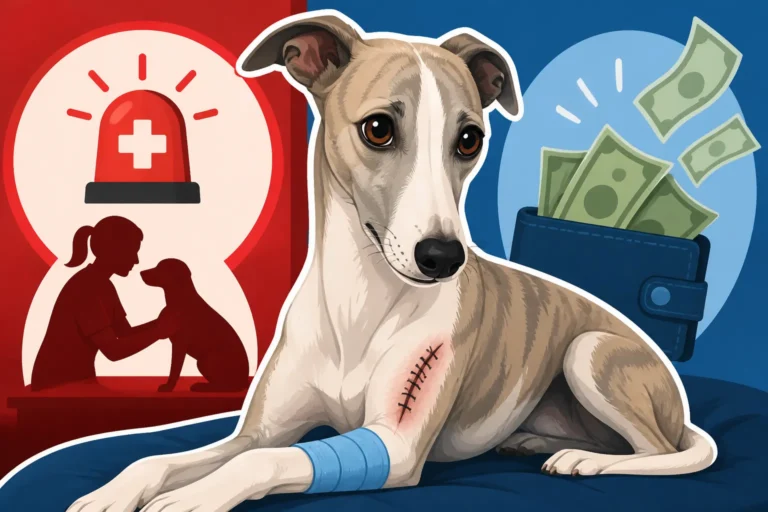
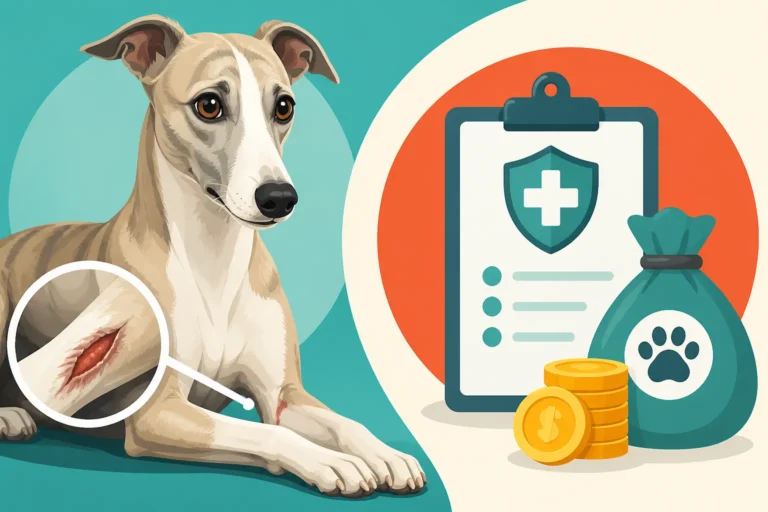
This is a critical point that cannot be overstated. Whippets have notoriously thin skin, making them prone to scrapes, cuts, and tears, often from what seem like minor incidents. The Thin Skin That Sends a Whippet to the Vet for Stitches is a real concern for owners. This means any grooming process needs to be incredibly gentle to avoid accidental nicks or razor burns. A groomer experienced with sighthounds will be aware of this and use extra caution. If your Whippet has a wound, ensuring proper cleaning and care is paramount. Brands like Healthy Paws, while an insurance provider, can offer peace of mind for those unexpected vet visits due to skin tears.
Another significant consideration is the Whippet's known sensitivity to certain anesthetics and sedatives. Why Anesthesia Is Riskier in a Whippet is a widely recognized fact among sighthound enthusiasts and veterinarians. This is crucial if any grooming procedure, like a deep dental cleaning that often combines with grooming in other breeds, requires sedation. You absolutely want to ensure your vet and any groomer working under veterinary supervision are fully aware of sighthound anesthesia protocols. Never allow a groomer to perform any procedure requiring sedation without direct veterinary oversight and an understanding of appropriate sighthound-safe drugs. This is less about routine grooming and more about procedures like teeth cleaning, which some owners might lump into "grooming."
Handling Stress and Anxiety During Grooming
Whippets are often incredibly sensitive souls. They can be prone to anxiety, especially in new environments or with unfamiliar people. A bustling, noisy grooming salon can be overwhelming for some Whippets, even if the groomer is gentle. This isn't a fault of the dog, but rather a reflection of their inherently soft temperament. It's why socialization from a young age is so important.
If your Whippet shows signs of stress—shaking, excessive panting, tail tucked, trying to escape—during grooming, it’s a clear signal that either the environment or the method needs to change. For these dogs, a quiet, one-on-one grooming experience, perhaps with a mobile groomer or a very calm salon, might be preferable. Even better, regular positive reinforcement and desensitization at home can make routine care much easier. Using high-value treats (like those from Ollie, often fresh and highly palatable) during nail trims or brushing sessions can help create positive associations. Consistency and patience are key. Sometimes, simply having you present during the grooming session can make all the difference for a nervous Whippet.
Ultimately, whether your Whippet needs a professional groomer depends entirely on your specific situation, your comfort level, and your dog's individual needs. For most Whippets, basic at-home care is perfectly adequate, but for specific challenges like nail trims or skin issues, a professional can be an invaluable resource.
Disclaimer
This article is for general informational purposes only and does not constitute professional advice. Laws, prices and regulations vary by location and change over time. Consult a qualified professional for guidance on your specific situation.