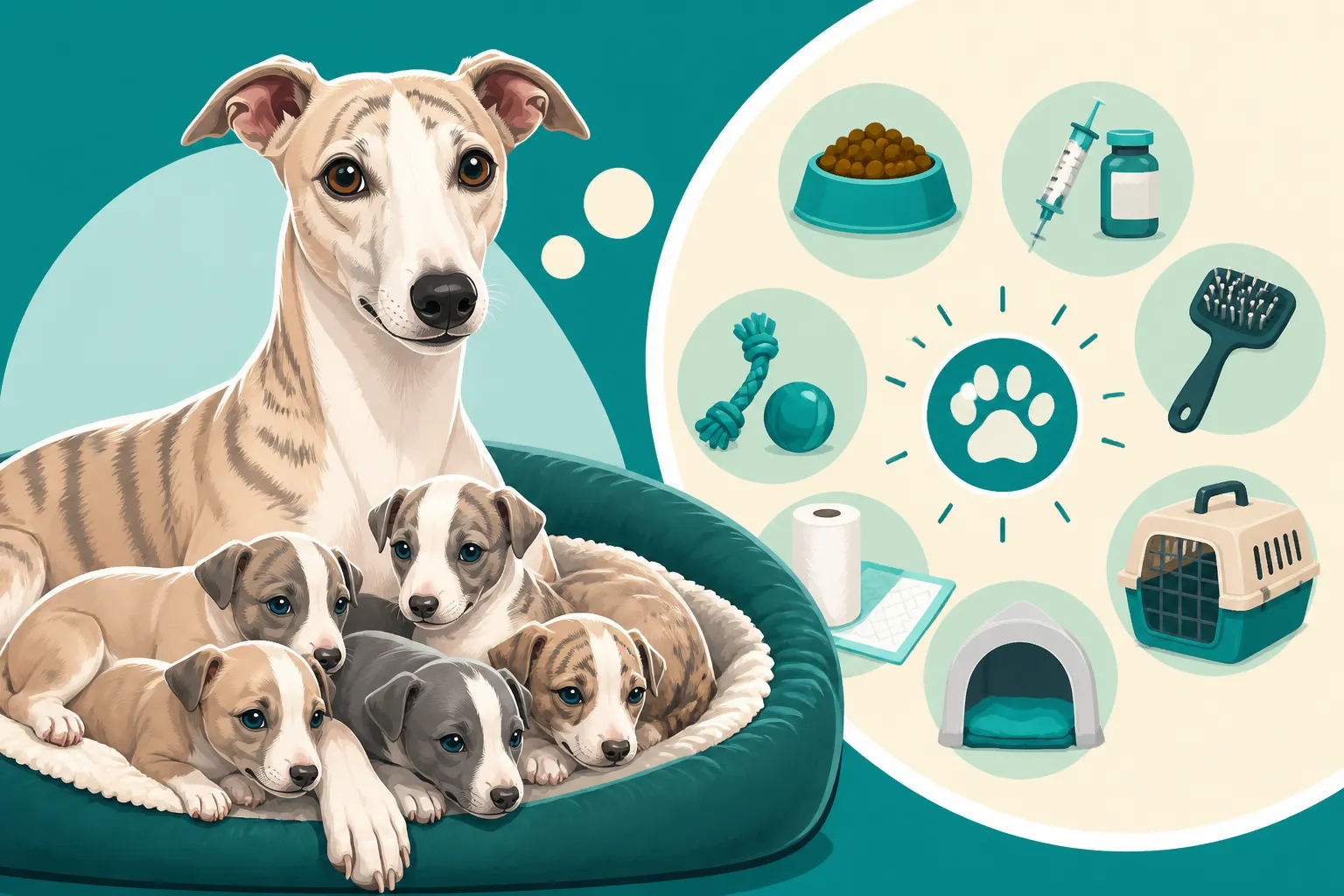
What Raising a Whippet Litter Costs
Thinking about breeding your beloved Whippet can often conjure up heartwarming images of tiny pups tumbling around, but the reality is that bringing a litter into the world is a significant financial undertaking. It's not just about the moment the puppies arrive; it's a journey filled with expenses long before conception and well after the last puppy leaves for their new home. This guide is here to give you a realistic, no-holds-barred look at the actual costs involved in raising a Whippet litter, helping you understand what to budget for every step of the way.
Before the Pups Arrive: Pre-Breeding and Pregnancy Costs
The journey to a Whippet litter begins long before any puppies are even conceived, with a crucial focus on the health and genetic soundness of both prospective parents. Skipping these initial steps isn't just risky for the dogs; it can lead to far greater financial and emotional heartache down the line. Many people underestimate this phase, thinking it's just a matter of "boy meets girl," but responsible breeding is deeply rooted in proactive health management.
Health Clearances and Testing for Both Parents
Before you even consider breeding, both your male and female Whippets need a thorough health screening to ensure they're passing on the best possible genetics. This isn't just a basic vet check-up; we're talking about specific tests tailored to the breed. For Whippets, this often includes cardiac exams, eye certifications, and DNA tests for certain conditions. A clean bill of health means less worry for you and healthier puppies for their future families. It's an investment in the breed's future, preventing the spread of preventable genetic issues.
For example, a cardiac exam, often performed by a veterinary cardiologist, checks for heart conditions like Mitral Valve Disease, which can be prevalent in sighthounds as they age. Similarly, eye certifications through an ophthalmologist look for hereditary eye diseases. Beyond these physical exams, DNA panels have become indispensable. These tests can screen for specific genetic mutations that might not be evident in a physically healthy dog but could be passed on to offspring. Many prospective puppy buyers will ask about these tests, and for good reason—they want the best possible start for their new family member. It’s also wise to check The Health Tests Both Whippet Parents Should Have and understand what these entail.
The Stud Fee and Breeding Expenses
Once your female Whippet (the dam) has all her clearances, the next significant cost is often the stud fee for the chosen male. This fee can vary widely depending on the stud's pedigree, titles, and health clearances. Sometimes it's a flat fee, other times it might involve a "pick of the litter" arrangement or a combination. Beyond the stud fee itself, there are expenses related to the actual breeding. This might involve progesterone testing for the dam to pinpoint the optimal breeding window, travel costs if the stud dog is not local, or even artificial insemination procedures.
Progesterone testing is crucial because Whippets have a relatively short fertile window, and missing it means a wasted cycle and another six months of waiting. These tests often require multiple vet visits and specific lab work. If natural breeding isn't possible or preferred, artificial insemination, either fresh or frozen, adds another layer of cost for collection, shipping, and insemination procedures. Don't forget to factor in potential re-breeding fees if the first attempt doesn't result in a pregnancy, as many stud owners offer a return service. For a detailed breakdown of this specific cost, you might want to read What a Stud Fee Adds to a Whippet Litter.
Prenatal Care for the Dam
Confirming pregnancy is just the beginning of the dam's prenatal care. Regular veterinary check-ups are essential to ensure she's healthy and that the puppies are developing well. This includes dietary adjustments; a pregnant Whippet will need increased calories and specific nutrients to support her growing litter. High-quality food is non-negotiable. Some breeders even switch to a performance or puppy formula during the last trimester and while nursing, ensuring adequate nutrition. Brands like Ollie, known for their fresh, human-grade ingredients, can be an excellent option for providing the dam with the nutrient-dense food she needs during this critical time.
Supplements, if recommended by your vet, can also add to the expense. Calcium supplements, for example, are sometimes necessary to prevent eclampsia, a serious condition that can affect nursing mothers. Ultrasound or X-rays are typically performed closer to the due date to confirm pregnancy and estimate the number of puppies, which helps you prepare for whelping. An X-ray is particularly useful for getting an accurate puppy count, allowing you to anticipate potential complications during delivery. These diagnostic tools are vital for ensuring both the dam and puppies are as healthy as possible.
Welcoming the Litter: Whelping and Early Puppy Care Costs
The arrival of the puppies is an exciting time, but it also marks the beginning of intensive care and a new wave of financial outlays. From the moment of birth through their first few weeks, these tiny Whippet pups demand constant attention and resources.
Whelping Supplies and Potential Emergency Vet Visits
Having a dedicated whelping area stocked with supplies is paramount. This includes a whelping box, plenty of clean bedding, heating pads or lamps to keep the newborn pups warm (Whippets, with their thin skin and low body fat, are particularly susceptible to chilling), a scale for daily weight checks, and essential medical supplies for the dam and pups. You can find many of these supplies readily available on online retailers like Chewy, making it easy to stock up.
However, the biggest financial wildcard during whelping is the potential for an emergency veterinary visit. While most Whippets whelp naturally without incident, complications can arise, such as a puppy getting stuck, the dam experiencing uterine inertia, or a retained placenta. These situations can quickly escalate to requiring an emergency C-section, which is a significant expense, especially if it happens in the middle of the night or on a weekend. Having a vet on call and a contingency fund for such emergencies is not just good planning—it's essential for the well-being of your dam and her precious litter. It's why many experienced breeders often mention having several thousand dollars set aside just for this possibility.
Puppy Food and Supplementation
Once the puppies start to wean, usually around 3-4 weeks of age, their dietary needs become another major cost. A good quality puppy food formulated for growth is vital. Small, frequent meals will be necessary, and the amount they consume will increase rapidly as they grow. Remember that growing Whippet puppies, while small, have high energy needs. While Whether a Whippet Is Cheap to Feed generally, puppies require more specialized nutrition. If the dam isn't producing enough milk, or if you have a very large litter, supplemental formula might be needed from day one.
Puppy milk replacer, bottles, and nipples can be surprisingly expensive, especially if you're supplementing a whole litter. As they transition to solid food, the quantity of food they consume will climb steeply. Some breeders choose to feed a fresh or raw diet to their puppies, similar to what you might feed the dam from a brand like Ollie, which can be an additional cost but offers tailored nutrition. Monitoring their growth and ensuring they are gaining weight steadily is crucial. For guidance on their feeding schedule, look into The Meal Schedule a Whippet Puppy Needs.
Initial Veterinary Care for the Litter
Every single puppy in the litter will need initial vet care. This typically starts with a "wellness check" within the first few days or weeks of life. The vet will check their overall health, listen to their hearts, examine their eyes, and often do their first round of deworming. For breeds like Whippets, specific checks like palpating for umbilical hernias or checking for proper jaw alignment are also important. These individual puppy checks add up, especially if you have a larger litter. It’s important for these young pups to have a healthy start, ensuring they are ready for their new homes.
Deworming is usually done multiple times during their first few weeks, as puppies are very susceptible to intestinal parasites. Each deworming treatment is a cost per puppy. Some vets might also recommend early microchipping before the pups go to their new homes, ensuring they can always be identified. This initial comprehensive vet care sets the stage for a healthy life and provides peace of mind for both you and the future owners. For insights into general health questions, you might find Whether a Whippet Should Be Screened Before Breeding helpful for context on breeder responsibility.
Growing Pains: Ongoing Puppy Care and Placement Costs
As the Whippet puppies grow, they continue to require careful attention and further veterinary care before they are ready to join their forever families. This phase also brings in the costs associated with finding the right homes for them.
Vaccinations, Deworming, and Microchipping
Before your Whippet puppies can safely go to their new homes, they need to be properly vaccinated and dewormed according to a schedule. Typically, puppies receive their first set of vaccinations around 6-8 weeks of age, followed by boosters. These vaccinations protect against common and dangerous diseases like distemper, parvovirus, and adenovirus. Each puppy will need these shots, and the cost quickly multiplies by the number of puppies in your litter. It's a non-negotiable expense for their safety and well-being.
Regular deworming continues throughout this period, often every two weeks until they are older. This is crucial for preventing parasitic issues, which can be particularly detrimental to young, developing puppies. Microchipping is another common practice, providing a permanent form of identification. Many reputable breeders will microchip their puppies before they leave, often registering the chip in their own name initially with an agreement to transfer ownership upon adoption. This small, yet vital, procedure adds another cost per puppy but offers invaluable security. If you're wondering about the overall health picture for your litter, considering things like Whether an Untested Whippet Litter Is Worth Buying helps illustrate the value of these early health investments.
Marketing and Placement Expenses
Finding loving, responsible homes for your Whippet puppies is just as important as raising them well, and it comes with its own set of costs. Advertising your litter, whether through breed-specific websites, kennel club listings, or reputable online platforms, often incurs fees. These fees are for reaching the right audience and ensuring your puppies are seen by individuals who understand and appreciate the Whippet breed. You might create a small website or a social media page dedicated to the litter, which could also involve some costs for photography and content creation to showcase the pups at their best.
Beyond direct advertising, there’s the time and resources spent on screening potential buyers. This often involves lengthy phone calls, email exchanges, and in-person interviews. While not a direct monetary cost, your time is valuable. You'll likely prepare puppy packets for new owners, which might include health records, feeding guides, registration papers, and perhaps a small bag of their current food (which you could easily get from Chewy) or a toy with their littermates' scent. These thoughtful touches contribute to a smooth transition for the puppies and represent another small expense per pup.
The Cost of Your Time and Effort
While not a line item on a receipt, the sheer amount of time, effort, and emotional investment required to raise a Whippet litter is perhaps the greatest cost of all. From sleepless nights during whelping, to constant cleaning, feeding, socializing, and training the puppies, it's a full-time job for several weeks. You are essentially on call 24/7. This dedication ensures that each puppy is healthy, well-adjusted, and ready to thrive in their new home. This isn't just a casual hobby; it's a profound responsibility.
Consider the hours spent with each puppy, handling them, introducing them to new sights and sounds, and beginning basic potty training. This crucial early socialization shapes their future temperament and makes them better companions. The time you invest in temperament assessment and matching puppies with appropriate families is also immense. While you won't see a bill for your personal sacrifices, they are undeniably a significant part of "what raising a Whippet litter costs." The satisfaction of placing a healthy, happy puppy in a loving home is priceless, but it comes at a very real personal cost.
Here's a breakdown of common costs to help you budget:
| Category | Description | Typical Expense Shape |
|---|---|---|
| Pre-Breeding | Health Tests (Cardiac, Eye, DNA) for Dam & Stud, Progesterone Testing | Significant upfront, variable by number of tests and specialists |
| Stud Fee | Payment for the use of the male dog | Varies greatly based on stud's pedigree, titles, and breeder's terms |
| Dam's Prenatal Care | Vet check-ups, specialized food, supplements, ultrasound/X-ray | Ongoing throughout pregnancy, increases in final weeks |
| Whelping Supplies | Whelping box, bedding, heating elements, medical kit, scale | Initial setup cost, some recurring for disposable items |
| Emergency Vet Care | C-section, complications, after-hours care | Highly variable, can be extremely high for unforeseen emergencies |
| Puppy Food | Milk replacer (if needed), high-quality puppy kibble/fresh food for weaning | Increases significantly as puppies grow and transition to solids |
| Initial Vet Checks | Wellness exams for each puppy | Per puppy cost, depends on vet rates |
| Vaccinations | First and second rounds of puppy vaccinations | Per puppy cost, multiplied by number of pups |
| Deworming | Multiple rounds of deworming medication | Per puppy cost, multiple times |
| Microchipping | Implanting and registering microchips | Per puppy cost |
| Advertising/Marketing | Listing fees, website/social media promotion, photography | Varies based on chosen platforms and promotional efforts |
| Puppy Packs | Health records, food samples, toys, blankets, registration info | Per puppy cost for materials |
Disclaimer
This article is for general informational purposes only and does not constitute professional advice. Laws, prices and regulations vary by location and change over time. Consult a qualified professional for guidance on your specific situation.