Whether a Whippet Needs Boots
Anyone who shares their home with a Whippet knows how gracefully they glide, and how delicate they can be at the same time. Their sleek, athletic build and fine skin, coupled with minimal body fat, make them sensitive to extremes in weather and rough terrain. Many of us have looked at our Whippets shivering on a chilly morning or tentatively tip-toeing across hot pavement, wondering if a little extra paw protection is truly necessary. This guide will walk you through the real considerations for putting boots on your Whippet, exploring when they're a lifesaver and what to look for when shopping.
Understanding a Whippet's Paw Anatomy and Sensitivity
Let's face it, Whippets aren't built like a Husky or a Terrier. They have a unique physiology that makes them incredible athletes but also gives them some specific vulnerabilities, especially when it comes to their paws. It's not just about being "delicate"; it's about how their body is designed for speed and comfort in particular environments.
The Delicate Nature of Whippet Paws
Whippets possess fine, thin skin that extends right down to their paw pads. Unlike some breeds with thick, leathery pads, a Whippet's pads can be surprisingly tender. They lack the extensive fatty padding that provides insulation and cushioning for dogs built for endurance or rough work. Their feet are often described as "hare feet" – elongated, with well-arched toes, designed for efficient propulsion and quick bursts of speed on forgiving surfaces like grass or soft earth. They're not exactly equipped for navigating broken asphalt, sharp gravel, or abrasive concrete day in and day out. This minimal padding means less natural shock absorption and less protection against extreme temperatures or physical trauma.
Many first-time Whippet owners are surprised by how quickly their dog might flinch from a slightly rough patch of ground, or how a seemingly minor scrape can result in a more significant injury than expected. This isn't them being dramatic; it's a genuine physiological difference. Their nails are also quite strong and typically keep themselves relatively short with regular running, but they can still snag or tear if not maintained, leading to painful splits.
Why Whippets Have Less Natural Paw Protection
Think about it: a Whippet's ancestors were bred for hunting and racing on soft ground in the English countryside. They weren't trekking through icy mountain passes or navigating scorching desert landscapes. Their short, dense coat offers little insulation, and this lack of natural "armor" extends to their paws. They don't have long hair between their pads to protect against snow or foreign objects, nor do they have particularly tough, thick pads to withstand sustained impact on hard, abrasive surfaces.
This is why you'll often see your Whippet seeking out the softest patch of grass, or curling up on a plush bed rather than the hard floor. It's not just preference; it's comfort derived from their physical makeup. The same sensitivity that makes their skin prone to tearing, which we often talk about in articles like The Thin Skin That Sends a Whippet to the Vet for Stitches, applies directly to their paw pads. They simply don't have the built-in defenses many other breeds boast. Knowing this helps us understand why sometimes, a little human intervention in the form of boots isn't coddling, but rather a practical measure for their well-being.
When Winter Weather Demands Paw Protection
Winter can be a beautiful season, but it brings a whole host of challenges for our Whippets, especially when it comes to their paws. What might seem like a minor inconvenience to us can be genuinely painful and even dangerous for a dog with such sensitive feet.
Ice and Snow Accumulation Between Pads
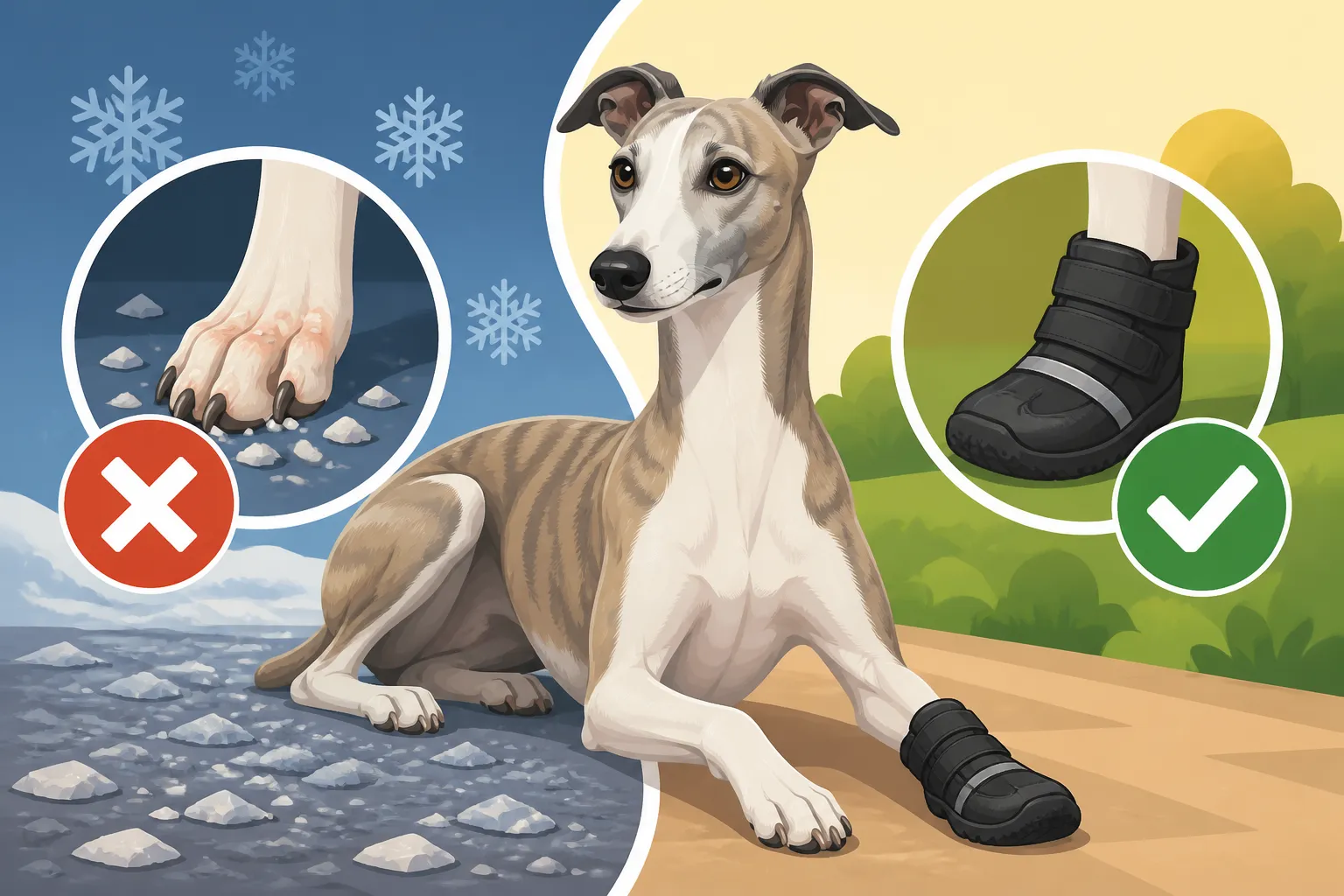
Picture this: you're out for a brisk winter walk with your Whippet. It's cold, and there's a fresh dusting of snow. Initially, everything is fine. But after a few minutes, you might notice your Whippet starting to lift a paw, shake it, or even stop and chew at it. This is often because snow and ice are balling up between their toes and paw pads. Because Whippets have relatively open, "hare feet" with little fur between the pads, snow and ice can easily pack into these spaces, forming hard, uncomfortable lumps.
These icy clumps can cause friction, leading to chafing, irritation, and even painful cracking of the delicate skin between the pads. In more severe cases, prolonged exposure to freezing temperatures and ice can lead to frostbite, especially on the outermost edges of the pads or toes. It's not just about discomfort; it's about preventing actual injury. When the weather is truly snowy and icy, boots provide a physical barrier, preventing these painful accumulations and keeping their paws much warmer and safer. For many Whippet owners, especially those in colder climates, it's a non-negotiable part of their winter Wardrobe a Whippet Needs Because It Has No Body Fat.
The Dangers of Salt and De-icers
Beyond the natural elements, winter brings man-made hazards: salt and chemical de-icers. These substances are widely used on sidewalks, roads, and driveways to melt ice, but they are incredibly harsh on dog paws. The rock salt itself can be sharp and abrasive, causing tiny cuts and irritation on sensitive pads. More critically, the chemicals in de-icers (like calcium chloride, magnesium chloride, or sodium chloride) can be highly corrosive.
If your Whippet walks on these treated surfaces, the chemicals can cause chemical burns, dry out their paw pads, and lead to painful cracking. The pain can be immediate and intense, causing your Whippet to limp, lick excessively, or even refuse to walk. What's worse is the risk of ingestion. When your Whippet comes inside and licks their paws to soothe the irritation, they can ingest these toxic chemicals, leading to gastrointestinal upset, vomiting, diarrhea, and in severe cases, more serious systemic issues. Even if you rinse their paws immediately after a walk, the exposure has still occurred. Boots offer invaluable protection against direct contact with these harmful substances, making walks much safer for your Whippet.
Protecting Against Freezing Temperatures
It's no secret that Whippets, with their lean bodies and minimal body fat, aren't built for extreme cold. We often talk about Keeping a Whippet Warm Without Overheating It by using coats, but their paws are often overlooked. Just like our hands and feet get cold, a Whippet's paws are susceptible to the chill. Without much insulating fur or fat, their paw pads can quickly lose heat, leading to discomfort and even pain.
Imagine walking barefoot on a frozen sidewalk. That's essentially what your Whippet is experiencing. Prolonged exposure to freezing temperatures can reduce blood flow to the paws, making them numb and susceptible to injury. For an active Whippet who still needs their outdoor exercise even in winter, boots act as a crucial layer of insulation. They help retain body heat, preventing frostbite and keeping their paws warm enough to enjoy their walk without distress. This is particularly important for older Whippets or those with health conditions who might be even more sensitive to the cold.
Hot Pavement and Rough Terrain Hazards
Winter isn't the only season that calls for paw vigilance. The heat of summer and the challenges of certain terrains can be just as, if not more, damaging to a Whippet's sensitive paws.
Scorching Surfaces in Summer
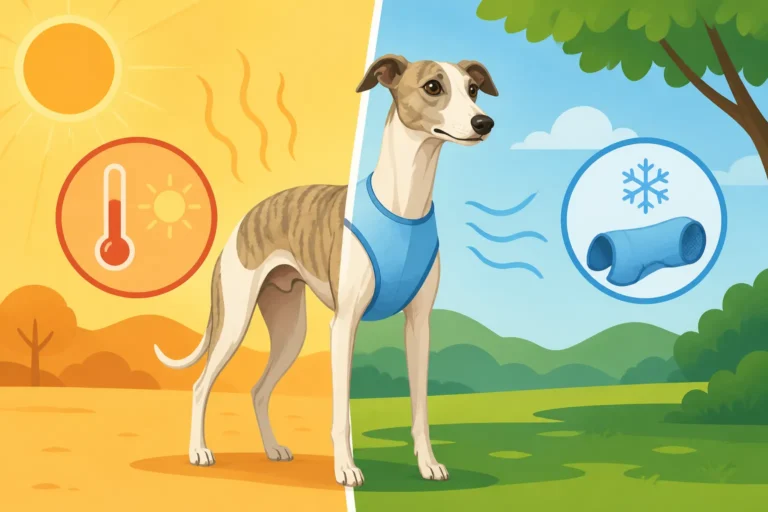
Summertime brings its own set of paw-burning dangers, primarily in the form of hot pavement. Asphalt, concrete, and even artificial turf can reach incredibly high temperatures under direct sunlight, far exceeding the air temperature. On an 85°F day, asphalt can hit 145°F. At 125°F, skin destruction can occur in 60 seconds. At 150°F, permanent damage can happen in less than a minute. Your Whippet's paw pads, while tougher than your bare feet, are still vulnerable to severe burns.
Think about how quickly you'd pull your hand away from a hot stove – your Whippet can't do that with their paws while walking. These burns can be agonizing, leading to blistering, peeling, infection, and a long, painful recovery. It's especially dangerous because the damage isn't always immediately apparent, but it can worsen quickly. A simple rule of thumb: if the pavement is too hot for your bare hand to hold for five seconds, it's too hot for your Whippet's paws. Boots provide a vital protective barrier, allowing your Whippet to safely navigate urban environments or hot outdoor spaces without risking painful burns. This means you don't have to restrict their walks to only the coolest parts of the day, which can be a huge relief for both of you.
Sharp Objects and Abrasions on Rough Ground
Whippets are magnificent runners, and their instinct to chase often means they don't always look where they're going. Their quest for squirrels or the lure during a Fast CAT run can lead them over all sorts of surfaces. Unfortunately, their delicate paw pads are no match for sharp objects or abrasive terrain. Broken glass, jagged rocks, thorns, splinters, and even rough gravel can easily penetrate or abrade their thin skin, leading to cuts, punctures, and painful scrapes.
I've seen more than one frantic dash to the emergency vet for a paw injury that could have been prevented. The vet bills for even minor cuts can add up quickly, especially if stitches are required, making "Emergency Stitches: the Whippet Bill Nobody Budgets For" a very real concern. While proper training and supervision are paramount, accidents happen. Boots add a layer of defense against these everyday hazards, providing peace of mind when you're exploring new trails or even just navigating a park that might have hidden dangers. This is particularly true if your Whippet is involved in activities like lure coursing or competitive racing, where they cover ground at high speeds and can encounter unexpected debris.
Protecting Paws During Active Pursuits
Whether your Whippet is a dedicated athlete or just loves a good romp in the great outdoors, their paws are at risk during active pursuits. Running on varied terrain, especially at high speeds, puts immense pressure and friction on their paw pads. Imagine the impact of sprinting across gravel or stony paths – even if there are no sharp objects, the constant abrasion can wear down and thin the pads, making them more susceptible to injury over time.
For Whippets who enjoy activities like What Lure Coursing and Fast CAT Cost a Whippet Owner or hiking, boots can be a game-changer. They provide not only protection from cuts and scrapes but also extra cushioning, reducing the impact on their joints and pads. This can extend their comfort and longevity in these activities. It's about proactive care, ensuring your Whippet can enjoy their favorite pastimes without the risk of an avoidable paw injury. For everyday walks, especially if you live in an urban area with lots of concrete or a rural area with rough paths, boots can ensure their paws stay healthy and happy, contributing to What a Whippet Needs Every Day in terms of safe exercise.
Types of Boots and What to Look For
So, you've decided boots might be a good idea for your Whippet. Great! But walking into a pet store or browsing online can be overwhelming. There's a huge variety out there, and not all boots are created equal, especially when it comes to fitting a unique Whippet paw. It's not just about aesthetics; it's about functionality, comfort, and safety.
Material, Durability, and Breathability
When selecting boots for your Whippet, the materials used are paramount. You want something that can withstand the elements and provide adequate protection without being bulky or restrictive.
- Durable Soles: Look for boots with rugged, non-slip rubber soles. These are essential for providing traction on slippery surfaces like ice, wet pavement, or polished floors, and for protecting against sharp objects and hot asphalt. Brands like Ruffwear (available on Chewy, for instance) are known for their robust soles.
- Water-Resistant Uppers: The upper part of the boot should be made from a water-resistant or waterproof material to keep paws dry in rain or snow. Materials like neoprene, coated nylon, or softshell fabrics work well. However, they also need to be somewhat breathable to prevent excessive sweating and moisture buildup, which can lead to skin irritation or fungal issues. Some boots are made entirely of softer, breathable mesh for summer, offering protection from heat and abrasions but not full waterproofing.
- Flexibility: While durability is important, the material should also allow for natural paw movement. Stiff, unyielding boots can alter your Whippet's gait, causing discomfort or even strain on their joints. Test the flexibility of the sole and the upper material – it should bend with minimal effort.
- Lining: A soft, seamless inner lining is crucial to prevent chafing and rubbing on a Whippet's thin skin. Avoid boots with rough seams or coarse interiors, as these can quickly cause sores. This is especially important for Whippets, whose skin can be very sensitive, sometimes leading to problems like Why a Whippet Bruises So Easily.
Achieving the Perfect Fit and Secure Fasteners
This is arguably the most critical aspect of choosing Whippet boots. A poorly fitting boot is worse than no boot at all, as it can cause rubbing, discomfort, and might even fall off, becoming a tripping hazard. Whippets have relatively narrow feet, but their pasterns can be quite slender, making it tricky to find boots that stay on securely.
- Measure Carefully: Do not guess your Whippet's size. Measure their paw carefully, both length and width. Place their paw on a piece of paper, trace around it while they are standing and bearing weight, and then measure the widest and longest points. Check the specific brand's sizing chart; they can vary wildly. Some brands, like those found on Chewy, often have detailed sizing guides and customer reviews with insights on fit.
- Snug, Not Tight: The boot should fit snugly around the paw and ankle without restricting blood flow or movement. You should be able to slide a finger easily under the fastening straps once applied. If it's too loose, it will twist, slip, and likely come off. If it's too tight, it will be uncomfortable and potentially harmful.
- Secure Fastening Systems: Look for boots with robust and adjustable fastening systems. Hook-and-loop (Velcro) straps are common, but they need to be wide and strong. Double-strap systems often offer superior security, especially for active Whippets who really put their boots to the test. Some boots also feature elastic cinch cords at the top to help keep them up. Remember, Whippets are escape artists when they want to be, and a flimsy fastening system won't stand a chance. Ensure the straps don't rub against the dewclaw, which can be a common point of irritation.
Sole Grip and Flexibility for Natural Movement
A dog's paw is designed for complex movements – gripping, spreading, flexing, and providing sensory feedback. Boots should ideally support these natural functions as much as possible.
- Excellent Grip: The sole needs to provide reliable traction on various surfaces. A textured, multi-directional tread pattern is ideal for preventing slips and slides on ice, wet leaves, or smooth floors. This is especially important if your Whippet runs on Whether a Whippet Should Run on Hard Ground, where traction is key to preventing injuries.
- Flexibility of the Sole: While durable, the sole must also be flexible enough to allow your Whippet's paw to flex and splay naturally as they walk and run. A rigid, board-like sole will feel unnatural and can lead to an awkward gait, potentially causing strain on their leg joints and muscles. Look for soles that allow the paw to articulate somewhat, rather than holding it in a fixed position. The ability for their paws to move naturally is vital for their comfort and long-term joint health.
A great tip for fitting is to put the boots on, walk your Whippet around for a few minutes, then take them off and immediately check for any red spots, rubbing, or signs of discomfort on their paws. This early check can prevent much bigger problems.
Introducing Boots to Your Whippet: Making it a Positive Experience
Okay, you've got the perfect pair of boots. Now comes the fun part: getting your Whippet to actually wear them! Whippets are intelligent and sensitive creatures, and forcing them into something new and strange can backfire. Patience, positive reinforcement, and a gradual approach are your best friends here.
Positive Association and Gradual Desensitization
The key is to make the boots seem like the best thing that ever happened to them. Don't just try to shove them on and go for a walk. Start small.
- Introduce the Boots as a "Good Thing": First, simply place the boots on the floor and let your Whippet sniff and investigate them. Every time they show interest, offer a high-value treat (like a tiny piece of cheese or cooked chicken) and lavish praise. The goal is for them to associate the sight and smell of the boots with something wonderful.
- Touch and Treat: Once they're comfortable with the boots being around, gently touch their paw with a boot, then immediately give a treat. Repeat this several times. Gradually increase the duration of the touch, always pairing it with a reward.
- One Boot at a Time: Don't try to put all four on at once. Start with just one boot. Gently slide it onto a paw, give a treat, and lots of praise. Immediately remove it. Repeat this a few times, keeping the sessions very short and positive. If your Whippet pulls their paw away, don't force it. Go back a step and try again. Many Whippets find the sensation of something on their feet quite startling at first.
- Practice with Each Paw: Once they tolerate one boot for a few seconds, move on to a different paw, following the same procedure. The aim is to build positive associations with each paw being touched and booted. Brands like Ollie (known for high-quality, palatable dog food) can provide excellent high-value treats to make these training sessions extra enticing!
Short Sessions and Supervised Wear
Once your Whippet tolerates having a boot on, it's time to let them wear it for short, supervised periods.
- First Few Minutes Indoors: Put one or two boots on and let your Whippet walk around the house for just a few minutes. They'll likely do the "high-stepping" or "frozen" dance – this is normal! Distract them with toys, play, or more treats. Keep the session super short, then remove the boots and praise them.
- Gradually Increase Time and Number of Boots: As they become more comfortable, slowly increase the duration and the number of boots they wear. Aim for a few minutes with all four boots indoors. Always supervise to ensure they don't chew or try to remove them.
- First Outdoor Adventure: Once they're comfortable indoors, try a very short walk outside in the boots. Choose a familiar, low-stress environment. Keep it brief, positive, and celebrate their success. The goal is to build their confidence, showing them that wearing boots means fun and rewards. If you're concerned about potential injuries if they resist the boots, remembering that pet insurance like Healthy Paws can help cover unexpected vet bills might ease your mind, but ideally, you want to prevent the injury entirely through careful training.
- Consistency is Key: Regular, short training sessions are far more effective than infrequent, long, and frustrating ones. Over time, your Whippet will associate the boots with going for walks and adventures, making the process much smoother.
Checking for Rubbing and Discomfort
Even with a perfect fit and careful introduction, it's crucial to regularly check your Whippet's paws and legs when they wear boots. Their thin skin is prone to irritation.
- After Every Wear: When you take the boots off, immediately examine their paws, especially between the toes, around the dewclaws, and up their legs where the straps sit. Look for any redness, chafing, hair loss, or irritation.
- Adjust as Needed: If you notice any rubbing, try adjusting the straps or the position of the boot. Sometimes a slightly different angle or tightness can make all the difference. If the issue persists, the boots might not be the right shape for your Whippet's unique paw anatomy, and you might need to try a different brand or style.
- Monitor Gait: Watch how your Whippet walks when wearing the boots. Are they limping, favoring a leg, or moving awkwardly? This could indicate discomfort or an improper fit. The boots should not significantly alter their natural gait.
- Cleanliness: Keep the boots clean and dry. Dirt and moisture inside the boots can also cause skin irritation and bacterial growth. If your Whippet does get a minor rub or scrape, be sure to clean it carefully, remembering advice for things like Treating a Whippet's Skin Tear to prevent infection.
By taking these steps, you can help your Whippet not only tolerate boots but actually welcome them as part of their outdoor gear.
Alternatives to Boots and Daily Paw Care
While boots can be an absolute lifesaver in certain situations, they aren't always necessary, nor are they the only solution for paw protection. Sometimes, a simpler approach or diligent daily care is enough. It's about understanding your Whippet's needs and your local environment.
Paw Balms and Waxes for Minor Protection
For milder conditions, or as an added layer of defense, paw balms and waxes can be incredibly effective. These products create a breathable, protective barrier on the paw pads, offering some relief without the full commitment of boots.
- Protection Against Mild Irritants: Paw waxes (like Musher's Secret or generic brands found on Chewy) can form a barrier against minor irritants like dust, sand, or even light snow and salt. They don't offer the comprehensive protection of boots, but they can significantly reduce the drying and cracking effects of winter salt or the slight discomfort of a slightly abrasive surface.
- Moisturizing and Conditioning: Beyond protection, these balms and waxes help keep paw pads moisturized and supple. Dry, cracked paw pads are more prone to injury and infection. Regular application can prevent this, maintaining healthy, resilient pads. This is especially beneficial for Whippets whose paws might be naturally drier or more sensitive.
- Ease of Application: They are incredibly easy to apply – simply rub them onto your Whippet's pads before and after walks. There's no learning curve for your dog, no struggling with fasteners, and no awkward gait. For quick errands or short walks where full boots seem excessive, a good paw balm is an excellent compromise.
Route Planning and Avoiding Hazards
Sometimes, the best form of protection is simply avoiding the hazards altogether. This requires a bit of forethought and flexibility in your walking routine.
- Mindful Walking Routes: If you know certain sidewalks are heavily salted in winter or notoriously hot in summer, plan your walks to use grassy verges, shaded paths, or designated dog parks. For your Whippet, the joy is often in the run, not the specific surface. If Whether a Whippet Should Run on Hard Ground is a concern, planning routes over softer ground is even more critical.
- Timing is Everything: In summer, walk your Whippet in the early morning or late evening when temperatures are cooler and pavement has had a chance to cool down. In winter, avoid peak salting times or choose routes less frequented by de-icing trucks.
- Vigilance: Always keep an eye on the ground ahead of you. Spotting broken glass, sharp debris, or patches of concentrated salt can allow you to steer your Whippet away from danger before they step on it. This proactive approach can prevent many common paw injuries. While accidents happen, especially if your Whippet spots a squirrel and takes off, minimizing exposure to known dangers is always a smart strategy.
Regular Paw Inspections and Cleaning
Regardless of whether your Whippet wears boots, paw care is an essential part of their What a Whippet Needs Every Day routine. Diligent inspection and cleaning can catch minor issues before they become major problems.
- Daily Check-Ups: Make it a habit to quickly inspect your Whippet's paws daily, especially after walks. Look between the pads for foreign objects (thorns, burrs, tiny pebbles), cuts, cracks, redness, swelling, or any signs of irritation. Check their nails for chips or splits.
- Cleaning Routine: After walks, especially in winter, use warm water and a soft cloth to gently clean your Whippet's paws. This removes dirt, allergens, and any lingering salt or chemicals. For deeper cleaning, a mild, pet-safe paw cleanser can be used. Ensure you dry their paws thoroughly afterward, paying attention to the spaces between the pads, as moisture can lead to skin issues or yeast infections.
- Nail Trims: Regular nail trims are crucial. Overly long nails can splay the toes, make walking uncomfortable, and are more prone to snagging or breaking. If you're not comfortable trimming them yourself, your vet or a groomer can help.
- Moisturize as Needed: If you notice their pads are dry or rough, apply a pet-specific paw balm to moisturize them. Just like human skin, consistent moisture can prevent painful cracking.
By combining common-sense route planning, the targeted use of paw balms, and diligent daily care, you can ensure your Whippet's paws remain healthy and protected, even if boots aren't a daily necessity.
Comparing Paw Protection Options for Your Whippet
Here's a quick look at the pros and cons of different paw protection methods for your Whippet, helping you decide what's best for their individual needs and your lifestyle.
| Feature | Boots | Paw Balms/Waxes | Route Planning/Avoidance |
|---|---|---|---|
| Primary Benefit | Maximum physical protection, insulation | Moisturizes, creates barrier | Prevents exposure to hazards |
| Protects Against | Extreme hot/cold, sharp objects, chemicals, ice balls, abrasions | Mild irritants, minor dryness, some salt protection | Direct contact with specific hazards |
| Comfort Level | Can be awkward initially, requires training; well-fitting are comfortable | High comfort, no interference with gait | High comfort, natural walking |
| Ease of Use | Can be challenging to put on, requires sizing and secure fastening | Very easy to apply, quick | Requires awareness and flexibility |
| Cost | Moderate to high (one-time purchase, can last years) | Low (regular purchase) | Free |
| Situations Best For | Extreme weather (hot/cold), icy/salty roads, rough terrain, active pursuits, paw injuries | Milder weather, everyday walks, dry/cracked pads, added moisture | Specific known hazards, sensitive dogs, short walks |
| Whippet Considerations | Crucial for thin skin, but must fit well to prevent rubbing | Good general maintenance, less protective for extreme conditions | Ideal, but not always practical; instincts override caution |
| Drawbacks | Can be rejected by some dogs, can alter gait if ill-fitting, can rub | Limited protection against sharp objects or extreme temperatures | Not always possible to avoid all hazards, less control in unexpected situations |
Ultimately, the choice of paw protection for your Whippet depends on their individual sensitivity, your local environment, and the activities you enjoy together. Many Whippet owners find a combination approach works best, using boots for harsh conditions and balms for daily maintenance, alongside smart route planning. What matters most is prioritizing your beloved Whippet's comfort and safety.
Disclaimer
This article is for general informational purposes only and does not constitute professional advice. Laws, prices and regulations vary by location and change over time. Consult a qualified professional for guidance on your specific situation.