Why Whippets Rarely Reach Rescue
It’s a thought that crosses many dog lovers' minds: why do some breeds seem to perpetually fill rescue shelters while others are almost impossible to find? If you've ever looked for a Whippet in rescue, you've likely encountered this exact frustration. It’s not a coincidence; there are very tangible reasons why Whippets rarely end up needing a new home through formal rescue organizations, and understanding them gives us a deeper appreciation for this wonderful breed. This guide explores those reasons, offering insight into what makes Whippet ownership unique and enduring.
The Enduring Appeal of the Whippet Temperament
One of the biggest factors in why Whippets rarely reach rescue is their incredibly agreeable temperament. These dogs are truly a delight to live with, striking a balance that many owners find ideal. They aren't prone to extreme behaviors that often lead to surrender, and their gentle nature makes them adaptable to various living situations.
The Forty-Mile-an-Hour Couch Potato Phenomenon
If there’s one phrase that perfectly encapsulates the Whippet, it’s "forty-mile-an-hour couch potato." This isn't just a cute saying; it’s a fundamental truth about their energy levels and how they fit into a family. People often assume that such a fast, athletic dog would be bouncing off the walls indoors, requiring constant stimulation, but nothing could be further from the truth. Whippets are sprinters, not endurance runners. They love a good burst of speed, chasing a lure or romping with other dogs for about twenty minutes, and then they are more than ready to curl up and nap.
This unique energy profile means they don't demand hours upon hours of strenuous exercise every single day. A good daily walk, some zoomies in a secure yard, or a trip to a dog park with appropriate playmates often satisfies their physical needs. Once those needs are met, they are incredibly calm and quiet indoors, happily snoozing on the sofa or a comfy bed. This adaptability makes them far less likely to be given up due to "too much energy" or "destructive behavior" borne of boredom, common complaints for many other breeds. They truly excel at being a relaxed, loving companion within the home, fitting seamlessly into even a bustling family life.
Adaptability to Various Lifestyles and Homes
Whippets are remarkably adaptable, which is another cornerstone of their low rescue rate. They aren't dogs that need vast acreage to thrive, nor do they melt down in a small apartment. Their moderate size and quiet nature make them excellent apartment dwellers, as long as they get their daily exercise outlet. They don't typically bark excessively, which is a blessing for neighbors in close quarters, and they are generally tidy.
This adaptability extends to their social nature too. They tend to be good with respectful children and often coexist peacefully with other pets, especially if introduced correctly. While their prey drive is strong outdoors, a Whippet raised with a cat from a young age can often learn to live quite harmoniously indoors. This versatility means they can integrate into a wide array of household dynamics, from singles to large families, retirees to active young couples. Owners find that their Whippet fits into their life, rather than demanding their entire life revolve around the dog, leading to fewer situations where the dog becomes a burden.
Responsible Breeding and Dedicated Owners
The journey of a Whippet from puppyhood to adulthood is often shaped by highly responsible breeders and a community of dedicated owners. This focus on ethical practices significantly reduces the chances of a Whippet ever needing rescue.
The Role of Reputable Breeders
Whippets overwhelmingly come from reputable breeders who are deeply invested in the health and welfare of their lines. These aren't casual backyard breeders looking to make a quick buck; they are enthusiasts who often participate in dog sports like lure coursing, racing, or conformation, and they strive to produce healthy, stable, and type-correct dogs. Part of this responsibility includes thorough health testing of their breeding stock for conditions relevant to the breed. Understanding concerns like Mitral Valve Disease in a Whippet or ensuring appropriate DNA testing has been done provides potential owners with peace of mind.
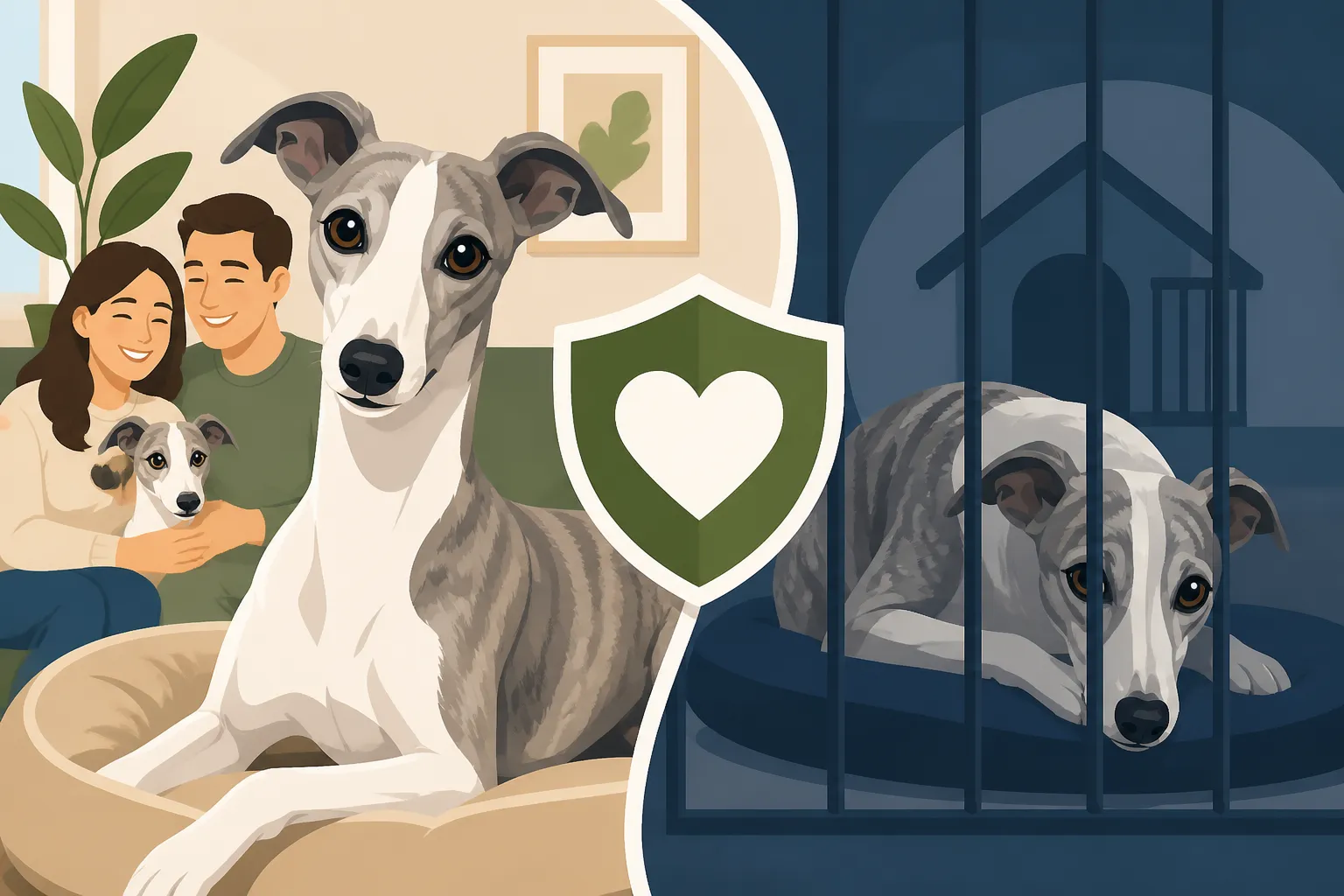
These breeders also take great care in screening potential puppy buyers. They conduct interviews, check references, and often have extensive applications to ensure their puppies are going to suitable, lifelong homes. They educate new owners about the breed's specific needs, temperament, and potential challenges. A good breeder will also insist on a comprehensive contract, which almost always includes a clause stating that if an owner ever needs to rehome their Whippet, the dog must be returned to the breeder, no questions asked. This "take-back clause" is incredibly effective, acting as a safety net that prevents dogs from ever entering the shelter system. It ensures that if life circumstances change, the dog will always have a known, safe place to go.
Strong Owner Commitment and Community Support
Whippet owners, as a group, tend to be incredibly committed and passionate about their dogs. This breed often attracts people who have done their research, understand the unique traits of sighthounds, and are prepared for the quirks and joys of Whippet ownership. When problems arise, owners are often proactive in seeking solutions, whether it's through training, veterinary care, or behaviorists. They understand that their Whippet is a sensitive soul and that harsh handling ruins a Whippet, opting instead for positive reinforcement methods.
Furthermore, the Whippet community is a strong and supportive network. There are active breed clubs, online forums, and local groups where owners can share advice, ask questions, and find support. If an owner is struggling, they often turn to this community first, which can help resolve issues before they escalate to a point of rehoming. This robust support system means that many minor issues that might lead other breeds into rescue are often successfully navigated and resolved within the Whippet-owning world. This dedication contributes significantly to why Whippets rarely reach rescue.
Health, Lifespan, and Manageable Costs
While no dog is entirely "cheap," Whippets generally boast a good health record and manageable care needs, which reduces the likelihood of owners being overwhelmed by unexpected expenses or chronic conditions that might lead to surrender.
Generally Robust Health and Longevity
Whippets are, for the most part, a very healthy breed, known for their impressive lifespans. It's not uncommon for a Whippet to live a full and happy The Twelve to Fifteen Years a Whippet Lives, with many reaching well into their teens. While they have specific health considerations, like the need for a Sighthound Anesthesia Protocol due to their unique physiology, they are not plagued by a laundry list of expensive, debilitating genetic conditions that require constant, costly veterinary intervention. Concerns like Hip Dysplasia in a Whippet or Patellar Luxation in a Whippet are rare compared to some other breeds.
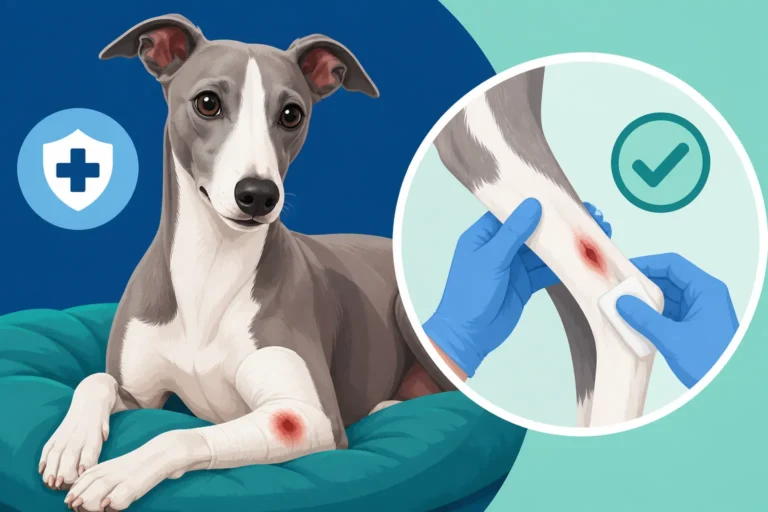
This inherent robustness means fewer unexpected vet bills for chronic illnesses, which can be a major factor in owners surrendering a dog. Of course, proactive care, regular check-ups, and an emergency fund are always essential, but the day-to-day health management of a Whippet is usually straightforward. When issues do arise, such as a skin tear which often happens because of their thin skin, owners are typically prepared for the relatively minor veterinary care involved for emergency stitches: the Whippet bill nobody budgets for.
Manageable Size and Feeding Requirements
Despite their athletic build, Whippets are a medium-sized dog, and their calorie needs are surprisingly modest for their activity level. They are often described as being cheap to feed, which is a significant financial relief for owners. Unlike giant breeds that can consume vast quantities of specialized food, a Whippet requires a reasonable amount of high-quality kibble or fresh food. Brands like Chewy offer a wide variety of excellent dog food options, and services like Ollie provide fresh, balanced meals that can be a great fit for a Whippet's dietary needs without breaking the bank.
Their sleek build means they don't carry excess weight easily, and it's quite simple to keep weight on a Whippet without making it fat. This means less worry about obesity-related health issues and their associated costs. Their coat is short and requires minimal grooming – a quick brush once a week is usually sufficient, meaning no expensive trips to the groomer. These lower ongoing costs make Whippet ownership more sustainable for a wider range of budgets, removing a common reason for surrender.
Behavioral Traits That Favor Retention
Certain behavioral traits inherent to the Whippet breed contribute significantly to their retention in homes. They are generally less prone to severe behavioral problems that overwhelm owners, and their unique communication styles foster strong bonds.
Low Incidence of Aggression and Destructive Behaviors
Whippets are renowned for their gentle and non-confrontational nature. They are not typically aggressive dogs, neither towards people nor other dogs, making them safe and pleasant companions in diverse social settings. While individual personalities vary, widespread issues like reactivity or guarding behaviors are uncommon in the breed. This dramatically reduces instances where owners feel unsafe or unable to manage their dog, which are unfortunately common reasons for surrender in other breeds.
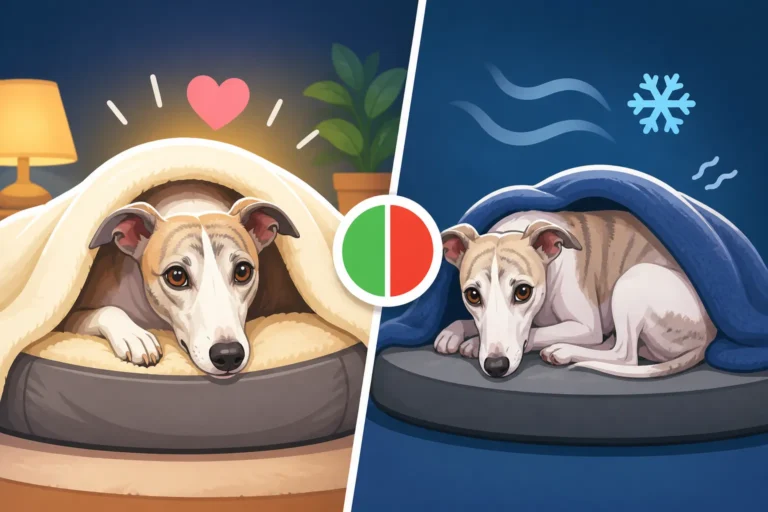
Furthermore, while puppies will be puppies, adult Whippets are generally not prone to severe destructive behaviors. When their exercise needs are met and they have appropriate outlets for chewing, they are usually very respectful of household items. Their preference for comfort means they'd rather be curled up on The Beds a Whippet Owner Keeps Buying than tearing apart furniture. This lack of significant behavioral problems makes them easier to live with and less likely to be given up by frustrated owners.
Sensitivity and Trainability Through Positive Methods
Whippets are incredibly sensitive dogs, and they respond best to positive reinforcement training methods. They thrive on praise, treats, and gentle guidance, shutting down quickly when faced with harsh corrections or punishment. This means that owners are naturally inclined to build a strong, trusting relationship based on mutual respect, rather than force. Their intelligence and desire to please their people mean they are quite trainable, even if they can have a stubborn streak common to sighthounds when a compelling chase instinct kicks in.
Owners learn early on that their Whippet learns when it bruises from pressure, reinforcing the need for gentle handling. This sensitivity, when understood and respected, fosters a deeper bond between dog and owner. People who appreciate this nuanced communication find great joy in working with their Whippet, teaching them manners, and even participating in activities like lure coursing, which channels a Whippet's natural drive in a fun and safe way. This understanding and connection lead to a strong desire to keep the dog as a cherished family member.
The Strong Demand for the Breed and Rehoming Channels
The consistent demand for Whippets, coupled with effective informal rehoming networks, means that few, if any, ever truly fall through the cracks into public shelters.
Consistent Demand and Waitlists
Whippets consistently rank among popular breeds, but they are not so common that the market is flooded with puppies. Reputable breeders often have waiting lists, sometimes extending for months or even a year, for their puppies. This high demand means that a well-bred Whippet puppy is almost always placed in a loving home before it’s even born. When an owner needs to rehome a Whippet, there is usually no shortage of eager individuals ready to welcome one into their family.
This immediate demand acts as a natural buffer against Whippets ending up in rescue. Rather than being faced with the daunting prospect of finding a new home themselves, owners can easily reach out to their breeder, breed clubs, or their network of Whippet-loving friends, and often find several suitable homes interested in adopting. This means the dog transitions directly from one loving home to another, bypassing the stress and uncertainty of a shelter environment entirely.
Effective Informal Rehoming Networks
Beyond breeder contracts, the Whippet community itself forms an incredibly effective informal rehoming network. If a breeder cannot take a dog back, the word quickly spreads through breed club email lists, social media groups, and personal connections. Whippet owners are often delighted to take in an adult Whippet who needs a new home, especially if they already have one or more of the breed.
This strong network ensures that dogs rarely become homeless. It's a testament to the dedication of Whippet enthusiasts who understand the unique needs of the breed and are willing to provide a safe haven. This informal system often moves so quickly and efficiently that a Whippet in need of rehoming might only spend a matter of days or weeks seeking a new family before a perfect match is found, making formal rescue intervention largely unnecessary.
Proactive Care and Ownership Planning
Whippet owners tend to be proactive in their care and planning, addressing potential issues before they become insurmountable problems. This foresight minimizes the chances of a dog needing to be rehomed due to unforeseen circumstances.
Focus on Preventive Health and Insurance
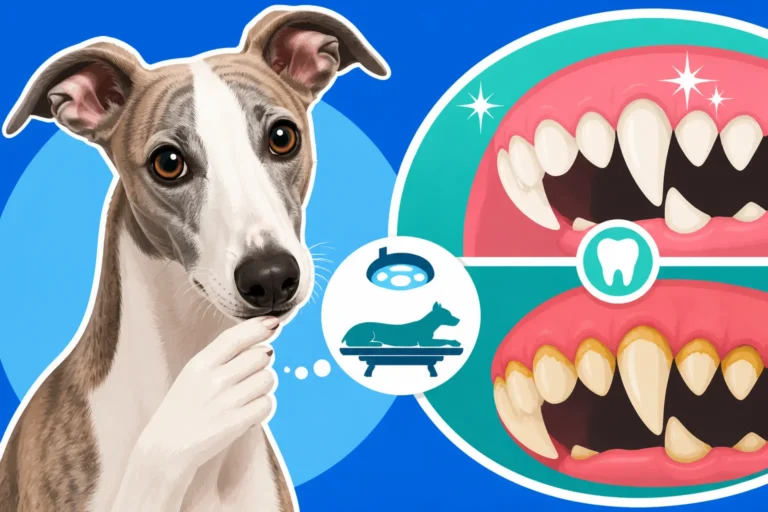
Given that Whippets are generally a healthy breed with a good lifespan, many owners are diligent about preventive care. This includes regular veterinary check-ups, appropriate vaccinations, and keeping their dogs at a healthy weight. They understand the importance of routine dental care, knowing that teeth are the Whippet problem that sneaks up on owners, and will often schedule yearly dental cleanings. This proactive approach helps to catch potential health issues early, often when they are more manageable and less costly to treat.
Many Whippet owners also invest in pet insurance. Companies like Healthy Paws offer comprehensive plans that can cover unexpected accidents or illnesses, significantly reducing the financial burden if a major health issue arises. This forward planning ensures that owners can afford necessary treatments, preventing a situation where a dog might be surrendered because the owner cannot cover vet bills. It’s a crucial safety net for any pet owner, but especially valuable for a breed as cherished as the Whippet.
Long-Term Commitment and Financial Preparedness
Bringing a Whippet into your home is typically a long-term commitment, often spanning more than a decade. Owners understand this from the outset and are usually financially prepared for the full cost of fourteen years with a Whippet. This isn't just about the initial puppy cost, but the ongoing expenses for food, toys, beds, veterinary care, and other necessities.
This long-term perspective means that when life changes occur – a new job, a move, a baby – owners are more likely to adapt and find solutions to keep their beloved Whippet rather than rehome them. They view their Whippet as a full member of the family, and the commitment reflects that. While no one can predict every twist and turn of life, the dedication and preparedness of most Whippet owners mean that surrender is rarely the first or even second option when challenges arise.
Why Whippets Rarely Reach Rescue: A Summary Table
To put it simply, a combination of ideal temperament, responsible breeding, dedicated ownership, and effective community support keeps Whippets out of the traditional rescue system.
| Factor | Whippet Characteristics | Impact on Rescue Rates |
|---|---|---|
| Temperament | Calm indoors, high sprint energy, gentle, quiet | Less prone to behavioral issues like hyperactivity or excessive barking that lead to surrender. |
| Adaptability | Good for apartments, generally good with kids/other pets | Fits diverse lifestyles, reducing reasons for rehoming due to living situation changes. |
| Breeding Practices | Reputable breeders, health testing, take-back clauses | Breeders act as primary safety net, preventing dogs from entering shelters. |
| Owner Commitment | Dedicated, proactive, problem-solvers, community-minded | Owners actively work through challenges, seek support, and rarely give up on their dogs. |
| Health & Lifespan | Generally healthy, long lifespan, fewer chronic issues | Lower incidence of overwhelming vet bills or debilitating conditions leading to surrender. |
| Care & Feeding Costs | Moderate size, modest food needs, low grooming | Less financial burden compared to larger or high-maintenance breeds. |
| Behavioral Stability | Low aggression, non-destructive, sensitive to training | Fewer severe behavioral problems that require rehoming. |
| Demand for Breed | Consistent high demand, waiting lists | Easy to rehome privately or through breeder/community networks if needed. |
| Proactive Planning | Pet insurance, long-term financial preparedness | Owners better equipped to handle unexpected costs or life changes. |
Ultimately, the scarcity of Whippets in rescue isn't because they're a rare breed; it's a reflection of how well-suited they are to companionship and how committed their human families tend to be. It speaks volumes about the entire ecosystem of Whippet ownership, from the thoughtful breeders to the loving homes they go to.
Disclaimer
This article is for general informational purposes only and does not constitute professional advice. Laws, prices and regulations vary by location and change over time. Consult a qualified professional for guidance on your specific situation.