Addison’s Disease in a Whippet
It’s a truly frightening moment when your beloved Whippet starts acting a little “off,” and no matter how many times you tell yourself it’s just a passing bug, that worry gnaws at you. Even more so when the symptoms are vague, mimicking a dozen other things, making you feel like you’re missing something crucial. This guide is here to demystify Addison’s Disease in Whippets, explaining what it is, how to recognize its subtle signs, and what the diagnostic and management journey entails for your lean, loving companion.
Understanding Addison's Disease in Your Whippet
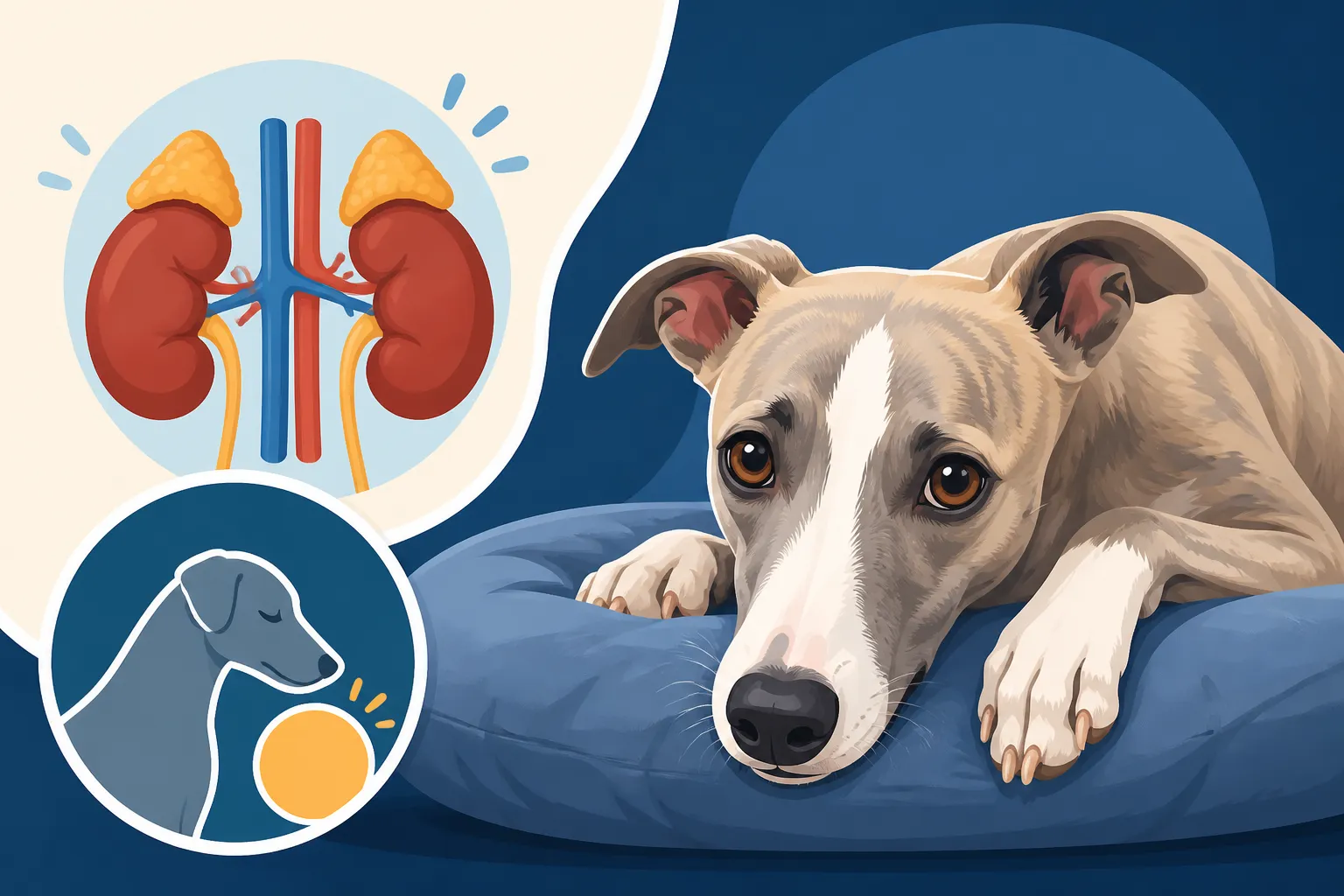
Addison's Disease, or hypoadrenocorticism, is one of those conditions that can sneak up on you and your Whippet, often mimicking a host of other common ailments. It’s sometimes called "the great imitator" for a reason. Essentially, Addison's is an endocrine disorder where your dog's adrenal glands, located near the kidneys, don't produce enough of certain crucial hormones, primarily cortisol and aldosterone. These hormones are vital for regulating stress response, metabolism, electrolyte balance, and blood pressure. When they're in short supply, the body struggles to function correctly, leading to a cascade of problems.
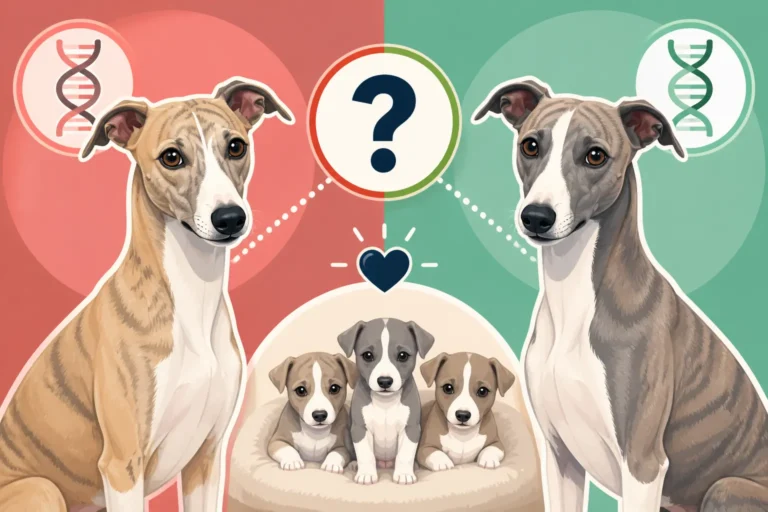
For a Whippet, whose sensitive nature and naturally lean physique can sometimes make discerning subtle health changes tricky, Addison's can be particularly insidious. They might just seem a bit more lethargic than usual, or perhaps more withdrawn. We all know Whippets are champions of the couch, but there’s a distinct difference between a healthy, napping Whippet and one feeling genuinely unwell. The primary form of Addison's is "primary hypoadrenocorticism," which is usually immune-mediated, meaning the body's own immune system mistakenly attacks and destroys the adrenal glands. This isn’t something you can prevent, and it’s a genetic predisposition in some breeds, though not extensively studied specifically in Whippets. Knowing what you're up against is the first step in providing the best care.
The Role of Adrenal Hormones
To truly grasp Addison's, it helps to understand what these missing hormones actually do. Cortisol, often called the "stress hormone," plays a critical role in almost every bodily system. It helps regulate metabolism, reducing inflammation, assisting with memory formation, and balancing blood sugar. Without enough cortisol, your Whippet’s body can’t properly respond to stress, illness, or even normal daily fluctuations. Imagine trying to run a marathon without any fuel in your tank; that’s what it can feel like for their internal systems.
Aldosterone, the other key hormone, is a mineralocorticoid. Its main job is to regulate electrolyte balance, specifically sodium and potassium, and indirectly control blood pressure and fluid balance. When aldosterone levels drop, your Whippet can experience dangerous imbalances in these electrolytes, leading to problems with heart function, kidney health, and overall hydration. This electrolyte imbalance is often what triggers the most severe, life-threatening symptoms associated with an "Addisonian crisis." It’s a complex interplay, and when one part of the system breaks down, the whole body suffers.
Recognizing the Vague Symptoms of Addison's in Your Whippet
One of the biggest frustrations with Addison's is how incredibly vague and inconsistent the symptoms can be. Your Whippet might seem fine one day, a little off the next, then rally, only to decline again. This waxing and waning pattern often delays diagnosis, as owners and even vets initially might attribute the signs to minor stomach upset, stress, or just a lazy day. For Whippet owners, who are accustomed to their dogs being lean and often quiet indoors, distinguishing genuine illness from normal behavior requires keen observation. You know your dog best, and if something feels different about their usual "couch potato" routine, it's worth investigating.
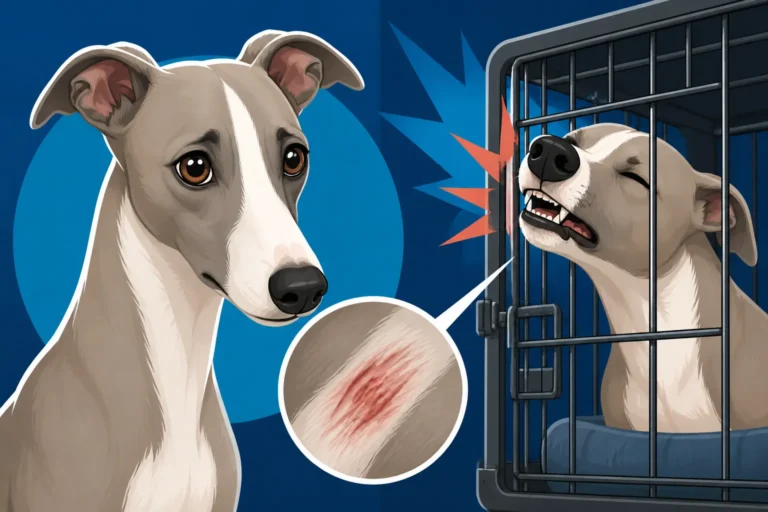
Common signs include lethargy, decreased appetite, vomiting, diarrhea, weight loss, and increased thirst and urination. These are symptoms that could point to countless other conditions, from a simple dietary indiscretion to kidney disease. What often sets Addison's apart, particularly as it progresses, is a noticeable weakness, sometimes shivering, and a generally poor coat condition. You might also notice a slower healing process for minor cuts or bruises, something that can already be a concern with the-thin-skin-that-sends-a-whippet-to-the-vet-for-stitches. Because Whippets are so sensitive, any prolonged period of feeling unwell can cause them to become even more withdrawn or anxious, adding another layer to the diagnostic puzzle.
Subtle Behavioral Changes
Beyond the physical symptoms, pay close attention to subtle shifts in your Whippet’s behavior. Are they usually the first to greet you at the door, but now they barely lift their head? Are they turning down their favorite treats, even when you try hand-feeding them to tempt their appetite? A decreased interest in play, even a quick zoomie session in the yard, can be a red flag. While Whippets are known for being quite adaptable, a sudden or prolonged change in their typical enthusiasm for life warrants attention. They might seem generally depressed or simply "not themselves."
Another behavioral indicator could be an increased sensitivity to stress or loud noises. While many Whippets are already a bit reserved around strangers or in busy environments, a dog with Addison’s might find these situations even more overwhelming. They may seek out quiet, isolated spots more frequently or show exaggerated signs of anxiety. Since Whippets learn through positive reinforcement and can be quite sensitive to harsh handling, any internal discomfort could make them even more susceptible to emotional shutdowns.
Recognizing an Addisonian Crisis
The most critical and life-threatening manifestation of Addison's Disease is an "Addisonian crisis." This is an acute, severe episode where the adrenal glands completely fail to produce enough hormones, leading to a sudden and drastic deterioration of your Whippet's health. It's often triggered by a stressful event, like an illness, injury, or even a sudden change in routine, pushing an already compromised system over the edge. The symptoms are much more dramatic and require immediate veterinary attention.
During a crisis, your Whippet might collapse, be extremely weak, suffer from severe vomiting and diarrhea, and exhibit signs of shock, such as pale gums, a rapid and weak pulse, and cold extremities. They might also experience severe dehydration and hypovolemia (low blood volume). The electrolyte imbalances can become profound, leading to life-threatening heart arrhythmias. If you ever suspect your Whippet is in an Addisonian crisis, do not delay – this is a true veterinary emergency. Getting them to an emergency clinic as quickly as possible, perhaps one well-versed in sighthound anesthesia protocols, is crucial for their survival.
Diagnosing Addison's Disease in Your Whippet
Diagnosing Addison's Disease can feel like a frustrating game of whack-a-mole because its symptoms are so non-specific. You might go through several vet visits, different tests, and even trials of other medications before Addison's is finally considered. This isn't a reflection on your vet's competence, but rather the cunning nature of the disease itself. As a Whippet owner, it’s important to be persistent and provide your vet with a detailed history of your dog’s symptoms, including when they started, how they’ve changed, and any patterns you’ve observed. Sometimes, the subtle changes only you notice can be the most valuable clues.
The initial work-up will typically involve routine blood tests and a urinalysis. On these tests, your vet might see some suggestive, but not definitive, abnormalities. For instance, electrolyte imbalances—specifically low sodium and high potassium—are strong indicators of Addison's, though not all Addisonian dogs will show this, especially in the early stages. Other findings might include elevated kidney values (BUN and creatinine), even if the kidneys themselves are healthy, as well as mild anemia or an elevated white blood cell count that doesn't quite fit a typical infection profile. Understanding the normal oddities in Whippet bloodwork can actually help your vet differentiate these findings.
The ACTH Stimulation Test: The Gold Standard
While routine bloodwork can raise suspicion, the definitive diagnostic test for Addison's Disease is the ACTH (Adrenocorticotropic Hormone) stimulation test. This test directly assesses the adrenal glands' ability to produce cortisol. Here’s how it typically works:
- Baseline Blood Sample: Your vet will first collect a blood sample from your Whippet to measure their baseline cortisol level.
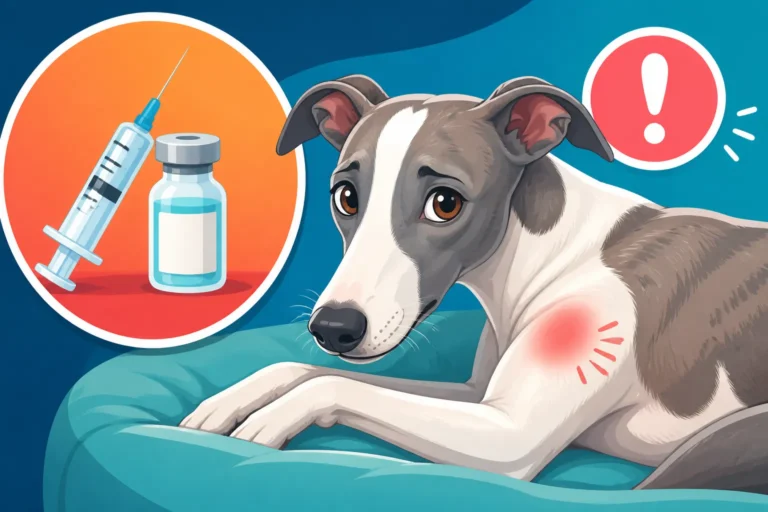
- ACTH Injection: Your Whippet will then receive an injection of synthetic ACTH, a hormone that normally stimulates the adrenal glands to produce cortisol.
- Second Blood Sample: After a specific waiting period (usually one to two hours), a second blood sample is collected to measure the post-stimulation cortisol level.
In a healthy dog, the ACTH injection will cause a significant increase in cortisol levels. In a Whippet with Addison's Disease, however, the adrenal glands are damaged and unable to respond, so the post-stimulation cortisol level will remain low, often showing little to no increase. This lack of response is what confirms the diagnosis. It’s a straightforward test, but it does require two blood draws and a waiting period, so plan to spend some time at the veterinary clinic.
Differentiating Atypical Addison's
It's also worth noting that there's a variant called "atypical Addison's Disease." In these cases, the adrenal glands primarily fail to produce enough cortisol but still manage to produce sufficient aldosterone. This means the critical electrolyte imbalances (low sodium, high potassium) might not be present, making the initial bloodwork appear more "normal" and the diagnosis even harder to pinpoint. Atypical Addison's still requires the ACTH stimulation test for diagnosis.
If your Whippet is showing vague, recurring symptoms, and other common causes have been ruled out, don't hesitate to discuss the possibility of Addison's and the need for an ACTH stimulation test with your veterinarian. Being proactive, especially when you have a pet insurance plan like Healthy Paws, can make a huge difference in managing the diagnostic costs and ensuring your Whippet gets the care they need without financial stress becoming a barrier.
Managing Addison's Disease and Living a Full Life
Receiving an Addison's diagnosis for your Whippet can feel overwhelming, but the good news is that with proper treatment, most dogs with Addison's Disease can lead full, active, and happy lives. It's a condition that requires lifelong management, but it's not a death sentence. Your Whippet will need regular medication to replace the hormones their adrenal glands can no longer produce, essentially giving their body back the tools it needs to function correctly. This commitment from you as an owner is paramount, and thankfully, Whippets are generally resilient and adaptable, making the routine a manageable part of their daily lives.
The primary treatment involves two types of medication: mineralocorticoids and glucocorticoids. Mineralocorticoids, like fludrocortisone acetate (Florinef), replace the missing aldosterone and help regulate electrolytes. This medication is usually given orally once or twice a day. Alternatively, an injectable medication called desoxycorticosterone pivalate (DOCP, brand names Zycortal or Percorten-V) can be given every 25-30 days, which many owners find more convenient. Glucocorticoids, like prednisone, replace the missing cortisol. Your vet will determine the appropriate dosage, which often needs to be adjusted during times of stress, illness, or surgery (e.g., if your Whippet ever needs treatment for a skin tear or a fracture, which can unfortunately occur).
| Medication Type | Hormone Replaced | Administration Method | Key Function | Frequency (Typical) |
|---|---|---|---|---|
| Mineralocorticoid | Aldosterone | Oral or Injectable | Electrolyte & Blood Pressure Reg. | Daily (oral) / Monthly (injectable) |
| Glucocorticoid | Cortisol | Oral | Stress Response, Metabolism, Anti-inflammatory | Daily (oral) |
Ongoing Monitoring and Adjustments
Living with an Addisonian Whippet means becoming an expert in their routine and keeping a close eye on their well-being. Regular veterinary check-ups are crucial, especially in the initial months after diagnosis, to monitor their electrolyte levels and adjust medication dosages as needed. Typically, blood tests will be performed a few weeks after starting or adjusting medication, and then every few months, and eventually less frequently once your Whippet is stable. These tests ensure that the medication is effectively balancing their hormones without overdosing or underdosing.
It's important to keep all veterinary appointments and administer medications exactly as prescribed. Missing doses or altering them without veterinary guidance can quickly lead to a relapse of symptoms or even another Addisonian crisis. Don't be afraid to ask your vet questions about the medication, potential side effects, or what to do in case of an emergency. Building a strong relationship with a veterinarian who understands sighthound specific needs is incredibly beneficial. You might even find that a Whippet with Addison's can still enjoy a long and happy life, sometimes even reaching into their senior years like other older Whippets.
Financial Considerations and Support
The ongoing cost of Addison's medication and regular veterinary visits can be a concern for many owners. This is where investing in pet insurance early can really make a difference. Companies like Healthy Paws, for example, often cover chronic conditions like Addison's once the waiting period is met, significantly reducing your out-of-pocket expenses for lifelong medication and diagnostic blood work. Knowing you have that financial safety net can alleviate a lot of stress and allow you to focus solely on your Whippet's health.
Beyond the financial aspect, remember that you're not alone. Many Whippet owners, and dog owners in general, are navigating chronic health conditions. Online forums, breed-specific groups, and local support networks can be invaluable resources for sharing experiences, tips, and emotional support. Don't hesitate to reach out to these communities. With consistent care, medication, and your unwavering love, your Whippet can continue to be the joyous, cuddly, and occasionally zoomie-prone companion you cherish.
Disclaimer
This article is intended for informational purposes only and does not constitute veterinary advice. Always consult with a qualified veterinarian for any health concerns or before making any decisions about your pet's medical care.