Whether a Blue Whippet Loses Its Coat
It's a common worry among Whippet owners, especially those drawn to the striking "blue" coats: will my beautiful dog end up with thin patches or even significant hair loss? This concern is absolutely valid, as certain dilute colors in some breeds are indeed linked to a genetic condition that affects coat quality. This guide will walk you through the realities of color dilution alopecia in blue Whippets, helping you understand the genetics, identify potential issues, and learn how to best care for your dilute-colored companion.
Understanding Blue Whippet Genetics and Coat Color
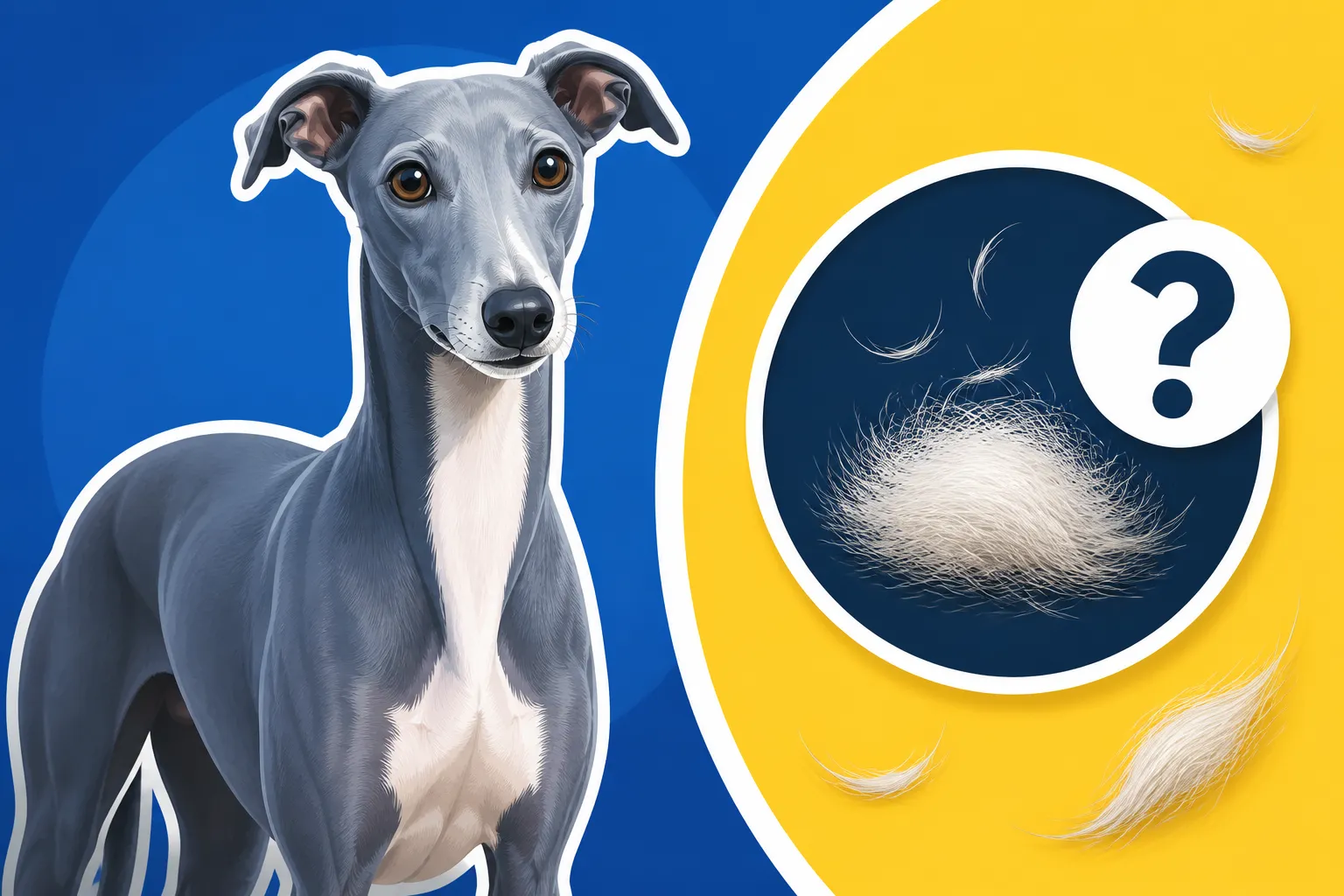
When you see a stunning blue Whippet, what you're actually seeing is a dilute black. It's not truly blue like a vibrant sapphire, but rather a slate grey or charcoal hue. This unique coloring is captivating, making these Whippets highly sought after, but it's also where some of the common misconceptions and legitimate concerns about coat health stem from.
The Science Behind "Blue" in Whippets
The "blue" color in a Whippet, or any dog for that matter, is a result of a recessive gene that dilutes black pigment. This gene, often referred to as the "d" locus, turns black fur into blue (grey) and liver (brown) fur into Isabella (a pale, often pinkish-tan). For a Whippet to be blue, they must inherit two copies of this recessive dilution gene, one from each parent. So, genetically speaking, a blue Whippet carries two 'd' alleles (dd). This genetic makeup is what determines their beautiful, muted coat. It’s a perfectly natural part of canine genetics, and many breeds, not just Whippets, carry and express this dilution.
Why Dilute Colors Can Present Challenges
While the dilute gene itself isn't inherently problematic, in certain breeds, it can be associated with a condition known as Color Dilution Alopecia, or CDA. This isn't just about the color; it's about how the pigment is deposited in the hair shaft and skin. In dogs susceptible to CDA, the melanin granules within the hair shafts clump together irregularly. This clumping can make the hair shaft brittle and fragile, leading to breakage, thinning, or even complete hair loss in affected areas. It also makes the hair follicles more prone to infection and inflammation, which further exacerbates the problem. The dilute coloration doesn't cause CDA directly, but rather, the same genetic pathways that produce the dilute color can sometimes predispose a dog to this particular follicular issue.
What is Color Dilution Alopecia (CDA)?
Color Dilution Alopecia is a genetic, non-inflammatory skin disorder that primarily affects dogs with dilute coat colors, such as blue (dilute black) and Fawn/Isabella (dilute liver/brown). While it's most commonly seen in breeds like Doberman Pinschers, Great Danes, and Italian Greyhounds, the question often arises: what about our beloved Whippets? It’s crucial to understand that not all blue dogs will develop CDA, and even within susceptible breeds, the severity can vary widely.
Recognizing the Symptoms of CDA
The onset of CDA typically begins early in a dog's life, often between six months and two years of age, though it can appear later. The primary symptom is progressive hair thinning or loss, most noticeably in the blue or dilute-colored areas of the coat. You might start to notice the fur becoming sparse, looking dull, or feeling brittle. Often, the hair loss isn't uniform; it can appear in patches, particularly on the trunk and ears, sometimes leaving the head and legs relatively unaffected.
Beyond just hair loss, dogs with CDA can also experience a range of secondary skin issues. This includes dry, scaly skin, blackheads (comedones), and an increased susceptibility to bacterial skin infections (pyoderma) or yeast infections. The clumping of melanin that causes the hair shaft fragility also makes the skin less healthy and more vulnerable. It can be quite frustrating to manage, as these secondary infections require diligent care and can lead to discomfort for your Whippet. It’s important to distinguish these symptoms from other common Whippet skin concerns, like a [Whippet's skin tear].
Breeds Most Affected by CDA and Whippets' Place Among Them
Historically, Color Dilution Alopecia has been well-documented in a number of breeds, with Doberman Pinschers being perhaps the most famous example of a breed prone to "blue Doberman syndrome." Other breeds where CDA is more common include Great Danes, Italian Greyhounds, Chihuahuas, Salukis, Standard Poodles, and Yorkshire Terriers.
So, where do Whippets stand? While Whippets can carry the dilute gene and be blue, the incidence of severe, widespread CDA in Whippets is generally considered to be quite low compared to some of these other breeds. It’s not a condition that impacts a majority of blue Whippets. However, some individual blue Whippets can still experience mild to moderate coat thinning or poor coat quality. This means that while a full-blown "loses its coat entirely" scenario is less common, a blue Whippet might have a noticeably thinner or more fragile coat than a non-dilute counterpart. This is a subtle but important distinction; it’s not always about outright baldness, but often about a compromise in coat health. If you're wondering Whether Color Dilution Alopecia Affects Whippets at all, the answer is yes, it can, but usually to a lesser degree than in more predisposed breeds.
Is Coat Loss Inevitable for Blue Whippets?
For most blue Whippet owners, the good news is that significant, widespread coat loss due to CDA is far from inevitable. While the genetic predisposition exists, many blue Whippets live their lives with perfectly acceptable coats, perhaps a little thinner than their black or brindle siblings, but not dramatically so. It really highlights the spectrum of genetic expression.
Distinguishing Normal Shedding from CDA
One of the biggest anxieties for new Whippet owners, especially those with blue dogs, is figuring out what's normal and what's a sign of a problem. All Whippets shed; they have a fine, short coat, and while they don't shed excessively, they do lose hair year-round, with seasonal increases. This is a healthy, natural process. You might find a fine dusting of hair on your furniture, or a few strands on your clothes. This is normal.
CDA, however, presents differently. It's characterized by thinning, patchiness, and often brittle, broken hairs, usually accompanied by dry or scaly skin, and sometimes itching or recurrent infections in the affected areas. Normal shedding leaves healthy new hair growth underneath; CDA usually doesn't, or the new hair is equally fragile. If you're concerned, consult your vet. A good veterinarian, particularly one familiar with sighthounds and their unique physiology, will be able to perform diagnostic tests, such as skin scrapings, fungal cultures, or even skin biopsies, to differentiate CDA from other dermatological conditions.
Here's a quick comparison to help you tell the difference:
| Feature | Normal Whippet Shedding | Color Dilution Alopecia (CDA) in Blue Whippets |
|---|---|---|
| Onset | Consistent throughout life, seasonal peaks | Typically 6 months to 2 years, progressive |
| Hair Quality | Healthy, fine, uniform | Dull, brittle, broken, coarse texture, uneven |
| Pattern | Even shedding across the body | Patchy hair thinning/loss, primarily dilute-colored areas (trunk, ears) |
| Skin Condition | Healthy, supple | Dry, scaly, flaky, prone to blackheads and infections |
| Itching | Usually absent | Can be present, especially with secondary infections |
| Hair Regrowth | Healthy new hair replaces shed hair | Poor or no regrowth; new hair is fragile and breaks easily |
| Secondary Issues | None | Recurrent bacterial or yeast infections, pustules, discomfort |
Factors That Influence Coat Health in Dilute Dogs
Several factors can influence the overall coat health of a dilute-colored Whippet, even if they don't develop full-blown CDA. Genetics is the primary one, of course, but general health, nutrition, and environmental factors also play a significant role. A well-balanced diet rich in essential fatty acids (like Omega-3 and Omega-6) is vital for skin and coat health in all dogs, but especially for those with potentially fragile coats. High-quality dog food, possibly supplemented with fish oil, can make a noticeable difference in the luster and strength of their fur.
Stress, allergies, and underlying health conditions can also contribute to poor coat quality or exacerbate existing thinning. Regular veterinary check-ups are always a good idea to catch any systemic issues early. Remember that The Twelve to Fifteen Years a Whippet Lives means a lot of ongoing care, and proactive health management is key. Even something as simple as ensuring they're not exposed to harsh chemicals or excessive sunlight can prevent further skin irritation.
Managing and Caring for a Blue Whippet's Coat
If you have a blue Whippet, whether they show signs of thinning or not, proactive care is the best approach. It’s all about supporting their skin barrier and hair follicles, and being vigilant about any changes.
Veterinary Care and Diagnosis for Coat Issues
The very first step if you notice any unusual coat thinning or skin irritation on your blue Whippet is to schedule a vet visit. Don't try to self-diagnose based on internet searches. Your veterinarian will rule out other common causes of hair loss, such as parasites (fleas, mites), fungal infections (ringworm), bacterial infections, allergies, or hormonal imbalances like hypothyroidism (which, interestingly, a Whippet's Thyroid Reading Runs Low normally, but severe drops can indicate an issue). They might take skin scrapings, perform a fungal culture, or conduct blood tests.
If CDA is suspected, your vet may recommend a skin biopsy. This is the most definitive diagnostic tool. A small piece of skin is removed under local anesthesia and sent to a veterinary dermatopathologist, who can examine the hair follicles and melanin clumping under a microscope. This helps confirm the diagnosis and guides treatment. Finding a vet who understands sighthound nuances is beneficial, as even routine procedures like sedation for a biopsy require special considerations due to Why Anesthesia Is Riskier in a Whippet. When considering the costs of these diagnostics, pet insurance providers like Healthy Paws can be incredibly helpful for managing unexpected veterinary bills, especially for specialized dermatological care.
Practical Tips for Maintaining Skin and Coat Health
Even without a formal CDA diagnosis, providing excellent skin and coat care for your blue Whippet can help prevent problems and keep them comfortable.
- Gentle Bathing: Over-bathing can strip natural oils, leading to dry skin. Use a mild, moisturizing shampoo specifically formulated for dogs with sensitive skin. Your vet might even recommend a medicated shampoo if secondary infections are present. Rinse thoroughly to ensure no residue is left behind, which can irritate the skin. Which Shampoo Suits a Whippet's Thin Skin is a common query, and often, gentle, oatmeal-based formulas are a good starting point.
- Moisturizing: After bathing, or for generally dry skin, consider using a veterinary-approved leave-in conditioner or topical moisturizer. These products can help restore the skin's barrier function and reduce flakiness.
- Dietary Support: As mentioned earlier, a high-quality diet is paramount. Look for foods rich in Omega-3 and Omega-6 fatty acids, or supplement with fish oil. These fatty acids are crucial for healthy skin and a lustrous coat. Biotin and zinc supplements can also be beneficial, but always discuss any supplements with your vet first to ensure they are appropriate for your individual Whippet.
- Sun Protection: Whippets have fine coats and often thin skin, making them prone to sunburn, especially in areas with sparse hair. Blue Whippets, with potentially thinner hair, might be even more susceptible. Limit sun exposure during peak hours, and consider using dog-safe sunscreen on vulnerable areas like the bridge of the nose or ear tips if your vet approves.
- Soft Bedding: All Whippets benefit from soft, cushioned beds due to their lack of body fat, preventing The Pressure Sores a Whippet Gets From Sleeping on the Floor. For blue Whippets with potentially delicate skin, this is even more critical. Provide plenty of cozy spots where they can rest without putting undue pressure on their skin.
- Avoid Harsh Grooming: While Why a Whippet's Coat Takes Five Minutes a Week means grooming is generally easy, avoid vigorous brushing that could pull or break delicate hairs. A soft brush or grooming mitt is usually sufficient to remove loose hair and stimulate blood flow without irritating the skin.
- Monitor for Secondary Infections: Keep a close eye on your Whippet's skin for any redness, bumps, pustules, or increased itching. If you spot these, it's time for another vet visit, as prompt treatment of secondary bacterial or yeast infections is essential for comfort and preventing further hair loss. Many pet owners rely on their pet insurance, like Healthy Paws, to cover the recurring costs associated with managing these types of chronic skin conditions.
- Internal Link for Further Reading: If you're encountering skin issues, you might find more comprehensive advice on Skin First Aid Every Whippet Owner Should Know helpful for immediate, minor concerns, but persistent issues always warrant a vet visit.
Remember, owning a blue Whippet means appreciating their unique beauty while being prepared for potential, though not inevitable, dermatological quirks. With informed care and a good relationship with your veterinarian, your blue Whippet can enjoy a happy, comfortable life with a beautiful, even if slightly delicate, coat.
Disclaimer
The information provided in this article is for general informational purposes only and is not intended as a substitute for professional veterinary advice. Always consult with a qualified veterinarian regarding any health concerns or before making any decisions about your pet's medical care.