Why Thiobarbiturates Endanger a Whippet
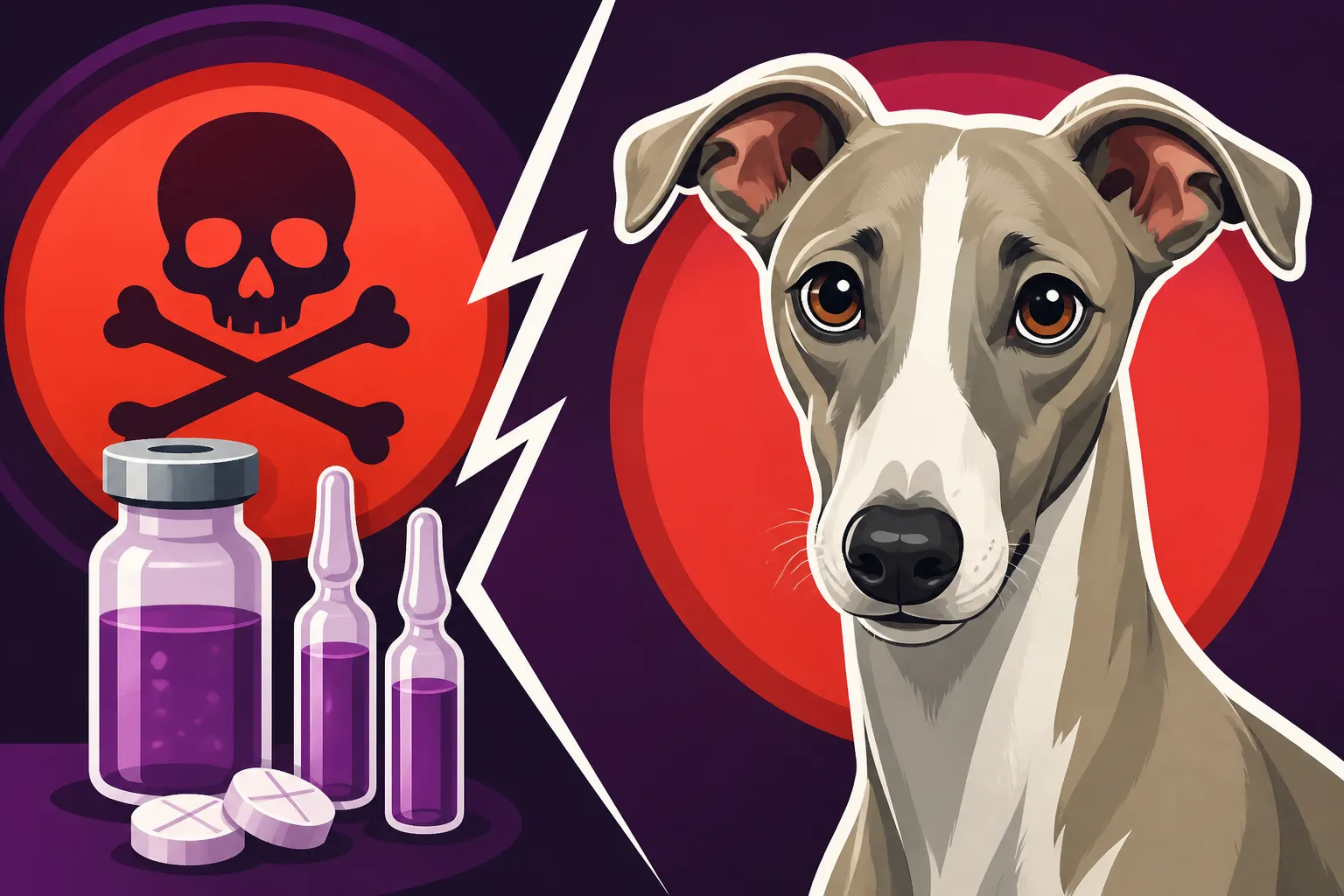
Bringing your beloved Whippet to the vet for any procedure requiring anesthesia can be incredibly nerve-wracking, and for good reason. Unlike many other breeds, Whippets have unique physiological quirks that make them particularly sensitive to certain medications. One class of drugs that has historically caused significant concern, and still does in some circles, is thiobarbiturates. Understanding why these drugs pose a danger to your Whippet is crucial for ensuring their safety and advocating for the best possible care.
Understanding the Whippet's Unique Physiology
Whippets are not just small dogs; they are finely tuned athletes, and their bodies operate differently from your average Labrador or Bulldog. This distinct physiology means that veterinary protocols, especially concerning anesthesia, need to be tailored specifically for them. Ignoring these differences can lead to serious, even life-threatening, complications.
A Body Built for Speed, Not for Fat
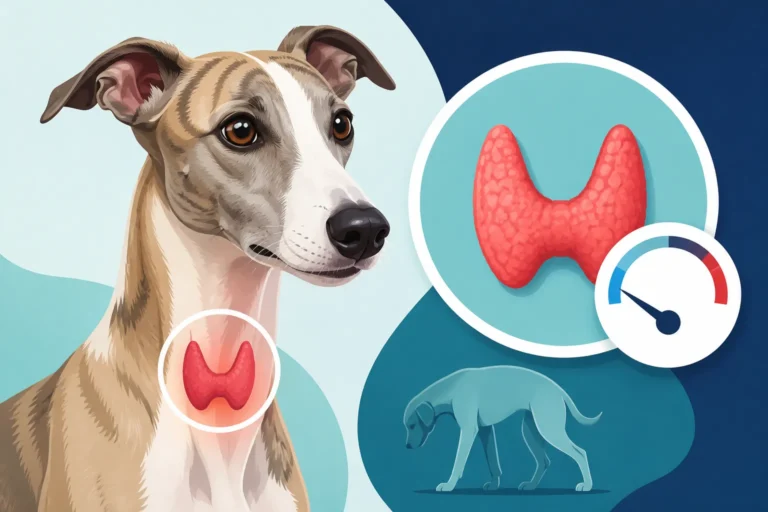
One of the most striking features of a Whippet is their incredibly lean build. They have minimal body fat and a high muscle-to-fat ratio. While this makes them magnificent runners, it also means they lack the insulating fat layers that help other breeds regulate body temperature and metabolize certain drugs. When we talk about "Why a Lean Whippet Loses Body Heat Under Anesthesia," it's not just a minor inconvenience; it's a critical factor in their anesthetic safety. Their thin skin, which often sends them to the vet for stitches after a minor scrape, also means they have fewer natural barriers to heat loss. This lack of fat also means that lipid-soluble drugs, like many anesthetics, behave very differently in their system compared to a dog with more adipose tissue.
Efficient Circulation and Drug Distribution
Whippets possess an incredibly efficient circulatory system, designed to rapidly deliver oxygen and nutrients to their muscles during a sprint. This also means that any drug introduced into their bloodstream is quickly distributed throughout their body, including to vital organs like the brain. While their large heart is generally a sign of health and athleticism and "Why a Whippet's Big Heart Is Not a Diagnosis," it nonetheless contributes to this rapid systemic distribution. This quick travel time can mean that certain drugs reach peak effect much faster, and if not carefully managed, can lead to a more profound initial impact than anticipated. Their efficient liver also processes drugs, but the way a drug redistributes after its initial effect is what really matters with thiobarbiturates.
The Perils of Thiobarbiturates for Sighthounds
Thiobarbiturates were once common anesthetic induction agents, but their use in sighthounds like Whippets has largely fallen out of favor due to the significant risks involved. Understanding the specific mechanics behind this danger is key to appreciating why modern veterinary medicine steers clear of them for our sleek companions.
Lipid Solubility and Prolonged Recovery
Drugs like thiopental sodium (a classic thiobarbiturate) are highly lipid-soluble, meaning they love fat. When administered, they rapidly cross the blood-brain barrier, causing unconsciousness quickly. In most breeds, after this initial brain uptake, the drug then redistributes into body fat and muscle tissue. This redistribution is what causes the anesthetic effect to wear off, as the drug leaves the brain for these other "storage" sites. However, a Whippet, with its minimal body fat, has very few places for the drug to redistribute to.
Instead of being rapidly shunted into fat, the drug lingers in the bloodstream at higher concentrations and takes a much longer time to be metabolized and excreted by the liver and kidneys. This leads to an incredibly prolonged, slow, and often very rough recovery period. Owners often describe their Whippets being "out of it" for hours, sometimes even a full day, after a thiobarbiturate. This isn't just uncomfortable for your dog; it significantly increases the risk of hypothermia, aspiration pneumonia, and other complications during recovery. This directly relates to concerns about "How Slowly a Whippet Wakes From Sedation."
Increased Risk of Hypothermia
As previously mentioned, Whippets naturally lose body heat more easily due to their lack of insulating fat. Anesthesia, by its very nature, depresses the body's thermoregulatory mechanisms, making maintaining core body temperature a challenge for any animal. When you combine this with a prolonged recovery caused by thiobarbiturates, the risk of hypothermia skyrockets. A cold Whippet will shiver, which burns precious calories and energy needed for recovery, and can further slow down drug metabolism, creating a dangerous cycle. Active warming protocols become even more critical when these drugs are involved, but ideally, avoiding them altogether is the best approach. Ensuring your Whippet has "The Wardrobe a Whippet Needs Because It Has No Body Fat" isn't just for cold walks, but a constant consideration for their internal temperature regulation.
Safer Anesthetic Options and Protocols for Whippets
The good news is that veterinary medicine has advanced significantly, and there are now much safer and more predictable anesthetic options available for Whippets and other sighthounds. It's about choosing "Which Drugs a Whippet Should Not Be Given" and opting for those that better suit their unique physiology.
Modern Induction Agents of Choice
Today, most sighthound-savvy veterinarians will opt for anesthetic induction agents that are metabolized directly by the liver rather than relying on redistribution into fat.
| Drug Class | Example Drugs | Primary Mechanism of Action | Suitability for Whippets | Recovery Time | Primary Risk if Unsuitable |
|---|---|---|---|---|---|
| Thiobarbiturates | Thiopental, Methohexital | Lipid-soluble, relies on redistribution to fat | UNSUITABLE | Prolonged, rough | Hypothermia, aspiration |
| Propofol | Propofol | Rapidly metabolized by liver | HIGHLY SUITABLE | Fast, smooth | Apnea (if given too fast) |
| Alfaxalone | Alfaxalone (Alfaxan) | Rapidly metabolized by liver | HIGHLY SUITABLE | Fast, smooth | Apnea, mild hypotension |
| Etomidate | Etomidate | Rapidly metabolized by liver | SUITABLE | Fast, smooth | Adrenal suppression |
Propofol is a wonderful choice for Whippets because it's rapidly metabolized by the liver, meaning its effects wear off quickly and smoothly, regardless of the patient's body fat percentage. There's a reason it's often referred to as "Propofol as a Whippet's Safer Option." Similarly, Alfaxalone (brand name Alfaxan) offers a very rapid onset and smooth, swift recovery, making it another excellent choice. Etomidate is also metabolized quickly and has minimal cardiovascular effects, making it a good option for sighthounds, especially those with pre-existing heart conditions. These drugs allow for a controlled induction and a much more predictable "How Long a Whippet Takes to Wake From Anesthesia."
Comprehensive Anesthesia Management
Beyond the choice of induction agent, a truly sighthound-safe anesthesia protocol involves several critical components.
- Pre-Anesthetic Bloodwork: This isn't just a suggestion; it's vital. "Whether a Whippet Needs Pre Anesthetic Bloodwork" is a resounding yes. Comprehensive bloodwork helps the vet assess liver and kidney function, red blood cell count, and overall health, allowing them to tailor the anesthetic plan and identify any underlying issues that could complicate the procedure.
- Intravenous (IV) Fluids: Administering IV fluids before, during, and after anesthesia helps maintain hydration, supports blood pressure, and aids kidney function in metabolizing and excreting drugs. This is a standard part of modern anesthesia for any dog but is particularly beneficial for Whippets.
- Active Warming: Given their propensity for hypothermia, active warming measures are non-negotiable. This means using heated surgical tables, forced-air warming blankets (like the Bair Hugger), and heated IV fluid lines. "Warming a Whippet During Surgery" is absolutely essential to prevent complications and ensure a smooth recovery. Post-operative warming should continue until your Whippet's temperature is stable and normal.
- Diligent Monitoring: Constant monitoring of heart rate, respiratory rate, blood pressure, oxygen saturation, and temperature is paramount. Advanced monitoring equipment allows the veterinary team to react quickly to any changes.
- Experienced Veterinary Team: Perhaps most importantly, "Whether a Whippet Needs a Vet Who Knows Sighthounds" is a crucial question. A veterinary team experienced with sighthound anesthesia will understand these unique needs and proactively implement the safest protocols. Don't be shy about asking your vet about their experience with Whippets and their specific anesthesia protocols.
Advocating for Your Whippet's Anesthetic Safety
As a Whippet owner, you are your dog's best advocate. Being informed and asking the right questions can make a world of difference in ensuring their safety during any procedure requiring anesthesia.
Asking the Right Questions Before Any Procedure
Before agreeing to any anesthetic procedure, have an open conversation with your veterinarian. Don't be afraid to ask specific questions:
- "What specific drugs do you plan to use for induction and maintenance of anesthesia?"
- "Do you use thiobarbiturates for sighthounds?" (The answer should ideally be "no" or "only under very specific, rare circumstances with full awareness of the risks.")
- "What pre-anesthetic testing will be performed?"
- "What monitoring equipment will be used throughout the procedure?"
- "What measures do you take to keep my Whippet warm before, during, and after surgery?"
- "What is your protocol for recovery, and how long do Whippets typically stay at your clinic after anesthesia?"
A good veterinary team will appreciate your informed concern and be happy to discuss their protocols in detail. If you ever feel uneasy or your questions aren't being answered satisfactorily, seeking a second opinion from a vet known for sighthound expertise is always a wise decision.
Preparing for a Smooth Recovery at Home
Even with the safest protocols, a Whippet may still be groggy and a bit disoriented after anesthesia. Preparing your home can help make their recovery more comfortable and safer.
- Warm and Quiet Space: Have a warm, quiet, and comfortable area ready for them. A soft, padded bed with plenty of blankets for burrowing is ideal. Remember, they have no insulation or padding, so extra warmth is key.
- Easy Access to Water (and Food Later): Ensure fresh water is easily accessible, but don't force it. Offer small amounts of bland food once they are fully awake and not nauseous.
- Supervision: Do not leave your Whippet unsupervised until they are fully recovered and steady on their feet. They might still be wobbly and could injure themselves.
- Pain Management: Discuss post-operative pain management with your vet. A comfortable Whippet will recover more quickly and with less stress.
It's also worth considering pet insurance, like Healthy Paws, which can provide a safety net for unexpected veterinary costs, especially if a procedure is more complicated or requires extended recovery due to anesthetic sensitivities. Knowing that you're supported financially can help you focus on making the best medical decisions for your Whippet without added stress. Many owners find that Healthy Paws offers peace of mind, allowing them to pursue the highest standard of care without compromise. When dealing with specialized care like sighthound anesthesia, having a robust plan with a provider like Healthy Paws can truly make a difference.
Disclaimer
The information provided in this article is for educational purposes only and should not be considered a substitute for professional veterinary advice. Always consult with a qualified veterinarian regarding any health concerns or before making any decisions about your pet's medical care.